
Planning a trip to Kannur requires understanding this North Kerala district’s unique seasonal patterns that transform coastal beaches, cultural festivals, and mountain landscapes throughout the year. Located on the Malabar Coast, Kannur experiences distinct weather variations affecting everything from beach activities to exploring kannur mountains, with kannur climate patterns determining optimal timing for enjoying kannur famous food, discovering kannur trekking places, and exploring scenic hill stations in kannur.
Understanding the best time to visit kannur ensures optimal experiences balancing comfortable kannur climate conditions, manageable kannur rainfall patterns, perfect weather for coastal and mountain exploration, ideal timing for witnessing traditional Theyyam performances, and favorable conditions for sampling authentic kannur famous food while planning adventures across diverse landscapes from beaches to hill stations in kannur. This comprehensive resource provides month-by-month climate analysis, cultural festival timing, trekking season guidance, and complete travel planning for experiencing North Kerala’s authentic coastal charm.
Table of Contents
Quick Reference: Kannur Visit Planning
| Season | Best Months | Temperature | Rainfall | Crowd Level | Ideal For |
|---|---|---|---|---|---|
| Winter | Nov-Feb | 20-32°C | Very Low | Moderate | Pleasant weather, beach activities, Theyyam |
| Summer | Mar-May | 25-35°C | Low | Low-Moderate | Beach season, warm but manageable |
| Monsoon | Jun-Sep | 23-30°C | Very High | Very Low | Lush greenery, not recommended |
| Post-Monsoon | Oct-Nov | 22-32°C | Moderate | Moderate | Festival season, clear skies |
Best Time to Visit Kannur: Seasonal Climate Analysis
Determining the best time to visit kannur requires understanding how North Kerala’s coastal climate, monsoon patterns, and cultural calendar create vastly different experiences throughout the year.
November to February: Winter Beach Excellence
Winter represents the best time to visit kannur for most travelers, offering perfect coastal weather, vibrant Theyyam festival season, and comfortable conditions for exploring both beaches and kannur mountains.
Kannur Climate & Weather:
- Temperature: 20-32°C day, 18-24°C night
- Humidity: Moderate and comfortable (60-70%)
- Kannur rainfall: Minimal to none
- Sea conditions: Calm waters perfect for swimming
- Clear skies with excellent visibility
Cultural Highlights:
- Theyyam Season (November-April peak): Traditional ritual art form performed in village shrines with elaborate costumes, face painting, and spiritual ceremonies creating authentic North Kerala cultural experiences
- Beach festivals and cultural events
- Pleasant weather for outdoor activities
- Ideal for exploring historical forts
Advantages: Perfect beach weather with calm seas, comfortable temperature for kannur trekking places exploration, vibrant Theyyam performances in peak season, ideal kannur climate for sampling kannur famous food at outdoor eateries, pleasant conditions for visiting hill stations in kannur, excellent visibility for coastal photography.
Considerations: Peak tourist season with moderate crowds at popular beaches, accommodation booking recommended 2-3 weeks advance, higher hotel rates during December-January holiday period, popular Theyyam performances attract crowds (arrive early).
Estimated Costs:
- Accommodation: ₹1,500-4,000 per night (beach resorts)
- Food: ₹400-800 per day
- Local transport: ₹500-1,000 per day
- Theyyam performances: Free (donations appreciated)
March to May: Summer Coastal Season
Summer constitutes excellent timing as the best time to visit kannur for beach enthusiasts and budget travelers, offering warm weather perfect for water activities despite increasing temperatures.
Kannur Climate & Weather:
- Temperature: 25-35°C day, 22-28°C night
- Humidity: Increasing (70-80%)
- Kannur rainfall: Occasional pre-monsoon showers by late May
- Sea conditions: Calm, excellent for water sports
- Mostly clear skies
Summer Characteristics:
- Warm beach weather perfect for swimming
- Water sports season at peak
- Less crowded than winter
- Pre-monsoon freshness by late May
- Theyyam season continuing through April
Advantages: Fewer tourists creating peaceful beach experiences, lower accommodation costs than winter peak, excellent water sports conditions, warm weather perfect for coastal activities, ideal for budget-conscious travelers, kannur famous food easily accessible throughout region.
Considerations: Hot afternoons (32-35°C) requiring indoor breaks, high humidity levels by April-May, sun protection essential for beach visits, limited kannur trekking places activity due to heat, pre-monsoon showers possible by late May.
Summer Visit Strategy:
- Morning beach visits (6-11 AM) most comfortable
- Afternoon indoor activities or hotel rest
- Evening beach time (4-7 PM) pleasant
- Carry sun protection (sunscreen, hats, sunglasses)
- Stay hydrated throughout day
June to September: Monsoon Green Challenge
Monsoon season presents challenging conditions with heavy kannur rainfall making it generally not recommended as the best time to visit kannur, though nature enthusiasts appreciate the lush green transformation.
Kannur Climate & Weather:
- Temperature: 23-30°C day, 22-26°C night
- Humidity: Very high (80-90%)
- Kannur rainfall: Heavy continuous precipitation (2,000-3,000mm total)
- Sea conditions: Rough with high waves (swimming prohibited)
- Frequent overcast skies
Monsoon Characteristics:
- Intense rainfall throughout season
- Beaches closed for swimming (dangerous conditions)
- Lush greenery at absolute peak
- Waterfalls flowing at maximum capacity
- Limited outdoor activity possibilities
Advantages: Absolutely lowest tourist crowds providing complete solitude, significantly reduced accommodation costs (40-50% discounts), kannur mountains displaying lush monsoon beauty, authentic Ayurvedic treatments ideal during monsoon, peaceful atmosphere perfect for relaxation and rejuvenation.
Considerations: Heavy kannur rainfall disrupting travel plans frequently, beaches unsafe for swimming, limited access to kannur trekking places, outdoor activities severely restricted, humidity makes exploring uncomfortable, many tourist facilities operate on reduced schedules.
Monsoon Visit Suitability:
- Not recommended for first-time visitors
- Suitable for Ayurvedic retreat seekers
- Ideal for monsoon experience enthusiasts
- Good for budget travelers with flexible plans
- Best avoided if beach activities priority
October to November: Post-Monsoon Festival Season

Early autumn offers another excellent window as the best time to visit kannur, providing post-monsoon freshness, beginning of Theyyam season, and comfortable weather before peak tourist influx.
Kannur Climate & Weather:
- Temperature: 22-32°C day, 20-26°C night
- Humidity: Moderate post-monsoon (65-75%)
- Kannur rainfall: Occasional showers reducing gradually
- Sea conditions: Calming after monsoon
- Crystal-clear post-monsoon atmosphere
Post-Monsoon Features:
- Lush landscapes from monsoon
- Theyyam season beginning in November
- Comfortable temperature and humidity
- Fresh atmospheric conditions
- Festival season approaching
Advantages: Perfect balance of weather and crowds, post-monsoon lush greenery creating beautiful landscapes, comfortable kannur climate for all activities, Theyyam performances beginning late November, ideal conditions for exploring kannur mountains and coastal areas, excellent photography with clear atmosphere.
Considerations: Occasional October showers possible, gradual crowd increase toward November, advance booking advisable for November weekends, some beaches still recovering from monsoon, sea conditions improving but not peak yet.
Kannur Mountains & Hill Stations: Best Trekking Season
Exploring kannur mountains and hill stations in kannur requires understanding optimal weather conditions for trekking, scenic drives, and mountain experiences.
Hill Stations in Kannur Region
Ezhimala Hills (38m elevation):
- Coastal hillock with naval academy
- Panoramic Arabian Sea views
- Easy trekking suitable for all
- Best time: November-February
- Duration: 1-2 hours trek
Pythal Mala (1,372m elevation):
- Highest peak in Kannur district
- Challenging trek through forest
- Spectacular valley views from summit
- Best time: December-March
- Duration: 4-5 hours trek
Aralam Wildlife Sanctuary Hills:
- Western Ghats biodiversity hotspot
- Trekking through pristine forests
- Wildlife spotting opportunities
- Best time: October-March
- Permits required, arrange through Forest Department
Kannur Trekking Places: Season Guide
Understanding seasonal conditions helps plan safe, enjoyable kannur trekking places adventures across varying difficulty levels.
Best Trekking Season (November-March):
- Comfortable temperature (20-30°C)
- Minimal kannur rainfall
- Clear mountain views
- Dry trails, safe conditions
- Ideal for all fitness levels
Moderate Season (October, April):
- Acceptable conditions
- Occasional showers possible
- Slightly humid
- Still manageable for experienced trekkers
Avoid Trekking (May-September):
- Monsoon makes trails slippery and dangerous
- Heavy kannur rainfall creating hazards
- Limited visibility
- Leeches active during monsoon
- Safety concerns paramount
Kannur Mountains Weather Patterns
Temperature Variations:
- Coastal Plains: 20-35°C year-round
- Mid-Elevation Hills (500-800m): 18-30°C
- Higher Peaks (1,000m+): 15-28°C
Rainfall Distribution:
- Coastal Areas: 2,500-3,000mm annually
- Western Ghats Hills: 3,000-4,000mm annually
- Peak Monsoon: July-August (1,000mm+ monthly)
Kannur Famous Food: Culinary Delights
Sampling kannur famous food remains a highlight throughout the year, though specific seasonal specialties and dining comfort vary across seasons.
Must-Try Kannur Specialties
Malabar Biryani:
- Authentic North Kerala version
- Fragrant rice with tender meat
- Unique Malabar spice blend
- Available: Year-round at restaurants
- Best tried: Paragon Restaurant, Sahib’s Grill Station
Kallummakkaya (Mussels):
- Fresh seafood delicacy
- Prepared with coconut and spices
- Best season: November-March (fresh catch)
- Available: Coastal restaurants
Pathiri (Rice Bread):
- Traditional Malabar flatbread
- Made from rice flour
- Served with meat or vegetable curries
- Available: Throughout year
Erachi Varutharachathu (Meat Roast):
- Spicy meat preparation
- Coconut-based masala
- Malabar cuisine signature
- Available: Year-round
Banana Halwa:
- Traditional sweet delicacy
- Made from ripe bananas
- Perfect dessert choice
- Available: Sweet shops throughout Kannur
Seasonal Food Experiences
Best Food Season (November-April):
- Pleasant outdoor dining weather
- Fresh seafood abundantly available
- Food festivals and events
- Comfortable street food exploration
- Ideal for kannur famous food sampling tours
Monsoon Adjustments (June-September):
- Indoor restaurant dining preferred
- Limited street food availability
- Seafood fishing restricted (breeding season)
- Hot food preferences during rains
Where to Experience Kannur Famous Food
Popular Restaurants:
- Paragon Restaurant (multiple locations) – Biryani specialist
- MVK Restaurant – Traditional Malabar cuisine
- Sahib’s Grill Station – Grilled specialties
- Odhens Hotel – Local favorite
Street Food Areas:
- Fort Road area – Evening snacks
- City Center – Various options
- Beach areas – Fresh seafood
Cost Range:
- Street food: ₹30-100 per item
- Local restaurants: ₹150-400 per meal
- Mid-range dining: ₹400-800 per person
- Seafood specialties: ₹200-600 per dish
Kannur Rainfall Patterns: Planning Around Monsoon
Understanding kannur rainfall distribution helps plan visits avoiding challenging weather while experiencing Kerala’s famous monsoons strategically.
Monthly Rainfall Breakdown
Dry Season (December-March):
- Average rainfall: 10-50mm per month
- Clear skies majority of days
- Minimal weather disruption
- Best for all outdoor activities
Pre-Monsoon (April-May):
- Average rainfall: 50-150mm per month
- Occasional afternoon thunderstorms
- Brief showers providing relief
- Generally manageable conditions
Southwest Monsoon (June-September):
- Average rainfall: 600-1,000mm per month
- Peak: July-August (1,000mm+)
- Continuous heavy rainfall
- Frequent disruptions expected
Northeast Monsoon (October-November):
- Average rainfall: 200-400mm per month
- Intermittent showers
- Reducing intensity
- Improving conditions by late November
Impact on Travel Activities
Beach Activities:
- Safe: November-May
- Dangerous: June-September (rough seas)
- Caution: October (improving)
Trekking:
- Ideal: November-March
- Possible: April, October
- Unsafe: May-September
Cultural Tourism:
- Excellent: November-April
- Manageable: May, October
- Challenging: June-September
Food Tourism:
- Best: November-April
- Indoor focus: June-September
For diverse Kerala experiences, explore hidden places in Kerala for offbeat destinations, discover coldest places in Kerala for hill station retreats, find best places to visit in Kerala in February for winter planning, and explore hidden places in Munnar for tea plantation experiences.
Essential Kannur Travel Information

Comprehensive practical details ensure smooth North Kerala experiences covering transportation, accommodation, and cultural etiquette.
Getting to Kannur:
- By Air: Kannur International Airport (25 km from city)
- Direct flights from Bangalore, Hyderabad, Mumbai, Middle East
- Taxi to city: ₹500-800, 30-40 minutes
- By Train: Kannur Railway Station (Cannanore)
- Major trains from Bangalore, Chennai, Mumbai, Delhi
- Well-connected on Konkan Railway route
- By Road: NH-66 coastal highway
- 550 km from Bangalore (10-11 hours)
- 92 km from Kozhikode (2 hours)
Local Transportation:
- Auto-rickshaws: ₹30-100 for city travel
- App cabs: Available in limited areas
- Bus services: Excellent KSRTC connectivity
- Rental cars: ₹2,000-3,500 per day with driver
Accommodation Options:
- Beach Resorts: ₹3,000-10,000/night (luxury)
- Mid-range Hotels: ₹1,500-4,000/night
- Budget Stays: ₹800-1,500/night
- Homestays: ₹1,000-2,500/night (authentic experience)
Cultural Etiquette:
- Dress modestly at temples and villages
- Remove footwear at religious sites
- Ask permission before photography at Theyyam
- Respect local customs and traditions
- Conservative attire appreciated
Safety Considerations:
- Beach safety flags must be respected
- Avoid swimming during monsoon
- Trek with local guides in kannur mountains
- Monsoon travel requires flexibility
- Keep emergency contacts handy
Budget Planning (Per Person, 3-4 Days):
- Budget trip: ₹8,000-12,000
- Comfortable trip: ₹15,000-25,000
- Luxury experience: ₹30,000-50,000
- Includes accommodation, food, transport, activities
Best Areas to Stay:
- Payyambalam Beach: Beach proximity, restaurants
- Kannur City: Central, budget options
- Muzhappilangad Beach: Scenic, drive-in beach
- Azhikode: Peaceful coastal village
Top Attractions:
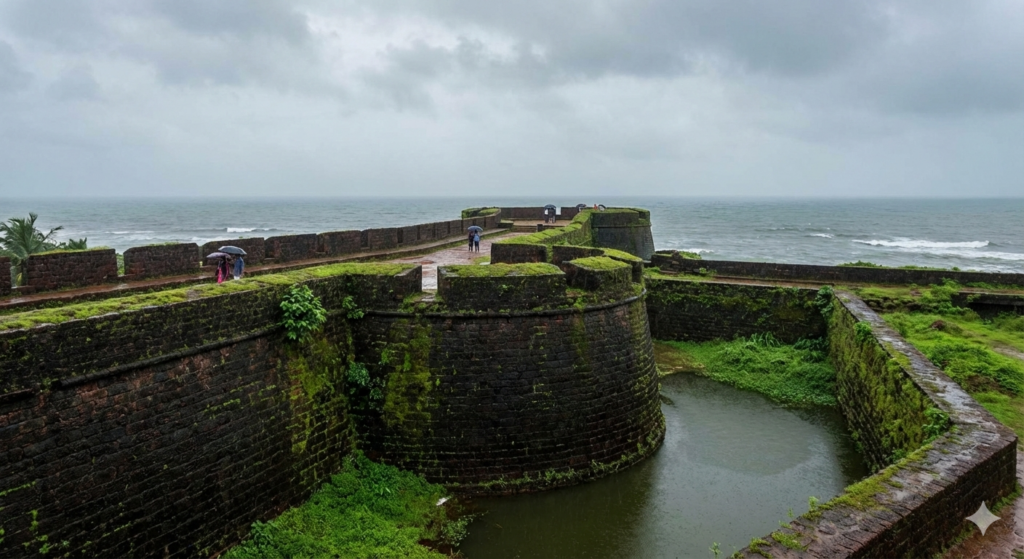
- St. Angelo Fort (Portuguese architecture)
- Payyambalam Beach (sunset views)
- Muzhappilangad Drive-in Beach (4km driveable)
- Arakkal Museum (Muslim royal heritage)
- Theyyam performances (authentic villages)
- Kannur Lighthouse (panoramic views)
- Ezhimala Naval Academy Beach
Photography Opportunities:
- Theyyam performances (ask permission)
- Beach sunsets
- Fort architecture
- Coastal landscapes
- Traditional fishing activities
- Local markets and festivals
Conclusion
Determining the best time to visit kannur depends on balancing coastal weather preferences with cultural interests and activity priorities. November to February emerges as optimal period offering perfect kannur climate, minimal kannur rainfall, vibrant Theyyam season, and comfortable conditions for exploring kannur mountains, sampling kannur famous food, discovering kannur trekking places, and experiencing scenic hill stations in kannur. Whether seeking winter beach perfection, summer water sports, or post-monsoon freshness, strategic timing considering seasonal kannur rainfall patterns and temperature variations creates unforgettable North Kerala coastal experiences.
Understanding seasonal advantages from pleasant winter beach weather to lush monsoon landscapes helps match personal preferences with optimal visit timing for authentic Malabar Coast cultural immersion. Frenzy Holidays ensures a smooth and enriching travel experience from start to finish. You can visit us at Haware Centurion, S07/34, Nerul East, Sector 19A, Nerul, Navi Mumbai, Maharashtra 400706. For bookings or more information, call +91 7400453140, email [email protected], or visit www.frenzyholidays.com. So pack up and explore INDIA with Frenzy Holidays to have an unforgettable journey.
Best Time to Visit Kannur – FAQs
What is the best time to visit Kannur for beaches?
November to February is the best time to visit kannur for beach activities with perfect weather (20-32°C), calm seas, minimal kannur rainfall, and comfortable humidity ideal for swimming and water sports.
What is the kannur climate like throughout the year?
Kannur climate features tropical coastal weather with temperatures 20-35°C year-round. Pleasant winters (Nov-Feb), warm summers (Mar-May), heavy monsoons (Jun-Sep), and post-monsoon freshness (Oct-Nov).
How much is the kannur rainfall during monsoon?
Kannur rainfall during monsoon (June-September) totals 2,000-3,000mm with peak months July-August receiving 800-1,000mm monthly, making beach activities impossible and travel challenging.
What are the must-try kannur famous food items?
Kannur famous food includes Malabar Biryani, Kallummakkaya (mussels), Pathiri rice bread, Erachi Varutharachathu meat roast, and traditional banana halwa available at local restaurants throughout year.
Which are the best kannur trekking places?
Kannur trekking places include Pythal Mala (highest peak at 1,372m), Ezhimala Hills (coastal views), and Aralam Wildlife Sanctuary trails. Best trekking season November-March with comfortable kannur climate.
Are there any hill stations in Kannur?
Hill stations in kannur include Pythal Mala, Ezhimala Hills, and Aralam Wildlife Sanctuary area offering trekking, scenic views, and cooler temperatures. Best visited November-March for clear weather.
What are the kannur mountains like?
Kannur mountains are part of Western Ghats featuring elevations from 100m coastal hills to 1,372m Pythal Mala peak. Lush forests, biodiversity hotspots, and trekking opportunities characterize these ranges.
When is Theyyam season in Kannur?
Theyyam season runs November-April with peak performances November-February. This traditional ritual art form performed in village shrines represents best cultural experience during best time to visit kannur.
Is monsoon a good time to visit Kannur?
Monsoon (June-September) not recommended for first-time visitors due to heavy kannur rainfall, rough seas, and limited activities. Suitable only for Ayurvedic retreats or monsoon experience enthusiasts with flexible plans.
How many days needed to explore Kannur?
3-4 days sufficient to cover major beaches, forts, Theyyam performance, and nearby attractions. Add 1-2 days for kannur trekking places or extended cultural experiences in villages.
