
Planning a trip to Visakhapatnam, affectionately known as Vizag, calls for thoughtful timing because this remarkable coastal city on the Bay of Bengal offers dramatically different experiences across its seasons. From the sparkling winter beach mornings when the sea breeze carries just enough chill to make a sunrise walk along Rushikonda Beach genuinely magical, to the hot summer afternoons that send locals retreating to cool caverns and air-conditioned submarine museums, to the dramatic cyclone-season monsoon that transforms the Eastern Ghats rising behind the city into a green paradise, Vizag’s character shifts profoundly through the year.
As Andhra Pradesh’s largest city and its de facto economic capital, Vizag combines a working port city’s gritty energy with a surprisingly rich menu of beaches, hills, caves, tribal heritage, and one of India’s most scenic hill railway journeys to Araku Valley. Understanding the vizag best time to visit ensures you experience the City of Destiny in its most welcoming form, whether you’re planning a vizag one day tour as part of a longer Andhra trip, putting together a detailed vizag tour itinerary covering beaches, hills, and heritage, exploring places to visit in vizag with friends, or heading out on a vizag city tour that covers everything from the INS Kurusura Submarine Museum to the Kailasagiri hilltop park.
Table of Contents
Quick Reference: Vizag Visit Planning
| Season | Best Months | Temperature | Conditions | Ideal For |
|---|---|---|---|---|
| Winter | Oct–Feb | 18–30°C | Pleasant, clear | Beaches, sightseeing, Araku Valley |
| Spring | Mar–Apr | 24–36°C | Warm, manageable | Budget travel, fewer crowds |
| Summer | May–Jun | 30–42°C | Hot and humid | Avoid if heat-sensitive |
| Monsoon | Jul–Sep | 25–33°C | Heavy rain, rough seas | Eastern Ghats greenery, waterfalls |
Vizag Best Time to Visit: Seasonal Analysis
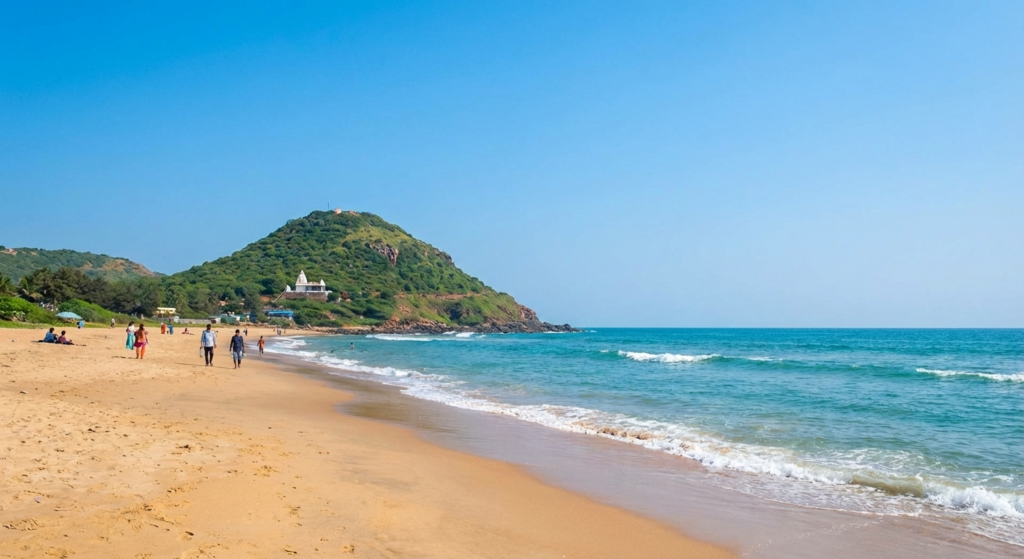
The vizag best time to visit is shaped by the city’s dual geographic character: it is simultaneously a beach destination on the Bay of Bengal and a gateway to the Eastern Ghats. The sea dictates beach and water activity windows, while the hills behind the city offer their own seasonal rhythm that sometimes differs from the coast.
October to February: The Best Time to Visit Vizag for Most Travelers
The post-monsoon and winter months represent the vizag best time to visit without question for the majority of travelers. Cyclone season has passed, the Bay of Bengal settles into calm clarity, and vizag temperature drops to a range that makes long beach walks, hill climbs, and open-air sightseeing genuinely comfortable rather than exhausting.
Vizag Temperature (October–February):
- October: 24–32°C, post-monsoon freshness, seas calming
- November: 22–30°C, pleasant and clear
- December: 18–28°C, coolest and most comfortable
- January: 17–27°C, ideal beach weather
- February: 19–29°C, warming gently, excellent conditions
Why This Season Excels:
The beaches of Vizag are at their absolute finest in these months. Rushikonda Beach, Ramakrishna Beach (RK Beach), and Bheemunipatnam Beach all offer clear water, manageable waves, and the clean post-monsoon atmosphere that makes the Bay of Bengal look genuinely turquoise on good days. Water sports including jet skiing, parasailing, and banana boat rides operate fully at Rushikonda Beach from October onwards.
The Araku Valley train journey, one of the highlights of any vizag tour itinerary, is most rewarding in winter when the Eastern Ghats are green from monsoon rains but the weather is cool enough to make the open-air valley exploration comfortable. The Borra Caves near Araku, among India’s largest stalactite cave systems, are accessible year-round but the approach roads and forest walks are most pleasant in winter conditions.
Kailasagiri Hill Park, Vizag Zoo, the INS Kurusura Submarine Museum, and the Vuda Park along RK Beach are all best explored in the October to February window when outdoor activity is comfortable across the full day rather than confined to early morning and evening hours.
A well-planned vizag itinerary for this season can realistically cover beaches, the submarine museum, Araku Valley day trip, Borra Caves, Simhachalam Temple, and the city’s naval heritage within a 3N/4D framework without feeling rushed.
Ideal For: All first-time visitors, families, friend groups, couples, beach lovers, trekkers, photography enthusiasts.
Trip Cost (Peak Winter): ₹8,000–15,000 per person for 3N/4D including accommodation, cabs for vizag city tour, and Araku day trip.
March to April: Shoulder Season for Budget Travelers
March and early April offer a workable window for visiting Vizag that balances acceptable weather conditions with noticeably lower costs and reduced crowds. Vizag temperature in march sits in a warm but manageable range that allows morning and evening sightseeing without the punishing heat that arrives in May.
Vizag Temperature in March:
- Early March: 22–32°C, warm but comfortable
- Mid March: 24–34°C, rising heat
- Late March: 26–36°C, noticeably warmer, early summer feel
What to Expect:
Vizag temperature in march is the most commonly searched weather query for Vizag, and the answer is encouraging for flexible travelers. The first two weeks of March remain perfectly acceptable for a vizag one day tour or a short 2-night trip, with mornings and evenings offering pleasant conditions for beach walks and outdoor sightseeing. Afternoon heat (32–36°C) is significant but not prohibitive with the right planning: finish outdoor activities by 11 AM, retreat for lunch and rest during the peak heat window of 12–3 PM, then resume exploration from 4 PM onwards.
Beaches are accessible, water sports continue operating through March, and the vizag city tour circuit of museums, viewpoints, and temples remains entirely doable. Accommodation rates are 20–25% lower than peak winter season, and popular sites are significantly less crowded.
By April, heat and humidity intensify considerably and the experience becomes more demanding. Budget travelers with tolerance for warm conditions can still manage a worthwhile April visit but should adjust expectations and itinerary timing accordingly.
Ideal For: Budget travelers, groups with flexible schedules, repeat visitors.
Trip Cost (Shoulder Season): ₹6,500–11,000 per person for 3N/4D.
May to June: Summer Heat
May and June bring Vizag’s most challenging weather. Vizag temperature climbs to 38–42°C in peak afternoon hours, sea humidity adds to the discomfort, and outdoor sightseeing becomes genuinely draining by mid-morning. This is the period to avoid for most travelers, particularly families with children and those sensitive to heat.
Vizag Temperature (May–June):
- May: 30–40°C, hot and humid
- June: 28–38°C, pre-monsoon heat with brief early showers
Who Might Still Visit:
Travelers with specific interests in the INS Kurusura Submarine Museum, the Visakha Museum, or indoor attractions can manage brief summer visits by concentrating all activity in early morning (6–9 AM) and evening (5–8 PM) windows. The fishing harbour and Old Town areas retain their atmosphere in evening hours, and the city’s beach promenade at RK Beach is lively after sunset regardless of summer heat. Budget accommodations are at their cheapest during this period.
Trip Cost (Summer): ₹5,000–8,000 per person for 3N/4D, lowest rates of the year.
July to September: Monsoon Season
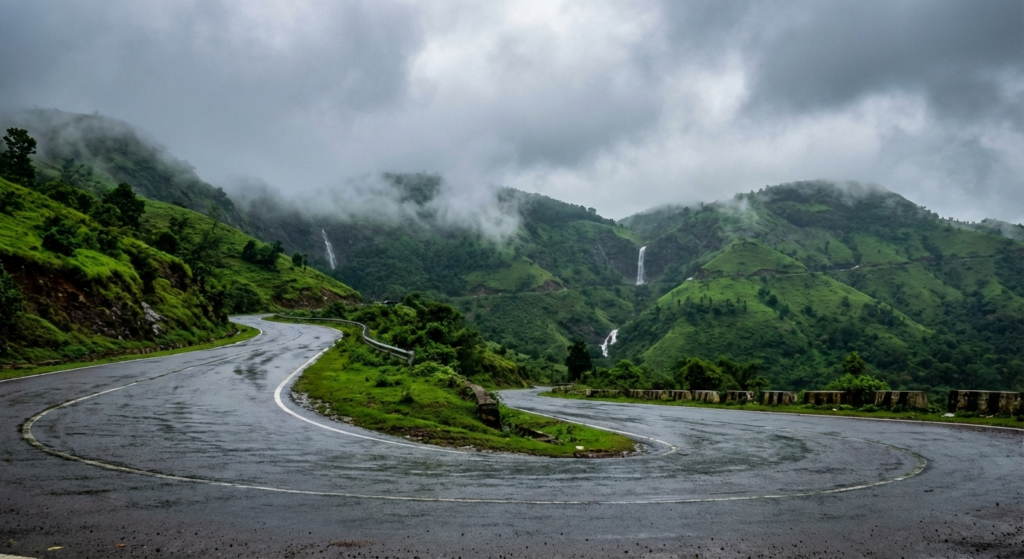
Monsoon transforms the Eastern Ghats behind Vizag into a spectacular theatre of cascading waterfalls and vivid green hillsides, but the Bay of Bengal simultaneously becomes rough and dangerous for swimming and water sports. This creates an interesting seasonal split: Araku Valley and the hills are at their most beautiful, while Vizag’s beaches are their least accessible.
Vizag Temperature (July–September):
- July: 25–31°C, heavy rainfall, rough seas
- August: 25–30°C, peak monsoon
- September: 25–32°C, monsoon easing
What to Expect:
Heavy rainfall and cyclone risk (Vizag sits in one of India’s most cyclone-prone coastal zones) make this the most unpredictable season for travel. However, the Araku Valley scenery during monsoon is extraordinary: the Tatipudi Reservoir overflows, roadside waterfalls cascade down the Ghats, and the tribal villages of the valley are surrounded by lush cultivation. For travelers whose primary interest is the Eastern Ghats rather than the beaches, a carefully planned monsoon visit to Araku can be deeply rewarding. Our guide to places to visit in Araku in one day covers the valley’s best experiences across all seasons.
Stay alert to cyclone advisories during August and September in particular. Vizag has experienced significant cyclone impacts and local authorities issue timely warnings, but travel plans should factor in the possibility of disruption.
Ideal For: Eastern Ghats and waterfall enthusiasts, repeat visitors, budget travelers willing to embrace uncertainty.
Trip Cost (Monsoon): ₹5,000–8,500 per person for 3N/4D.
Vizag Temperature: Month-by-Month Breakdown
| Month | Min Temp | Max Temp | Sea Condition | Recommendation |
|---|---|---|---|---|
| January | 17°C | 27°C | Calm, clear | ✅ Excellent |
| February | 19°C | 29°C | Calm, clear | ✅ Excellent |
| March | 22°C | 34°C | Good | ✅ Very Good |
| April | 25°C | 38°C | Moderate | ✔️ Acceptable |
| May | 28°C | 40°C | Roughening | ❌ Avoid |
| June | 26°C | 38°C | Rough | ❌ Avoid |
| July | 25°C | 31°C | Very Rough | ❌ Beaches closed |
| August | 25°C | 30°C | Very Rough | ❌ Cyclone risk |
| September | 25°C | 32°C | Rough | ⚠️ Easing |
| October | 24°C | 32°C | Calming | ✅ Good |
| November | 22°C | 30°C | Calm | ✅ Excellent |
| December | 18°C | 28°C | Calm, clear | ✅ Excellent |
Vizag Tour Itinerary: Day-Wise Planning
A well-structured vizag tour itinerary makes the most of the city’s varied geography and ensures no major attraction is missed.
3N/4D Vizag Itinerary (Recommended):
Day 1 focuses on the vizag city tour circuit covering the INS Kurusura Submarine Museum (India’s only submarine museum, fascinating for all ages), Kailasagiri Hill Park (accessible by ropeway, excellent panoramic views of the coastline), RK Beach promenade, and Vuda Park. Evening at the beach with fresh seafood at one of the RK Beach restaurants.
Day 2 is best dedicated entirely to the Araku Valley day trip, one of the most rewarding experiences in the entire vizag tour itinerary. The toy train from Visakhapatnam Railway Station to Araku (5 hours, through 58 tunnels and across spectacular Eastern Ghats viaducts) is a UNESCO-aspiring journey of extraordinary beauty. At Araku, visit Borra Caves, the tribal museum, coffee plantations, and the valley viewpoints. Return by road (3 hours) or late train. For a focused guide on the valley, our detailed resource on places to visit in Araku in one day covers everything comprehensively.
Day 3 covers the northern coastal and temple circuit: Bheemunipatnam Beach (25 km north, one of Andhra Pradesh’s cleanest beaches with a Dutch cemetery), Simhachalam Temple (an 11th-century Vaishnavite temple of significant religious importance), and the fishing harbour at Vizag Port. The afternoon is ideal for shopping in vizag and exploring the Jagadamba Centre market area.
Day 4 morning can be used for Rushikonda Beach water sports before departure, or a visit to the Visakha Museum and Submarine Museum gift shop for final souvenirs.
Vizag One Day Tour (For Transit Visitors):
A vizag one day tour requires prioritisation. The most rewarding single-day circuit covers INS Kurusura Submarine Museum (2 hours), Kailasagiri by ropeway (1.5 hours), RK Beach lunch and promenade walk (1.5 hours), and Rushikonda Beach water sports or sunset (2 hours). This vizag one day tour covers the city’s essential character without the Araku Valley extension, which genuinely requires a full day.
Places to Visit in Vizag With Friends
Vizag is an outstanding destination for group travel, with a mix of adventure, heritage, and scenic experiences that cater well to friend groups. The best places to visit in vizag with friends combine outdoor adventure with memorable shared experiences.
Rushikonda Beach water sports (jet skiing, parasailing, speed boat rides) are top choices for places to visit in vizag with friends seeking adventure and are best enjoyed October through April. The INS Kurusura Submarine Museum is an unusual, fascinating experience that generates conversation and shared discovery, particularly for groups visiting for the first time. Kailasagiri ropeway and hilltop park offers open spaces, city views, and the freedom to explore at a relaxed group pace.
The Araku Valley train journey on the Kirandul Passenger train is perhaps the single most memorable group experience in any vizag tour itinerary, with the toy train’s open viewing carriages providing a shared journey through the Eastern Ghats that few experiences elsewhere in South India can match.
For a deeper look beyond the standard tourist circuit, our guide to hidden places in Vizag uncovers lesser-known spots that make for genuinely unique group discoveries away from the weekend crowds.
Toy Shops in Vizag and Shopping Guide
Vizag is notable in Andhra Pradesh for its concentration of toy shops, primarily selling the famous Etikoppaka wooden toys, a GI-tagged craft tradition from the Etikoppaka village near Vizag. These lacquered wooden toys made from soft ivory wood are among the most distinctive handicraft souvenirs in Andhra Pradesh.
Toy Shops in Vizag: The best toy shops in vizag for Etikoppaka wooden toys are found in the Jagadamba Centre shopping area, RK Beach Road souvenir stalls, and the Lepakshi Handicrafts Emporium near the city centre, which stocks an excellent curated range of authentic GI-certified Etikoppaka pieces. Prices range from ₹50 for small decorative pieces to ₹500–1,500 for larger handcrafted sets. Quality varies significantly, so buying from government emporiums or established toy shops in vizag is recommended over street vendors for authentic pieces.
Other Shopping Highlights:
Beyond toy shops in vizag, the city’s shopping scene covers Kalamkari fabric (hand-painted cotton and silk textiles from Srikalahasti near Tirupati, widely available in Vizag craft stores), fresh dried seafood and fish pickles from the fishing harbour area, and pearl jewellery from the Jagadamba Centre stores. The weekly Sunday market near the Old Town area is an authentic local shopping experience worth exploring for visitors with a full day available.
Vizag as Part of a Broader Andhra Pradesh Itinerary
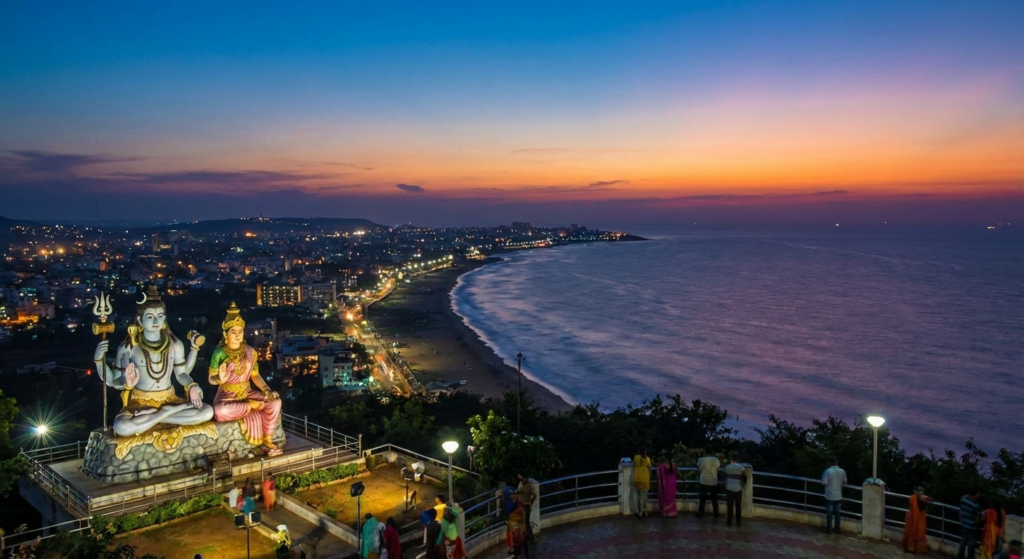
Vizag’s position in North Andhra makes it a natural anchor for a broader Andhra Pradesh exploration. The city pairs naturally with Araku Valley for a beach-plus-hills combination, and extending the trip southward opens up Andhra Pradesh’s extraordinary archaeological and cultural heritage.
Our guide to hidden tourist places in Andhra Pradesh reveals destinations across the state that complement a Vizag base trip beautifully, while travelers continuing to Hyderabad will find our resource on hidden places in Hyderabad invaluable for navigating the Deccan capital’s lesser-known corners beyond Charminar and Golconda.
How to Reach Vizag
Vizag is well-connected by air, rail, and road, making it one of the more accessible major destinations on India’s eastern coast. Most travelers from Mumbai and other western cities find the combination of a direct flight and onward train or cab the most convenient approach for a seamless vizag trip.
How to Reach Vizag By Air:
Visakhapatnam International Airport is well-connected to Mumbai, Delhi, Bengaluru, Chennai, Hyderabad, and Kolkata with daily direct flights. IndiGo, Air India, and SpiceJet operate frequent services. The airport is 16 km from the city centre.
How to Reach Vizag By Train:
Vizag is a major station on the Howrah-Chennai main line with excellent connectivity. The East Coast Express, Coromandel Express, and numerous other trains connect Vizag to Kolkata, Chennai, Bhubaneswar, and Hyderabad. For Mumbai travelers, the Konark Express and LTT-Visakhapatnam Express are popular options.
How to Reach Vizag By Road:
Vizag is well-connected via NH16 (the Golden Quadrilateral coastal highway) to Bhubaneswar (450 km north), Chennai (800 km south), and Vijayawada (350 km south). APSRTC operates premium Volvo buses from Hyderabad (12 hours) and other Andhra cities.
Essential Vizag Travel Tips
Cyclone awareness: Vizag is one of India’s most cyclone-prone cities. If visiting August through November, monitor India Meteorological Department advisories and ensure travel insurance covers disruption. Most years are uneventful, but preparedness matters.
Toy train booking: Book the Kirandul Passenger or Araku Valley train on IRCTC at least 2–3 weeks in advance, especially for weekend and peak season travel. The train has limited capacity and the journey is the single most popular tourist activity in the vizag tour itinerary.
Beach timing: The best time for beach visits in Vizag is early morning (6–9 AM) for sunrise, sea air, and before heat builds, and evening (5–7 PM) for sunset and the active beach promenade culture.
Local food: Vizag has an excellent seafood culture, particularly at the small restaurants along RK Beach promenade. Royyala (prawn) curry, Gongura (sorrel leaves) chicken, and fresh fried pomfret are the dishes to prioritise. The city’s local Andhra meals at budget restaurants around Jagadamba Centre offer outstanding value at ₹80–150 per full plate.
Conclusion

The vizag best time to visit for most travelers is October through February, when vizag temperature settles into a comfortable 17–30°C range, beaches are at their clearest and most accessible, water sports are fully operational, and the Araku Valley day trip fits seamlessly into any vizag tour itinerary. Vizag temperature in march remains acceptable for the first two weeks, offering a good shoulder season window for budget travelers.
Frenzy Holidays ensures a smooth and enriching travel experience from start to finish. Visit us at Haware Centurion, S07/34, Nerul East, Sector 19A, Nerul, Navi Mumbai, Maharashtra 400706. For bookings or more information, call +91 7400453140, email [email protected], or visit www.frenzyholidays.com. Pack up and explore the City of Destiny with Frenzy Holidays for an unforgettable Andhra Pradesh journey.
Vizag Best Time to Visit – FAQs
What is the vizag best time to visit overall?
October to February is the vizag best time to visit, offering comfortable vizag temperature of 17–30°C, calm seas, clear beaches, and ideal conditions for the full vizag tour itinerary including Araku Valley and water sports.
What is the vizag temperature in march?
Vizag temperature in march ranges from 22°C (nights) to 34°C (afternoons). Early and mid-March are manageable for sightseeing and beach visits; late March feels noticeably warmer. Morning and evening outings work best during this period.
What should a vizag one day tour cover?
A vizag one day tour should cover the INS Kurusura Submarine Museum, Kailasagiri Hill Park by ropeway, RK Beach promenade, and Rushikonda Beach water sports or sunset. This covers Vizag’s essential character within a single day.
Where are the best toy shops in vizag?
The best toy shops in vizag for GI-certified Etikoppaka wooden toys are the Lepakshi Handicrafts Emporium, Jagadamba Centre craft stores, and RK Beach souvenir stalls. Government emporiums offer the most reliable authenticity and fair pricing.
What is a good vizag itinerary for 3 nights and 4 days?
A good vizag itinerary allocates Day 1 to the vizag city tour (Submarine Museum, Kailasagiri, RK Beach), Day 2 entirely to the Araku Valley train journey and Borra Caves, Day 3 to Bheemunipatnam Beach and Simhachalam Temple, and Day 4 morning to Rushikonda Beach water sports before departure.
What are the best places to visit in vizag with friends?
The best places to visit in vizag with friends include Rushikonda Beach water sports, the INS Kurusura Submarine Museum, Kailasagiri ropeway, the Araku Valley toy train journey, and Bheemunipatnam Beach. Our guide to hidden places in Vizag reveals additional offbeat group-friendly spots.
Is Vizag worth visiting during monsoon?
Vizag beaches are rough and closed for swimming during monsoon (July–September), but the Eastern Ghats and Araku Valley scenery is at its most spectacular. Monsoon is recommended only for travelers whose primary interest is the hills rather than the coast, and cyclone advisories should be monitored.
How many days are sufficient for a vizag trip?
3 nights and 4 days is the ideal duration covering Vizag city, Araku Valley, and coastal excursions comfortably. A vizag one day tour works for transit visitors, while extending to 5–6 days allows deeper exploration of surrounding Andhra destinations.
Can I combine Vizag with Hyderabad?
Yes, Vizag and Hyderabad are well-connected by flight (1 hour) and overnight train (12–13 hours). A combined Andhra Pradesh trip covering both cities over 6–7 days is highly rewarding. Explore our guide to hidden places in Hyderabad for the Deccan capital’s best lesser-known experiences.
What makes Vizag different from other South Indian beach destinations?
Vizag uniquely combines a working port city’s authentic character with beaches, caves, a submarine museum, and direct access to the Eastern Ghats and Araku Valley tribal heritage, creating a destination with far more depth and variety than a conventional beach holiday destination.
