
Gujarat is one of India’s most geographically and culturally diverse states, and understanding when to visit makes all the difference between an effortless, rewarding journey and a sweltering, rain-disrupted one. From the white salt desert of the Rann of Kutch to the forested hills of Gir National Park, from the ancient stepwells of Patan to the sacred shores of Somnath and Dwarka, from the world’s tallest statue in Kevadia to the fossil-rich coastline of Khambhat, the beauty of gujarat spans an extraordinary range of landscapes, heritage, and wildlife that no single trip can fully exhaust.
This comprehensive guide to the best time to visit gujarat covers season-wise climate analysis, the rainy season in gujarat and its impact on travel, temperature in gujarat in march and other key months, the coldest place in gujarat for those seeking cooler escapes, gujarat tourism top 10 places worth planning around, and what is famous in gujarat that should anchor every itinerary. Whether you are planning a first visit or returning to discover more of this remarkable state, timing your trip correctly unlocks the full depth of what Gujarat has to offer.
Confused where to go for quick escape? Let us plan it for you.
Grab the Best DealTable of Contents
Best Time to Visit Gujarat: Quick Reference
| Season | Best Months | Temperature | Conditions | Ideal For |
|---|---|---|---|---|
| Winter | Nov–Feb | 10–28°C | Cool, clear, dry | Rann Utsav, wildlife, pilgrimage, sightseeing |
| Spring | Mar–Apr | 20–36°C | Warm, manageable | Budget travel, fewer crowds |
| Summer | May–Jun | 30–45°C | Extreme heat | Avoid if possible |
| Monsoon | Jul–Sep | 25–35°C | Rainy season in Gujarat | Waterfalls, greenery, lowest prices |
Best Time to Visit Gujarat: Seasonal Analysis
The climate of gujarat is shaped by three broad zones: the arid and semi-arid northwest (Kutch and North Gujarat), the fertile central plains (Ahmedabad, Vadodara, Anand), and the humid coastal belt (Saurashtra, South Gujarat). Each zone responds differently to seasons, and a well-planned Gujarat itinerary accounts for these regional climate differences.
November to February: The Best Time to Visit Gujarat Overall
Winter is unequivocally the best time to visit gujarat for the vast majority of travelers. The climate of gujarat across all regions settles into its most comfortable and welcoming range, the Rann of Kutch transforms into the venue for the world-famous Rann Utsav festival, Gir National Park opens for lion safaris, and every corner of the state is accessible and enjoyable without the punishing heat or heavy rainfall that characterises other seasons.
Climate of Gujarat (November–February):
- November: 16–30°C, post-monsoon freshness, clear skies
- December: 12–26°C, cool and pleasant, peak tourist season
- January: 10–24°C, coolest month, Rann Utsav peak
- February: 13–27°C, warming gently, excellent conditions
Why This Season Excels:
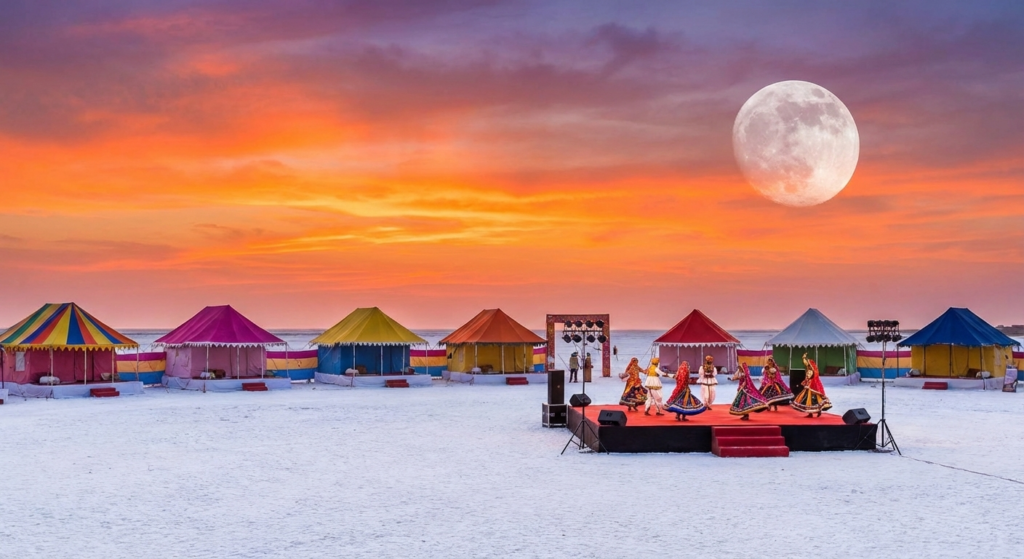
- Rann Utsav (November to February) at the White Rann of Kutch is one of Gujarat’s most spectacular experiences, featuring moonlit salt desert views, cultural performances, handicrafts, and camel rides.
- It is recommended to book tent accommodations 2–3 months in advance, especially for December–January weekends.
- Gir National Park, home to Asiatic lions, remains open from mid-October to mid-June.
- Winter offers the best wildlife sightings, with pleasant weather ideal for jeep safaris.
- The pilgrimage circuit including Somnath Temple, Dwarkadhish Temple, Nageshwar Jyotirlinga, and Palitana Temples is best covered during winter due to comfortable weather.
- Ahmedabad, a UNESCO World Heritage city, is ideal for exploring its old city, pol houses, stepwells, and historic mosques in winter.
- Heritage walks organized by the local authorities are most enjoyable during cool winter mornings.
Our detailed resource on places to visit in Somnath and Dwarka covers this sacred Saurashtra circuit comprehensively for pilgrims planning around winter conditions.
Ideal For: All first-time visitors, families, senior citizens, wildlife enthusiasts, pilgrims, heritage travelers, festival seekers.
Gujarat Trip Cost (Peak Winter): ₹12,000–22,000 per person for 5N/6D covering Ahmedabad, Rann of Kutch, and Saurashtra pilgrimage circuit.
March to April: Comfortable Shoulder Season
March and April offer a genuinely underrated window for visiting Gujarat that balances acceptable weather with significantly lower costs and reduced tourist footfall at major sites. Temperature in gujarat in march sits in a warm but manageable range across most regions, and the state’s cultural and heritage attractions remain fully accessible.
Temperature in Gujarat in March:
- Early March: 20–32°C, comfortable mornings and evenings
- Mid March: 24–36°C, warming afternoons
- Late March: 26–38°C, approaching summer intensity
- April: 28–40°C, hot afternoons, confine activity to mornings and evenings
What to Expect:
- The temperature in Gujarat in March makes it a perfect shoulder season for travel, with pleasant weather and fewer crowds.
- After Rann Utsav ends, the Kutch region becomes quieter, offering a more authentic experience of Bhuj, Mandvi Beach, and local handicraft villages.
- Gir National Park remains open, and wildlife sightings improve as the dry season progresses and vegetation becomes sparse.
- March weather is ideal for exploring Saputara, the Dangs region, and the Statue of Unity, especially during mornings.
- Accommodation prices across Gujarat are 20–30% lower compared to peak winter, and tourist spots are less crowded.
- Historic places like Khambhat are best explored during this time due to the comfortable climate and reduced tourist rush.
Our complete guide to places to visit in Statue of Unity covers the Kevadia circuit for planning a rewarding day or overnight visit.
Ideal For: Budget travelers, repeat visitors, heritage enthusiasts, wildlife seekers.
Gujarat Trip Cost (Shoulder Season): ₹9,000–16,000 per person for 5N/6D.
May to June: Summer Heat
The climate of gujarat in summer is among the harshest in peninsular India. The Kutch and North Gujarat regions in particular experience some of the subcontinent’s most extreme temperatures, with Ahmedabad and Bhuj regularly recording 44–46°C in May. The coastal Saurashtra belt is marginally cooler due to sea breezes but still sees 38–42°C in peak afternoon hours.
Climate of Gujarat (May–June):
- May: 32–46°C depending on region, extremely dry and hot
- June: 30–42°C, pre-monsoon build-up with occasional dust storms
Who Should Visit:
- Summer travel in Gujarat is generally not ideal due to high temperatures.
- Pilgrims, business travelers, and family visitors can still manage trips by planning outdoor activities only during early morning (6–9 AM) and evening (6–8 PM).
- Indoor attractions like Calico Museum of Textiles, CEPT University (Architecture Museum), and Vadodara Museum and Picture Gallery remain open and are comfortable to explore.
- Gir National Park usually closes from mid-June for the monsoon, so wildlife enthusiasts should plan visits in early June before closure.
Gujarat Trip Cost (Summer): ₹7,000–12,000 per person for 5N/6D, lowest accommodation rates of the year.
July to September: Rainy Season in Gujarat
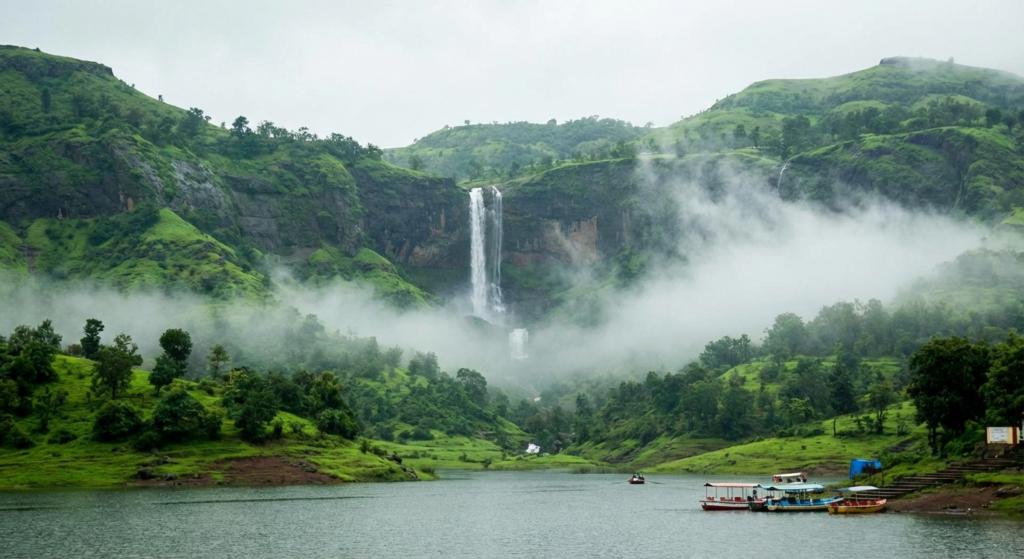
The rainy season in gujarat brings the southwest monsoon from late June through September, transforming the parched summer landscape into a lush green canvas of extraordinary beauty. The rainy season in gujarat is particularly dramatic in the Dangs tribal district and the Gir hills, where waterfalls appear from every hillside and the landscape takes on an almost impossibly vivid quality.
Climate of Gujarat (July–September):
- July: 26–35°C, peak rainy season in gujarat, heavy rainfall
- August: 25–33°C, continuing heavy rain
- September: 25–32°C, monsoon easing in most regions
What to Expect:
- The monsoon season in Gujarat transforms the landscape with lush greenery, especially in the Satpura and Aravalli foothills, while rivers like the Sabarmati River flow at full capacity.
- However, travel challenges increase as the Rann of Kutch becomes flooded and inaccessible, losing its signature white salt desert appearance.
- Gir National Park remains closed during the rainy season, and many rural roads may become difficult to navigate.
- Monsoon travel is best suited for destinations like Saputara and the Dangs district, which look especially scenic during this time despite heavy rainfall.
- Cities and cultural spots like Ahmedabad are also good options for urban exploration.
- Festivals such as Shamlaji Fair and various Adivasi tribal celebrations take place during monsoon, offering a unique cultural experience.
Ideal For: Budget travelers, monsoon lovers, South Gujarat heritage circuit, Saputara hill station visitors.
Gujarat Trip Cost (Monsoon): ₹7,000–12,000 per person for 5N/6D, with significant discounts on accommodation across the state.
Climate of Gujarat: Month-by-Month Breakdown
| Month | Min Temp | Max Temp | Rainfall | Recommendation |
|---|---|---|---|---|
| January | 10°C | 24°C | Nil | ✅ Excellent |
| February | 13°C | 27°C | Nil | ✅ Excellent |
| March | 20°C | 34°C | Nil | ✅ Very Good |
| April | 26°C | 40°C | Nil | ✔️ Acceptable |
| May | 30°C | 46°C | Nil | ❌ Avoid |
| June | 28°C | 42°C | Starting | ❌ Avoid |
| July | 26°C | 35°C | Heavy | ⚠️ Limited areas |
| August | 25°C | 33°C | Heavy | ⚠️ Limited areas |
| September | 25°C | 32°C | Moderate | ⚠️ Easing |
| October | 22°C | 34°C | Minimal | ✔️ Good |
| November | 16°C | 30°C | Nil | ✅ Excellent |
| December | 12°C | 26°C | Nil | ✅ Excellent |
Gujarat Tourism Top 10 Places
Any honest conversation about gujarat tourism top 10 places must account for the state’s extraordinary range across pilgrimage, wildlife, heritage, craft, and coastal experiences. These are the destinations that define what is famous in gujarat and should anchor every serious Gujarat itinerary.
Rann of Kutch
tops virtually every gujarat tourism top 10 places list for good reason. The White Rann’s surreal landscape of infinite flat salt under a vast open sky, at its most accessible and spectacular during the November–February Rann Utsav festival, is one of India’s most genuinely unique travel experiences.
Gir National Park
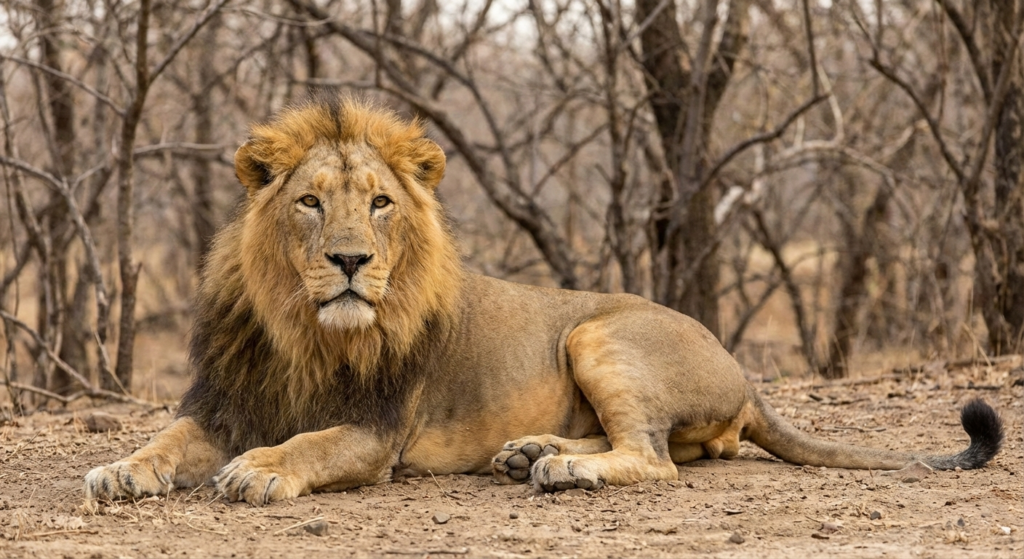
the only place on Earth where wild Asiatic lions can be seen, making it an irreplaceable wildlife destination. Safari permits must be booked well in advance online through the Gujarat forest department portal. The best sighting season runs November through March.
Somnath and Dwarka
anchor the Saurashtra pilgrimage circuit as two of India’s most sacred Char Dham and Jyotirlinga destinations. The combination of religious significance, coastal beauty, and ancient maritime heritage makes this circuit deeply rewarding for both pilgrims and cultural travelers. Explore our complete guide to places to visit in Somnath and Dwarka for comprehensive planning.
Ahmedabad
Gujarat’s cultural and commercial capital, a UNESCO World Heritage City with an extraordinary concentration of Indo-Saracenic architecture, pol neighbourhood heritage, Sabarmati Ashram, and some of India’s finest museum collections. The Calico Museum of Textiles alone justifies a full day.
Statue of Unity, Kevadia
world’s tallest statue at 182 metres, set in the valley of the Narmada River with a spectacular viewing gallery, valley of flowers, jungle safari, and night illumination. The complete Kevadia experience is best covered across a full day or overnight stay. Our guide to places to visit in Statue of Unity covers the full circuit in detail.
Palitana Jain Temples
Shatrunjaya Hill near Bhavnagar rank among the world’s most extraordinary religious architectural complexes, with over 900 marble temples climbing the hillside. The climb of approximately 3,500 steps to the summit is best undertaken in winter morning conditions.
Patan
UNESCO-listed Rani ki Vav stepwell (one of India’s finest examples of subterranean water architecture) and the nearby Modhera Sun Temple are essential heritage stops for any Gujarat itinerary.
Saputara
Gujarat’s only designated hill station in the Dangs district, sitting at approximately 1,000 metres in the Sahyadri foothills and offering a welcome respite from the plains heat in summer and a lush monsoon escape from July onwards.
Bhuj and Kutch Craft Villages
beyond the Rann Utsav offer a rich world of traditional Kutchi embroidery, ajrakh block printing, Rogan art, and copper bell craftsmanship spread across villages like Nirona, Hodka, and Dhordo that represent the living craft heritage of one of India’s most distinctive regional cultures.
Khambhat
Harappan-era archaeological significance, ancient port heritage, and distinctive agate stone craft industry is one of Gujarat’s most underappreciated destinations. Our guide to places to visit in Khambhat reveals why this coastal town deserves a dedicated half-day in any South Gujarat itinerary. For deeper offbeat exploration across the state, our guide to hidden places in Gujarat covers extraordinary lesser-known destinations that most standard Gujarat itineraries miss entirely.
What Is Famous in Gujarat
Beyond the headline destinations, what is famous in gujarat spans a remarkable breadth of categories that reflect the state’s layered identity.
Food:
Gujarat has one of India’s most distinctive and celebrated vegetarian cuisines. The Gujarati thali, with its rotating combination of dal, sabzi, rotli, rice, kadhi, farsan, and mithai, is a meal of extraordinary variety and balance. Dhokla, fafda-jalebi, undhiyu, and handvo are regional specialties that define what is famous in gujarat on dining tables across India. The street food culture of Ahmedabad, particularly along Manek Chowk, is legendary.
Textiles and Handicrafts:
Gujarat is India’s premier state for traditional textile arts. Patola silk weaving from Patan (double ikat weaving of extraordinary complexity), Bandhani tie-dye from Jamnagar and Bhuj, Kutchi embroidery, ajrakh block printing, and Khatri community crafts collectively represent one of the world’s richest living craft traditions. Shopping for authentic textiles is a highlight of any Gujarat trip.
Festivals:
The beauty of gujarat’s festival calendar is remarkable. Navratri in Ahmedabad and Vadodara is nine nights of garba dancing on a scale that has earned UNESCO Intangible Cultural Heritage recognition. Uttarayan (Makar Sankranti kite festival) on January 14th transforms every rooftop in Ahmedabad into a kite battle arena, with the International Kite Festival drawing participants from across the world.
Maritime Heritage:
Gujarat has India’s longest coastline and a maritime trading history stretching back to the Harappan era. The port cities of Lothal, Khambhat, Surat, Mandvi, and Porbandar each carry distinct chapters of this seafaring legacy.
Coldest Place in Gujarat
The coldest place in Gujarat varies depending on geography, with coastal desert regions and hill stations both experiencing cooler conditions in winter. While areas in Kutch record the lowest night temperatures due to their open terrain, hill stations like Saputara offer consistently pleasant weather, making them popular for travelers seeking relief from Gujarat’s heat.
- Naliya and nearby areas of Rann of Kutch are considered the coldest regions in Gujarat during winter.
- Night temperatures can drop to 4–5°C in January, with significant day-night temperature variation.
- The Rann of Kutch experiences sharp contrasts, with cold nights (5–8°C) and warm days (22–25°C) in winter.
- Saputara, located in the Dangs district, is the coldest hill station in Gujarat.
- Winter temperatures here range from 8–10°C at night to 18–22°C during the day, offering a pleasant climate.
- Wilson Hills is another cool destination, situated at around 750 metres altitude.
- It maintains comfortable temperatures throughout the year, making it a good alternative hill getaway.
Beauty of Gujarat: Landscapes That Surprise Every Visitor
The beauty of Gujarat often surprises travelers with its incredible diversity, going far beyond temples and deserts. From vast salt plains to lush forests and historic riverfronts, the state offers a unique mix of natural, cultural, and scenic experiences that make it stand out among India’s most varied destinations.
- Great Rann of Kutch is one of the most surreal landscapes, especially during the Rann Utsav, where the white salt desert appears endless under moonlight.
- The Gulf of Khambhat coastline reveals fossil beds and ancient remains, linking the region to a 4,000-year-old maritime history.
- Gir National Park offers lush green forests after monsoon, with rich wildlife and scenic landscapes of teak and flowering trees.
- Sabarmati Riverfront and Sabarmati Ashram reflect a blend of scenic beauty and historical significance, especially during sunset.
- The Statue of Unity region in the Narmada Valley showcases a grand landscape of river, hills, and dam views, offering a unique large-scale natural panorama.
Essential Gujarat Travel Tips
Plan your trip to Gujarat according to the season, as winters are ideal for sightseeing while summers can be extremely hot. Always book accommodations and transport in advance during peak festivals and carry light cotton clothes, sunscreen, and hydration essentials for a comfortable journey.
Book Gir safaris early:
Gir National Park safari permits are released online and sell out rapidly, especially for weekend slots in peak season (November–March). Book at least 4–6 weeks in advance through the official Gujarat forest department portal.
Rann Utsav accommodation:
Tent city accommodation within the Rann Utsav festival grounds is operated by Gujarat Tourism and private operators. Full moon weekend packages sell out 6–8 weeks in advance. Book early and check whether the package includes the Rann night excursion as it varies by operator.
Alcohol restrictions:
Gujarat is a completely dry state, with alcohol prohibited under the Gujarat Prohibition Act. Travelers should plan accordingly. Permits for medicinal use are technically available but rarely practically useful for tourists.
Vegetarian food only:
Gujarat’s food culture is overwhelmingly vegetarian. Non-vegetarian options are available in selected hotels and coastal areas but are far from the norm. This is not a limitation but an invitation to explore one of India’s richest vegetarian cuisines.
Local transport in Kutch:
Distances in Kutch district are vast and public transport is limited. Hiring a private vehicle in Bhuj for a 2-day Kutch craft village circuit is the most practical approach and costs approximately ₹2,500–3,500 per day.
Conclusion:
The best time to visit gujarat is November through February, when the climate of gujarat across all regions settles into comfortable cool conditions perfect for the Rann Utsav, Gir lion safaris, Saurashtra pilgrimage circuits, and heritage exploration of Ahmedabad’s UNESCO old city. Temperature in gujarat in march remains acceptable for a shoulder season visit with lower costs, while the rainy season in gujarat (July–September) rewards those focused on South Gujarat, Saputara, and monsoon greenery.
Understanding what is famous in gujarat across food, textiles, wildlife, festivals, and pilgrimage, planning around gujarat tourism top 10 places, appreciating the coldest place in gujarat options for cooler escapes, and embracing the full beauty of gujarat across its diverse landscapes and cultural traditions ensures this magnificent state delivers one of India’s most complete and memorable travel experiences.

Frenzy Holidays ensures a smooth and enriching travel experience from start to finish. Visit us at Haware Centurion, S07/34, Nerul East, Sector 19A, Nerul, Navi Mumbai, Maharashtra 400706. For bookings or more information, call +91 7400453140, email [email protected], or visit www.frenzyholidays.com. Pack up and discover the extraordinary diversity of Gujarat with Frenzy Holidays for an unforgettable journey.
Best Time to Visit Gujarat – FAQs
What is the best time to visit gujarat overall?
November to February is the best time to visit gujarat, offering comfortable temperatures of 10–28°C, the Rann Utsav festival, Gir lion safaris, and full access to all pilgrimage and heritage circuits.
What is the rainy season in gujarat?
The rainy season in gujarat runs from late June through September, with July and August seeing the heaviest rainfall. Gir National Park closes and the Rann of Kutch floods, but South Gujarat and Saputara are still worth visiting.
What is the temperature in gujarat in march?
Temperature in gujarat in march ranges from 20°C at night to 34°C in the afternoon. Early March is the most comfortable window before summer heat builds significantly by late March.
What is the coldest place in gujarat?
Naliya in North Kutch sees January nights drop to 4–5°C, making it the coldest place in gujarat. Among hill stations, Saputara records sustained cool temperatures of 8–22°C through winter.
What is famous in gujarat for tourists?
What is famous in gujarat includes the Rann of Kutch, Asiatic lions at Gir, Somnath and Dwarka temples, Ahmedabad’s UNESCO old city, Navratri garba, Patola silk, and the Gujarati thali.
What are gujarat tourism top 10 places?
Gujarat tourism top 10 places include Rann of Kutch, Gir, Somnath, Dwarka, Ahmedabad, Statue of Unity, Palitana, Patan, Saputara, and Bhuj with Kutch craft villages.
How many days are needed to visit Gujarat?
A minimum of 7–8 days covers Gujarat’s main highlights. Extend to 10–12 days for a comprehensive circuit including Gir, Palitana, South Gujarat, and the Statue of Unity.
Is Gujarat good for family travel?
Yes, Gujarat is excellent for families in the November–February window. The Rann Utsav, Gir safari, Statue of Unity, and Ahmedabad’s heritage walks all offer engaging, family-friendly experiences.
What is the beauty of gujarat that surprises most visitors?
The beauty of gujarat lies in its geographic diversity — from the surreal white salt desert of the Rann to Gir’s forests, ancient stepwells, and the sweeping Narmada valley around the Statue of Unity.
Can I visit Gujarat during the rainy season?
Yes, the rainy season in gujarat suits South Gujarat, Saputara, and Ahmedabad’s indoor attractions well. Gir and the Rann remain inaccessible, but accommodation rates are at their lowest.
