
The best time to visit Konark Sun Temple is between October and February, when the weather in Odisha is cool, pleasant, and ideal for exploring this UNESCO World Heritage Site. December is particularly special for the Konark Dance Festival, while February brings the Magha Saptami celebrations at Chandrabhaga Beach nearby.
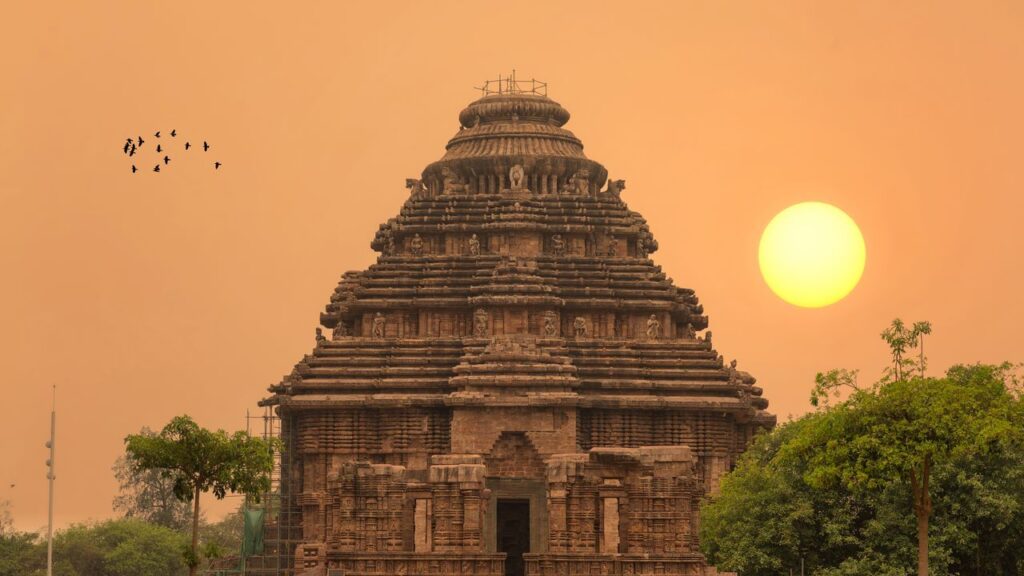
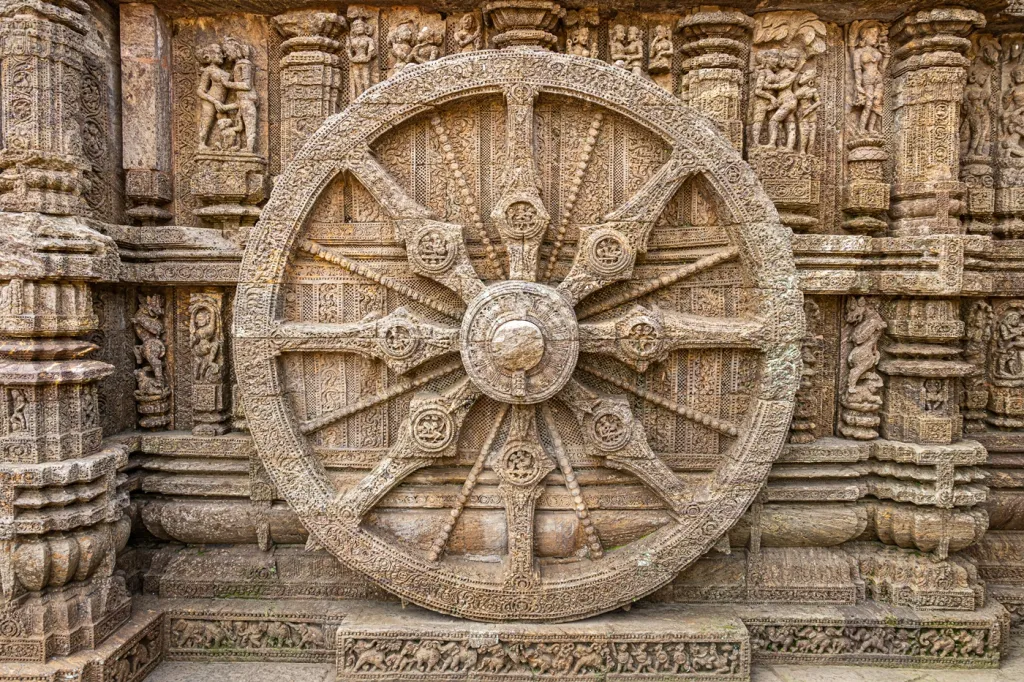
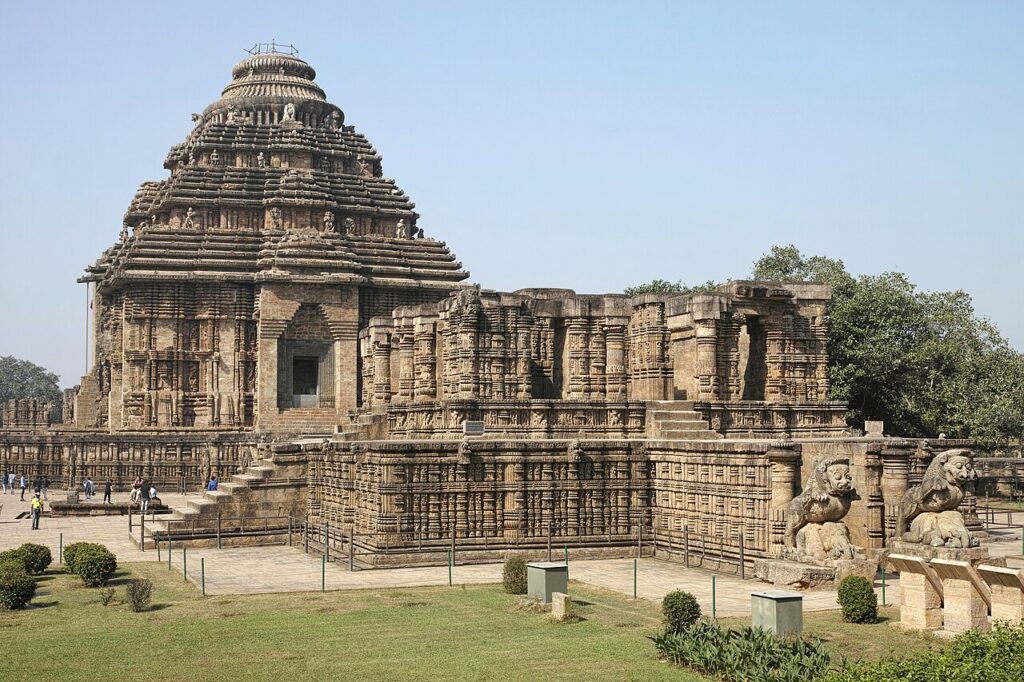
The Konark Sun Temple, located approximately 35 km northeast of Puri on the coast of the Bay of Bengal, is one of India’s most extraordinary architectural treasures. Built in the 13th century by King Narasimhadeva I of the Eastern Ganga Dynasty, the temple is designed as a colossal stone chariot of the Sun God Surya, complete with 24 intricately carved wheels and seven horses. Known historically as the “Black Pagoda” by European sailors who used it as a navigation landmark, the temple’s Kalinga architectural style and elaborate stone carvings depicting gods, apsaras, animals, and scenes from daily life continue to awe visitors from around the world. As the poet Rabindranath Tagore famously said of this monument: “Here the language of rocks surpasses the language of man.”
Planning your visit at the right time ensures you experience the temple’s stone carvings in the best light, avoid the discomfort of peak summer heat, and potentially witness the extraordinary cultural festivals that bring the complex to life. Frenzy Holidays can help you explore Odisha’s broader heritage — from the historical places in Odisha to the offbeat places in Odisha that most visitors miss.
Confused where to go for quick escape? Let us plan it for you.
Grab the Best DealTable of Contents
Best Time to Visit Konark Sun Temple by Season
Konark sits on the Odisha coast, which means its weather follows a tropical pattern with a pronounced monsoon season and mild, dry winters. The season you choose directly impacts your comfort and the quality of your experience here.
| Detail | Information |
|---|---|
| Location | Konark, Puri District, Odisha |
| Distance from Puri | 35 km |
| Distance from Bhubaneswar | 65 km |
| Best Time to Visit | October to February |
| Temple Timings | Sunrise to Sunset (daily) |
| Entry Fee | ₹40 (Indians), ₹600 (Foreign nationals), Free (under 15) |
| Light Show Timings | 7:00 PM – 8:00 PM (subject to change) |
| Nearest Airport | Biju Patnaik International Airport, Bhubaneswar (65 km) |
| Nearest Railway Station | Puri Railway Station (35 km) |
| Major Festival | Konark Dance Festival (December / February) |
October to February is the peak season and unquestionably the best time to visit Konark Sun Temple. Temperatures are mild and comfortable, skies are clear, and the light conditions at different times of day allow the temple’s stone carvings to be appreciated in their full detail. The winter months also align with the Konark Dance Festival in December and Magha Saptami in January–February, making this the richest period for both heritage exploration and cultural immersion. Arriving early in the morning before 10 AM is recommended to beat the crowds and experience the temple in relative peace.
March to May sees temperatures rise sharply across Odisha, often exceeding 38–40°C. While the temple remains open, the afternoon heat makes extended outdoor exploration tiring. If visiting during this period, early morning arrival before 9 AM is essential.
June to September is the monsoon season. Heavy coastal rainfall can disrupt travel, but the landscape around Konark becomes lush and green. Visitor footfall is low during this period, making it quiet if not always comfortable. Travelling to Konark during monsoon requires flexibility and a close eye on weather conditions.
Festivals at Konark Sun Temple- Best Times for a Cultural Experience
Konark is not just an archaeological monument — it comes alive during its festivals in a way that few heritage sites in India can match.
Konark Dance Festival (December / February)
The Konark Dance Festival is the most celebrated cultural event associated with the Sun Temple and one of the finest classical dance festivals in India. Co-organised by the Odisha Tourism Department and Odissi Research Centre since 1986, the festival is held annually over five days at the open-air amphitheatre adjacent to the Sun Temple, with the temple’s towering facade serving as a breathtaking backdrop. Performances of Odissi, Bharatanatyam, Kathak, Kuchipudi, Manipuri, Mohiniattam, and Kathakali take place each evening from 6:30 PM to 9:30 PM, featuring renowned classical dancers from across India and international troupes. A Crafts Mela at Urban Haat, Konark runs simultaneously, where artisans from across Odisha display and sell traditional handicrafts, Pattachitra paintings, and Pipli appliqué work.
The festival has been held in early December in most years, though it has also been scheduled in February in certain editions. Always verify the dates on the official Odisha Tourism website before planning your visit around this festival.
International Sand Art Festival (December)
Held at Chandrabhaga Beach, just 3 km from the Sun Temple, the International Sand Art Festival takes place simultaneously with the Konark Dance Festival in December. World-class sand artists create enormous sculptures on the beach, drawing on themes from Odisha’s mythology and cultural heritage. Attending both events on the same trip is easily manageable given the short distance between the two venues.
Magha Saptami (January – February)
Magha Saptami is a sacred Hindu occasion observed on the seventh day of the bright fortnight in the month of Magha. Chandrabhaga Beach near Konark is one of the most significant places in India to observe this festival, with thousands of pilgrims taking a holy dip in the sea at sunrise as a mark of devotion to the Sun God Surya. Given the Sun Temple’s dedication to Surya, visiting Konark during Magha Saptami adds deep spiritual resonance to the heritage experience.
Konark Sun Temple Timings and Entry Details
The Konark Sun Temple is open from sunrise to sunset, seven days a week. The Archaeological Survey of India Research Centre on the premises is open from 8:00 AM to sunset, while the on-site Archaeological Museum is open from 10:00 AM to 5:00 PM, except on Fridays.
Entry to the temple complex is ticketed. Indian citizens pay ₹40, while foreign nationals are charged ₹600. Children below the age of 15 enter free of charge. Citizens of SAARC and BIMSTEC countries are charged at the Indian rate of ₹40.
The Sound and Light Show is held in the evening at the temple complex and runs for approximately one hour. Tickets for the show are priced separately at ₹40 per person. Visitors are provided wireless headphones and can choose commentary in English, Hindi, or Odia. The show typically starts around 7:00 PM but timings can vary by season — checking locally before your visit is advisable.
Photography within the temple complex is allowed free of charge. The interior of the main temple structure is not accessible to visitors as the assembly hall was filled with sand in 1991 to prevent further structural damage, and the main sanctuary doors have been closed for over a century.
Places to Visit Near Konark Sun Temple
Konark’s coastal and heritage surroundings make it easy to build a full itinerary around the Sun Temple visit.
Chandrabhaga Beach, approximately 3 km from the temple, is one of Odisha’s most serene beaches. The beach is ideal for sunrise viewing and leisurely walks, and holds religious significance as a site for Magha Saptami bathing rituals. The International Sand Art Festival is also held here in December.
Archaeological Survey of India Museum, located within the temple complex, houses over 260 sculptures, artefacts, and carvings recovered from the Sun Temple and its surroundings across four galleries. It is an essential complement to the temple visit and provides important context for the structure’s history.
Puri Jagannath Temple, 35 km from Konark, is one of the four sacred Char Dham pilgrimage sites of India and draws millions of devotees each year. For those planning a trip from Delhi, Frenzy Holidays offers detailed information on how to reach Jagannath Puri from Delhi, making it easy to plan a combined Konark and Puri itinerary.
Raghurajpur Artist Village, near Puri, is a heritage crafts village known for its Pattachitra paintings, palm leaf engravings, and traditional Odisha handicrafts. A brief stop here is well worth it for travellers interested in the state’s living craft traditions.
Ramachandi Temple and Beach, situated at the confluence of the Kushabhadra River and the Bay of Bengal, is a scenic and spiritually significant stop between Konark and Puri.
Odisha has far more to offer beyond its celebrated monuments. The haunted places in Odisha and lesser-known corners of the state make for fascinating reading for adventurous travellers curious about the region’s more mysterious side.
How to Reach Konark Sun Temple
By Air: Biju Patnaik International Airport in Bhubaneswar is the nearest airport, approximately 65 km from Konark. The airport is connected to major Indian cities including Delhi, Mumbai, Kolkata, Chennai, and Bengaluru. Taxis from Bhubaneswar to Konark take around 1.5 hours.
By Train: Puri Railway Station is the nearest major railhead, 35 km from Konark. Puri is well connected to Delhi, Kolkata, Mumbai, and other cities by multiple express trains. From Puri, taxis, auto-rickshaws, and OSRTC buses cover the remaining distance to Konark in approximately one hour.
By Road: Konark is connected by good roads to both Bhubaneswar (65 km) and Puri (35 km). OSRTC and private bus operators run regular services on these routes. The Konark Bus Stand is just 6 minutes from the temple complex. For those travelling along the coastal Golden Triangle — Bhubaneswar, Puri, and Konark — hiring a cab for the full circuit is the most convenient option.
Practical Tips for Visiting Konark Sun Temple
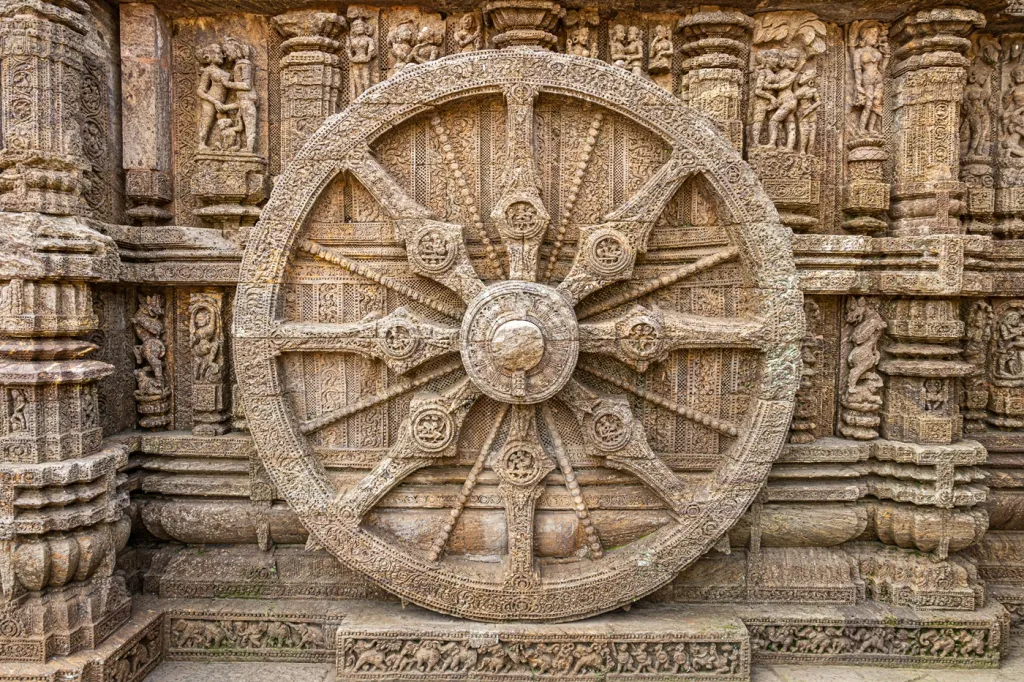
Arrive early. The best time to visit the temple on any given day is before 10 AM, when the morning light falls beautifully on the stone carvings and crowds are manageable. The intricate detailing on the wheels, horses, and friezes is best examined in good light with adequate time.
Hire a guide. The temple’s sculptural programme is extraordinarily complex, covering astronomical symbolism, mythology, and social history. A knowledgeable guide enhances the experience significantly and is available at the site.
Carry sun protection. Even in winter, Konark’s coastal location means significant sun exposure. Sunscreen, a hat, and drinking water are essential. In summer, these become critical.
Plan for the Sound and Light Show if visiting during the winter months. The show offers a well-produced overview of the temple’s history and is a worthwhile evening experience after the main daytime visit.
Book accommodation in advance if visiting during the Konark Dance Festival in December or around Magha Saptami in January–February. Both periods see high tourist volume and accommodation in and around Konark and Puri fills up quickly.
Conclusion
The best time to visit Konark Sun Temple is October to February, when Odisha’s winter climate is at its most pleasant and the coastal breeze makes exploring this extraordinary UNESCO World Heritage Site genuinely enjoyable. December is the standout month, with the Konark Dance Festival bringing together India’s finest classical dancers against the backdrop of the Sun Temple’s towering stone facade — an experience that is unlikely to be matched anywhere else in the country. Whether you are visiting for its architectural genius, its cultural significance, its festival calendar, or simply to stand before one of the ancient world’s greatest achievements in stone, Konark is best experienced with time, the right season, and a good pair of eyes.
Frenzy Holidays ensures a smooth and enriching travel experience from start to finish. Visit us at Haware Centurion, S07/34, Nerul East, Sector 19A, Nerul, Navi Mumbai, Maharashtra 400706. For bookings or more information, call +91 7400453140, email [email protected], or visit www.frenzyholidays.com.
Best Time to Visit Konark Sun Temple – FAQs
What is the best time to visit Konark Sun Temple?
The best time to visit Konark Sun Temple is from October to February when the weather in Odisha is cool and pleasant and major events like the Konark Dance Festival take place.
What are the timings of Konark Sun Temple?
Konark Sun Temple is open from sunrise to sunset daily. The on-site museum is open from 10:00 AM to 5:00 PM except on Fridays.
What is the entry fee for Konark Sun Temple?
The entry fee for Indian citizens is ₹40 and for foreign nationals is ₹600. Children below 15 years enter free of charge. SAARC and BIMSTEC country citizens are charged at the Indian rate.
What is the Konark Dance Festival?
The Konark Dance Festival is a five-day annual classical dance festival held at the open-air amphitheatre adjacent to the Sun Temple. It features performances of Odissi, Bharatanatyam, Kathak, Kuchipudi, and other Indian classical dance forms against the backdrop of the temple.
When is the Konark Dance Festival held?
The Konark Dance Festival is typically held in early December, though certain editions have been scheduled in February. Always verify dates through the official Odisha Tourism website before planning your visit.
Is photography allowed at Konark Sun Temple?
Yes, photography is allowed within the Konark Sun Temple complex free of charge. However, entry into the main structure is not permitted as it has been filled with sand to prevent structural collapse.
How far is Konark Sun Temple from Puri?
Konark Sun Temple is approximately 35 km from Puri. The journey by taxi or bus takes around one hour along the coastal road.
What is the Sound and Light Show at Konark?
The Sound and Light Show at Konark Sun Temple is held in the evenings and runs for approximately one hour. Tickets are priced at ₹40 per person and wireless headphones are provided with commentary in English, Hindi, or Odia.
What are the places to visit near Konark Sun Temple?
Chandrabhaga Beach, the Archaeological Survey of India Museum, Puri Jagannath Temple, Raghurajpur Artist Village, and Ramachandi Temple and Beach are all within easy reach of Konark Sun Temple.
How do I reach Konark Sun Temple from Bhubaneswar?
Konark is approximately 65 km from Bhubaneswar. Taxis, OSRTC buses, and private cabs cover this distance in around 1.5 hours via the coastal highway.
