
The best tourist places in Gangtok include Tsomgo Lake, Rumtek Monastery, Nathu La Pass, the MG Marg promenade, Enchey Monastery, and the Himalayan Zoological Park. Sitting at approximately 1,650 metres in the Eastern Himalayas, Gangtok is Sikkim’s vibrant capital and one of Northeast India’s most rewarding hill destinations.
Perched on a ridgeline above the Rangpo river valley in East Sikkim, Gangtok is a city that manages to be simultaneously modern and deeply traditional, a bustling state capital with excellent restaurants and busy markets that sits surrounded by some of the most dramatic Himalayan scenery in the Indian subcontinent. Within an hour’s drive of the city you can stand at the Indo-China border at Nathu La Pass, visit one of the largest monasteries of the Kagyu school of Tibetan Buddhism, or stare across open alpine meadows at the world’s third highest peak, Kanchenjunga. This guide covers the best tourist places in Gangtok across every category, from iconic landmarks and spiritual sites to day trip destinations and practical travel tips.
Confused where to go for quick escape? Let us plan it for you.
Grab the Best DealTable of Contents
Best Tourist Places in Gangtok : Quick Reference
Planning your first or next trip to the capital of Sikkim? Here is a handy snapshot of the top attractions, entry details, and key planning information for Gangtok.
| Attraction | Distance from Gangtok | Timings | Entry / Permit |
|---|---|---|---|
| Tsomgo Lake | Approx. 40 km | 8:00 AM to 4:00 PM | Protected Area Permit required |
| Nathu La Pass | Approx. 56 km | Open select days | Protected Area Permit required |
| Rumtek Monastery | Approx. 24 km | 6:00 AM to 6:00 PM | Free |
| MG Marg | City centre | Open 24 hours | Free |
| Enchey Monastery | Approx. 3 km | 6:00 AM to 6:00 PM | Free |
| Himalayan Zoological Park | Approx. 2 km | 8:00 AM to 4:00 PM | Rs 50 (Indians) |
| Hanuman Tok | Approx. 11 km | 5:00 AM to 7:00 PM | Free |
| Tashi Viewpoint | Approx. 8 km | Open all day | Free |
You can also explore our affordable Sikkim Tour Packages designed for Budget Travellers.
Best Tourist Places in Gangtok
Gangtok’s attractions span the city itself and a ring of outstanding day trip destinations across East Sikkim. The following are the definitive best tourist places in Gangtok for any visitor spending time in the city and its surroundings.
Tsomgo Lake: The Sacred Alpine Lake
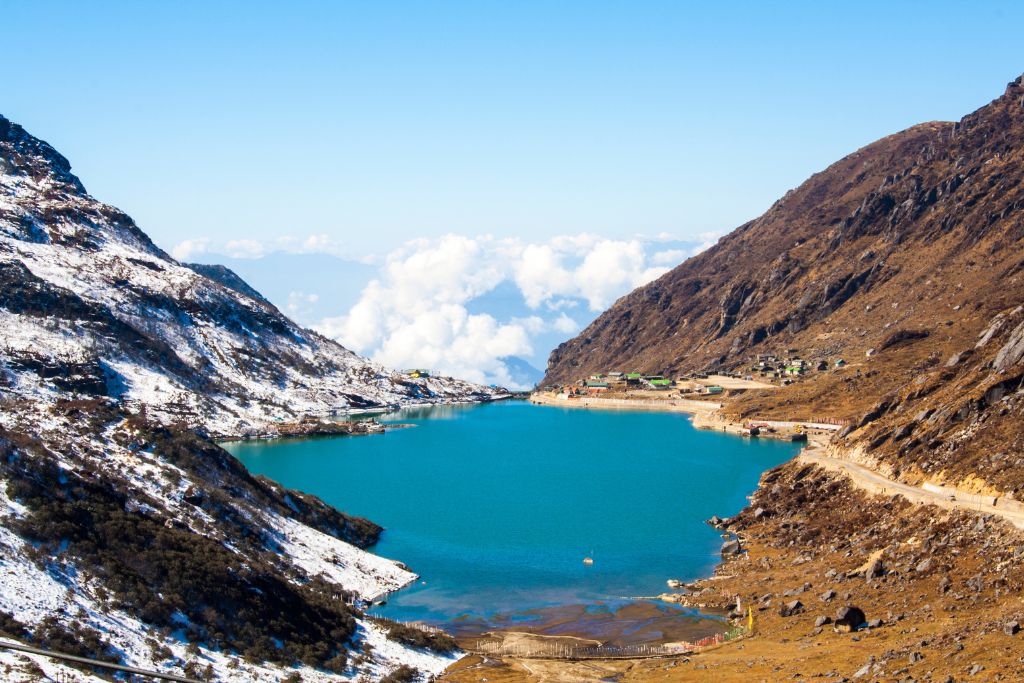
Tsomgo Lake (also called Changu Lake) is approximately 40 km from Gangtok at an altitude of 3,753 metres and is one of the most visited and most visually stunning of all the best tourist places in Gangtok. The lake is a sacred site for the local Sikkimese community and is believed to reflect the fortunes of the region in its changing colours. Surrounded by steep rocky slopes and occasionally snow-dusted peaks, the lake sits in a dramatic amphitheatre of alpine terrain that looks different in every season that’s why this place is top rated best tourist places in Gangtok.
- Tsomgo Lake is most beautiful from October to December, when snow-covered hills reflect on the clear lake surface.
- During spring, the surrounding slopes are covered with blooming rhododendrons.
- A Protected Area Permit (PAP) is mandatory for Indian nationals and can be arranged through registered tour operators in Gangtok.
- Foreign nationals require a separate permit to visit.
- Yak rides are a popular activity and easily available near the lakeside.
- Visit in the morning for clear views and better light, as afternoon mist is quite common.
Details:
- Timings: 8:00 AM – 3:00 PM
- Entry Fee: ₹40 approx. + permit
- How to Reach: ~40 km from Gangtok; 1.5–2 hours by shared taxi or private cab (only road access)
- Pro Tip: Cannot self-drive without permit; book via local travel agent
Nathu La Pass: Standing at the Indo-China Border
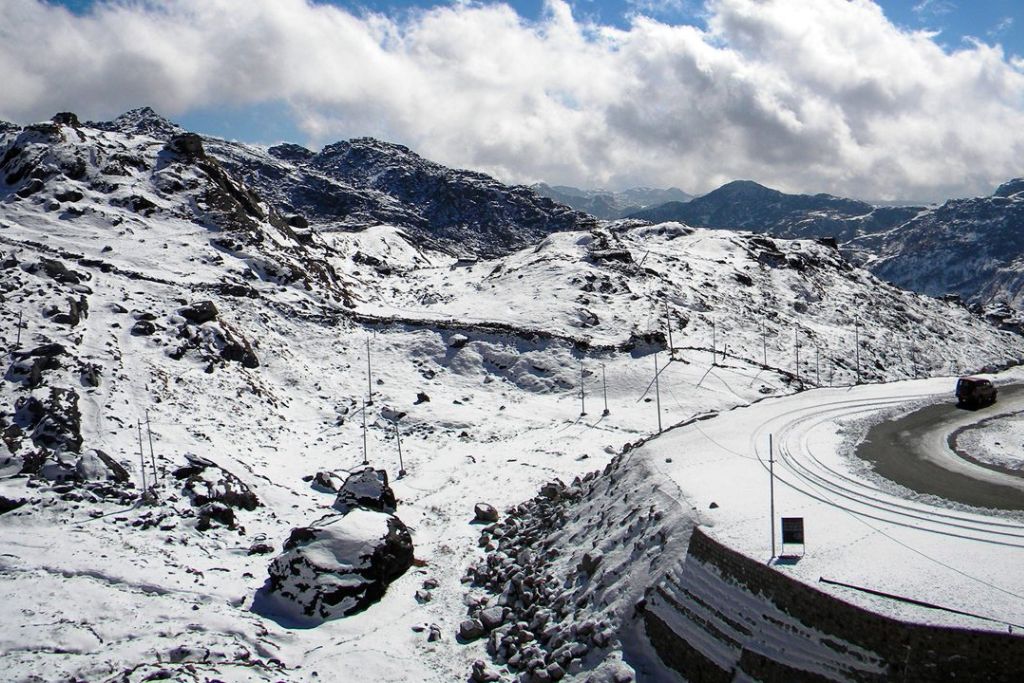
Nathu La Pass at 4,310 metres is one of the highest motorable passes in the world and the most dramatic day trip from Gangtok. Once a key segment of the ancient Silk Road trade route between India and Tibet, Nathu La was reopened for limited border trade in 2006 and remains one of the few operational land border crossing points between India and China. The pass is open to Indian tourists on select days (Wednesday to Sunday) and is closed during winter snowfall months.
- The journey from Gangtok to Nathu La Pass via Tsomgo Lake is one of the most scenic drives in the Eastern Himalayas.
- The route passes through alpine meadows, military areas, and high-altitude lakes.
- A Protected Area Permit (PAP) is mandatory and must be arranged in advance through a registered tour operator in Gangtok.
- Carry heavy woolens in all seasons, as temperatures at 4,310 metres can drop suddenly.
Details:
- Timings: 8:00 AM – 3:00 PM (Wed, Thu, Sat, Sun only)
- Entry Fee: ₹200–₹300 (permit)
- How to Reach: ~56 km from Gangtok via government-registered taxi tours only
- Pro Tip: Visit with Tsomgo Lake in same route; permits mandatory
Rumtek Monastery: The Dharma Chakra Centre
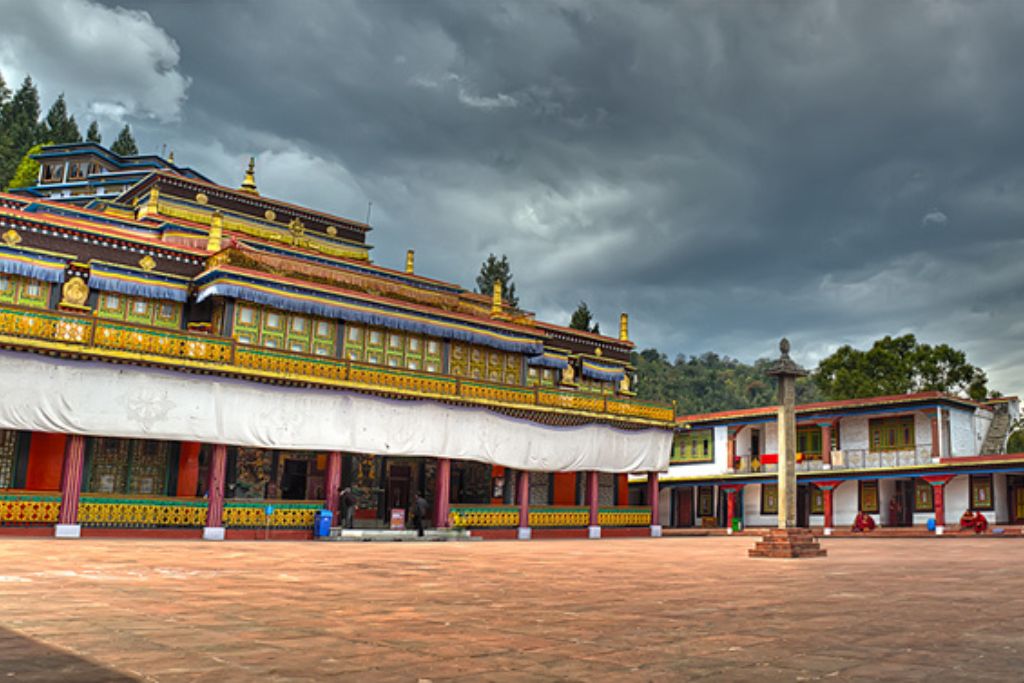
Rumtek Monastery, approximately 24 km from Gangtok, is one of the most significant monasteries of the Kagyu school of Tibetan Buddhism outside Tibet and one of the most important among all the best tourist places in Gangtok for cultural and spiritual travellers. Built in the 1960s by the 16th Gyalwa Karmapa, the monastery complex is a faithful replica of the Karmapa’s original seat in Tibet and houses a remarkable collection of religious artefacts, thangkas, and the golden stupa containing the 16th Karmapa’s relics.
- The monastery complex includes the main gompa, monks’ quarters, a golden stupa shrine, and a shedra (monastic college).
- Morning prayers around 6:00 AM offer one of the most peaceful and spiritual experiences.
- Dress modestly and always remove footwear before entering temple areas.
Details:
- Timings: 8:00 AM – 6:00 PM
- Entry Fee: ₹50 approx.
- How to Reach: ~24 km from Gangtok; 45–60 mins by taxi
- Pro Tip: Take a half-day taxi; public transport is limited
MG Marg: The Heart of Gangtok
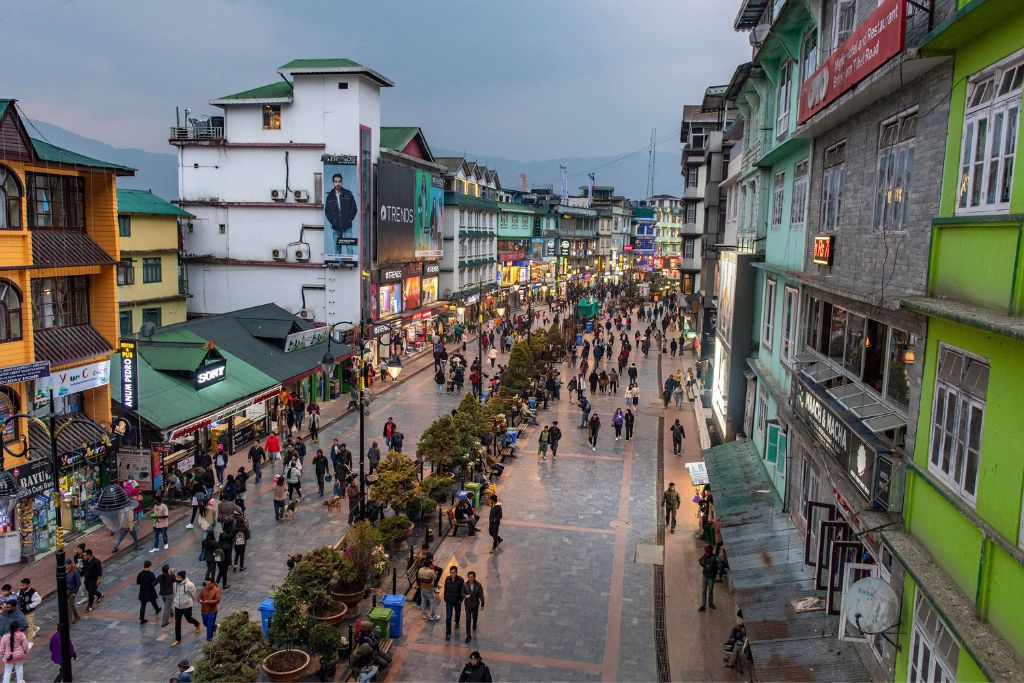
MG Marg (Mahatma Gandhi Marg) is the pedestrianised main promenade of Gangtok and the social, commercial, and cultural heart of the city. Lined with restaurants, cafes, souvenir shops, hotels, and local market stalls, MG Marg is immaculate by Indian hill town standards and is a pleasure to walk at any time of day. In the evenings it fills with locals and visitors, and the string lights and mountain backdrop create one of the most pleasant urban atmospheres in Northeast India.
The promenade is also the starting point for exploring Gangtok’s immediate neighbourhood, including the nearby Lal Bazaar, the Flower Exhibition Centre, and the main taxi stand for day trips to Tsomgo and Nathu La.
Details:
- Timings: Open all day
- Entry Fee: Free
- How to Reach: Located in Gangtok city center (walkable)
- Pro Tip: No vehicles allowed—best explored on foot
Enchey Monastery: Old Gangtok’s Spiritual Centre
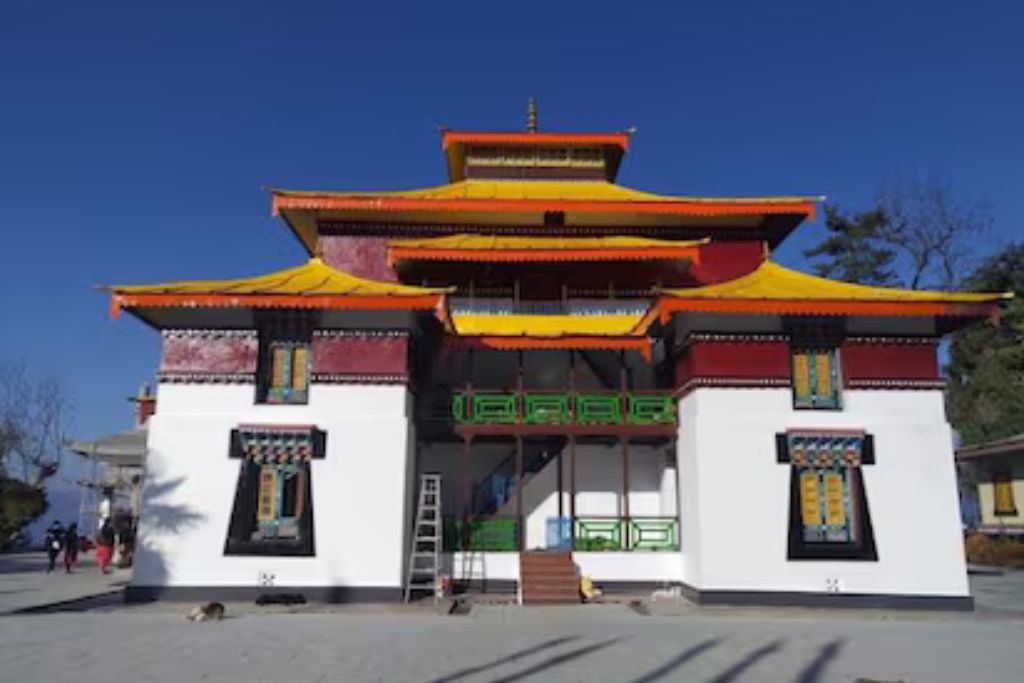
Enchey Monastery, approximately 3 km from MG Marg on a forested hilltop, is one of Gangtok’s oldest and most atmospheric monasteries. Built in the 19th century on a site blessed by the tantric master Lama Druptob Karpo, the monastery belongs to the Nyingma school of Tibetan Buddhism and is known for the Chaam dance festival held annually in December and January. The monastery’s hilltop setting and forested surroundings make it a peaceful and photogenic stop that is often overlooked by visitors focused on the more prominent Rumtek.
The views of the Kanchenjunga range from the monastery grounds on a clear morning are exceptional.
Details:
- Timings: 9:00 AM – 6:00 PM
- Entry Fee: Free
- How to Reach: ~3 km from Gangtok via taxi
- Pro Tip: Peaceful and less crowded than Rumtek
Himalayan Zoological Park: Wildlife of the Eastern Himalayas
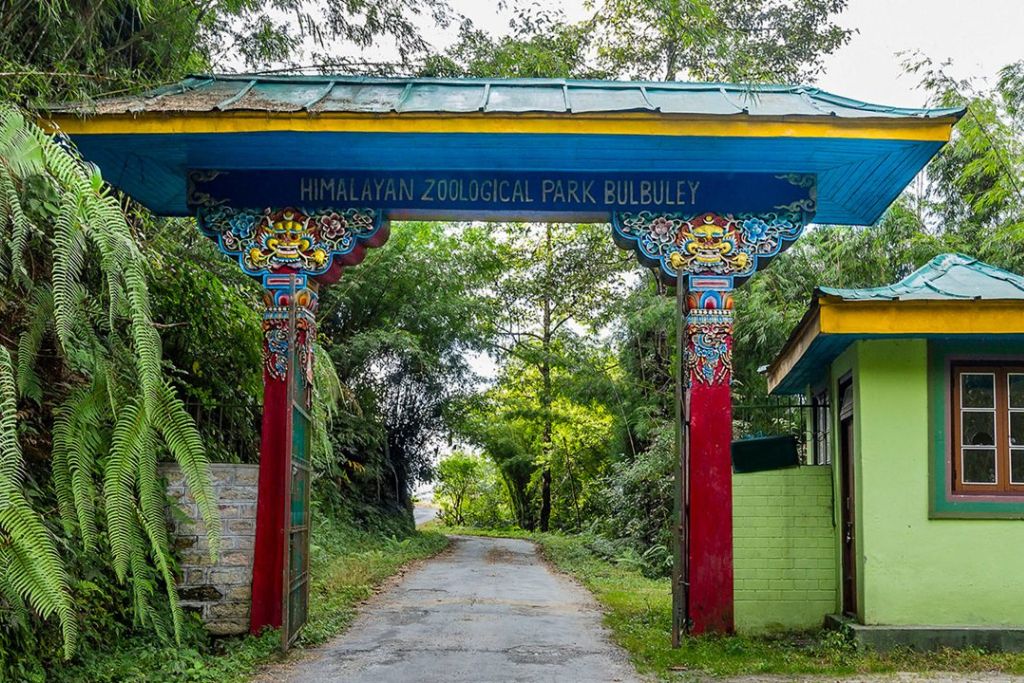
Himalayan Zoological Park, approximately 2 km from the city centre, is one of the finest high-altitude zoos in India and home to some of the Eastern Himalayas’ most iconic and endangered species. The park’s residents include the Red Panda, Snow Leopard, Tibetan Wolf, Himalayan Black Bear, and various species of Himalayan pheasants. Set across a forested hillside at around 1,780 metres, the zoo’s natural setting makes it a genuine wildlife experience rather than a conventional cage-based facility.
- The Red Panda enclosure is the highlight of Himalayan Zoological Park and offers a rare chance to see this endangered species up close.
- Plan to spend at least 2–3 hours for a complete visit of the park.
Details:
- Timings: 9:00 AM – 4:00 PM (Closed on Thursday)
- Entry Fee:
- Indians: ₹25 (Adults), ₹10 (Children)
- Foreigners: ₹50
- Vehicle: ₹40–₹100 (approx.)
- How to Reach:
- Located ~3 km from Gangtok
- Easily accessible by taxi (10–15 mins) or part of local sightseeing routes
- Time Required: 2–3 hours for full exploration
- Pro Tips:
- Wear comfortable shoes—the park involves a lot of walking on hilly terrain
- Visit in the morning for better chances of spotting animals
- Carry water and light snacks; it’s a large forest-style zoo
- Ideal for spotting rare species like Red Panda & Snow Leopard
Hanuman Tok: Serenity Above the City
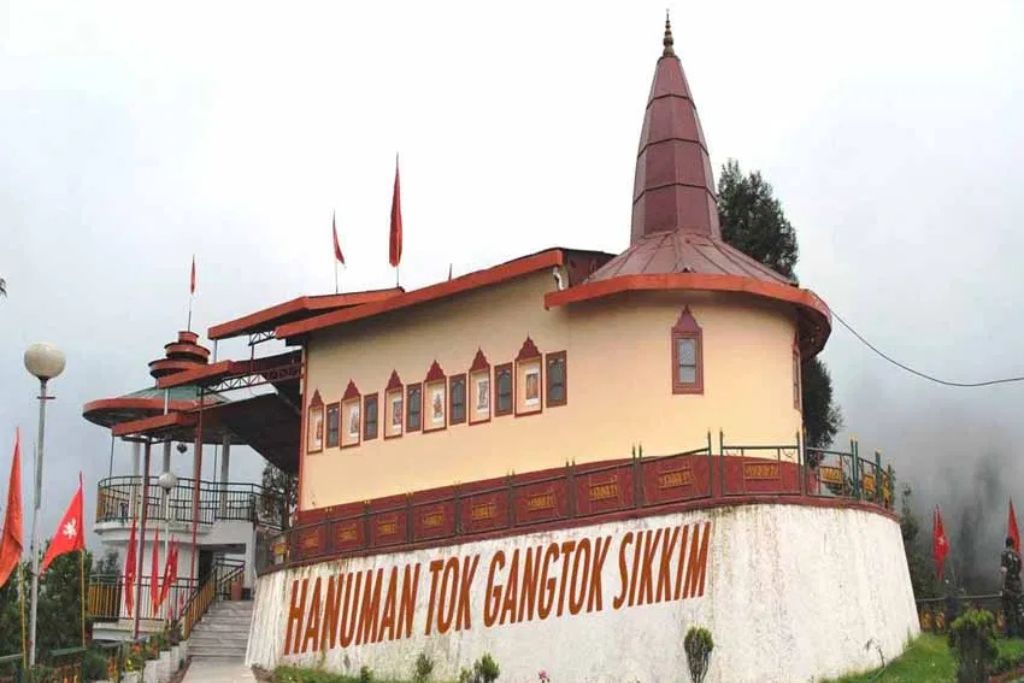
Hanuman Tok, approximately 11 km from the city centre at an altitude of approximately 2,200 metres, is a beautiful hilltop temple dedicated to Lord Hanuman that is one of Gangtok’s most beloved spiritual and viewpoint destinations. The temple is maintained by the Indian Army and is immaculately kept, with a peaceful atmosphere and outstanding views of the Kanchenjunga range and the Gangtok valley on clear days.
The drive to Hanuman Tok passes through the older residential areas of Gangtok and offers a perspective on the city’s quieter, less touristy neighbourhoods that’s why this places one of the best tourist places in Gangtok.
Details:
- Timings: 6:00 AM – 7:00 PM
- Entry Fee: Free
- How to Reach: ~11 km from Gangtok via taxi
- Pro Tip: Combine with Ganesh Tok & Tashi View Point
Tashi and Ganesh TokViewpoints
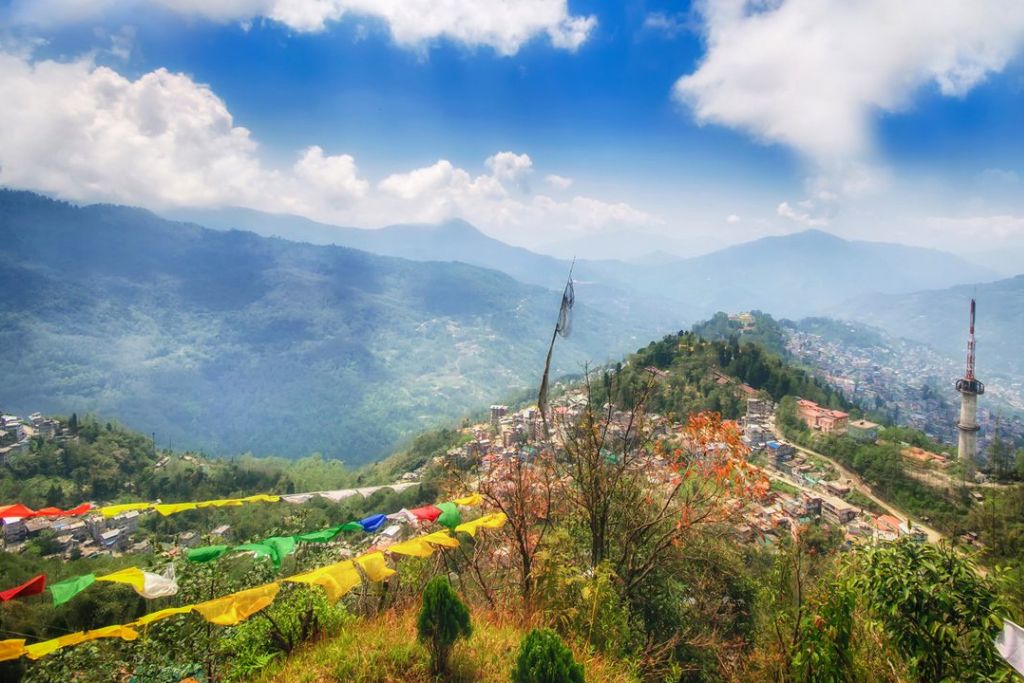
Tashi Viewpoint and Ganesh Tok, approximately 8 km from the city centre, are Gangtok’s best-known panoramic viewpoints for Kanchenjunga and the surrounding Himalayan range. Ganesh Tok sits at approximately 1,980 metres and has a small Ganesh temple alongside the viewing platform. Both viewpoints offer the finest Kanchenjunga views from within easy reach of Gangtok, particularly in the early morning before clouds build over the range.
Details:
- Timings: 6:00 AM – 7:00 PM
- Entry Fee: Free
- How to Reach: ~7 km from Gangtok via taxi
- Pro Tip: Very close to Hanuman Tok-cover together
Beyond Gangtok: Sikkim’s Wider Wonders
Gangtok is the perfect base for exploring not just East Sikkim but the broader state of Sikkim, one of India’s most spectacular and least-visited regions. Our guide to historical places in Sikkim covers the state’s most significant heritage sites, monasteries, and royal palace remains in detail, providing rich context for understanding Sikkim’s layered history beyond the city.

For travellers wanting to venture beyond the main tourist circuit, Sikkim has a remarkable range of offbeat destinations. Our guide to offbeat places in Sikkim covers the state’s most rewarding lesser-known corners, from remote monasteries in North Sikkim to tribal villages in West Sikkim that most visitors never reach.
Gangtok also makes a natural starting point for exploring the broader Northeast India travel corridor. For travellers combining Sikkim with Arunachal Pradesh, our guide on the best time to visit Ziro Valley covers one of Arunachal’s most celebrated tribal destinations in detail.
For Mumbai-based travellers planning a Sikkim trip, our guide on Sikkim tour packages from Mumbai covers the best itinerary options, transport routes, and package deals for reaching Gangtok from the Maharashtra capital.
How to Reach Gangtok?
Gangtok has no airport or railway station of its own. All access routes go through Bagdogra Airport or New Jalpaiguri (NJP) Railway Station in West Bengal, both of which are the main gateways to Sikkim.
How to Reach Gangtok by Air?
Bagdogra Airport near Siliguri, approximately 125 km from Gangtok, has regular flights from Kolkata, Delhi, Mumbai, and Bengaluru. From the airport, shared taxis and private cabs run directly to Gangtok, a journey of approximately 4 to 5 hours through the Teesta river valley and the Sikkim hills. Helicopter services operated by Pawan Hans also connect Bagdogra to Gangtok on select days, cutting travel time to approximately 30 minutes.
How to Reach Gangtok by Train?
New Jalpaiguri (NJP) Railway Station in Siliguri, approximately 120 km from Gangtok, is the nearest major railhead with connections to Kolkata, Delhi, Mumbai, and other major cities. From NJP, shared taxis and private vehicles are available to Gangtok. The drive takes approximately 4 hours via the scenic NH10 along the Teesta river.
How to Reach Gangtok by Road?
Gangtok is approximately 114 km from Siliguri by road via NH10, a drive of 3.5 to 4.5 hours. Regular shared jeep services operate from Siliguri’s SNT bus stand to Gangtok. Self-drive is possible but the mountain road requires confidence and a suitable vehicle.
Nearby Places to Visit
Gangtok sits within easy reach of some of Sikkim’s most rewarding destinations beyond the city.
- Pelling: Approximately 115 km from Gangtok in West Sikkim, Pelling offers outstanding close-range views of the Kanchenjunga range and is home to the iconic Pemayangtse Monastery and the recently developed Skywalk. It is one of Sikkim’s most popular second destinations after Gangtok.
- Lachung and Yumthang Valley: Approximately 120 km from Gangtok in North Sikkim, the Yumthang Valley is famous for the rhododendron bloom season from late March to mid-April, when the valley floor is carpeted in hundreds of varieties of wild rhododendron. A Protected Area Permit is required.
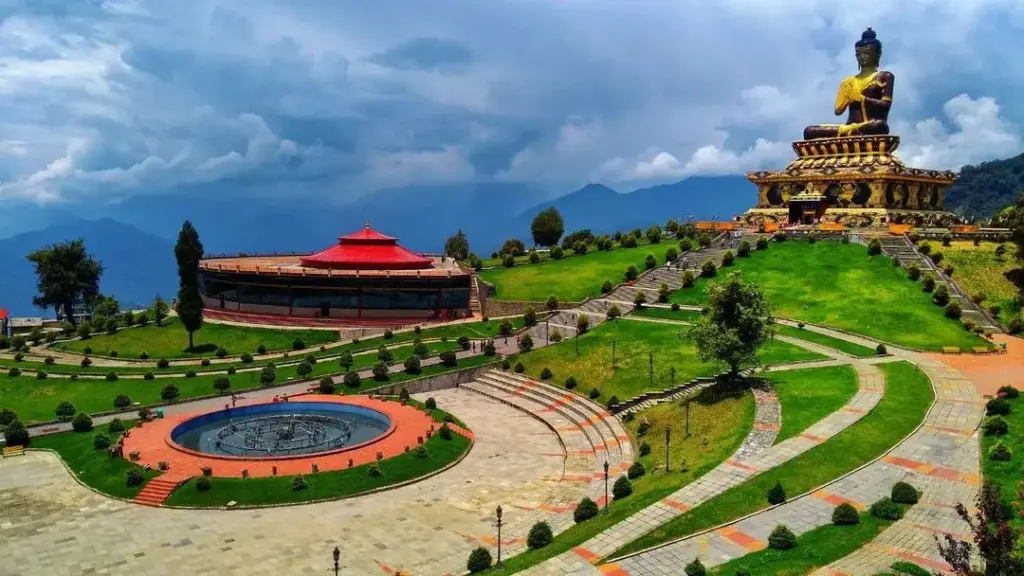
- Ravangla: Approximately 65 km from Gangtok, Ravangla is a quiet hill town in South Sikkim known for the magnificent Buddha Park with its 130-foot Shakyamuni Buddha statue and outstanding Kanchenjunga views.
- Zuluk: A remote village in East Sikkim at approximately 10,000 feet, Zuluk is one of Sikkim’s finest offbeat destinations and sits on the Old Silk Route. The zigzag road with its multiple hairpin bends and views across the Himalayan range is one of the most photographed mountain road sequences in Northeast India.
- Namchi: Approximately 78 km from Gangtok in South Sikkim, Namchi is famous for the Siddheshwar Dham complex housing a massive Shiva statue and replicas of India’s 12 Jyotirlingas, and the Samdruptse Hill with its massive Guru Padmasambhava statue.
Essential Tips for Visiting Gangtok
Gangtok is a well-developed and welcoming tourist destination, but a few practical tips will make a significant difference to your experience.
- Protected Area Permits are required for Tsomgo Lake, Nathu La Pass, and several North Sikkim destinations. These can only be obtained through registered tour operators in Gangtok and require at least one day’s advance notice. Carry multiple passport-sized photographs and your ID documents.
- Nathu La Pass is open to tourists only on Wednesday, Thursday, Saturday, and Sunday, and is closed during winter snowfall and on national holidays. Confirm the opening schedule with your tour operator before planning your itinerary.
- Altitude acclimatisation is important for visits to Tsomgo Lake (3,753 metres) and Nathu La Pass (4,310 metres). Spend at least one night in Gangtok before heading to higher elevations. Carry water, avoid overexertion, and descend if you experience severe headache or breathlessness.
- The best time to visit Gangtok and its surrounding attractions is October to May, with October to December and March to May being the finest windows for views and weather.
- Carry warm clothing at all times, particularly for Tsomgo and Nathu La visits where temperatures can drop significantly regardless of the season at lower altitudes.
- MG Marg is pedestrian-only and is most enjoyable in the evening when the promenade comes alive. The area around Lal Bazaar offers the best local food and market experiences.
- Mobile connectivity from Airtel and BSNL is generally good in Gangtok city but can be patchy on the road to Nathu La and at higher altitude destinations. Download offline maps before day trips.
- Carry sufficient cash as ATMs in Gangtok are well stocked but rare beyond the city. Remote day trip destinations have no ATM facilities.
- Book accommodation in advance for October, the April rhododendron season, and for holiday periods including Diwali and Christmas-New Year when Gangtok sees heavy visitor traffic from Bengal and the rest of India.
Also you can check out our blog about the Places to Visit in Lakhimpur Assam so that it can help you find the best places for your next trip.
Conclusion
Gangtok is one of India’s finest hill city destinations, combining a well-developed and welcoming urban atmosphere with extraordinary Himalayan scenery and a rich Tibetan Buddhist cultural heritage that is accessible, well-preserved, and deeply rewarding to explore. From the icy shores of Tsomgo Lake and the wind-swept border post at Nathu La to the prayer halls of Rumtek and the evening buzz of MG Marg, the best tourist places in Gangtok offer a complete and memorable Himalayan experience.
Give yourself at least 4 to 5 days to cover the main attractions comfortably, arrange your Protected Area Permits in advance, and leave room in your itinerary for a longer Sikkim circuit. This extraordinary little state has far more to offer than its size suggests.

At Frenzy Holidays, we help you plan exceptional travel experiences across Sikkim and Northeast India. Reach out to us at [email protected], call us at 074004 53140, or visit us at Frenzy Holidays, Haware Centurion, S07/34, Nerul East, Sector 19A, Nerul, Navi Mumbai, Maharashtra 400706, and we will take care of every detail of your Gangtok journey.
Best Tourist Places in Gangtok: FAQs
What are the best tourist places in Gangtok?
Tsomgo Lake, Nathu La Pass, Rumtek Monastery, MG Marg, Enchey Monastery, Himalayan Zoological Park, Hanuman Tok, and Tashi Viewpoint are the top attractions.
How many days are ideal to visit best tourist places in Gangtok?
4 to 5 days is ideal for covering the main city attractions and key day trips including Tsomgo Lake and Nathu La Pass comfortably.
Do I need a permit to visit Tsomgo Lake and Nathu La?
Yes. A Protected Area Permit is required for both. It can only be obtained through a registered tour operator in Gangtok and requires advance notice and ID documents.
What is the best time to visit best tourist places in Gangtok?
October to December and March to May are the best windows for clear skies and comfortable weather. October offers the finest Kanchenjunga views of the year.
How do I reach Gangtok?
Fly to Bagdogra Airport near Siliguri and take a shared or private taxi to Gangtok, approximately 4 to 5 hours. Alternatively, take a train to New Jalpaiguri and hire a taxi onward.
Is Nathu La Pass open throughout the year?
No. Nathu La is open on Wednesday, Thursday, Saturday, and Sunday only and closes during heavy winter snowfall. Confirm dates with your tour operator before visiting.
What wildlife can I see at the Himalayan Zoological Park?
Red Panda, Snow Leopard, Tibetan Wolf, and Himalayan Black Bear are among the key species. The Red Panda enclosure is the most popular section.
What should I pack for a Gangtok trip?
Warm layers for high-altitude day trips, comfortable walking shoes, a light rain jacket, sunscreen, and sufficient cash for remote destinations beyond the city.
Is Gangtok safe for solo travellers?
Yes. Gangtok is one of the safest hill cities in India and is welcoming to solo travellers, including solo women travellers.
Can I combine Gangtok with Darjeeling?
Yes. Darjeeling is approximately 95 km from Gangtok and is easily combined on a 7 to 10 day Northeast circuit covering both destinations.
