
The best time to visit Vietnam is not a single answer because Vietnam is a long, narrow country where the climate shifts dramatically from north to south. When Hanoi is cold and dry, Ho Chi Minh City is warm and sunny. When the central coast around Hoi An is battered by typhoon rains in October, the south is entering its finest dry season. Getting the timing right means knowing which part of the country you plan to visit and matching it to the right months.
This guide covers what is the best time to visit Vietnam in grouped seasonal windows, with temperature, weather, things to do, and practical tips for Indian travelers planning a Vietnam trip in 2026.
Confused where to go for quick escape? Let us plan it for you.
Grab the Best DealTable of Contents
What is the Best Time to Visit Vietnam: Quick Overview
February to April is the most universally rewarding window for a full north-to-south Vietnam itinerary, with good weather available across all three regions simultaneously. For the south and Mekong Delta, November to April is the dry season sweet spot. For Halong Bay and the north, October to April is best. For the central coast, February to August before the typhoon season arrives.
| Region | Best Months | Avoid | Temperature |
| North Vietnam (Hanoi, Halong Bay, Sapa) | Oct to April | May to Sep (hot and wet) | 15 to 32 degrees C |
| Central Vietnam (Hoi An, Hue, Da Nang) | Feb to August | Oct to Jan (typhoon rains) | 20 to 35 degrees C |
| South Vietnam (Ho Chi Minh City, Mekong) | Nov to April | May to Oct (monsoon) | 25 to 35 degrees C |
Vietnam is one of the most rewarding Southeast Asia destinations for Indian travelers. Our guide on International Tour Packages from Mumbai covers fully planned Vietnam itineraries. For travelers combining Vietnam with Thailand, our Thailand Tour Packages from Mumbai guide covers the best two-country combination options.
Understanding Vietnam’s Climate
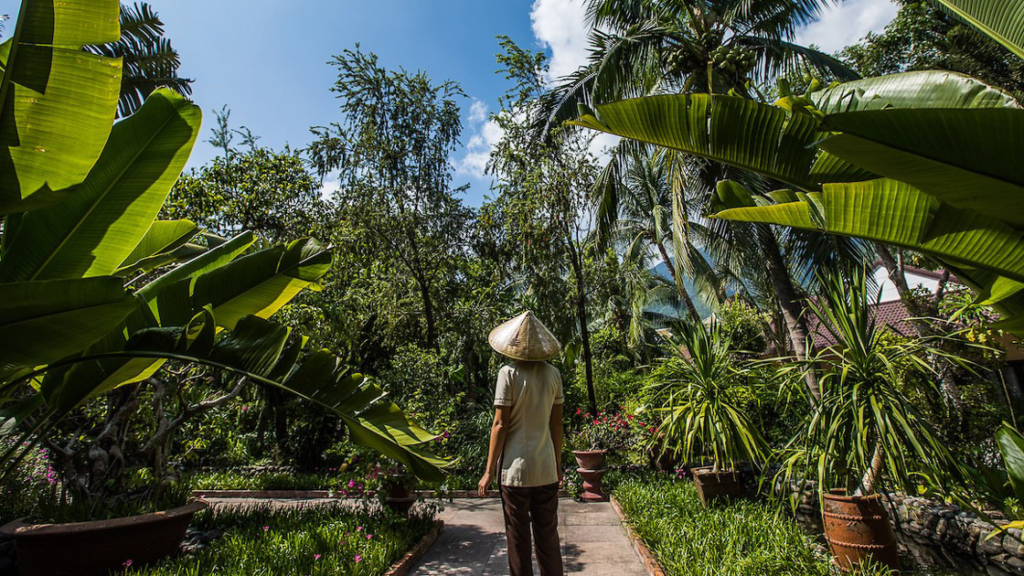
Vietnam stretches 1,650 km from north to south and is governed by two distinct monsoon systems. The southwest monsoon hits the south and central highlands from May to October. The northeast monsoon brings rain to the central coast from October to January. The far north around Hanoi has a subtropical climate with a cool dry winter and a hot rainy summer. Knowing which region you are visiting is the most important step in deciding what is the best time to visit Vietnam.
January to March in Vietnam

January to March is the most rewarding window for what is the best time to visit Vietnam across all three regions simultaneously. January is dry in the south and cool in the north, though Tet (Lunar New Year) in late January or February causes hotels to book out and businesses to close, so confirming dates before booking is essential. February is the finest single month for a complete Vietnam itinerary, and March marks peak season with Halong Bay at its best and beach resorts filling up across the coast.
- Temperature: 16 to 22 degrees C in Hanoi; 26 to 32 degrees C in Ho Chi Minh City
- Weather: Dry and sunny across the south; cool and clear in the north; central coast clearing from its rainy season by February
- Things to Do: Cruise Halong Bay under clear skies; cycle the countryside around Hoi An; trek the Sapa rice terraces; explore Ho Chi Minh City and the Mekong Delta; visit Hue’s imperial citadel and royal tombs
- Best for: All regions; Halong Bay cruises; Hoi An; beach holidays; full north-to-south itineraries
- Avoid if: You want to avoid peak season crowds, which are highest in February and March
April to June in Vietnam
April remains excellent across the north and central regions as crowds thin from the March peak. From May onward, the southwest monsoon arrives in the south and the north heats up, making the central coast around Hoi An, Hue, and Da Nang the most rewarding region for what is the best time to visit Vietnam in this window. June brings deep monsoon in the south but the central coast stays relatively dry, with Da Lat in the Central Highlands offering cooler temperatures as an inland alternative.
- Temperature: 24 to 32 degrees C in Hanoi; 29 to 36 degrees C in Ho Chi Minh City
- Weather: April warm and clear; May monsoon arrives in the south with afternoon heavy showers; June hot and humid in north and south; central coast relatively dry throughout
- Things to Do: Explore Hoi An and Da Nang on the central coast; visit the ancient capital of Hue; take a cooking class in Hoi An; travel the Reunification Express between Ho Chi Minh City and Da Nang; hike in Da Lat in the cooler Central Highlands
- Best for: Central Vietnam, budget travel, Hoi An, Da Nang, Da Lat highlands
- Avoid if: You want beach holidays in the south or a full-country itinerary
July to September in Vietnam
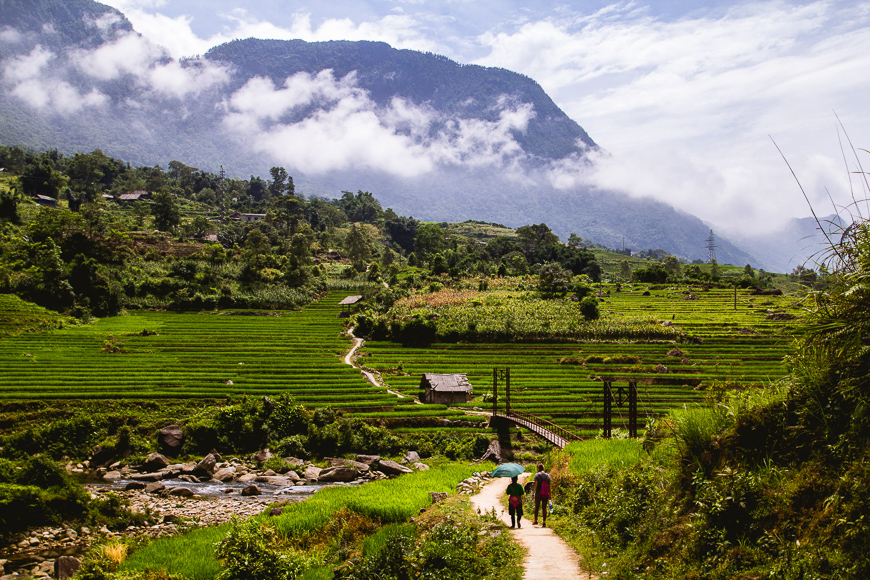
July to September is the peak monsoon season and the period least recommended for a full-country Vietnam itinerary, though Sapa turns extraordinarily green and the rice harvest terraces become the most dramatic landscape in the country. July and August are the heaviest months, best for Sapa green season photography and the monthly Full Moon Lantern Festival in Hoi An. September is the most underrated month of this window: the monsoon begins easing, the Mu Cang Chai harvest terraces reach their finest gold, and Hanoi returns to comfortable temperatures.
- Temperature: 28 to 35 degrees C across most regions; cooler in Sapa at altitude
- Weather: Heavy monsoon rains in south and north; central coast enters typhoon season from July; Sapa intensely green with mist-covered terraces
- Things to Do: Trek in Sapa for the most dramatic green terrace scenery of the year; photograph the Mu Cang Chai rice harvest terraces in September; attend the Full Moon Lantern Festival in Hoi An; explore Vietnamese museums and indoor cultural sites
- Best for: Sapa rice harvest photography, budget travel, Hoi An Lantern Festival, Hanoi in September
- Avoid if: You want beach holidays, central coast travel, or a guaranteed rain-free trip
October to December in Vietnam
October to December is one of the finest windows for what is the best time to visit Vietnam in the north and south as the monsoon retreats, though the central coast faces heavy typhoon-driven rains through October and November before clearing completely in December. October is excellent for Hanoi, Halong Bay, and Ho Chi Minh City, with the Sapa rice harvest at peak golden colour in early October. December is outstanding across all regions: Halong Bay at its clearest cruise conditions, Ho Chi Minh City warm and dry, Hoi An glowing after the rains, and Phu Quoc beaches at their best.
- Temperature: 18 to 25 degrees C in Hanoi; 26 to 30 degrees C in Ho Chi Minh City
- Weather: North and south drying out through October; central coast heavy typhoon-driven rains in October and November; full dry season across all regions by December
- Things to Do: Cruise Halong Bay as the bay reaches its finest conditions; explore Ho Chi Minh City and the Cu Chi Tunnels; visit the beach resorts of Phu Quoc and Da Nang in December; take the Reunification Express; explore Hoi An Ancient Town in the clear dry season light
- Best for: Halong Bay, Ho Chi Minh City, Mekong Delta, Phu Quoc, all-country itineraries in December
- Avoid if: You are visiting the central coast in October or early November
What is the Best Time to Visit Vietnam by Activity
- For Halong Bay Cruises: October to April; February and March for the clearest skies and calmest waters.
- For Sapa Trekking and Rice Terraces: March to May for clear mountain air; September to October for the rice harvest and most dramatic green scenery.
- For Beach Holidays (Da Nang, Nha Trang, Phu Quoc): March to August for the central coast; November to April for the south and Phu Quoc.
- For Ho Chi Minh City and Mekong Delta: November to April, well within the dry season.
- For Hoi An and Hue: February to August before the typhoon and rain season arrives from October.
- For Budget Travel: May, June, and September offer the lowest prices with still-rewarding regional options available.
- For Tet Festival: Late January or February. Book accommodation months ahead as hotels fill across the country.
Places You Should Not Miss While Exploring Vietnam
- Halong Bay: Thousands of limestone karsts rising from emerald water in the Gulf of Tonkin. Best experienced on a 2 to 3 night cruise. Best conditions October to April.
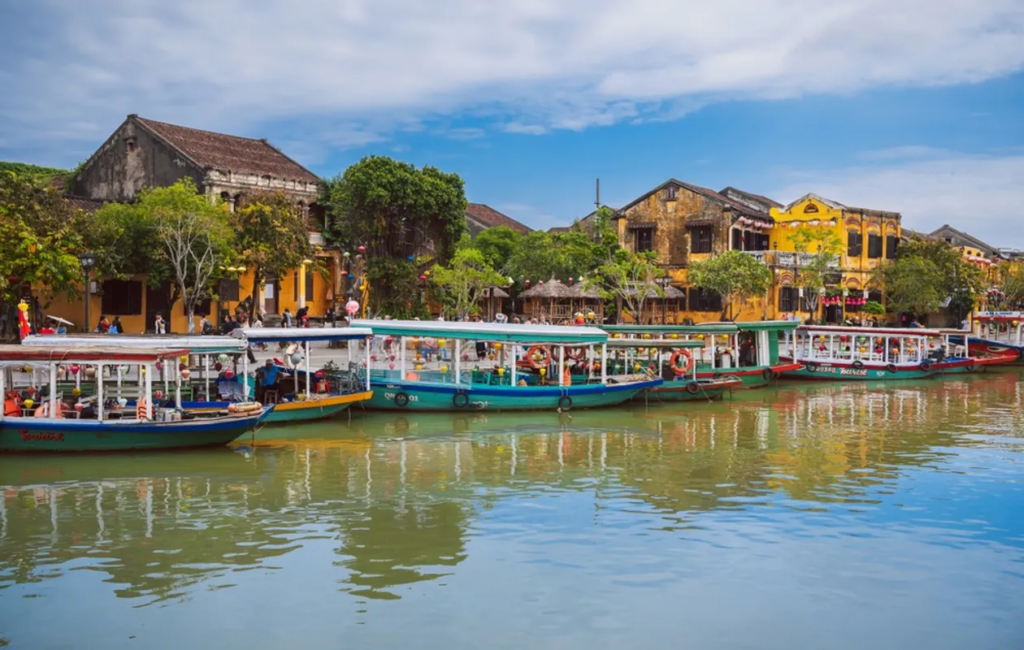
- Hoi An Ancient Town: A UNESCO-listed trading port with lantern-lit streets, tailor shops, and some of the finest food in Southeast Asia.
- Hue: Vietnam’s imperial capital with a vast citadel, royal tombs along the Perfume River, and the finest traditional Vietnamese cuisine in the country.
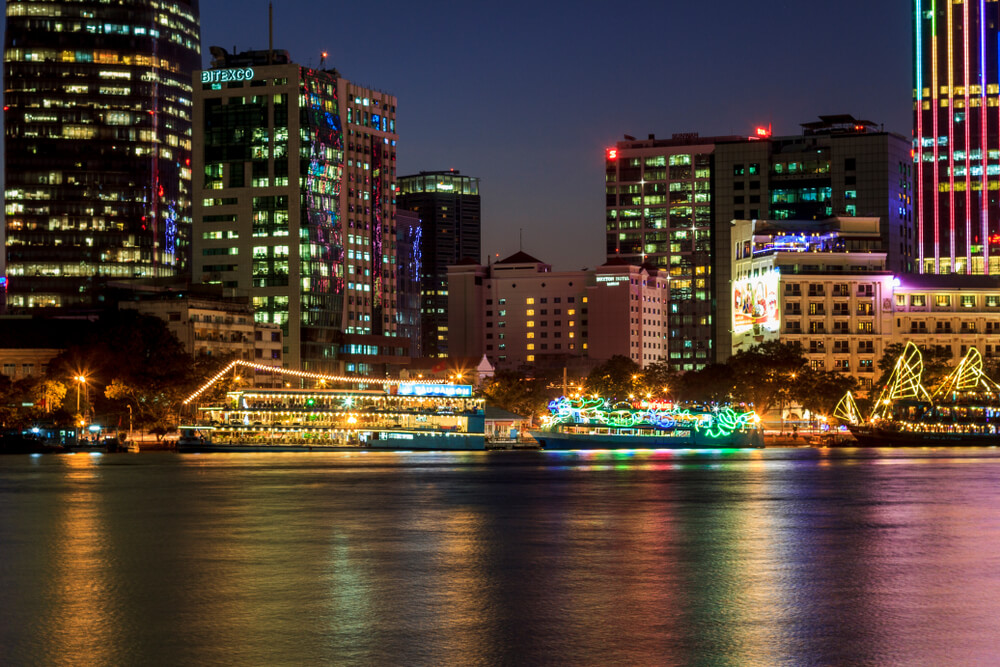
- Ho Chi Minh City (Saigon): The country’s most energetic city with the War Remnants Museum, Reunification Palace, and a street food scene that never stops.
- Sapa and the Northern Highlands: Dramatic rice terraces carved into mountain slopes, home to Hmong and Red Dao hill tribes. Best accessed from Hanoi by overnight train.
- Phong Nha-Ke Bang National Park: Home to the world’s largest cave system including Son Doong, the single largest cave on earth. Central Vietnam.
- Mekong Delta: A vast river delta south of Ho Chi Minh City, best explored by boat through floating markets and coconut palm waterways.
- Phu Quoc Island: Vietnam’s largest island with white sand beaches and clear water. Best from November to April.
Conclusion
What is the best time to visit Vietnam is best answered by region first and season second. For most Indian travelers doing a full north-to-south itinerary, February to April is the safest and most rewarding window. September is excellent for the north while the south remains accessible. December is strong for all regions. Plan around where you want to go, confirm Tet dates before booking, and allow at least 10 to 14 days to cover both the north and south properly.

Frenzy Holidays ensures a smooth and enriching travel experience from start to finish. You can visit us at Haware Centurion, S07/34, Nerul East, Sector 19A, Nerul, Navi Mumbai, Maharashtra 400706. For bookings or more information, call +91 7400453140, email [email protected], or visit www.frenzyholidays.com. So pack up and explore the world with Frenzy Holidays for an unforgettable journey.
What is the Best Time to Visit Vietnam: FAQs
What is the best time to visit Vietnam?
February to April for a full north-to-south trip. November to April for the south. October to April for Halong Bay. February to August for the central coast.
What is the best month to visit Vietnam?
February and March are the most universally rewarding months with good weather across all regions.
When is the monsoon season in Vietnam?
South monsoon runs May to October. Central coast monsoon runs October to January. North wet season runs May to September.
Is Vietnam good to visit in December?
Yes. December is excellent across all regions and one of the best months for a first-time Vietnam visit.
What is Tet and when does it happen?
Tet Nguyen Dan is the Vietnamese Lunar New Year. It falls in late January or early February. Hotels book out and many businesses close for up to a week.
When is the best time to cruise Halong Bay?
October to April, with February and March the finest months for clear skies and calm water.
When should I visit Hoi An?
February to August. Avoid October and November when the central coast receives heavy typhoon-driven rainfall.
Is Sapa good to visit in monsoon?
Yes for photography. The rice terraces are most dramatically green from July to September, with the harvest season peaking in September to October.
Do Indian travelers need a visa for Vietnam?
Yes. Indian passport holders can apply for a Vietnam e-visa online before travel, valid for 90 days.
What is the cheapest time to visit Vietnam?
May, June, and September offer the lowest prices as tourist numbers drop significantly during the monsoon season.
