
Monsoon in South India is a time of renewal, where lush landscapes come to life and scenic beauty reaches its peak. The rains transform the already picturesque region into a vibrant paradise, making it an ideal time for nature lovers, adventure seekers, and those wanting to escape the ordinary. Whether you’re looking for a serene getaway or a thrilling adventure, best places to visit in monsoon in South India offer something for everyone.
In this article, we’ll explore the most stunning locations to visit in South India during the rainy season. From the mist-covered hills of Kerala to the verdant landscapes of Karnataka, South India’s monsoon season brings out the magic of its natural beauty. Let’s dive into the must-visit destinations during this enchanting time of year.
Confused where to go for quick escape? Let us plan it for you.
Grab the Best DealTable of Contents
Why Visit South India in Monsoon?
June arrives and something shifts – the heat breaks, the landscapes transform almost overnight, and the region reveals a version of itself that the December crowd never quite gets access to. Misty mountains, waterfalls running at full force, forests so green they look slightly unreal. It’s the kind of seasonal change that reminds you why people have been writing about the Southwest monsoon for centuries.
The practical side works in your favour too. Fewer tourists means the best places to visit in monsoon in South India – the hill stations, the backwaters, the coastal towns – are all running at a quieter, more authentic frequency. Accommodation prices drop, the famous viewpoints aren’t crowded, and the experience feels less like a managed tourist circuit and more like actually being somewhere. Kerala’s backwaters take on a different mood entirely in the rains. Tamil Nadu’s hill stations go deeply misty and cool. Karnataka’s waterfalls reach their peak. Andhra’s coastline gets dramatic. Four states, one season, and each of them doing something specific and beautiful with the monsoon that the rest of the year simply doesn’t offer.
Best Places to Visit in Monsoon in South India
June to September is the window – four months where South India is simultaneously at its most lush, most affordable, and most genuinely itself. This guide covers the best places to visit in monsoon in South India – not just where to go, but why the season makes each destination worth visiting specifically now.
Munnar
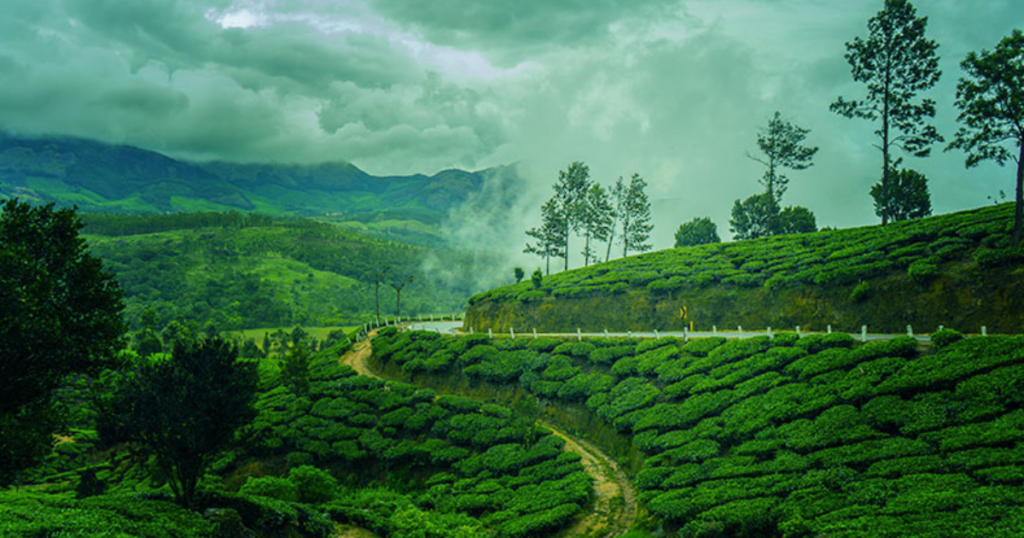
Munnar in monsoon is the version of the place that earned it the Kashmir of South India comparison – and unlike most such comparisons, this one holds up.
The tea gardens go a shade of green in the rains that photographs genuinely struggle to capture accurately. Mist sits low over the estates through most of the morning, waterfalls appear on hillsides that were dry two months ago, and Attukal Falls specifically transforms from a pretty cascade into something considerably more dramatic. The cool, damp air and the smell of wet tea leaves together create an atmosphere that’s specific to this place and this season.
For nature walks, plantation tours, and simply sitting somewhere beautiful while it rains outside – Munnar in monsoon handles all of it without effort.
How to Reach:
- Nearest airport is Cochin International (110 km); hire a cab or take a bus from Ernakulam
- Well connected by road from Kochi, Coimbatore, and Madurai – scenic drive through the ghats
Things to Do in Munnar:
- Tea plantation walks, Attukal and Cheeyappara waterfall visits, Eravikulam National Park
- Boating at Kundala Lake, spice garden tours, photography walks through estate roads
Tourist Attractions in Munnar:
- Top Station, Mattupetty Dam, Echo Point, Tea Museum
- Anamudi Peak, Chinnar Wildlife Sanctuary, Lockhart Gap viewpoint
Where to Stay:
- Budget: Pepper Green Village homestays, local guesthouses in town for comfortable, affordable stays
- Luxury: Windermere Estate, Tea County Resort – both offer stunning valley views
Explore the beauty of Kerala with our Kerala tour package from Mumbai book now and enjoy the peaceful backwaters, beautiful beaches, and lush greenery!
Wayanad
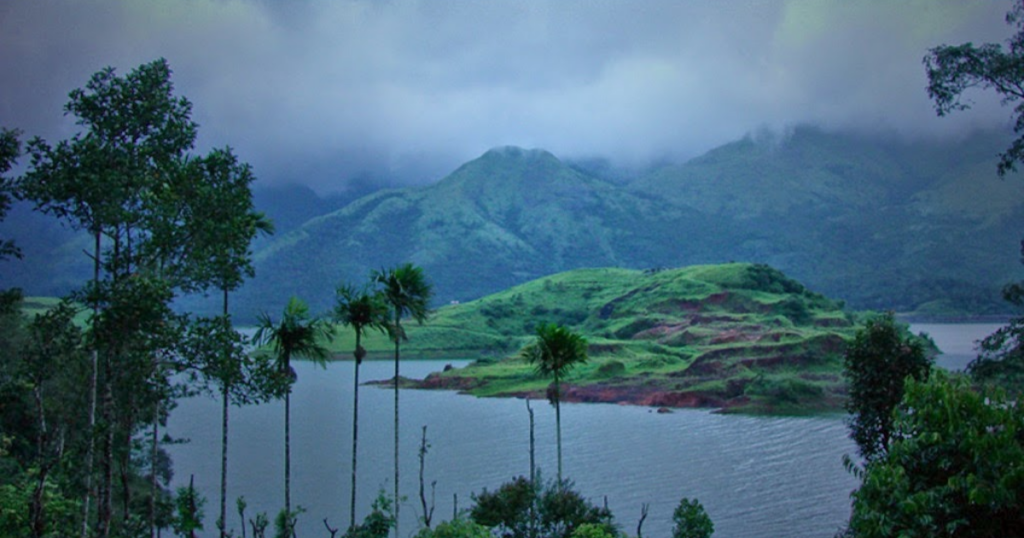
The forests here are dense year-round, but the rains push everything into a different register entirely – deeper green, more layered, alive in a way that the dry months don’t quite replicate. Mist moves through the tree canopy constantly, streams appear along roadsides that weren’t there in April, and the whole district takes on an atmosphere that’s equal parts mysterious and deeply peaceful.
Soochipara Falls in monsoon is the standout – powerful, surrounded by forest, the kind of waterfall that makes you stand at a distance and just watch for a while before doing anything else. Pookode Lake reflects monsoon skies beautifully, and the surrounding vegetation at this time of year frames it in a way that feels almost staged. Edakkal Caves add a historical and archaeological layer to what is otherwise a nature-focused destination – ancient rock engravings inside cave formations that somehow feel more atmospheric when approached through monsoon forest.
How to Reach:
- Nearest airport is Calicut International (95 km); cab or bus connections available
- Well connected by road from Kozhikode, Mysuru, and Bengaluru
Things to Do in Wayanad:
- Trekking to Chembra Peak, waterfall visits, wildlife safaris in Wayanad Wildlife Sanctuary
- Bamboo rafting, spice plantation tours, early morning nature walks through coffee estates
Tourist Attractions in Wayanad:
- Edakkal Caves, Soochipara Falls, Pookode Lake, Banasura Sagar Dam
- Thirunelli Temple, Muthanga Wildlife Sanctuary, Phantom Rock viewpoint
Where to Stay:
- Budget: Wayanad homestays and forest lodges around Kalpetta for comfortable, affordable options
- Luxury: Vythiri Resort, Tranquil Plantation Hideaway – both offer immersive forest experiences
Coorg
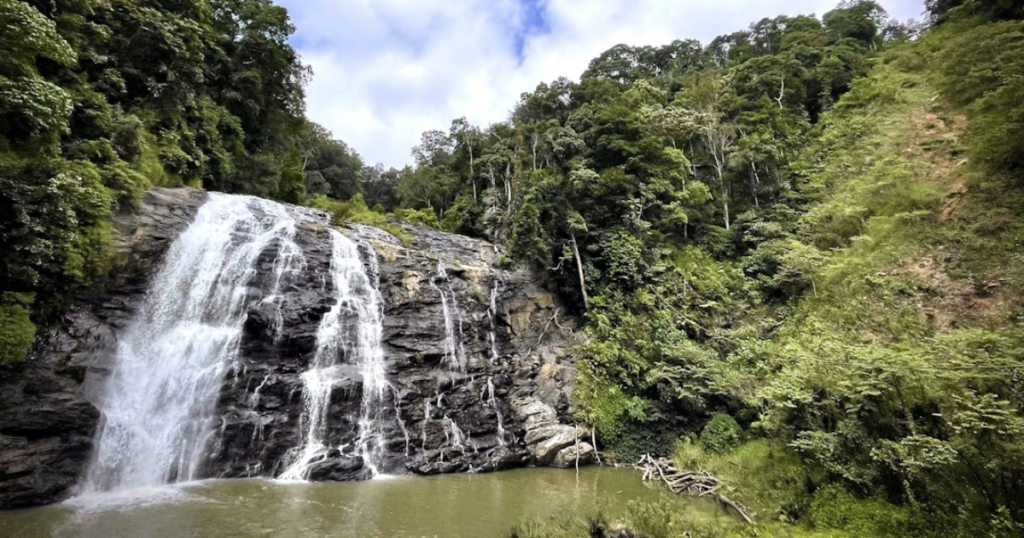
The Scotland of India comparison gets thrown around casually – but stand in a coffee plantation during a heavy June shower, the smell of wet earth mixing with roasting coffee from somewhere nearby, mist sitting low over the Western Ghats, everything around you a shade of green that feels slightly too saturated to be real, and the comparison earns itself completely.
Abbey Falls and Iruppu Falls hit their peak during the rains – not gentle cascades but proper, powerful waterfalls surrounded by dripping forest that look entirely different from their dry season versions. The drive between estates, winding through mist and coffee trees, becomes part of the experience rather than just getting from one place to another.
Dubare Elephant Camp adds something genuinely special to a monsoon Coorg visit – elephants in a forest setting, rain falling, the whole scene unhurried and surprisingly intimate for a popular attraction.
How to Reach:
- Nearest airport is Mangalore (160 km) or Mysuru (120 km); cabs and buses available from both
- Well connected by road from Bengaluru (250 km) – a scenic drive through the ghats
Things to Do in Coorg:
- Waterfall visits, coffee and spice plantation tours, trekking through forest trails
- Dubare Elephant Camp, river rafting on the Barapole, bird watching in Brahmagiri Wildlife Sanctuary
Tourist Attractions in Coorg:
- Abbey Falls, Iruppu Falls, Raja’s Seat, Namdroling Monastery
- Talakaveri (source of the Kaveri river), Madikeri Fort, Pushpagiri Wildlife Sanctuary
Where to Stay:
- Budget: Coorg homestays and estate bungalows around Madikeri for comfortable, affordable stays
- Luxury: Orange County Resort, Evolve Back – both offer immersive plantation experiences
Agumbe
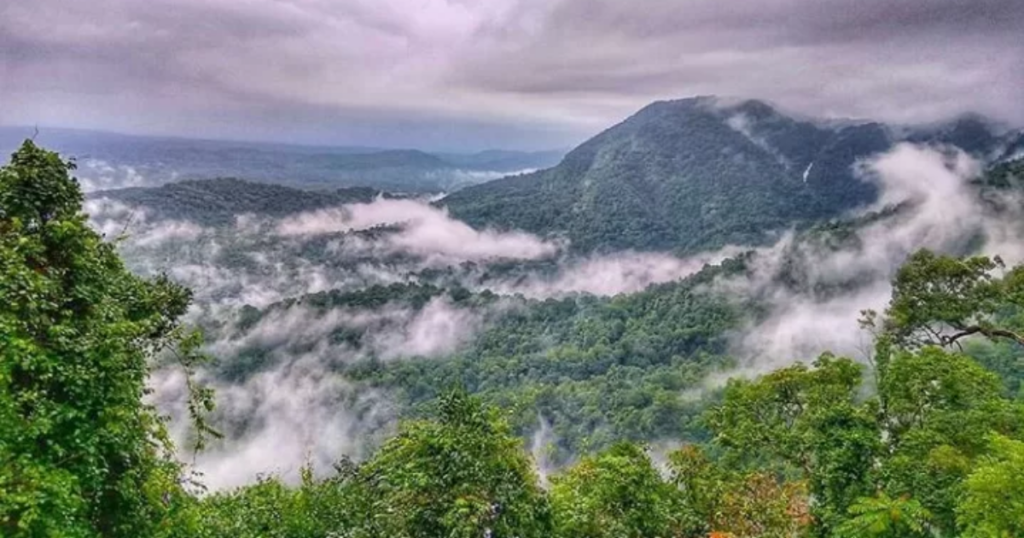
Karnataka’s answer to Cherrapunji, it receives some of the heaviest rainfall in peninsular India, and the rainforest that results is genuinely extraordinary. Not managed forest or plantation – actual, dense, layered rainforest where the canopy closes overhead and the ground stays permanently wet and the whole ecosystem operates at a intensity that drier landscapes simply don’t produce.
The King Cobra connection gives Agumbe a specific identity that no other destination in South India shares. The Agumbe Rainforest Research Station has been running King Cobra conservation work here for years, and nature walks with knowledgeable guides occasionally produce sightings that most wildlife enthusiasts spend entire careers hoping for. Even without a sighting, walking through forest that actively supports the world’s longest venomous snake changes how you move through it.
The sunset viewpoint at Agumbe is famous enough to have earned its own reputation – dramatic, west-facing, with the Arabian Sea visible on clear evenings and monsoon clouds producing colour that fair-weather sunsets rarely match.
How to Reach:
- Nearest major town is Udupi (55 km) or Shimoga (90 km); cab hire recommended
- Accessible by road from Mangalore and Bengaluru – the ghat road into Agumbe is part of the experience
Things to Do in Agumbe:
- Guided rainforest walks, King Cobra spotting, sunset viewpoint visits
- Waterfalls trekking – Barkana and Jogigundi falls are both worth the effort in monsoon
Tourist Attractions in Agumbe:
- Barkana Falls, Sunset View Point, Agumbe Rainforest Research Station
- Onake Abbi Falls, Kundadri Hills, Someshwara Wildlife Sanctuary
Where to Stay:
- Basic guesthouses and forest lodges available for budget travellers
- Doddamane heritage homestay – the most famous stay in Agumbe, historically significant and warmly run
Kodaikanal
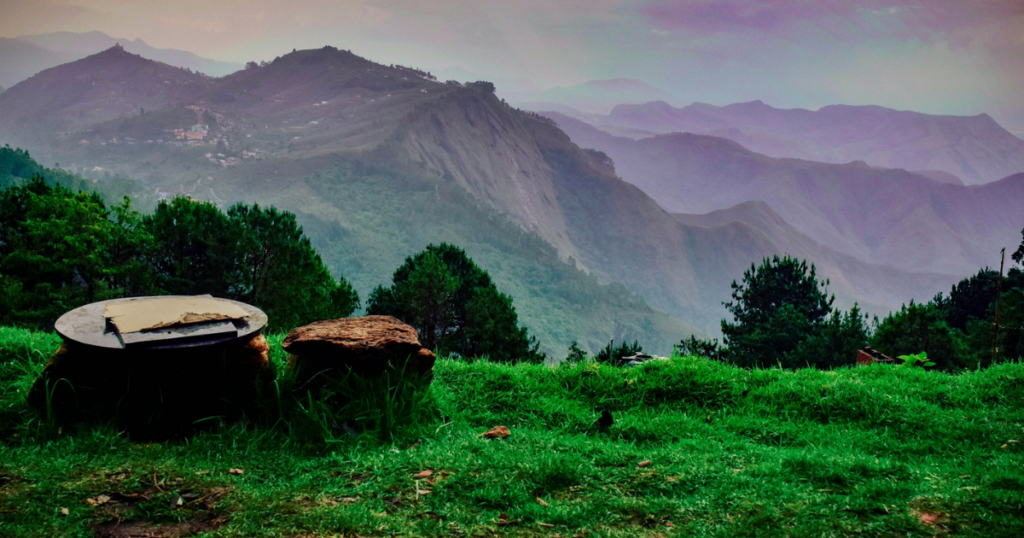
The mist here during the rains isn’t occasional – it’s constant, rolling through the valleys and across the lake in a way that makes the whole hill station feel slightly removed from the rest of the world. Cool air, dense shola forests, the smell of eucalyptus and wet pine needles. It’s the kind of atmosphere that arrives without effort and stays for days.
A boat ride on Kodai Lake surrounded by misty hills is the kind of simple experience that stays with you longer than more elaborate activities tend to. Dolphin’s Nose trek in monsoon cloud delivers panoramic Western Ghats views that appear and disappear as mist rolls through – sometimes crystal clear, sometimes nothing but white. Both versions are worth experiencing.
The rain-slicked paths through town, the empty viewpoints on weekday mornings, the warm meals in small restaurants while it pours outside – Kodaikanal in monsoon is the unhurried version of a hill station that peak season rarely allows.
How to Reach:
- Nearest airport is Madurai (120 km); cab or bus connections available
- Well connected by road from Madurai, Coimbatore, and Chennai
Things to Do in Kodaikanal:
- Boat rides on Kodai Lake, Dolphin’s Nose trek, Coaker’s Walk in monsoon mist
- Bryant Park visits, cycling around the lake, photography walks through shola forests
Tourist Attractions in Kodaikanal:
- Pillar Rocks, Silver Cascade Falls, Bear Shola Falls, Green Valley View
- Berijam Lake, Fairy Falls, Kukkal Caves, Kodaikanal Solar Observatory
Where to Stay:
- Budget: Homestays and guesthouses around Club Road for comfortable, affordable stays
- Luxury: Carlton Hotel overlooking the lake – classic Kodaikanal experience
Yercaud
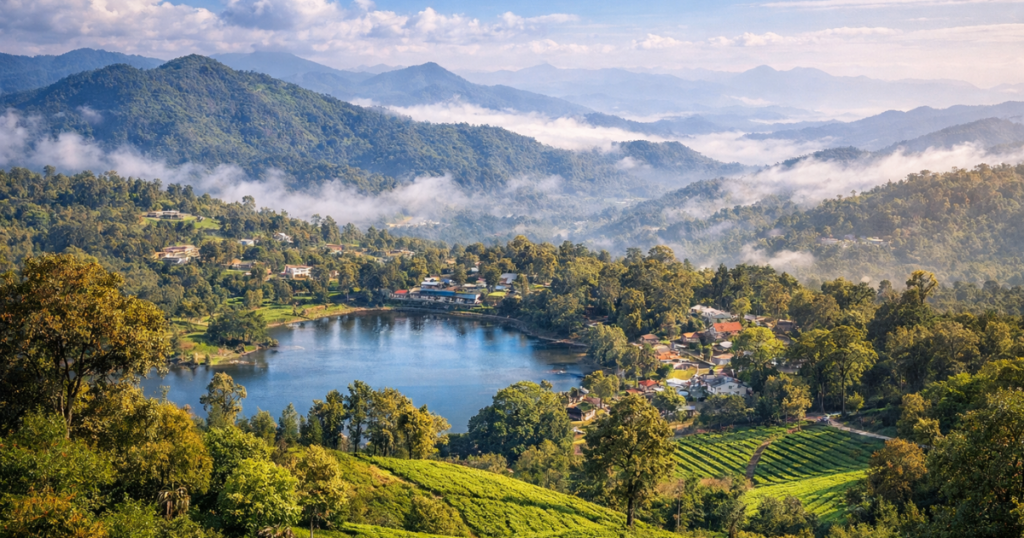
The Shevaroy Hills receive the rains generously, and the coffee and orange plantations that define the landscape here respond with a green so consistent and deep that the whole hill station looks freshly painted. It’s quieter than Ooty, less discovered than Kodaikanal, and during monsoon that quietness becomes its single greatest asset.
Kiliyur Falls in monsoon is the standout experience – a significant drop into a valley surrounded by forest, running at full force during the rains, and accessible enough that the trek to reach it doesn’t require serious preparation. Yercaud Lake reflects monsoon skies beautifully, the surrounding gardens going lush and the boating experience carrying a peacefulness that busier hill station lakes rarely manage.
The town itself moves slowly – small markets, local coffee, viewpoints that aren’t crowded even on weekends. For anyone specifically seeking quiet over spectacle, Yercaud delivers that honestly and consistently.
How to Reach:
- Nearest airport is Coimbatore (170 km) or Chennai (220 km); Salem is the nearest major railhead (30 km)
- Well connected by road from Salem, Bengaluru, and Chennai – ghat road from Salem is scenic
Things to Do in Yercaud:
- Kiliyur Falls trek, boating on Yercaud Lake, plantation walks through coffee and orange estates
- Sunrise viewpoint visits, cycling through forest roads, local market exploration
Tourist Attractions in Yercaud:
- Kiliyur Falls, Yercaud Lake, Shevaroy Temple, Lady’s Seat viewpoint
- Bear’s Cave, Pagoda Point, Anna Park, Botanical Garden
Where to Stay:
- Budget homestays and guesthouses in town for travellers seeking simple, affordable stays
- Comfortable mid-range hotels and resorts available around the lake area
Gokarna
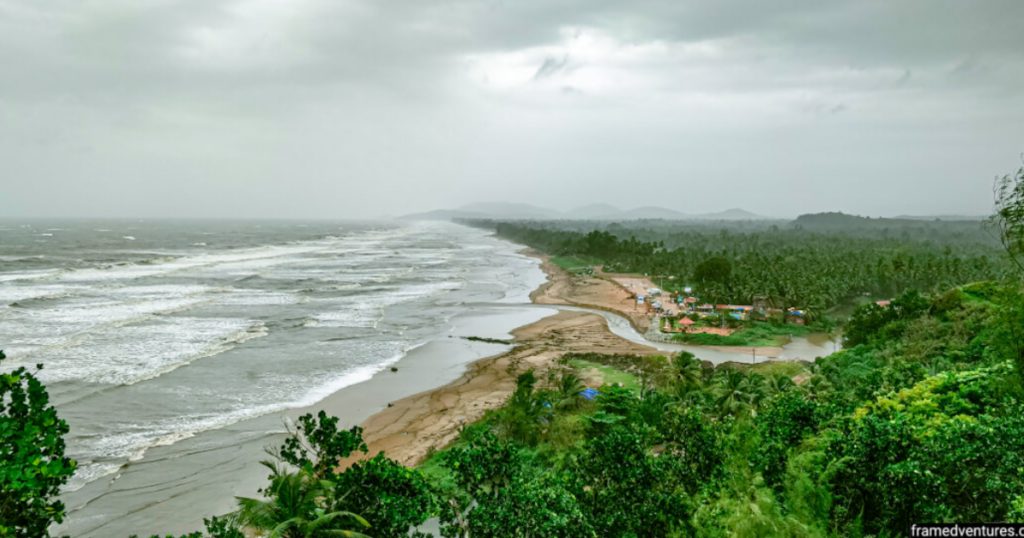
The beaches here clear out almost entirely when the rains come, which sounds like a downside until you’re walking along Om Beach in light drizzle with nobody else in sight, the Arabian Sea running dramatic and grey-green, the surrounding hills gone deeply lush. It’s the version of Gokarna that regulars quietly prefer and rarely advertise.
The spiritual side of the town carries its own weight independent of season. The Mahabaleshwar Temple has been drawing pilgrims long before Gokarna became known for beaches, and the monsoon atmosphere – quieter streets, incense mixing with rain smell, the temple tank reflecting overcast skies – gives it a quality that peak tourist season dilutes considerably.
Mirjan Fort an hour’s drive away is the overlooked addition to any Gokarna itinerary. Ancient, partially ruined, surrounded by forest that goes intensely green in the rains – the kind of heritage site that rewards visitors who bother to find it.
How to Reach:
- Nearest airport is Dabolim Goa (140 km) or Mangalore (160 km); Gokarna Road railway station is well connected
- Accessible by road from Goa, Mangalore, and Bengaluru
Things to Do in Gokarna:
- Beach walks on Om and Kudle Beach, temple visits, Mirjan Fort exploration
- Coastal treks between beaches, sunset watching from Half Moon Beach, local seafood trails
Tourist Attractions in Gokarna:
- Om Beach, Kudle Beach, Half Moon Beach, Mahabaleshwar Temple
- Mirjan Fort, Yana Caves, Vibhuti Falls, Bhadrakali Temple
Where to Stay:
- Budget guesthouses and homestays in town for simple, affordable monsoon stays
- Namaste Cafe beachfront cottages for a classic Gokarna experience
Chikmagalur
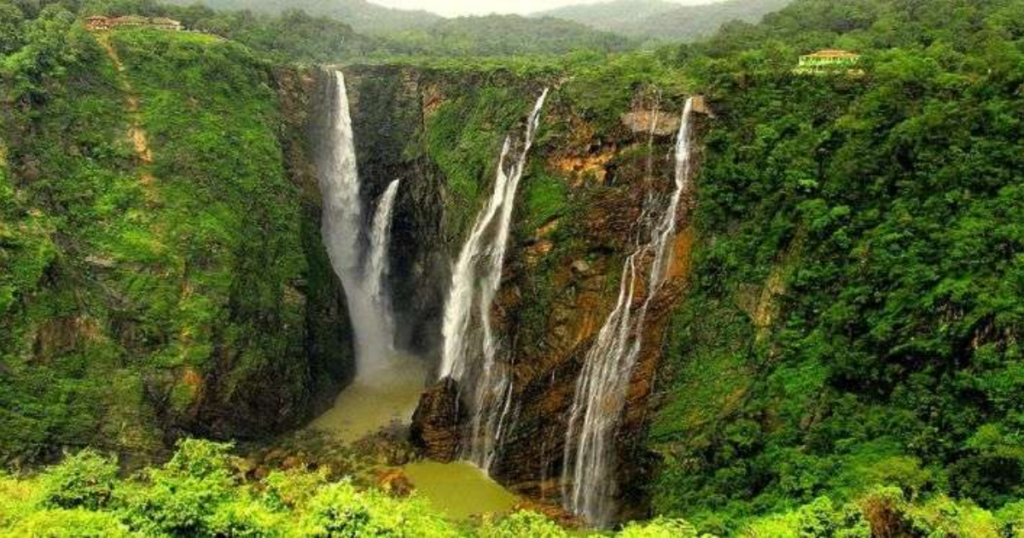
The coffee estates here – some of the finest in India – go deeply, richly green during the rains, and the smell of wet coffee plantation is something specific to this part of Karnataka that nowhere else quite replicates. Mist sits low over the hills through most of the morning, lifting slowly to reveal layers of forest and estate that stretch further than expected in every direction.
Mullayanagiri in monsoon cloud is a different experience from its clear-day version – the summit disappears and reappears as weather moves through, and the trek up through that shifting visibility has an atmosphere that fair-weather hiking simply doesn’t produce. Baba Budangiri carries spiritual significance alongside its natural beauty – ancient caves, forest trails, and a quietness that feels earned rather than empty. Hebbe Falls running at full monsoon force is the visual highlight – a two-tiered waterfall deep in forest that requires a jeep ride and short trek to reach, both of which add to the arrival considerably.
How to Reach:
- Nearest airport is Mangalore (160 km) or Bengaluru (250 km); well connected by road from both
- Regular bus services from Bengaluru and Hassan; cab hire recommended for flexibility
Things to Do in Chikmagalur:
- Coffee plantation walks, Mullayanagiri trek, Hebbe Falls visit
- Birdwatching in Bhadra Wildlife Sanctuary, jeep safaris, sunrise viewpoints
Tourist Attractions in Chikmagalur:
- Mullayanagiri Peak, Baba Budangiri, Hebbe Falls, Bhadra Reservoir
- Kemmanagundi hill station, Hirekolale Lake, Z Point viewpoint, Coffee Museum
Where to Stay:
Budget: Plantation homestays and guesthouses around town for affordable, characterful stays
Luxury: The Serai Chikmagalur – immersive coffee estate experience with excellent facilities
Conclusion
The season transforms everything it touches – tea estates, rainforests, coastal towns, hill stations – each one becoming a more vivid, more atmospheric version of itself from June through September. Munnar’s emerald valleys, Coorg’s dripping coffee plantations, Agumbe’s living rainforest, Gokarna’s empty beaches – all of them sharing that specific monsoon quality where the rain isn’t an inconvenience but the entire point.
Fewer crowds, lower prices, and landscapes that only exist because of the season rather than despite it – the best places to visit in monsoon in South India offer a travel experience that fair-weather visitors simply don’t get access to. Whether you’re after complete stillness, serious adventure, spiritual depth, or just somewhere genuinely beautiful to spend a few days – South India in monsoon handles all of it. Pick a destination, pack a rain jacket, and go.
The season won’t disappoint. It never does.

Frenzy Holidays ensures a smooth and enriching travel experience from start to finish. You can visit us at Haware Centurion, S07/34, Nerul East, Sector 19A, Nerul, Navi Mumbai, Maharashtra 400706. For bookings or more information, call +91 7400453140, email [email protected], or visit www.frenzyholidays.com. So pack up and explore INDIA with frenzy holidays to have an unforgettable journey.
Best Places to Visit in Monsoon in South India – FAQs
What are the best places to visit in monsoon in South India?
The best places to visit in monsoon in South India include Munnar, Coorg, Kodaikanal, Wayanad, Agumbe, and Gokarna, all offering lush landscapes, waterfalls, and cool weather.
What is the best place to visit in rainy season in Karnataka?
Coorg is one of the best places to visit in rainy season in Karnataka, known for its coffee estates, misty hills, and scenic waterfalls.
Where can I go in Karnataka in monsoon?
Places to visit in Karnataka in monsoon include Coorg, Agumbe, Chikmagalur, Gokarna, and Hampi, each offering a mix of nature, culture, and adventure during the rainy season.
What are some monsoon getaways in India?
Monsoon getaways in India include Munnar, Coorg, Kodaikanal, Wayanad, Agumbe, and Andaman and Nicobar Islands, each providing a unique experience during the rainy season.
Can I visit Kerala in monsoon?
Yes, Kerala is one of the best places to visit in monsoon in South India, with destinations like Munnar and Wayanad offering serene landscapes and waterfalls.
When is the best time to visit Kerala for the monsoon?
The monsoon season in Kerala lasts from June to September, with July and August being the peak months, offering lush greenery and scenic beauty.
Is it safe to travel to South India during the monsoon?
Yes, it is safe to travel to South India during the monsoon, though it’s important to check weather conditions and be prepared for rain and occasional flooding in some areas.
What are the best places to visit now in South India?
Currently, some of the best places to visit in South India include Coorg, Munnar, Wayanad, Agumbe, and Kodaikanal, offering pleasant weather and scenic beauty.
What activities can I do in South India during the monsoon?
During the monsoon, you can enjoy activities like trekking, waterfall visits, nature walks, tea plantation tours, and wildlife spotting in South India.
Are there any hidden gems to visit in South India during the monsoon?
Yes, hidden gems include Agumbe, Gokarna, Yercaud, and Chikmagalur, offering offbeat experiences with breathtaking landscapes, especially during the monsoon season.
