
The best time to visit Bandhavgarh National Park is between October and June, when the park is open and wildlife sightings are at their most rewarding. April and May are the peak months for tiger sightings, as the dry summer heat draws animals to waterholes and makes dense vegetation easier to see through.
Bandhavgarh National Park in Madhya Pradesh is one of India’s most celebrated wildlife destinations and home to one of the highest densities of Bengal tigers found anywhere in the country. If you are researching the best time to visit Bandhavgarh National Park, you are already on the right track, because timing your trip correctly makes the difference between a good safari and an extraordinary one. Spread across approximately 716 square kilometres of rugged Vindhya hills, sal forests, open meadows, and ancient rock formations, the park offers a safari experience that is consistently ranked among the best in India. Whether you are a first-time wildlife traveller or a seasoned tiger tracker, understanding the best time to visit Bandhavgarh National Park ensures you plan around the right season, the right weather, and the highest chances of an unforgettable sighting.
Confused where to go for quick escape? Let us plan it for you.
Grab the Best DealTable of Contents
Quick Reference: Best Time to Visit Bandhavgarh National Park
Here is a handy snapshot of everything you need to know before planning your trip.
| Detail | Information |
|---|---|
| Location | Umaria District, Madhya Pradesh |
| Total Area | Approximately 716 sq km (core zone: 105 sq km) |
| Nearest Town | Umaria (approx. 35 km) |
| Nearest Airport | Jabalpur Airport (approx. 170 km) |
| Nearest Railway Station | Umaria Railway Station (approx. 35 km) |
| Park Open Season | October 15 to June 30 |
| Park Closed | July 1 to October 14 (monsoon closure) |
| Best Months for Tigers | April and May |
| Best Overall Season | October to March |
| Winter Temperature | 5°C to 25°C |
| Summer Temperature | 24°C to 42°C |
| Safari Zones | Tala, Magdhi, Khitauli |
| Safari Timings | Morning: 6:00 AM to 11:00 AM / Evening: 2:30 PM to 6:00 PM |
Best Time to Visit Bandhavgarh National Park
The best time to visit Bandhavgarh National Park is from October to June, the full open season of the park. Within this window, different months offer different advantages depending on whether you prioritise comfortable weather, dense greenery, or maximum tiger sighting probability.
October to March: Best Season for Comfortable Travel
For travellers asking about the best time to visit Bandhavgarh National Park for comfortable conditions, October to March is the clear answer. The winter months offer the most pleasant weather for a Bandhavgarh safari. Temperatures range between 5°C and 25°C, with cool mornings and mild afternoons that make long safari hours comfortable. The vegetation, while still relatively dense in October and November, gradually thins as the season progresses, improving visibility into the forest undergrowth.
October and November mark the reopening of the park after the monsoon closure. The landscape is lush and green, the waterholes are full, and the park feels freshly washed and alive. Tiger pugmarks are easier to track on damp soil, and the post-monsoon period often brings active sightings as tigers resume regular territorial patterns after the monsoon disruption. December and January are the coolest months, with early morning safari temperatures dropping to around 5°C to 8°C. Carry warm layers for morning game drives. Wildlife is active and sightings of tigers, leopards, sloth bears, and deer herds are consistent throughout this period.
February and March are particularly rewarding. Temperatures rise gently, vegetation begins to thin further as the dry season sets in, and tiger activity increases noticeably. This is also the period when migratory birds start departing, making it a good window for both wildlife and birdwatching enthusiasts.
April and May: Peak Tiger Sighting Season
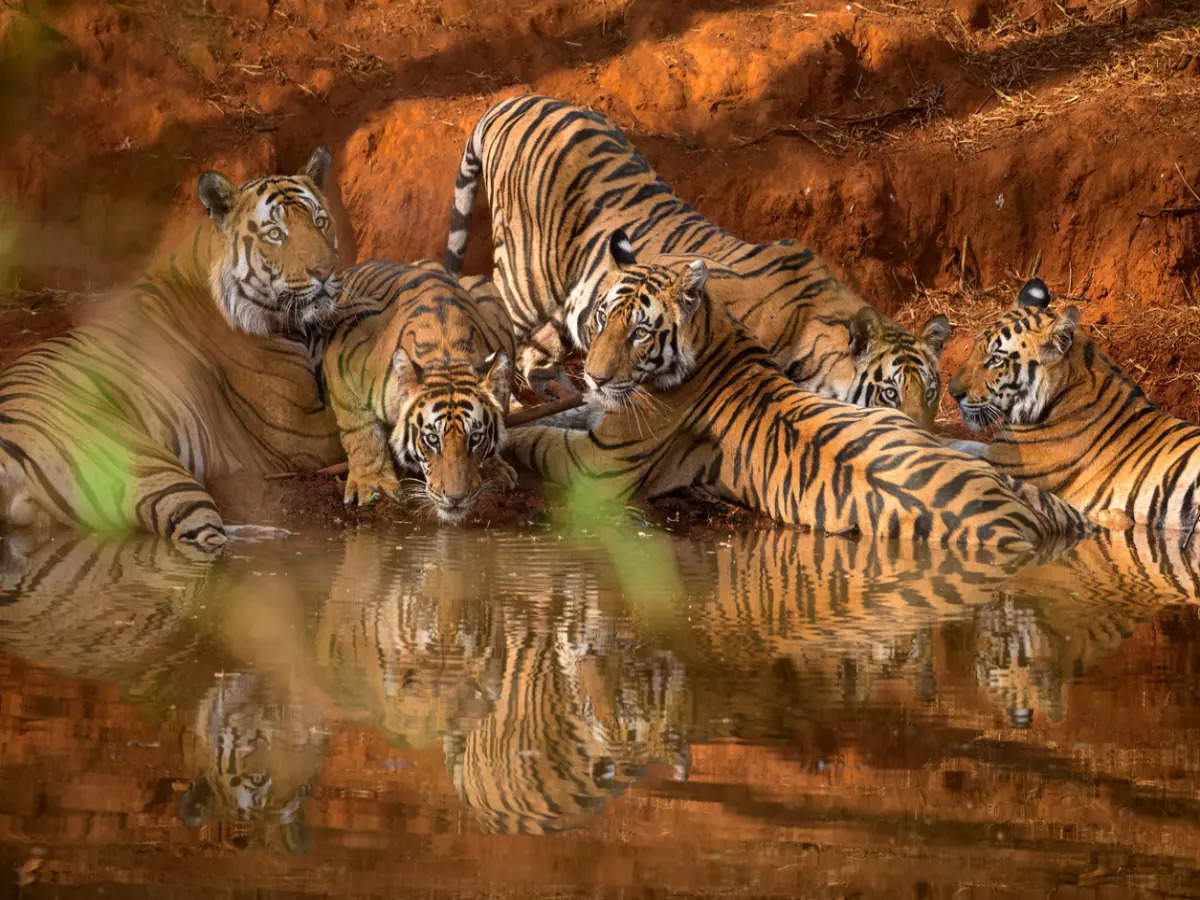
April and May are the single best months for tiger sightings in Bandhavgarh, and across most of Madhya Pradesh’s tiger reserves. Summer temperatures climb to between 30°C and 42°C, and the forest vegetation dries out significantly, stripping cover from the undergrowth and opening up long sightlines through the sal and mixed forests. Water becomes scarce across the park, concentrating wildlife around the remaining waterholes and streams. Tigers, leopards, wild dogs, and deer are regularly spotted at these water sources, often for extended periods.
Morning safaris in April and May typically start at first light, around 5:30 to 6:00 AM, when temperatures are briefly manageable. By late morning the heat becomes intense, and the midday hours between noon and 3:00 PM are best spent resting at your resort. Evening safaris from 3:30 to 6:30 PM offer another productive window before sunset. Despite the heat, April and May are consistently the most productive months for tiger sightings and are strongly recommended for serious wildlife photographers and dedicated tiger trackers.
Book safari permits and accommodation well in advance for April and May, as this is peak demand season and Tala zone jeep slots, which offer the best sighting history, fill up weeks ahead.
June: Last Chance Before Closure
June is the final month before the monsoon closure and offers a distinctive experience. For budget travellers, June is arguably the best time to visit Bandhavgarh National Park for value, as accommodation rates drop sharply while sighting quality remains reasonable through the first two weeks. The first pre-monsoon showers begin in mid-June, and the forest starts greening up again after the dry summer. Tiger sightings remain good through the first two weeks of June, and accommodation rates drop as most travellers avoid the approaching monsoon. June 30 is the last day of operation before the park closes for the season. Travellers who do not mind the heat and occasional early showers will find June a quiet and often rewarding month.
July to October 14: Park Closed
Bandhavgarh National Park is closed from July 1 to October 14 every year during the monsoon. No safaris are permitted during this period. The closure allows the ecosystem to recover, tigers to rear cubs undisturbed, and forest roads to be maintained. Plan accordingly and check the official reopening date each year, as it can vary slightly.
About Bandhavgarh: More Than Just Tigers
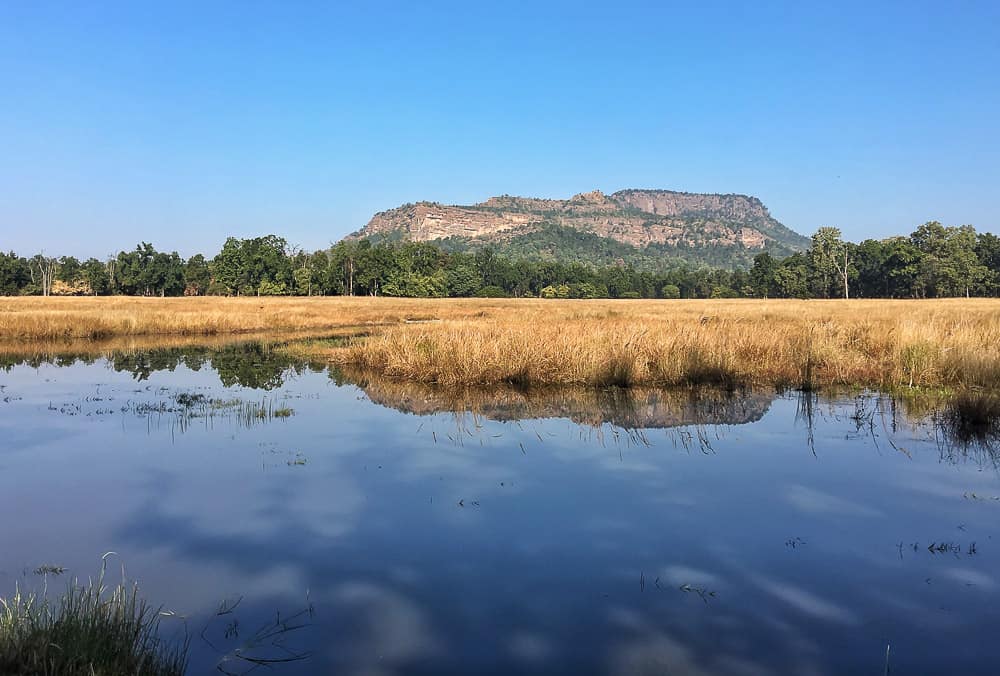
Bandhavgarh is named after the ancient Bandhavgarh Fort, which sits at the highest point of the park at an elevation of approximately 811 metres. The fort is believed to be over 2,000 years old and contains ancient caves, inscriptions, and stone sculptures including a large reclining Vishnu figure carved directly into the rock face. The fort is accessible on elephant back or by jeep during safari hours and is one of the most historically and visually dramatic wildlife park interiors in India.
The park’s three safari zones, Tala, Magdhi, and Khitauli, each offer a different experience. Tala is the most famous and historically the most productive for tiger sightings, with open meadows, ancient ruins, and a well-established tiger population. Magdhi offers denser forest and is excellent for leopard and sloth bear encounters. Khitauli is the newest and least visited zone, offering a quieter safari experience with good wildlife diversity.
Beyond wildlife, the broader region around Bandhavgarh rewards exploration. The city of Jabalpur, approximately 170 km away, is one of Madhya Pradesh’s most historically layered destinations. Our guide to hidden places in Jabalpur covers the city’s lesser-known gems in detail, from the Bhedaghat marble rocks to quieter heritage corners that most visitors overlook.
For a deeper dive into what the park itself has to offer beyond safaris, our detailed guide on places to visit in Bandhavgarh covers the fort, viewpoints, village trails, and other experiences within and around the reserve.
How to Reach Bandhavgarh National Park?
The main entry point for Bandhavgarh is the village of Tala, located approximately 35 km from Umaria and 197 km from Jabalpur. Most travellers fly into Jabalpur and proceed by road, or arrive by train at Umaria station.
How to Reach Bandhavgarh National Park By Air?
Jabalpur Airport (Dumna Airport) is the nearest commercial airport, with regular flights from Delhi, Mumbai, and Hyderabad. From Jabalpur, Bandhavgarh is approximately 170 km by road, a journey of 3 to 4 hours through Madhya Pradesh’s central highland terrain. Khajuraho Airport is another option at approximately 230 km, with connections from Delhi.
How to Reach Bandhavgarh National Park By Train?
Umaria Railway Station is the most convenient railhead for Bandhavgarh, located approximately 35 km from the Tala gate. Umaria is connected by train to Jabalpur, Katni, and other major junctions. From Umaria station, taxis and autos are available to the park. Katni Junction is a larger railway hub about 100 km from the park with broader connectivity to Delhi, Mumbai, and Kolkata.
How to Reach Bandhavgarh National Park By Road?
Bandhavgarh is well connected by road from Jabalpur (170 km), Katni (100 km), Rewa (130 km), and Satna (120 km). State highways are in reasonable condition, and private taxis are the most comfortable option for reaching the park. Self-drive is possible but requires familiarity with Madhya Pradesh’s highway network.
Nearby Places to Visit
Bandhavgarh sits at the heart of one of Madhya Pradesh’s richest travel corridors, with heritage towns, pilgrimage sites, and natural attractions within comfortable driving distance.
- Bandhavgarh Fort: Located within the park itself, this ancient hilltop fort is one of the most dramatic heritage sites in central India. The reclining Vishnu sculpture, ancient Shiva temples, and panoramic views of the park below make it essential for history and culture travellers visiting alongside their safari.
- Umaria: The nearest town to Bandhavgarh, Umaria is a small but useful base with ATMs, local markets, and road connections to the park. It serves as the practical gateway for budget travellers arriving by train.
- Maihar: Approximately 100 km from Bandhavgarh, Maihar is a deeply significant pilgrimage town home to the Sharda Mata Temple, set dramatically on the Trikuta Hill and reached by a climb of over 1,000 steps or by ropeway. Our guide on places to visit in Maihar covers the temple and surrounding attractions in full and makes Maihar an easy addition to any Bandhavgarh itinerary.
- Jabalpur: One of Madhya Pradesh’s major cities, Jabalpur is the gateway to Bandhavgarh for most air travellers and a destination worth spending at least a day in. The Bhedaghat marble rocks on the Narmada river, the Dhuandhar waterfall, and the Madan Mahal Fort are among its top draws.
- Bhopal: The state capital of Madhya Pradesh, approximately 450 km from Bandhavgarh, is one of the richest heritage cities in central India. Our guide to historical places in Bhopal covers the city’s mosques, museums, palaces, and lakes in detail. Bhopal makes an excellent bookend to a Bandhavgarh wildlife trip for travellers with extra time in Madhya Pradesh.
- Kanha National Park: Approximately 200 km west of Bandhavgarh, Kanha is India’s other great tiger reserve and one of the inspirations for Rudyard Kipling’s The Jungle Book. Combining Kanha and Bandhavgarh into a single Madhya Pradesh wildlife circuit is a popular and highly rewarding option.
Essential Tips for Visiting Bandhavgarh National Park
- Book safari permits early. Tala zone jeep permits sell out weeks in advance during the October to March season and even earlier for April and May. Book through the Madhya Pradesh Forest Department’s official portal or through a registered tour operator.
- Safari timings are 6:00 AM to 11:00 AM and 2:30 PM to 6:00 PM in winter, shifting to 5:30 AM to 10:30 AM and 3:30 PM to 6:30 PM in summer. Confirm current timings when booking.
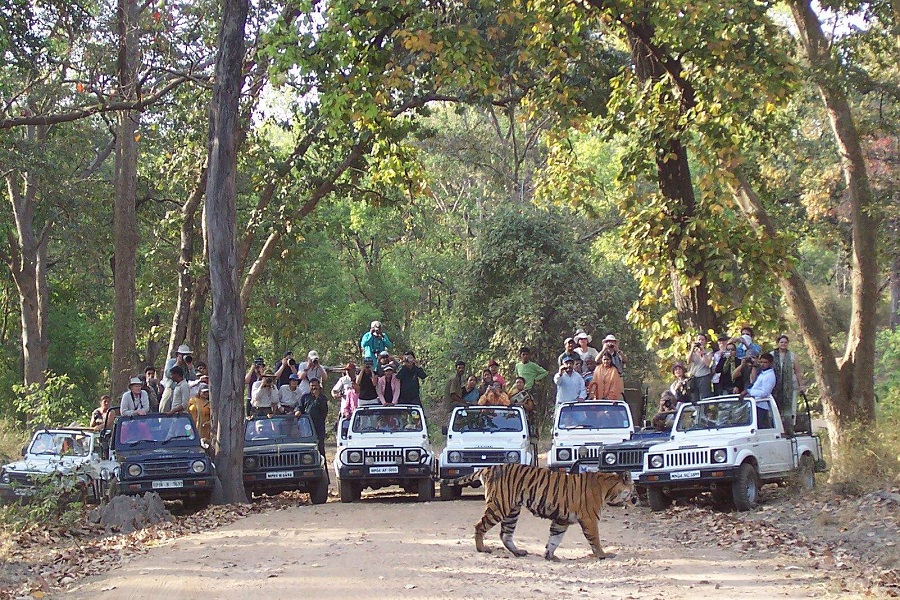
- Each safari jeep carries a maximum of 6 passengers plus the driver and guide. A registered naturalist or guide is mandatory and is assigned at the gate.
- Carry warm layers for morning winter safaris. Temperatures at 6:00 AM in December and January can drop to 5°C to 8°C in the open jeep.
- For summer safaris in April and May, carry sunscreen, a wide-brimmed hat, and at least 2 litres of water per person. Heat exhaustion is a real risk on long morning drives.
- Photography is best in the early morning hours when light is golden and animals are most active. A telephoto lens of at least 300mm is recommended for tiger photography.
- Silence and stillness inside the park are essential. Loud conversations and sudden movements disturb wildlife and reduce sighting opportunities significantly.
- Most quality resorts around the Tala gate include safari assistance, naturalist guidance, and meal packages. Budget lodges are available in Tala village for independent travellers.
- Carry sufficient cash as ATM availability around the park is limited. Umaria town has ATMs but stock can run low during peak season.
- Respect park regulations at all times. Off-road driving, feeding animals, and littering carry heavy penalties and can result in permit cancellation.
Conclusion
Bandhavgarh National Park is one of India’s finest wildlife experiences, combining the highest tiger density in the country with ancient heritage, dramatic landscape, and a safari circuit that rewards every kind of traveller. Whether you visit in the cool comfort of winter, the intense heat of April when tigers are most visible, or the lush freshness of an October reopening, the park consistently delivers memorable encounters with India’s most iconic wild cat.
October to June is the best time to visit Bandhavgarh National Park, with April and May offering the highest tiger sighting probability and October to March offering the most comfortable conditions overall. Book your safari permits and accommodation well in advance, and give yourself at least 3 to 4 days and multiple safaris to experience the park at its best.

No matter which month you choose, the best time to visit Bandhavgarh National Park is ultimately the one that matches your travel style, whether that is the cool comfort of winter, the raw intensity of summer tiger sightings, or the quiet freshness of an October reopening.
At Frenzy Holidays, we help you plan unforgettable wildlife and heritage experiences across Madhya Pradesh and beyond. Reach out to us at [email protected], call us at 074004 53140, or visit us at Frenzy Holidays, Haware Centurion, S07/34, Nerul East, Sector 19A, Nerul, Navi Mumbai, Maharashtra 400706, and we will take care of every detail of your Bandhavgarh journey.
Best Time to Visit Bandhavgarh National Park FAQs
What is the best time to visit Bandhavgarh National Park?
October to June is the open season. October to March offers the most comfortable weather, while April and May offer the highest tiger sighting probability due to dry conditions and reduced vegetation.
When is Bandhavgarh National Park closed?
The park closes from July 1 to October 14 every year during the monsoon season. No safaris are permitted during this period.
What are the safari timings at Bandhavgarh?
Morning safari runs from 6:00 AM to 11:00 AM and evening safari from 2:30 PM to 6:00 PM in winter. Summer timings shift to 5:30 AM to 10:30 AM and 3:30 PM to 6:30 PM.
Which safari zone is best for tiger sightings in Bandhavgarh?
Tala zone has the best historical record for tiger sightings and is the most sought-after zone. Book Tala permits well in advance.
How do I reach Bandhavgarh National Park?
Fly to Jabalpur (170 km) and drive to the park, or take a train to Umaria (35 km) and hire a taxi to the Tala gate.
What is the temperature like in Bandhavgarh in April and May?
Temperatures range between 30°C and 42°C. Morning safaris are manageable, but midday heat is intense. Carry water, sunscreen, and light cotton clothing.
How many safaris should I book at Bandhavgarh?
A minimum of 4 safaris over 2 days is recommended for a reasonable chance of tiger sightings. Booking 6 or more safaris across 3 days significantly increases sighting probability.
Is Bandhavgarh good for wildlife other than tigers?
Yes. The park has excellent populations of leopards, sloth bears, gaur, chital, sambar, wild boar, and over 250 bird species. Tala zone also offers access to the historic Bandhavgarh Fort.
What should I carry on a Bandhavgarh safari?
Binoculars, a camera with a telephoto lens, warm layers for winter mornings, water, sunscreen for summer, and neutral-coloured clothing to avoid disturbing wildlife.
Can I visit Bandhavgarh Fort during a safari?
Yes. The fort is accessible during safari hours within the Tala zone, either by jeep or on elephant back depending on current park regulations. Confirm access with your naturalist at the time of booking.
