
The best time to visit Dooars is October to April, with November to February being the peak season for wildlife safaris, pleasant weather, and clear Himalayan views. Most national parks and sanctuaries in Dooars close from June 15 to September 15 during the monsoon and animal breeding season.
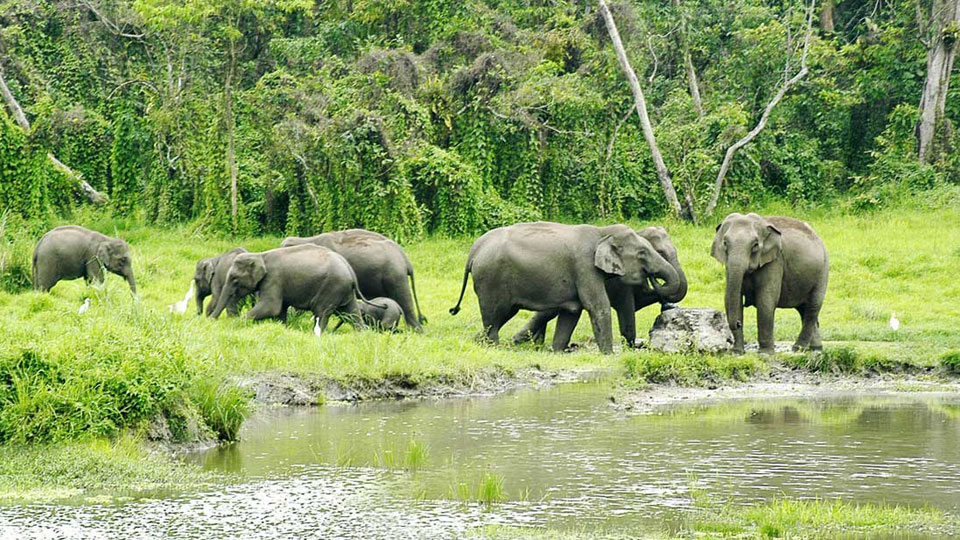
Dooars — meaning “doors” in Bengali — is aptly named as the gateway to Bhutan and the northeastern states of India. Spread across the alluvial floodplains at the foothills of the Eastern Himalayas in North Bengal, this lush and largely unexplored region is home to some of India’s finest wildlife sanctuaries and national parks. Gorumara National Park, Jaldapara National Park, Buxa Tiger Reserve, and Chapramari Wildlife Sanctuary together form one of the richest wildlife corridors in eastern India, sheltering the Indian one-horned rhinoceros, Asian elephants, Royal Bengal tigers, leopards, Indian bison (gaur), and over 300 species of birds.
Dooars remains relatively undiscovered compared to Darjeeling and Sikkim, making it one of the best offbeat forest destinations in eastern India. Frenzy Holidays can help you explore the many offbeat places near Siliguri that complement a Dooars trip perfectly for a full North Bengal experience.
Confused where to go for quick escape? Let us plan it for you.
Grab the Best DealTable of Contents
Best Time to Visit Dooars by Season
Dooars experiences a clearly defined seasonal pattern that significantly influences wildlife sighting opportunities, outdoor activities, and overall travel comfort. Here is a quick reference before the detailed seasonal guide.
| Detail | Information |
|---|---|
| Location | Foothills of Eastern Himalayas, North Bengal, West Bengal |
| Best Time to Visit | October to April |
| Peak Season | November to February |
| Best for Wildlife | November to February (winter) |
| Best for Tiger Sightings | April to June (summer) |
| Parks Closed | June 15 to September 15 (Monsoon) |
| Winter Temperature | 0°C to 23°C |
| Summer Temperature | 21°C to 32°C |
| Nearest Airport | Bagdogra Airport, Siliguri (IXB) |
| Nearest Railway Station | New Jalpaiguri (NJP), Siliguri |
October to February — Peak Season is the best time to visit Dooars. As the monsoon retreats in October, the forests emerge freshly green, rivers run clear, and the national parks reopen for visitors. Temperatures drop to a comfortable 10°C to 23°C through winter, with crisp mornings and sunny afternoons. Wildlife visibility is at its highest during these months — thinning vegetation makes animals easier to spot in the grasslands and forest edges. Elephants, rhinos, bison, and deer are commonly sighted on morning safaris. The Teesta Tea and Tourism Festival, celebrated between November and December, brings a festive dimension to the region with cultural programmes, river rafting, paragliding, and food events. December and January are the most popular months but also the coldest — temperatures can drop to 0°C, so warm layers are essential.
March to May — Shoulder Season offers a good balance of comfortable weather and fewer crowds. Temperatures rise gradually from around 15°C in March to 30–34°C by May. The forests are lush, wildflowers bloom along the trails, and bird activity is high as spring brings migratory arrivals. This period is excellent for tiger sightings, as animals gather near water sources during the warmer months. National parks remain fully open through this period. Safari prices and accommodation rates are typically lower than peak season.
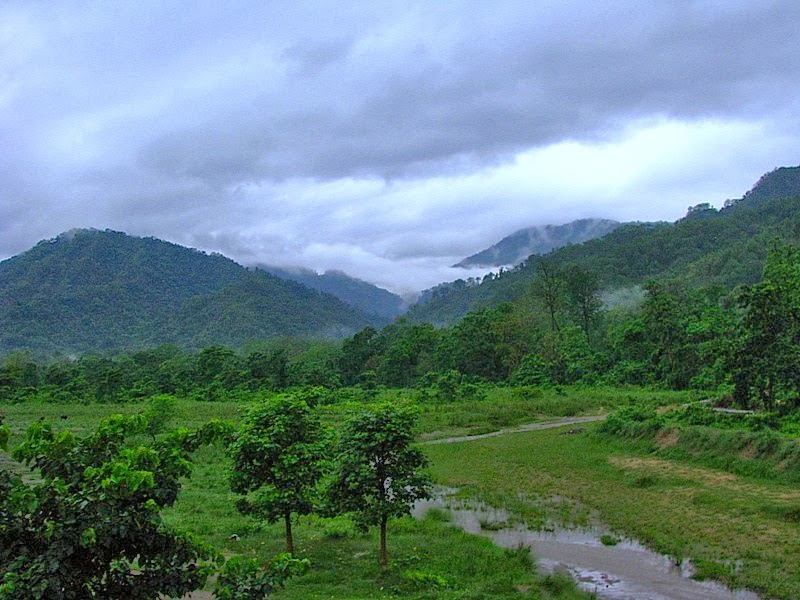
June to September — Monsoon Season sees Dooars transform into a dramatic green landscape. However, most national parks and wildlife sanctuaries close from June 15 to September 15 due to the monsoon and animal breeding season. Roads in some areas become inaccessible due to flooding. This period is not recommended for first-time visitors or those specifically seeking safari experiences. Offbeat travellers and nature photographers who do not mind rain may find the monsoon landscape of Dooars extraordinarily beautiful, but activities are severely limited.
National Parks and Wildlife Sanctuaries in Dooars
Dooars is defined by its wildlife reserves. Each park has its own character and key species that make it worth a dedicated visit.
Gorumara National Park
Located in the Jalpaiguri district at the banks of the Murti and Raidak rivers, Gorumara National Park covers approximately 79.45 sq km and is one of the most accessible and rewarding wildlife parks in eastern India. It is celebrated for its Indian one-horned rhinoceros and also supports significant populations of Asian elephants, Indian bison, leopards, sambar deer, barking deer, and spotted deer. The park has several watchtowers — Chandrachur, Jatraprasad, and Medla are the most popular — which offer outstanding views of the grasslands and forest edge.
Gorumara offers jeep safaris and elephant safaris. Jeep safaris run in morning and evening slots (the morning slot gives consistently better sightings). The Dhupjhora Elephant Camp within the park offers elephant safaris in three daily sessions. The park is closed from June 15 to September 15. The base town of Lataguri is the primary accommodation hub for Gorumara visits.
Jaldapara National Park
Situated in the Alipurduar district, Jaldapara National Park spreads across approximately 200 sq km and is home to one of the largest populations of Indian one-horned rhinoceros outside Kaziranga. The park also shelters Royal Bengal tigers, Asian elephants, and over 200 bird species. The Torsa River flows through the park, adding to its scenic appeal. Hollong, the forest bungalow inside the park, is a coveted accommodation option.
Jaldapara offers both jeep safaris and the famous elephant safari from Hollong, departing at 5:00 AM to 7:00 AM daily. Safari bookings fill up quickly, especially from November to January — advance booking through the West Bengal Forest Department is strongly recommended.
Buxa Tiger Reserve
Buxa Tiger Reserve in the Alipurduar district is a 760 sq km protected area bordering Bhutan’s Phipsu Wildlife Sanctuary to the north and Manas National Park to the east. The reserve is home to tigers, clouded leopards, elephants, Indian bison, and an extraordinary diversity of butterflies. The village of Jayanti, located within the reserve on the banks of the Jayanti River, is a popular base and one of the most scenic settlements in the Dooars region.
Key attractions within Buxa include Mahakal Cave (a sacred cave requiring a trek through forest), Buxa Fort (a historic hilltop fort), and Pukri Mai (a serene sacred pond on a hilltop). Buxa is also well known for trekking trails through the dense Himalayan forest.
Chapramari Wildlife Sanctuary
A compact 9.6 sq km sanctuary adjacent to Gorumara, Chapramari is a birdwatcher’s paradise. It hosts significant elephant populations and is one of the most reliable spots in Dooars for elephant sightings. Its small size makes it a quick but rewarding addition to a Gorumara visit.
Places to Visit Near Dooars
Dooars is surrounded by some of North Bengal and Northeast India’s most rewarding destinations. Here is what to consider adding to your itinerary.
- Lataguri and Chalsa — The primary base towns for Gorumara visits, both offering a good selection of jungle resorts and home stays with easy access to safari gates.
- Jayanti — A picturesque village on the Jayanti River banks inside Buxa Tiger Reserve. Ideal for riverside camping, trekking, and a deeply peaceful forest experience.
- Jhalong and Bindu — Scenic villages on the Indo-Bhutan border at the banks of the Jaldhaka River. Bindu is the last village of West Bengal before Bhutan and is surrounded by ginger and cardamom plantations.
- Samsing and Suntalekhola — Hill villages in the upper Dooars with stunning views of tea gardens and the Himalayas, known for their peaceful atmosphere and eco-tourism stays.
- Chilapata Forest — A dense forest near Jaldapara that serves as an elephant corridor. It also contains the ruins of Nal Rajar Garh, an ancient fort from the Gupta period, making it a unique combination of wildlife and history.
- Totopara — Home to the rare Toto tribe, one of the smallest tribal communities in India. Located about 22 km from Madarihat, a visit to Totopara offers a rare insight into a unique indigenous culture.
The Dooars region also connects naturally with the broader Assam and Northeast India circuit. Frenzy Holidays can help you explore the places to visit in Lakhimpur, Assam as a rewarding extension of the Dooars wildlife experience. The places to visit in Kokrajhar in Assam are also within reach for those extending their eastern India trip, while the hidden places in Guwahati make for an enriching urban cultural stop on the same circuit.
How to Reach Dooars
Dooars is well connected to the rest of India through Siliguri and New Jalpaiguri, which serve as the primary gateways to the entire North Bengal and Northeast India region.
How to Reach Dooars by Air?
Bagdogra Airport (IXB) in Siliguri is the nearest airport, approximately 60–80 km from most Dooars destinations. Direct flights connect Bagdogra to Kolkata, Delhi, Mumbai, Bengaluru, Chennai, and Guwahati. From the airport, taxis and shared jeeps are available to Lataguri, Madarihat (Jaldapara), and Rajabhatkhawa (Buxa).
How to Reach Dooars by Train?
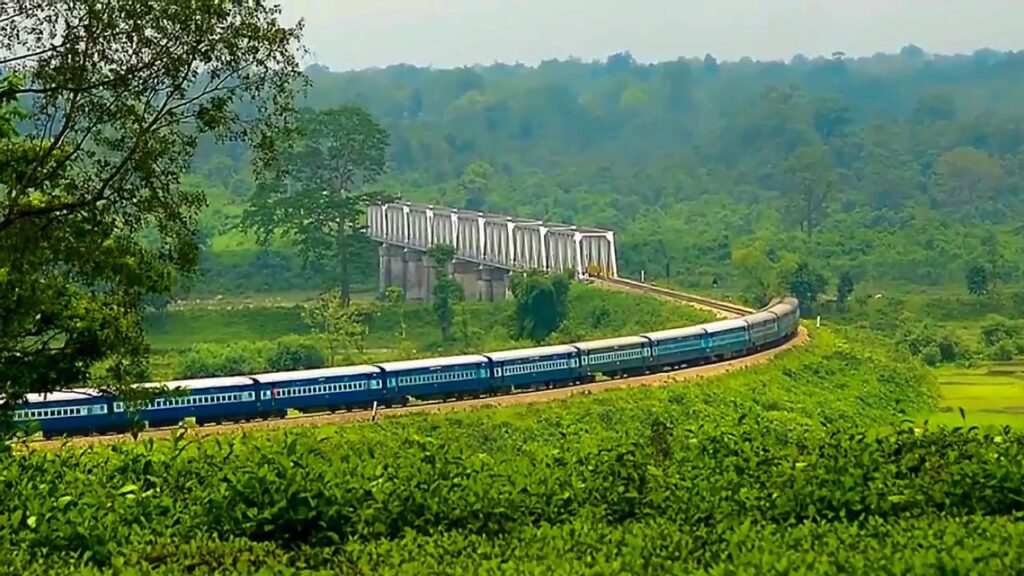
New Jalpaiguri Railway Station (NJP) is the nearest major railhead, approximately 60–90 km from the key Dooars destinations. NJP is well connected to Kolkata, Delhi, Guwahati, Mumbai, and other cities. From NJP, shared jeeps and private taxis cover the remaining distance to the forest towns.
How to Reach Dooars by Road?
From Siliguri or NJP, Lataguri (Gorumara base) is approximately 60 km (2 hours), Madarihat (Jaldapara base) is approximately 120 km (3 hours), and Rajabhatkhawa (Buxa base) is approximately 185 km (4.5 hours) by road. State and private buses connect Siliguri to Malbazar, Chalsa, Madarihat, and Alipurduar. Private taxis covering the full Dooars circuit are widely available from Siliguri and NJP.
Practical Tips for Visiting Dooars
Here are key points to keep in mind for a smooth Dooars trip.
- Book safari permits well in advance, especially for Jaldapara elephant safaris and Gorumara jeep safaris from November to January. Permits are issued by the West Bengal Forest Department and availability is limited.
- Plan for a minimum of 4–5 days to meaningfully cover two or three of the Dooars parks. Rushing between parks reduces the experience significantly.
- Start safaris early. Morning safaris beginning at 5:30–6:00 AM consistently deliver better wildlife sightings than afternoon drives. Animals are most active at dawn near waterholes and grassland edges.
- Carry warm clothing for winter visits. December and January mornings in Dooars can drop to 0°C. Even November and February mornings require light woolens on an open safari jeep.
- Wear neutral colours — earth tones, greens, and browns — during safaris. Bright clothing disturbs wildlife.
- Respect park rules strictly. No loud noise, no sudden movements, no feeding of animals, and no stepping outside the safari vehicle inside core forest zones.
Conclusion
The best time to visit Dooars is October to April, with November to February offering the finest wildlife safari experience, clear Himalayan views, and comfortable weather across the entire region. Dooars is one of eastern India’s most underrated destinations — a place where the Indian one-horned rhinoceros grazes in misty morning light, elephant herds move silently through sal forests, and the Eastern Himalayas form a dramatic backdrop to some of the most biodiverse ecosystems in the subcontinent. Whether you are visiting for the first time or returning to explore its deeper forest trails, Dooars delivers a natural encounter that is raw, genuine, and profoundly memorable.

Frenzy Holidays ensures a smooth and enriching travel experience from start to finish. Visit us at Haware Centurion, S07/34, Nerul East, Sector 19A, Nerul, Navi Mumbai, Maharashtra 400706. For bookings or more information, call +91 7400453140, email [email protected], or visit www.frenzyholidays.com.
Best Time to Visit Dooars – FAQs
What is the best time to visit Dooars?
The best time to visit Dooars is October to April, with November to February being the peak season for pleasant weather, clear skies, and the best wildlife sighting opportunities across all national parks and sanctuaries.
Are Dooars national parks open throughout the year?
No, most national parks and wildlife sanctuaries in Dooars close from June 15 to September 15 during the monsoon season and animal breeding period. They reopen in mid-September to October.
Which is the best park to visit in Dooars for rhino sightings?
Both Gorumara National Park and Jaldapara National Park are excellent for Indian one-horned rhinoceros sightings. Jaldapara has one of the largest rhino populations in India outside of Kaziranga.
Which month is best for tiger sightings in Dooars?
April to June is the best period for tiger sightings in Dooars as the summer heat forces animals to gather near water sources, making them more visible during morning safaris.
How many days are needed to visit Dooars?
A minimum of 4–5 days is recommended to cover Gorumara and Jaldapara comfortably. A 6–7 day itinerary allows for the addition of Buxa Tiger Reserve and nearby attractions like Jayanti and Chilapata Forest.
How do I reach Dooars from Kolkata?
Dooars is best reached from Kolkata by overnight train to New Jalpaiguri (NJP), which takes approximately 9–10 hours. From NJP, taxis and buses cover the remaining distance to the various forest towns in Dooars.
What wildlife can I see in Dooars?
Dooars is home to Indian one-horned rhinoceroses, Asian elephants, Royal Bengal tigers, leopards, Indian bison (gaur), sambar deer, spotted deer, and over 300 bird species including hornbills, kingfishers, and crested serpent eagles.
Is Dooars good for birdwatching?
Yes, Dooars is outstanding for birdwatching with over 300 species recorded across its parks. October to April is the best period, with winter months seeing migratory species in addition to the rich resident birdlife.
What is the Teesta Tea and Tourism Festival?
The Teesta Tea and Tourism Festival is an annual cultural and adventure event celebrated in November and December in the Dooars region. It features river rafting, paragliding, jungle safaris, cultural performances, and local food events.
What is the nearest airport to Dooars?
Bagdogra Airport (IXB) in Siliguri is the nearest airport to Dooars, approximately 60–80 km from the main forest areas. From Bagdogra, taxis and shared jeeps connect to Lataguri, Madarihat, and Rajabhatkhawa.
