
The best time to visit Finland for northern lights is September to March, when the nights in Finnish Lapland are long, dark, and clear enough to see the aurora borealis. Finland is one of the finest places on earth to witness this natural phenomenon because its northern regions lie directly beneath the auroral oval, the ring-shaped zone around the magnetic pole where the Northern Lights are most frequent and intense. Within the aurora season, the equinox months of September, October, February, and March produce statistically the strongest displays due to the Russell-McPherron effect, which amplifies the interaction between solar winds and Earth’s magnetic field around the spring and autumn equinoxes.
This guide covers the best time to visit Finland for northern lights window by window, with temperature details, aurora probability, what else to do in each season, and practical tips for Indian travelers planning a Finland Lapland trip in 2026.
Confused where to go for quick escape? Let us plan it for you.
Grab the Best DealTable of Contents
Best Time to Visit Finland for Northern Lights: Quick Overview
The aurora season in Finland runs from late August to early April, when the nights are dark enough for the lights to be visible. September and October, and February and March, are the statistically strongest months for aurora activity. December and January offer the longest nights and the most atmospheric deep-winter Lapland experience. 2025 and 2026 are solar maximum years, meaning solar activity is at its peak for the decade and aurora probability is significantly higher than average.
| Window | Months | Aurora Probability | Temperature |
| Early Season | Late August to October | High (equinox effect peaks) | 0 to 15 degrees C |
| Deep Winter | November to January | High (longest nights) | Minus 10 to minus 25 degrees C |
| Late Season | February to early April | Very High (equinox effect returns) | Minus 5 to minus 20 degrees C |
| Midnight Sun | Mid-April to August | Zero (sky too bright) | Not applicable |
Planning a Finland Lapland trip from India? Our International Tour Packages from Mumbai covers fully planned Finland and Scandinavia itineraries for Indian travelers across the aurora season.
What Makes Finland One of the Best Places for Northern Lights
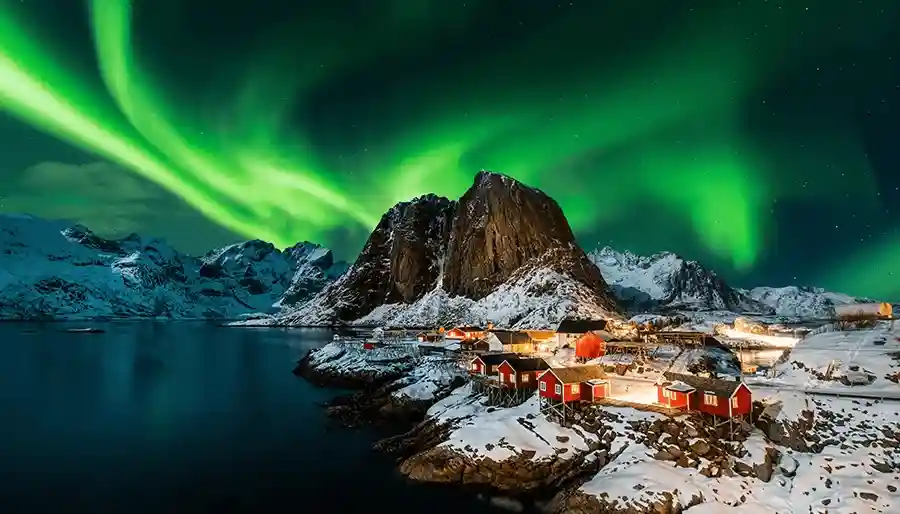
Finnish Lapland sits directly within the auroral oval, where the Northern Lights are visible on up to 200 nights per year. Glass igloo hotels, aurora wake-up services, guided snowmobile tours, and low light pollution across vast open fell landscapes make Finland one of the most accessible and rewarding aurora destinations on earth.
Three factors determine whether the best time to visit Finland for northern lights delivers: clear skies, a sufficient KP index (just 1 to 2 is enough in northern Lapland), and darkness (mid-April to mid-August is impossible due to the midnight sun).
Late August to October in Finland: The Early Aurora Season
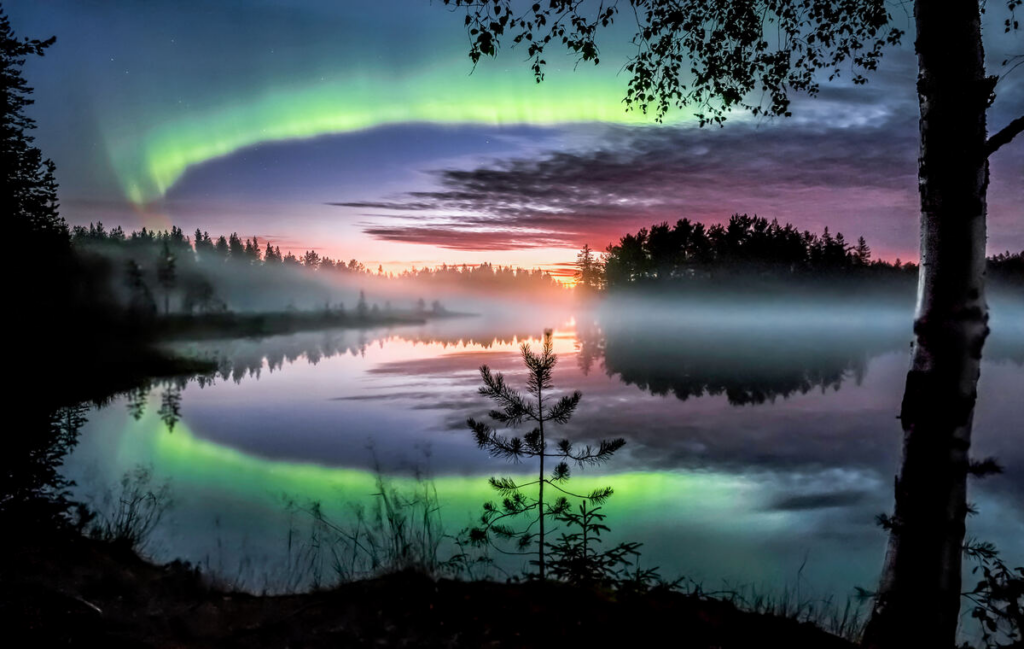
Late August to October is one of the finest windows for the best time to visit Finland for northern lights as the aurora returns after the midnight sun ends. September and October are statistically the strongest months of the aurora season due to the autumn equinox effect, which amplifies geomagnetic activity and makes big displays more likely. The ruska autumn colours and still-unfrozen lakes add a unique photography dimension, and temperatures of 0 to 10 degrees at night make this the most comfortable window for visitors who want the Northern Lights without extreme cold.
- Temperature: 0 to 15 degrees C in September; dropping to minus 5 to minus 10 in October
- Weather: Cool and mostly clear; Lapland ruska autumn colours at peak in late September; lakes unfrozen for aurora reflections; first snow arriving in October
- Aurora Probability: Very high due to equinox effect in September and October
- Things to Do: Aurora photography over unfrozen lakes; husky safaris beginning in October; reindeer farm visits; hiking the Kevo Strict Nature Reserve in autumn colour; visit the Sámi cultural centre in Inari; Northern Lights boat tours on the rivers
- Best for: First-time aurora seekers, photographers, travelers who dislike extreme cold, aurora photography with landscape reflections
- Avoid if: You specifically want the full winter Lapland experience with snow activities, which only begins fully from November
November to January in Finland: Deep Winter Aurora Season
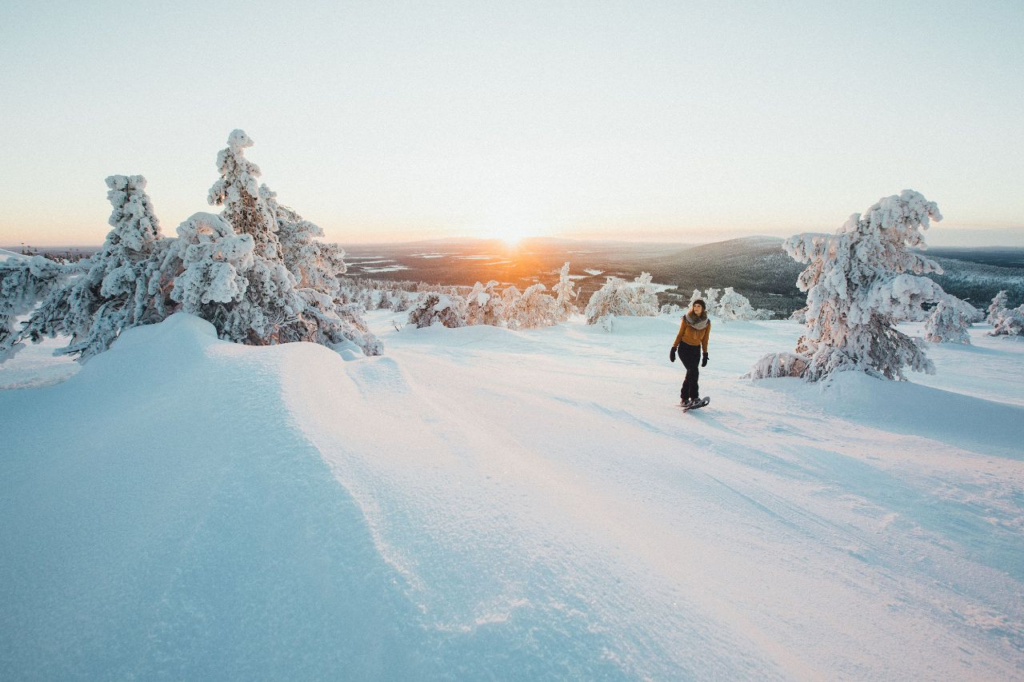
November to January is the deep winter window for the best time to visit Finland for northern lights. Finnish Lapland enters polar night (kaamos) from November, with total darkness and snow giving the aurora a completely uncompeted sky. December combines the aurora season with the Christmas atmosphere at Santa Claus Village in Rovaniemi, and the polar nights in December and January offer up to 18 hours of potential viewing window. The trade-off is extreme cold: minus 15 to minus 30 degrees at night, and more changeable cloud cover than the clearer autumn and spring windows.
- Temperature: Minus 10 to minus 25 degrees C; colder in the far north around Inari and Kilpisjärvi
- Weather: Snow-covered and magical; polar night (kaamos) in December and January; long darkness provides extended aurora viewing windows; some cloud periods
- Aurora Probability: High, with very long viewing windows due to extended darkness
- Things to Do: Glass igloo hotel stay for aurora from bed; snowmobile safari to a dark-sky viewing spot; husky sled tour; reindeer safari across the snow-covered fell; ice fishing on a frozen lake; visit Santa Claus Village in Rovaniemi in December; experience a traditional Finnish sauna followed by a roll in the snow
- Best for: Full Lapland winter experience, Christmas atmosphere, snowmobile and husky activities, glass igloo stays
- Avoid if: You cannot tolerate extreme cold or are planning to spend significant time outdoors without proper Arctic gear
February to Early April in Finland: The Spring Aurora Peak
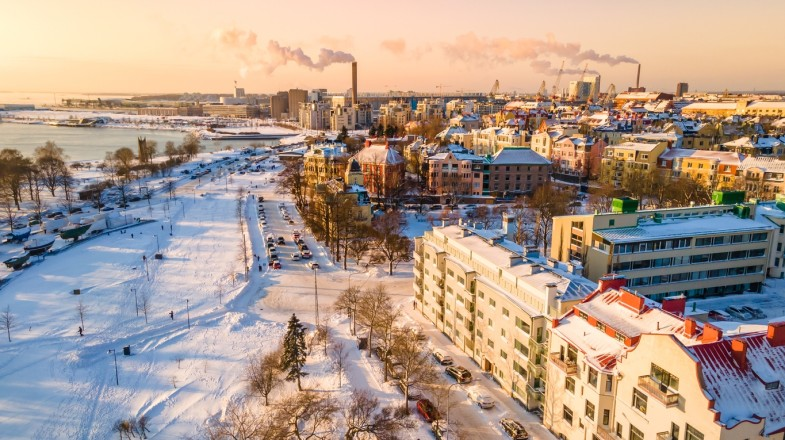
February to early April is the spring equinox peak and widely considered the finest overall window for the best time to visit Finland for northern lights by experienced aurora hunters. March is the single most recommended month: the spring equinox produces the strongest geomagnetic activity of the year, snow conditions are at their best, and the increasing daylight gives 5 to 7 hours of golden Arctic light for daytime activities alongside long dark nights for aurora viewing.
February is very similar to March; by mid-April the nights are too light for sightings. The 2025 and 2026 solar maximum makes this entire season significantly stronger than average.
- Temperature: Minus 5 to minus 20 degrees C; cold but not as extreme as January
- Weather: Best snow conditions of the season; increasing daylight in March; spring equinox produces the strongest aurora activity of the year; clear nights more reliable than deep winter
- Aurora Probability: Highest of the entire season due to spring equinox effect in March
- Things to Do: Snowmobile cross-country touring across the fells; ski touring in Saariselkä or Levi; husky safari at dawn in the golden spring light; Northern Lights photography with snow-covered landscapes; visit the Arktikum Arctic science museum in Rovaniemi; snowshoe walk in the Urho Kekkonen National Park
- Best for: Best overall window for aurora + winter activities combined; photographers; travelers who want comfort with adventure; solar maximum peak aurora viewing in 2026
- Avoid if: You specifically want the full polar night darkness of December and January; or if you want the autumn colour landscape of September
Where to See the Northern Lights in Finland
Rovaniemi: The capital of Lapland and the most accessible aurora base, sitting on the Arctic Circle. Direct flights from Helsinki and good aurora viewing just outside the town. The Santa Claus Village adds a distinctive dimension in winter.
Saariselkä: A fell resort in northern Lapland above the Arctic Circle with excellent dark skies, minimal light pollution, and good access to the Urho Kekkonen National Park for guided aurora excursions.
Inari: A small town on the shore of the vast Lake Inari in northern Lapland, home to the Sámi Parliament and the SIIDA museum. One of the darkest and clearest aurora bases in Finland.
Levi and Ylläs: Popular ski resorts in central Lapland with good winter activity infrastructure and aurora viewing. Ylläs dims its streetlights during the aurora season.
Kilpisjärvi: Finland’s northernmost village, at the junction of Finland, Norway, and Sweden. The most remote and the most spectacular aurora destination in the country, with nearly uninterrupted darkness in deep winter.
Practical Tips for Indian Travelers Visiting Finland for Northern Lights
Indian passport holders require a Schengen visa for Finland. Direct flights operate from Mumbai and Delhi to Helsinki via Air India and Finnair, with connecting flights to Rovaniemi, Ivalo, and other Lapland airports. The flight time from Mumbai to Helsinki is approximately 8 to 9 hours. Finnish Lapland winters require serious cold weather gear: thermal base layers, insulated mid-layers, a wind and waterproof outer shell, and proper Arctic boots rated to minus 30. Most guided tours and resorts can provide rental gear but booking this in advance is recommended. Plan for a minimum of 4 to 5 nights in Lapland to give yourself multiple attempts on different nights, as cloud cover on any single night can prevent a sighting.
Places You Should Not Miss While Exploring Finland for Northern Lights
- Glass Igloo Hotels (Kakslauttanen, Arctic TreeHouse): Stay in a heated glass-roofed cabin and watch the aurora from your bed. One of the most iconic Finland experiences. Book months in advance.
- Urho Kekkonen National Park: One of Finland’s largest wilderness areas near Saariselkä, ideal for guided snowmobile and snowshoe aurora excursions far from any light pollution.
- Santa Claus Village, Rovaniemi: The official home of Santa Claus on the Arctic Circle, combining the aurora season with a unique winter Christmas experience.
- SIIDA Sámi Museum, Inari: The finest museum covering Sámi culture and Arctic nature in the world, essential context for understanding the indigenous people of Finnish Lapland.
- Lake Inari: A vast frozen lake in midwinter with open fell shores ideal for aurora photography with a perfectly dark horizon.
- Finnish Sauna: An essential cultural experience in Finland. Most Lapland lodges have lake-side saunas. Rolling in the snow after a sauna under the Northern Lights is a genuinely unforgettable Finnish winter experience.
- Huskies and Reindeer: A husky sled ride through a snow-covered boreal forest, or a reindeer safari across the fells with a Sámi herder, is one of Lapland’s most distinctive daytime experiences.
- Arktikum, Rovaniemi: A world-class Arctic science and culture museum on the banks of the Ounasjoki River, covering the natural history, climate, and indigenous cultures of the Arctic.
Conclusion
The best time to visit Finland for northern lights is September to March, with the equinox months of September, October, and March offering the statistically strongest aurora activity of the entire season. February and March are the finest overall window for most travelers, combining excellent snow conditions with long dark nights and the spring equinox aurora boost. Deep winter from December to January provides the most atmospheric Lapland experience and the longest viewing windows. The aurora is a natural phenomenon and cannot be guaranteed on any specific night, but staying 4 to 5 nights in Finnish Lapland dramatically increases the probability of a sighting. With 2025 and 2026 being solar maximum years, the next two aurora seasons are among the finest in a decade for planning a Finland Northern Lights trip.

Frenzy Holidays ensures a smooth and enriching travel experience from start to finish. You can visit us at Haware Centurion, S07/34, Nerul East, Sector 19A, Nerul, Navi Mumbai, Maharashtra 400706. For bookings or more information, call +91 7400453140, email [email protected], or visit www.frenzyholidays.com. So pack up and explore the world with Frenzy Holidays for an unforgettable journey.
Best Time to Visit Finland for Northern Lights: FAQs
Is 2026 a good year to see northern lights in Finland?
Yes. 2025 and 2026 are solar maximum years, the peak of the sun’s 11-year activity cycle, making aurora probability significantly higher than average.
How many nights should I stay in Finland for northern lights?
A minimum of 4 to 5 nights to allow for multiple viewing attempts across different weather conditions.
What is the coldest time of year in Finnish Lapland?
January is typically the coldest month with temperatures averaging minus 15 to minus 25 degrees in northern Lapland.
Do Indian tourists need a visa for Finland?
Yes. Indian passport holders require a Schengen visa for Finland, applied for before travel.
What are the best places to see northern lights in Finland?
Saariselkä, Inari, Kilpisjärvi, Levi, and Rovaniemi are the top Finnish Lapland aurora destinations, with the far north around Inari and Kilpisjärvi offering the darkest skies.
Is a glass igloo worth it for northern lights in Finland?
Yes, as an experience. However, aurora viewing requires clear skies, which cannot be guaranteed on any single night. Book it as one night within a longer Lapland stay.
What time of night do northern lights appear in Finland?
Most displays occur between 10 PM and 2 AM, though they can appear at any time after darkness falls. Aurora apps and KP index alerts help identify the best windows each night.
