
Planning a himalaya trip requires understanding dramatic seasonal transformations and extreme altitude variations across the world’s highest mountain range, where monsoon rains reshape valleys, winter snowfall closes high passes, and brief summer windows unlock remote regions. Stretching 2,400 kilometers with elevations from 300 meters to 8,849 meters at Mount Everest, the Himalayas present vastly different conditions simultaneously—lower valleys blooming with spring flowers while high-altitude passes remain snow-buried, creating complex microclimates where himalaya temperature variations can span 40°C within a single day.
Understanding the best time to visit himalayas ensures optimal experiences balancing comfortable weather, high-altitude accessibility, and specific interests whether seeking spring rhododendron blooms, summer trekking when passes open, autumn’s crystal-clear vistas, or winter snow in accessible valleys. This comprehensive guide provides seasonal climate analysis, regional variations across states, altitude-based timing strategies, insights on iconic 5 tourist places in himalayas, and complete travel planning for experiencing the spectacular beauty of himalayas where ancient cultures thrive amid breathtaking natural grandeur through strategic himalaya tourism.
Table of Contents
Quick Reference: Himalayas Visit Planning
| Season | Best Months | Temperature | Accessibility | Ideal For |
|---|---|---|---|---|
| Spring | Mar-May | 15-25°C (valleys) | High passes opening | Trekking, flowers, pleasant weather |
| Summer | Jun-Aug | 20-30°C (varies) | Maximum accessibility | High-altitude treks, Ladakh region |
| Autumn | Sep-Nov | 10-20°C | Excellent | Photography, clear views, festivals |
| Winter | Dec-Feb | -10 to 10°C | Limited high areas | Snow activities, lower valleys only |
Best Time to Visit Himalayas: Seasonal & Regional Analysis
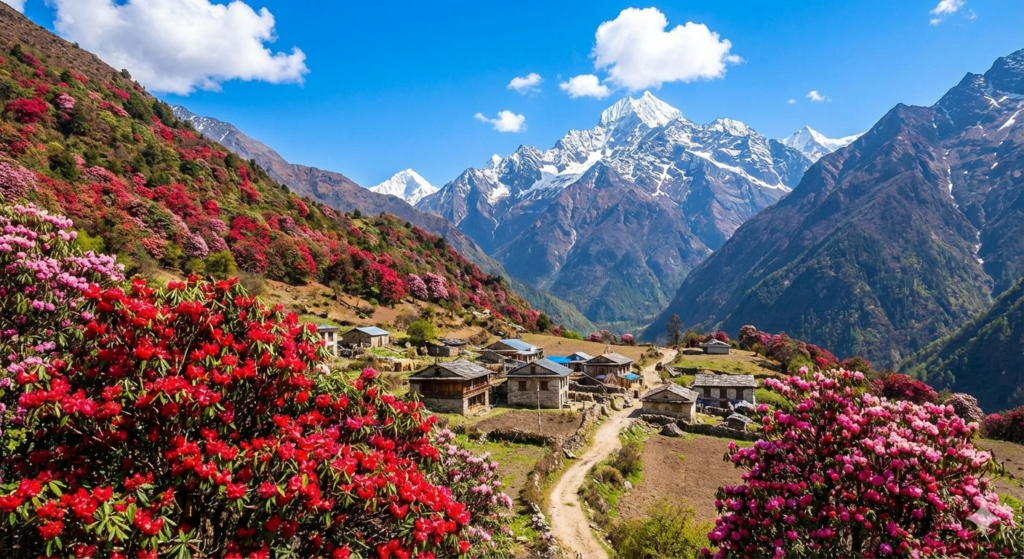
Determining the best time to visit himalayas requires understanding how seasonal patterns interact with altitude variations, regional climate differences, and specific travel objectives to unlock optimal experiences across this vast mountain system.
March to May: Spring Awakening Excellence
Spring represents exceptional timing as the best time to visit himalayas for lower to mid-altitude regions, offering warming temperatures, blooming rhododendron forests, and reopening high passes creating perfect conditions for diverse mountain experiences.
Himalaya Temperature Patterns:
- Lower valleys (1,000-2,000m): 15-25°C day, 5-15°C night
- Mid-altitudes (2,000-3,500m): 10-20°C day, 0-10°C night
- High passes (3,500m+): 5-15°C day, -5 to 5°C night
- Variable weather, occasional spring showers
- Snow melting at mid-altitudes
Regional Spring Conditions:
Uttarakhand Himalayas:
- Perfect for Valley of Flowers preparation visits
- Rhododendron blooms (March-April)
- Char Dham yatra begins (late April-May)
- Nainital, Mussoorie pleasant weather
- Popular trekking routes opening
Himachal Pradesh:
- Shimla, Manali warming up (15-22°C)
- Rohtang Pass opening (late May)
- Apple blossoms in Kinnaur
- Pleasant for McLeod Ganj, Dharamshala
- Kasol, Parvati Valley ideal
Sikkim & Darjeeling:
- Rhododendron peak bloom (April-May)
- Clear mountain views before monsoon
- Pleasant temperatures (12-20°C)
- Ideal for Tsomgo Lake, Nathula Pass
- Tea garden visits perfect
Advantages: Stunning beauty of himalayas showcased through blooming rhododendron forests painting mountainsides pink, red, and white, comfortable temperatures ideal for trekking without extreme cold or heat, high passes gradually opening enabling access to restricted winter regions, excellent visibility before monsoon clouds arrive, perfect for photography with flowering landscapes and snow-capped peaks, moderate tourist crowds compared to peak summer, affordable accommodation rates, ideal conditions for spiritual journeys as Char Dham and Panch Kedar pilgrimages begin.
Considerations: Late spring showers possible especially in May, high-altitude areas still snow-covered in early spring, some passes remain closed until late May, booking essential for popular destinations during April-May holidays, himalaya temperature variations requiring layered clothing, occasional landslides in transition season.
Spring Strategy:
- Target April-May for best weather stability
- Book Uttarakhand Char Dham tours early (high demand)
- Visit rhododendron forests in Uttarakhand and Sikkim
- Plan high-altitude treks for late May onwards
- Budget ₹25,000-50,000 per person (7-10 days from major cities)
June to August: Summer High-Altitude Season
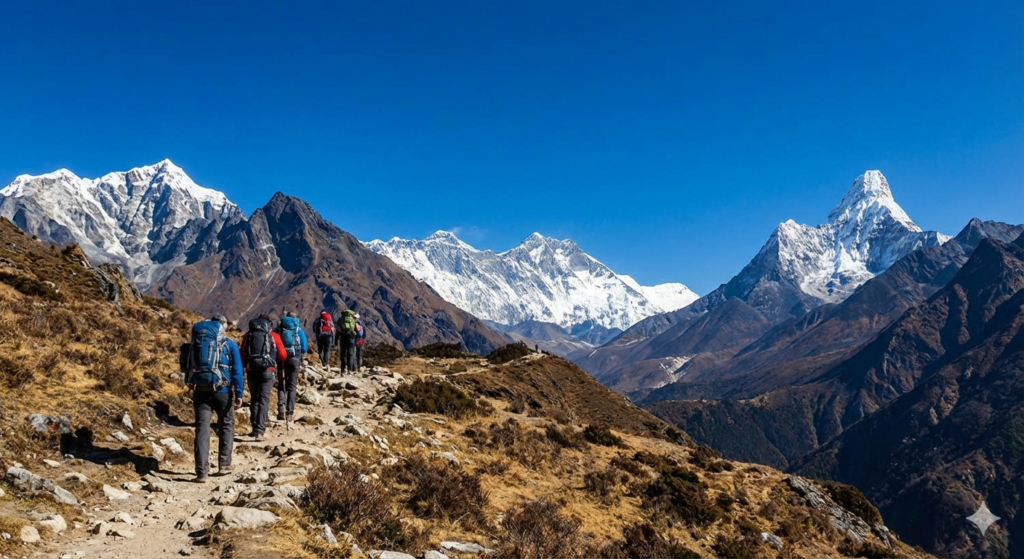
Summer constitutes selective timing as the best time to visit himalayas, excellent for rain-shadow regions like Ladakh and Spiti while monsoon-affected areas experience heavy rainfall, creating a tale of two Himalayan experiences.
Regional Summer Dynamics:
Ladakh & Trans-Himalayas (Best Summer Destinations):
- Temperature: 20-30°C day, 10-15°C night
- Dry desert mountain climate
- All passes open (Khardung La, Chang La)
- Peak tourism season
- Crystal clear skies
Spiti Valley:
- Accessible via Manali-Kaza route
- Dry conditions (10-25°C)
- Monasteries fully accessible
- Stunning barren landscapes
- Limited rainfall
Western & Central Himalayas (Monsoon-Affected):
- Heavy rainfall (June-September)
- Landslide risks
- Himachal valleys wet and green
- Uttarakhand pilgrimages continue
- Kashmir pleasant but occasional rain
Eastern Himalayas:
- Heavy monsoon (Sikkim, Darjeeling)
- Limited accessibility
- Arunachal Pradesh challenging
- Beautiful but risky for travel
Advantages: Absolute best time for Ladakh and Spiti Valley when these stunning destinations become accessible, all high-altitude passes open enabling complete himalaya trip circuit possibilities, escape plains’ extreme heat (40-45°C) with pleasant mountain temperatures, lush green landscapes in monsoon-receiving areas, fewer crowds in rain-affected regions, extended daylight hours for activities, ideal for experiencing unique Buddhist culture in high-altitude deserts, excellent for adventure motorcycling on Manali-Leh highway.
Considerations: Monsoon creates serious landslide risks in Himachal and Uttarakhand regions, road blockages common requiring flexible itineraries, heavy rainfall limits trekking in most areas except Ladakh/Spiti, leeches problematic in forested monsoon zones, Ladakh experiences peak crowds and highest accommodation costs, advance booking essential for Ladakh (2-3 months), flight cancellations possible during heavy monsoon, challenging conditions for first-time Himalayan visitors outside Ladakh.
Summer Strategy:
- Focus himalaya tourism on Ladakh and Spiti Valley
- Book Leh flights/accommodations 2-3 months advance
- Avoid Himachal/Uttarakhand valleys during peak monsoon (July-August)
- If visiting monsoon areas, maintain flexible schedules
- Consider monsoon as offbeat season for peaceful experiences
- Budget ₹40,000-80,000 per person for Ladakh (7-10 days)
September to November: Autumn Golden Excellence
Autumn emerges as the absolute best time to visit himalayas for most travelers, offering stable weather, crystal-clear visibility, comfortable temperatures, and accessible high-altitude regions creating perfect conditions for experiencing the complete beauty of himalayas.
Himalaya Temperature Autumn:
- Lower valleys: 15-25°C day, 10-15°C night (September-October)
- Mid-altitudes: 10-20°C day, 5-10°C night
- High passes: 5-15°C day, -5 to 5°C night
- Cooling progressively into November
- November: 10-20°C valleys, 0-10°C high areas
Autumn Advantages by Region:
All Himalayan States:
- Post-monsoon clarity with exceptional visibility
- Mount Everest visible from viewing points
- Stable weather patterns
- Festivals season (Dussehra, Diwali)
- Comfortable temperatures
Uttarakhand:
- Char Dham season ending (early November)
- Perfect for valley treks
- Auli, Chopta stunning
- Clear Nanda Devi views
Himachal Pradesh:
- Ideal for all regions
- Manali, Dharamshala perfect
- Lahaul-Spiti accessible (until mid-October)
- Pleasant for all activities
Sikkim & Northeast:
- Post-monsoon freshness
- Clear Kanchenjunga views
- Comfortable trekking
- Festive season celebrations
Advantages: Unmatched visibility offering spectacular photography opportunities with crystal-clear Himalayan panoramas, most stable weather patterns of entire year with minimal rainfall, all regions accessible before winter closures, comfortable himalaya temperature ranges ideal for extended outdoor activities, stunning autumn colors transforming valleys golden and orange, excellent for both beginners and experienced trekkers, festival celebrations adding cultural richness, moderate tourist crowds post-summer peak, reasonable accommodation pricing, perfect conditions for experiencing diverse 5 tourist places in himalayas across multiple states.
Considerations: Popular trekking routes crowded especially October, advance booking recommended for accommodations, high passes begin closing by late October-November, temperatures dropping significantly by November requiring warm clothing, daylight hours decreasing, Ladakh becoming very cold by November (not recommended), higher altitude areas experiencing early snowfall.
Autumn Strategy:
- Target September-October for optimal conditions
- Book popular treks and accommodations 1-2 months advance
- Visit Ladakh by mid-October (before extreme cold)
- Plan cultural experiences during festival season
- Combine multiple regions in single trip
- Budget ₹30,000-60,000 per person (7-10 days)
December to February: Winter Selective Season
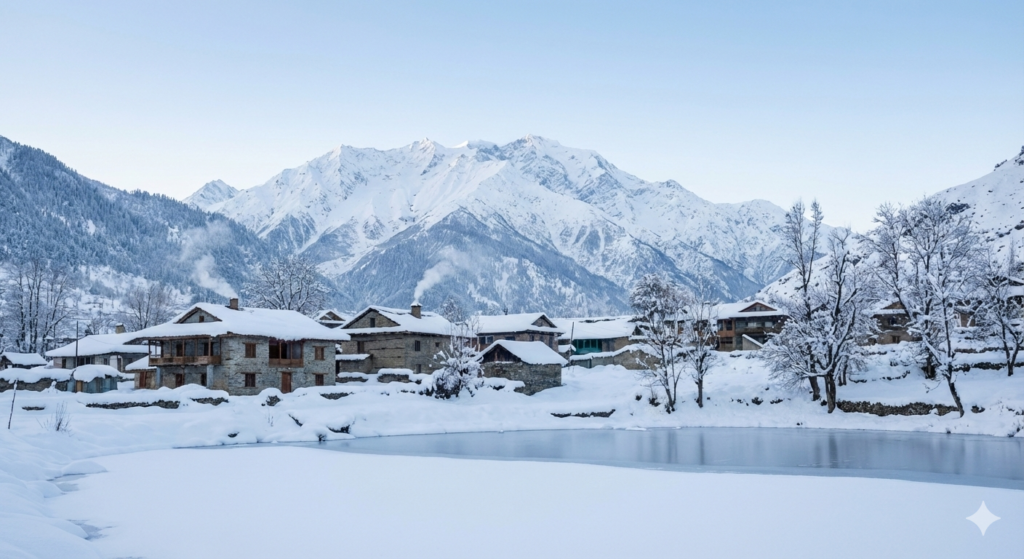
Winter presents challenging conditions making it highly selective as the best time to visit himalayas, appealing primarily to winter sports enthusiasts and those seeking snow experiences in accessible lower valleys while high-altitude regions become inaccessible.
Winter Himalaya Temperature:
- Lower valleys: 5-15°C day, -5 to 5°C night
- Mid-altitudes: -5 to 5°C day, -15 to -5°C night
- High passes: Closed due to extreme cold and snow
- Ladakh: -20 to -10°C (extreme)
- Heavy snowfall at higher elevations
Accessible Winter Destinations:
Himachal Lower Valleys:
- Shimla, Manali (snow activities)
- Skiing at Solang Valley
- Snow-covered landscapes
- Christmas/New Year tourism
Uttarakhand Valleys:
- Mussoorie, Nainital accessible
- Auli skiing destination
- Lower altitude treks possible
- Spiritual retreats (Rishikesh, Haridwar)
Kashmir (Weather Permitting):
- Gulmarg skiing (world-class)
- Srinagar winter beauty
- Very cold but stunning
Advantages: Excellent skiing and winter sports at Auli, Gulmarg, Solang Valley, magical snow-covered landscapes creating winter wonderland atmosphere, lowest tourism costs of entire year, peaceful uncrowded destinations, unique winter beauty of himalayas with frozen waterfalls and ice formations, perfect for honeymooners seeking romantic snow settings, ideal for photography with snow-draped mountains, comfortable for spiritual retreats in Rishikesh (warmer lower altitude).
Considerations: High passes completely closed restricting regional movement, Ladakh and Spiti inaccessible (roads closed), extreme cold requiring extensive winter gear, limited accommodation options with many hotels closed, short daylight hours (sunrise 7 AM, sunset 5 PM), frequent road closures due to snowfall, not suitable for high-altitude trekking, risky for inexperienced mountain travelers, flight cancellations during heavy snowfall.
Winter Strategy:
- Focus on accessible lower valley destinations only
- Book ski resort accommodations well in advance
- Avoid attempting high-altitude travel
- Carry comprehensive winter clothing
- Monitor weather forecasts closely
- Consider Rishikesh for comfortable winter Himalayan experience
- Budget ₹20,000-45,000 per person (5-7 days)
Regional Himalayan Climate Variations
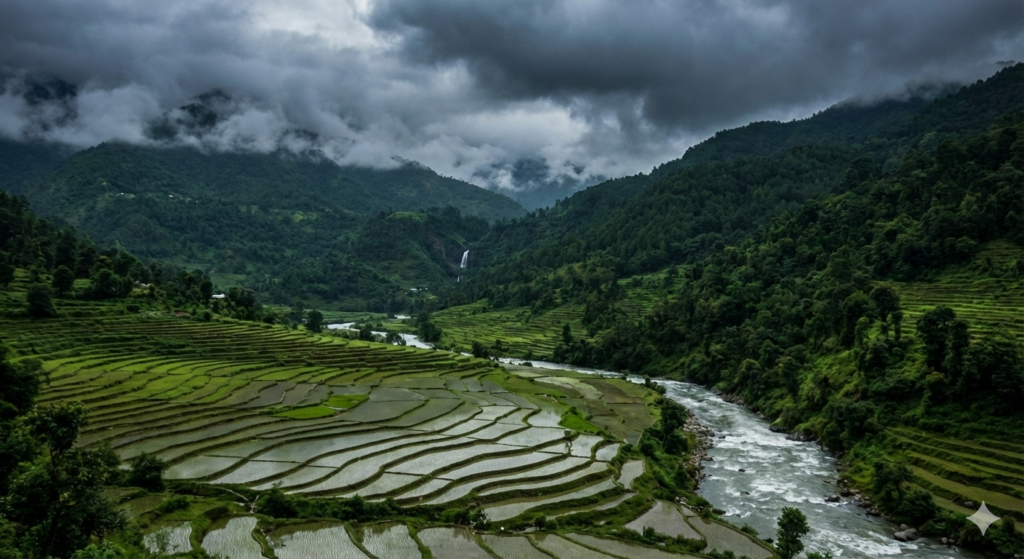
Western Himalayas (Jammu & Kashmir, Himachal):
- Monsoon: Moderate rainfall (June-August)
- Best months: March-June, September-November
- Winter: Heavy snowfall, skiing season
- Ladakh: Dry year-round, best June-September
Central Himalayas (Uttarakhand):
- Monsoon: Heavy rainfall (July-August)
- Best months: April-June, September-November
- Pilgrimage season: May-October
- Winter: Cold but lower valleys accessible
Eastern Himalayas (Sikkim, Darjeeling, Arunachal):
- Monsoon: Very heavy (June-September)
- Best months: March-May, October-November
- High humidity year-round
- Winter: Cold, limited tourism
Trans-Himalayas (Ladakh, Spiti):
- Rain-shadow region, minimal rainfall
- Best months: June-September only
- Extreme winter cold (-30°C)
- Completely inaccessible October-May
5 Tourist Places in Himalayas: Timing Recommendations
Understanding ideal timing for visiting iconic destinations helps optimize himalaya tourism experiences:
1. Leh-Ladakh (Jammu & Kashmir):
- Best time: June-September
- Himalaya temperature: 20-30°C day, 10-15°C night
- Attractions: Pangong Lake, Nubra Valley, monasteries
- Road access: Manali-Leh opens June, closes October
- Peak crowds: July-August
2. Manali (Himachal Pradesh):
- Best time: March-June, September-November
- Temperature: 10-25°C (spring/autumn)
- Attractions: Rohtang Pass, Solang Valley, Old Manali
- Winter: Snow activities (December-February)
- Avoid: Heavy monsoon (July-August)
3. Rishikesh (Uttarakhand):
- Best time: September-November, February-May
- Temperature: 15-30°C
- Attractions: River rafting, yoga retreats, temples
- Avoid: Monsoon floods (July-August)
- Winter: Pleasant (10-20°C)
4. Darjeeling (West Bengal):
- Best time: March-May, September-November
- Temperature: 10-20°C
- Attractions: Tiger Hill, tea gardens, toy train
- Spring: Rhododendron blooms
- Avoid: Monsoon (June-August)
5. Gangtok (Sikkim):
- Best time: March-June, September-November
- Temperature: 10-25°C
- Attractions: Tsomgo Lake, monasteries, cable car
- Clear mountain views: October-November
- Monsoon: Heavy rainfall (July-September)
For comprehensive Himalayan travel experiences, explore best places to visit in mountains for diverse elevation destinations, compare Spiti Valley vs Leh Ladakh for choosing between high-altitude deserts, discover offbeat places in Himachal Pradesh for unexplored gems, find places to visit in Gangotri for spiritual Himalayan experiences, or explore budget trips in India including affordable Himalayan adventures.
Essential Himalayas Travel Information
Permits Required:
- Ladakh: Inner Line Permit for restricted areas (Nubra, Pangong)
- Sikkim: Protected Area Permit (Tsomgo Lake, Nathula)
- Uttarakhand: Registration for certain treks
- Arunachal Pradesh: Inner Line Permit (mandatory)
Altitude Acclimatization:
- Essential above 2,500 meters
- Ascend gradually (300-500m per day)
- Stay hydrated, avoid alcohol
- Diamox medication if needed
- Recognize altitude sickness symptoms
Getting There:
By Air:
- Major airports: Leh, Srinagar, Bagdogra (Darjeeling/Gangtok), Dehradun
- Seasonal operations in Ladakh (June-September)
- Book flights early for peak season
By Road:
- Delhi to Manali: 540 km (12-14 hours)
- Delhi to Rishikesh: 240 km (6-7 hours)
- Manali-Leh Highway: Open June-October only
- Srinagar-Leh Highway: Alternative route
By Train:
- Nearest stations: Chandigarh (Himachal), Haridwar (Uttarakhand)
- New Jalpaiguri (Darjeeling/Sikkim)
- No direct train to high-altitude areas
Accommodation:
- Budget: ₹500-1,500/night (guesthouses, hostels)
- Mid-range: ₹2,000-5,000/night (hotels)
- Luxury: ₹8,000-25,000/night (resorts)
- Homestays: ₹800-2,500/night (authentic experiences)
Travel Himalayas Budget (Per Person, 7-10 Days):
- Budget trip: ₹20,000-35,000
- Comfortable: ₹40,000-70,000
- Luxury: ₹1,00,000-2,00,000
- Ladakh trips typically 30% higher costs
Packing Essentials:
- Layered clothing for temperature variations
- Warm jacket (even in summer for high altitudes)
- Sun protection (sunscreen SPF 50+, sunglasses, hat)
- Rain gear (waterproof jacket, bag cover)
- Comfortable trekking shoes
- First aid kit with altitude sickness medication
- Water purification tablets
- Power bank (electricity unreliable)
Safety Considerations:
- Check weather forecasts before travel
- Avoid monsoon season in landslide-prone areas
- Travel insurance mandatory for high-altitude regions
- Register with local authorities for remote treks
- Carry emergency contacts
- Respect local customs and environment
Conclusion
Determining the best time to visit himalayas depends on balancing regional preferences, altitude considerations, and activity interests across the world’s most diverse mountain system. Autumn (September-November) emerges as optimal for most travelers offering stable weather and crystal-clear visibility, while spring (March-May) provides blooming landscapes and comfortable conditions. Summer (June-August) unlocks high-altitude regions like Ladakh despite monsoon challenges elsewhere, and winter (December-February) appeals to snow sports enthusiasts in accessible valleys.
Frenzy Holidays specializes in crafting expertly planned Himalayan adventures with professional guides, comfortable accommodations, and seamless logistics for safe, enriching mountain experiences across all accessible regions. Visit us at Haware Centurion, S07/34, Nerul East, Sector 19A, Nerul, Navi Mumbai, Maharashtra 400706. For customized himalaya trip packages and expert guidance on travel himalayas timing, call +91 7400453140, email [email protected], or visit www.frenzyholidays.com. Embark on your dream Himalayan journey with Frenzy Holidays ensuring your mountain adventure is safe, comfortable, and truly unforgettable.
Best Time to Visit Himalayas – FAQs
What is the best time to visit himalayas overall?
September to November is the best time to visit himalayas offering crystal-clear visibility, stable weather, comfortable temperatures (10-25°C), and accessibility to most regions before winter closures, perfect for trekking and photography.
When is the best time for a himalaya trip to Ladakh?
June to September is ideal for himalaya trip to Ladakh when roads open and weather permits travel, with July-August offering warmest conditions (20-30°C) and maximum accessibility to high passes like Khardung La.
What is the himalaya temperature in different seasons?
Himalaya temperature varies dramatically: spring (15-25°C valleys), summer (20-30°C accessible areas), autumn (10-20°C most regions), winter (-10 to 10°C lower valleys, extreme cold at high altitudes).
How can I experience the beauty of himalayas best?
Experience beauty of himalayas optimally during autumn (September-November) for clear mountain views, spring (March-May) for rhododendron blooms, or summer (June-August) for high-altitude landscapes in Ladakh and Spiti Valley.
When should I avoid travel himalayas?
Avoid travel himalayas during monsoon (July-August) in Himachal and Uttarakhand due to landslide risks, and December-February for high-altitude areas due to road closures and extreme cold, except for winter sports destinations.
What are the 5 tourist places in himalayas I should visit?
The 5 tourist places in himalayas include Leh-Ladakh (June-September), Manali (March-June, Sept-Nov), Rishikesh (year-round except monsoon), Darjeeling (March-May, Sept-Nov), and Gangtok (March-June, Sept-Nov) offering diverse experiences.
What is the best time for himalaya tourism in Uttarakhand?
April to June and September to November are best for himalaya tourism in Uttarakhand, offering pleasant weather (15-25°C) for Char Dham pilgrimages, valley treks, and hill station visits avoiding monsoon landslides.
Can I visit Himalayas during monsoon season?
Monsoon (June-August) is risky for most Himalayan regions due to landslides, but excellent for Ladakh and Spiti Valley which remain dry. Avoid Western and Central Himalayas unless experienced with flexible schedules.
What budget is needed to travel himalayas?
Budget to travel himalayas ranges ₹20,000-35,000 for budget trips, ₹40,000-70,000 for comfortable experiences, and ₹1,00,000+ for luxury (7-10 days per person). Ladakh trips typically cost 30% more than other regions.
How many days needed for complete himalaya trip?
7-10 days sufficient for single-region himalaya trip (Ladakh, Manali, or Sikkim). Comprehensive experiences covering multiple states require 12-15 days. Plan minimum 5 days for high-altitude destinations allowing acclimatization time.
