
The best time to visit Koraput is between October and March, when the weather is cool and comfortable, the tribal weekly markets are in full swing, and the rolling Eastern Ghats landscape is at its most accessible and rewarding. November and December are particularly good months, offering pleasant temperatures, clear skies, and the rich cultural atmosphere of the post-harvest season.
Tucked into the southernmost corner of Odisha along the border with Andhra Pradesh and Chhattisgarh, Koraput is one of India’s most culturally rich and least visited tribal destinations. Home to some of the oldest indigenous communities in the subcontinent, including the Kondh, Gadaba, Bonda, Paraja, and Dongria Kondh tribes, the district offers an extraordinary window into ways of life that have remained largely unchanged for centuries. Set across a high plateau of the Eastern Ghats at an average altitude of around 900 metres, Koraput combines tribal culture with dense forests, coffee and cardamom plantations, waterfalls, and ancient temple heritage. Understanding the best time to visit Koraput ensures you plan around the right weather, the right tribal markets, and the most rewarding travel conditions this unique district has to offer.
Confused where to go for quick escape? Let us plan it for you.
Grab the Best DealTable of Contents
Quick Reference: Best Time to Visit Koraput
Planning a trip to one of Odisha’s most fascinating and offbeat destinations? Here is a handy snapshot of everything you need to know before booking your journey to the tribal heartland of the Eastern Ghats.
| Detail | Information |
|---|---|
| Location | Koraput District, Southern Odisha |
| Average Altitude | Approximately 900 metres |
| Nearest Airport | Jeypore Airport (approx. 40 km) / Visakhapatnam Airport (approx. 175 km) |
| Nearest Railway Station | Koraput Railway Station |
| Nearest Major City | Visakhapatnam (approx. 175 km) |
| Best Season | October to March |
| Peak Months | November and December |
| Key Tribal Markets | Onukudelli (Thursday), Chatikona (Monday), Mathili (Tuesday) |
| Winter Temperature | 10°C to 26°C |
| Summer Temperature | 24°C to 38°C |
| State Capital | Bhubaneswar |
| Languages | Odia, Koraput Odia, various tribal languages |
Best Time to Visit Koraput
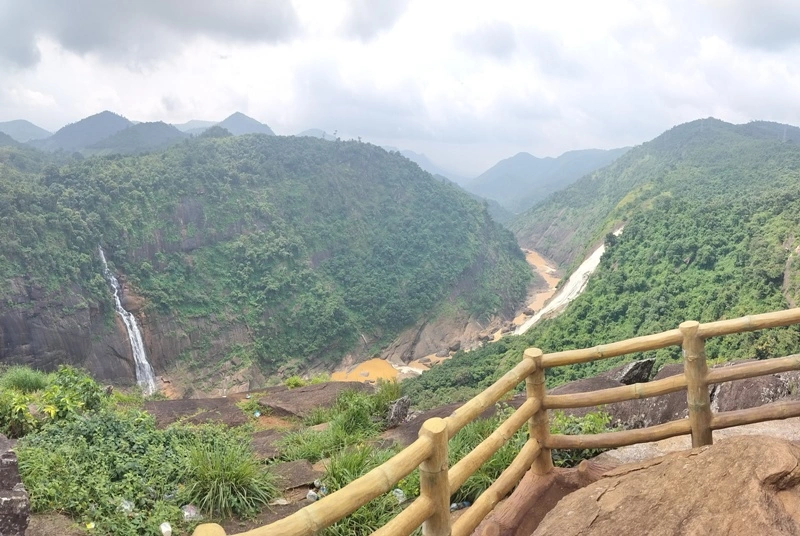
The best time to visit Koraput is from October to March. Koraput’s elevated plateau location gives it a more temperate climate than the Odisha coast, and the winter months bring the most comfortable conditions for exploring tribal villages, forest landscapes, and cultural markets. This window also avoids the heat and the monsoon disruptions that affect travel significantly during other months.
October to March: Best Season Overall
October through March is the most rewarding period for visiting Koraput across every dimension of travel, from weather and road conditions to tribal market activity and cultural richness. Temperatures range between 10°C and 26°C, with cool mornings, pleasant afternoons, and crisp evenings that make long drives through the Eastern Ghats countryside deeply enjoyable.
October and November mark the post-monsoon recovery of the landscape. The forests are lush and green, the waterfalls are still running at good volume after the rains, and the tribal communities are in the midst of harvest celebrations that bring colour, music, and festivity to the villages. The weekly tribal markets, known locally as haats, are at their most vibrant in this season as communities trade their harvest produce and traditional goods.
December and January are the coolest months, with temperatures occasionally dipping to around 10°C at night in the higher reaches of the district. This is also the period when the famous Onukudelli tribal market draws the largest number of Bonda tribal visitors, making it the most culturally immersive time to be in the region. February and March see temperatures rise gently toward summer, the forests retain their green character, and travel conditions remain excellent across the district.
Koraput is one of Odisha’s most rewarding offbeat destinations, and it sits within a state that has a remarkable range of such experiences. Our guide to offbeat places in Odisha covers the full breadth of the state’s lesser-known gems and makes a valuable companion for planning a wider Odisha itinerary around your Koraput visit.
April to June: Pre-Monsoon and Summer
April through June sees temperatures climb progressively from 24°C to 38°C, and while Koraput’s altitude keeps it cooler than the Odisha coast, the summer heat does reduce the comfort of long outdoor explorations. The tribal markets continue through this period and the coffee and cardamom plantations around Koraput and Jeypore are often at a photogenic stage before the rains. April is still a manageable month for travel, but May and June become increasingly uncomfortable by midday.
The pre-monsoon weeks of May and June occasionally bring thunder showers that offer brief relief from the heat. Travellers visiting in this window should plan outdoor excursions for early mornings and restrict midday activity.
July to September: Monsoon
The monsoon arrives in Koraput by late June and runs through September, with July and August receiving the heaviest rainfall in the district. The landscape transforms dramatically, with the Eastern Ghats turning a deep, saturated green and waterfalls such as Duduma Falls on the Machkund river running at their most powerful and spectacular volume.
However, road connectivity in Koraput’s interior villages and tribal areas is frequently disrupted during the peak monsoon months. Many rural roads become impassable, and access to the more remote tribal communities and forest areas is significantly restricted. The Onukudelli and Chatikona markets continue even during the monsoon, but reaching them safely requires careful planning and local knowledge.
The monsoon is best suited to experienced travellers comfortable with uncertainty and unpredictable road conditions. For most visitors, the October to March window remains strongly preferable for a first visit to Koraput.
About Koraput: A Tribal World Unlike Any Other
Koraput is home to some of the most culturally distinct and visually striking tribal communities in India. The Bonda tribe, sometimes called the Bonda Highlanders, are among the most photographed indigenous communities in the country, known for their distinctive attire, elaborate bead jewellery, and near-complete cultural isolation from mainstream Indian society. The Bonda women’s traditional dress and ornaments are one of the most recognisable images of tribal Odisha.
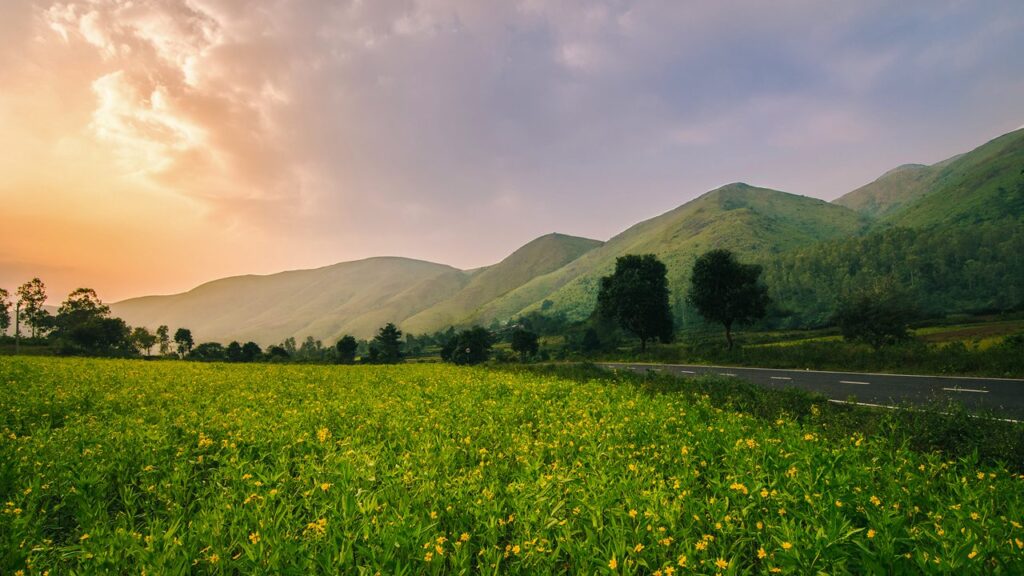
The weekly tribal haats are the beating heart of the Koraput experience for travellers. These open-air markets bring together tribal communities from the surrounding hills and forests to trade produce, crafts, livestock, and traditional goods. The most famous markets include the Onukudelli haat held every Thursday, which draws significant numbers of Bonda tribal visitors, the Chatikona haat on Mondays, and the Mathili haat on Tuesdays. Visiting these markets with a knowledgeable local guide is the single most immersive cultural experience available in the district.
Duduma Falls, formed by the Machkund river on the Odisha-Andhra Pradesh border approximately 40 km from Koraput, is one of the most impressive waterfalls in the Eastern Ghats, dropping approximately 175 metres into a forested gorge. The falls are most spectacular during and immediately after the monsoon but are visitable year-round.
Koraput also carries significant historical weight. The region has ancient associations with the Kalinga kingdom and later with various medieval dynasties of Odisha. Our guide to historical places in Odisha covers the broader sweep of the state’s heritage destinations and provides useful context for understanding Koraput’s place within Odisha’s long historical narrative.
For travellers combining a Koraput trip with Odisha’s coastal and temple circuit, the journey to Puri and its iconic Jagannath Temple is one of the most significant additions possible. Our guide on how to reach Jagannath Puri covers all transport options in detail. And for those planning to visit the UNESCO-nominated Konark Sun Temple, our guide on the best time to visit Konark Sun Temple covers the monument’s seasons and festivals in full.
How to Reach Koraput?
Koraput is well connected by rail and road from the major cities of Odisha and Andhra Pradesh, though air access remains limited. Most travellers arrive by train or by road from Visakhapatnam or Bhubaneswar.
How to Reach Koraput by Air?
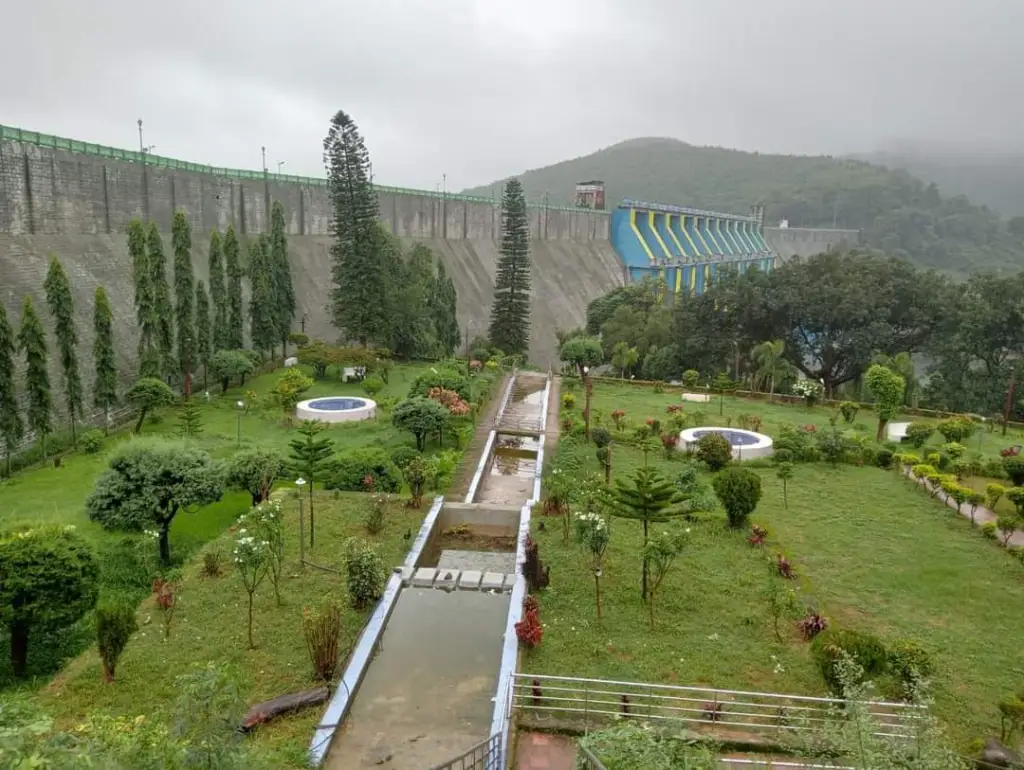
Jeypore Airport, approximately 40 km from Koraput town, has limited flight connections and operates on a restricted schedule. Visakhapatnam International Airport in Andhra Pradesh, approximately 175 km from Koraput, is the most practical air gateway with regular connections from Delhi, Mumbai, Hyderabad, and Bengaluru. From Visakhapatnam, hire a private taxi to Koraput, a drive of approximately 4 to 5 hours through scenic Eastern Ghats terrain.
How to Reach Koraput by Train?
Koraput Railway Station is on the Kirandul line and is directly connected to Visakhapatnam by the Kirandul-Visakhapatnam Passenger and the Hirakhand Express, one of the most scenic railway journeys in India. The Visakhapatnam to Koraput train journey takes approximately 9 to 10 hours and passes through the Araku Valley and the Eastern Ghats, making the journey itself a highlight of any Koraput trip. Trains also connect Koraput to Bhubaneswar via Rayagada and Berhampur.
How to Reach Koraput by Road?
Koraput is approximately 175 km from Visakhapatnam by road via Araku Valley and Paderu, a drive of 4 to 5 hours. From Bhubaneswar, the distance is approximately 500 km by road via Berhampur and Rayagada, a journey of 9 to 10 hours. State buses and private buses operate on both routes. Self-drive is a good option for travellers who want flexibility in exploring the district’s remote tribal villages and forest areas.
Nearby Places to Visit
Koraput sits at the heart of a deeply rewarding travel region in southern Odisha, with natural, cultural, and heritage destinations within comfortable reach.
- Duduma Falls: One of the Eastern Ghats’ most dramatic waterfalls, located approximately 40 km from Koraput on the Odisha-Andhra Pradesh border. The Machkund river drops approximately 175 metres into a forested gorge below. Best visited between October and January for a balance of water volume and safe access.
- Onukudelli Tribal Haat: Held every Thursday approximately 90 km from Koraput, this is the most famous tribal market in the region and the best opportunity for visitors to encounter Bonda tribal communities in their traditional attire and ornaments. A local guide is essential for a respectful and meaningful visit.
- Jeypore: The largest town near Koraput, approximately 40 km away, Jeypore is the commercial and administrative hub of the region with better hotel options, ATMs, and connectivity. The Jeypore Palace, a 19th-century royal palace, is a worthwhile heritage stop in the town itself.
- Deomali Peak: At approximately 1,672 metres, Deomali is the highest peak in Odisha and sits approximately 60 km from Koraput near the Andhra Pradesh border. The trek to Deomali passes through dense forest and offers outstanding views across the Eastern Ghats and is best attempted between October and February.
- Gupteswar Cave Temple: Approximately 60 km from Koraput, Gupteswar is an important Shaivite pilgrimage site set within a natural limestone cave on the banks of the Kolab river. The cave contains a naturally formed Shivalinga and attracts pilgrims year-round, with the Shivaratri festival in February and March drawing the largest crowds.
- Kolab Reservoir: The large reservoir formed by the Machhkund river system near Koraput offers scenic lakeside views and is a peaceful stop for bird watching and photography. The surrounding forests are home to a variety of resident and migratory bird species.
Essential Tips for Visiting Koraput
Koraput rewards careful preparation. The district’s remote character, limited tourism infrastructure, and the cultural sensitivity required around tribal communities make advance planning essential for a respectful and rewarding visit.
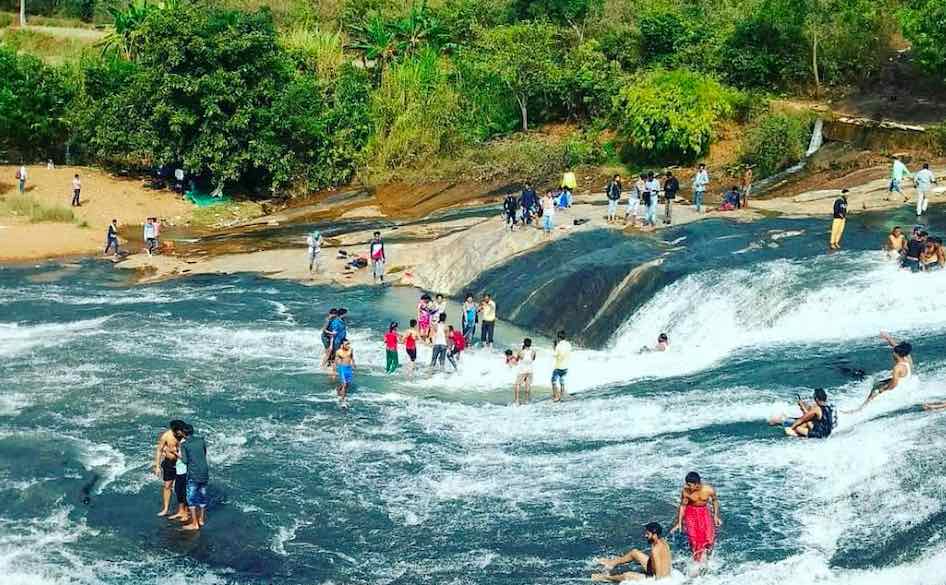
- The weekly tribal haats are the centrepiece of any Koraput trip. Plan your itinerary around the market days: Onukudelli on Thursdays, Chatikona on Mondays, and Mathili on Tuesdays. Confirm market dates and timings locally on arrival as these occasionally shift during festivals.
- Always visit tribal markets and villages with a knowledgeable local guide. Respect for community privacy, cultural sensitivity, and responsible photography practices are essential. Ask permission before photographing tribal individuals, and follow your guide’s advice at all times.
- Photography at tribal haats requires sensitivity. Many Bonda tribal women are comfortable being photographed but some are not. Never photograph anyone without clear consent and never offer money in exchange for photographs as this is considered disrespectful.
- Carry sufficient cash before leaving Jeypore or Koraput town. ATMs are unreliable in smaller towns and unavailable in most rural and tribal areas of the district.
- Mobile connectivity is available from major operators in Koraput town and Jeypore but becomes patchy in the interior tribal areas and forest zones. Download offline maps before setting out on day trips.
- Road conditions in Koraput’s interior can be rough, particularly on routes to remote tribal villages. A four-wheel-drive vehicle or a robust SUV is advisable for travel beyond the main highways, especially immediately after the monsoon season.
- The best time to visit Koraput for Duduma Falls is October to January, when water flow is strong following the monsoon but roads are safe and accessible.
- Dress modestly and respectfully when visiting tribal villages, cave temples, and pilgrimage sites. Lightweight cotton clothing is suitable for most of the year; carry a light jacket for cool December and January evenings.
- Accommodation options in Koraput town are limited but functional. Jeypore has a wider range of hotels. Book accommodation in advance during the October to December peak season, particularly around the Onukudelli market Thursdays when demand is highest.
- Koraput’s cuisine features rice, lentils, and forest greens. Local eateries are simple but wholesome. Inform your accommodation in advance if you have specific dietary requirements.
Conclusion
Koraput is one of India’s most genuinely immersive cultural destinations, a place where living tribal traditions, ancient forests, and an unhurried pace of life combine to create an experience that no curated tourist circuit can replicate. From the drama of the Onukudelli tribal haat to the thunder of Duduma Falls and the solitude of Deomali Peak, the best time to visit Koraput rewards visitors who come with curiosity, patience, and respect for the communities that make this region extraordinary.

At Frenzy Holidays, we help you plan immersive cultural and nature travel experiences across Odisha and beyond. Reach out to us at [email protected], call us at 074004 53140, or visit us at Frenzy Holidays, Haware Centurion, S07/34, Nerul East, Sector 19A, Nerul, Navi Mumbai, Maharashtra 400706, and we will take care of every detail of your Koraput journey.
Best Time to Visit Koraput: FAQs
What is the best time to visit Koraput?
October to March is the best time, with cool temperatures between 10°C and 26°C. November and December are the peak months for tribal market visits and overall travel comfort.
What is the Onukudelli tribal haat and when is it held?
Onukudelli is the most famous weekly tribal market in Koraput, held every Thursday approximately 90 km from the town. It draws significant numbers of Bonda tribal visitors and is the most culturally immersive experience available in the district.
How do I reach Koraput?
The most practical route is to fly to Visakhapatnam and drive approximately 175 km to Koraput, or take the scenic Kirandul-Visakhapatnam train, one of India’s most beautiful rail journeys.
What is the temperature in Koraput in December?
Temperatures in December range between 10°C and 22°C, with cool mornings and pleasant afternoons. Evenings can be chilly, so carry a light jacket.
Is Koraput safe for tourists?
Yes, Koraput is safe for tourists. Exercise standard travel caution, hire a local guide for tribal area visits, and follow your guide’s advice on community interactions and photography.
What are the best tribal markets to visit in Koraput?
The top markets are Onukudelli (Thursday), Chatikona (Monday), and Mathili (Tuesday). Each market draws different tribal communities and offers a distinct cultural experience.
Can I visit Duduma Falls from Koraput?
Yes. Duduma Falls is approximately 40 km from Koraput and is easily visited as a half-day or full-day trip. The best time to visit is between October and January when water flow is strong and roads are in good condition.
What should I pack for a Koraput trip?
Light cotton clothing for daytime, a warm layer for December and January evenings, comfortable walking shoes, a camera, insect repellent, and sufficient cash for the duration of your stay.
Do I need a permit to visit tribal areas in Koraput?
Tribal area visits in Koraput do not currently require a special permit for Indian nationals, but it is strongly recommended to travel with a registered local guide who has community relationships and can ensure respectful and responsible engagement.
What is the best way to explore Koraput?
Hiring a private vehicle with a local driver-guide for the duration of your stay is the most flexible and rewarding way to explore Koraput, allowing you to reach remote tribal markets, waterfalls, and village areas at your own pace.
