
The best time to visit Netarhat is from October to March, when the weather is cool and pleasant, skies are clear, and the hill station’s sunrises and sunsets are at their most spectacular. November to February is the peak season. Monsoon (July to September) brings heavy rainfall that transforms the forests and waterfalls but can disrupt road travel.
Netarhat is one of the most beautiful and least commercialised hill stations in eastern India, popularly known as the Queen of Chotanagpur. Located in the Latehar district of Jharkhand at an elevation of approximately 1,127 metres (3,700 feet) above sea level, Netarhat sits on the highest point of the Chotanagpur Plateau, surrounded by dense forests of Sal, Mahua, Pine, Kendu, and Eucalyptus trees. The hill station was historically a favoured retreat for British officers during the colonial era and is home to the prestigious Netarhat Residential School, established in 1954 and widely regarded as one of the finest residential schools in India. Netarhat is best known for two things above all else: the legendary sunrise and sunset views from Magnolia Point and Sunrise Point, and its dramatic cascade of waterfalls including the Upper Ghaghri, Lower Ghaghri, Lodh, and Sadni Falls. The hill station is approximately 156 km from Ranchi and around 96 km from Daltonganj, making it an accessible yet genuinely offbeat weekend destination for travellers from across eastern India.
Confused where to go for quick escape? Let us plan it for you.
Grab the Best DealTable of Contents
Best Time to Visit Netarhat — Season Wise Guide
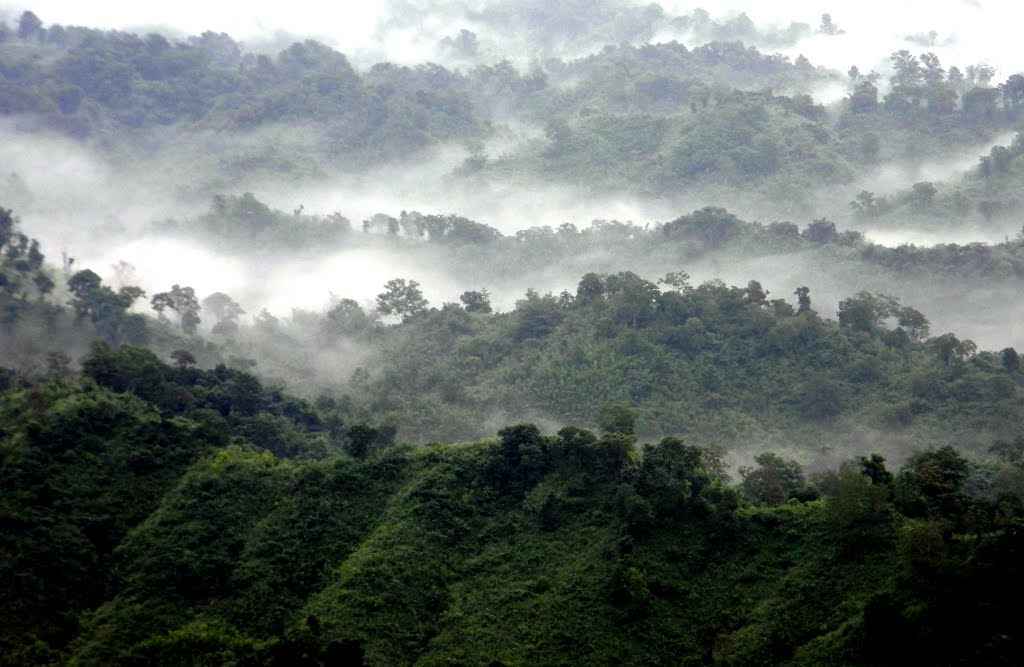
Netarhat’s high-altitude setting on the Chotanagpur Plateau gives it a climate noticeably cooler than the surrounding plains of Jharkhand, Bihar, and West Bengal. Understanding the best time to visit Netarhat helps you make the most of its natural highlights, from sunrise views to waterfall walks. Here is a quick reference followed by the full seasonal breakdown.
| Detail | Information |
|---|---|
| Location | Latehar District, Jharkhand (Chotanagpur Plateau) |
| Altitude | 1,127 m (3,700 ft) above sea level |
| Distance from Ranchi | Approximately 156 km |
| Distance from Daltonganj | Approximately 96 km |
| Best Time to Visit | October to March |
| Peak Season | November to February |
| Monsoon Season | July to September |
| Summer Season | March to June |
| Nearest Railway Station | Latehar (approx. 110 km) / Ranchi (approx. 156 km) |
| Nearest Airport | Birsa Munda Airport, Ranchi (approx. 156 km) |
Season Wise Best Time to Visit Netarhat
The best time to visit Netarhat varies depending on what you are looking for, whether that is clear sunrise views, lush green waterfalls, or cool forest walks. Here is a season-by-season breakdown to help you plan.
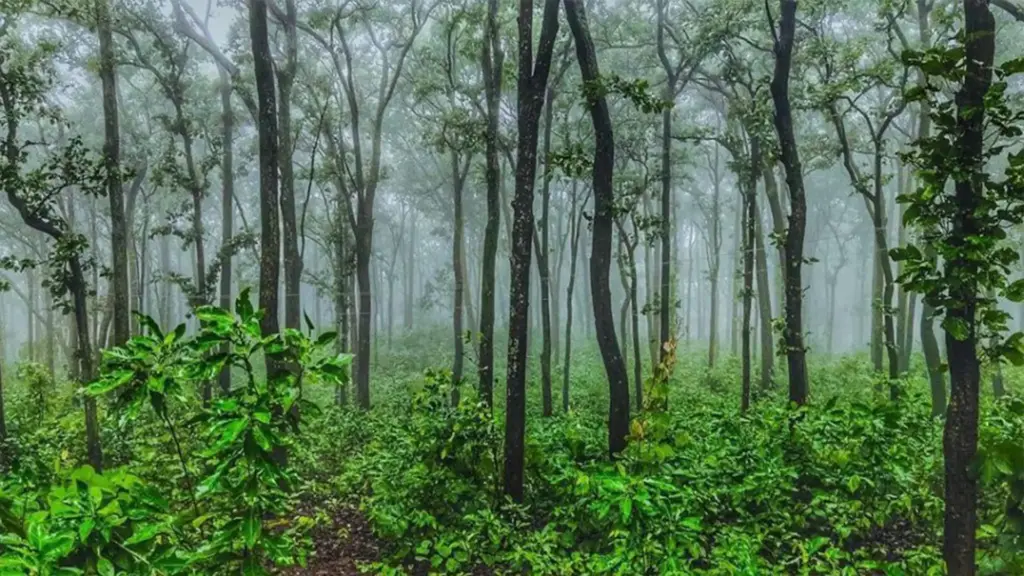
October to March (Peak Season — Best Time to Visit Netarhat)
- Temperatures: 8°C to 20°C, cool to cold with crisp, clear air
- Skies are at their clearest, offering the best conditions for sunrise at Sunrise Point and sunset at Magnolia Point
- December and January are the coldest months, with temperatures dropping to around 6°C to 8°C and mist-covered mornings
- The misty winter mornings in Netarhat are considered a highlight in themselves, with the sun breaking through dense white fog over the forested valleys
- Ideal for forest walks, trekking, bird watching, and photography
- October and November offer a pleasant transition from monsoon, with lush green landscapes and clear skies
- Book accommodation in advance as this is the peak tourist season, particularly on weekends
March to June (Summer Season)
- Temperatures: 18°C to 35°C, warm but considerably cooler than the surrounding plains
- Netarhat remains a popular escape from the heat of Ranchi, Patna, and Kolkata during this period
- Clear skies make sunrise and sunset viewing comfortable in the mornings and evenings
- April and May see wildflowers blooming across the forests and hillsides
- A light jacket is recommended for early mornings and evenings
- Fewer crowds compared to the winter peak season, making it a good time for a quieter visit
July to September (Monsoon Season)
- Temperatures: 20°C to 30°C, heavy and continuous rainfall throughout the region
- The forests of Netarhat turn a vivid, almost unreal shade of green during the monsoon
- All waterfalls, including Upper Ghaghri, Lower Ghaghri, and Lodh Falls, are at their most powerful and dramatic
- Road conditions can be challenging due to heavy rainfall and occasional landslides on the approach roads
- Sunrise and sunset views are frequently obscured by clouds and mist
- Recommended for travellers who specifically enjoy monsoon landscapes and are comfortable with unpredictable road conditions
Netarhat Season Wise Highlights
Here is a quick snapshot of what each season offers to help you decide the best time to visit Netarhat based on your travel priorities.
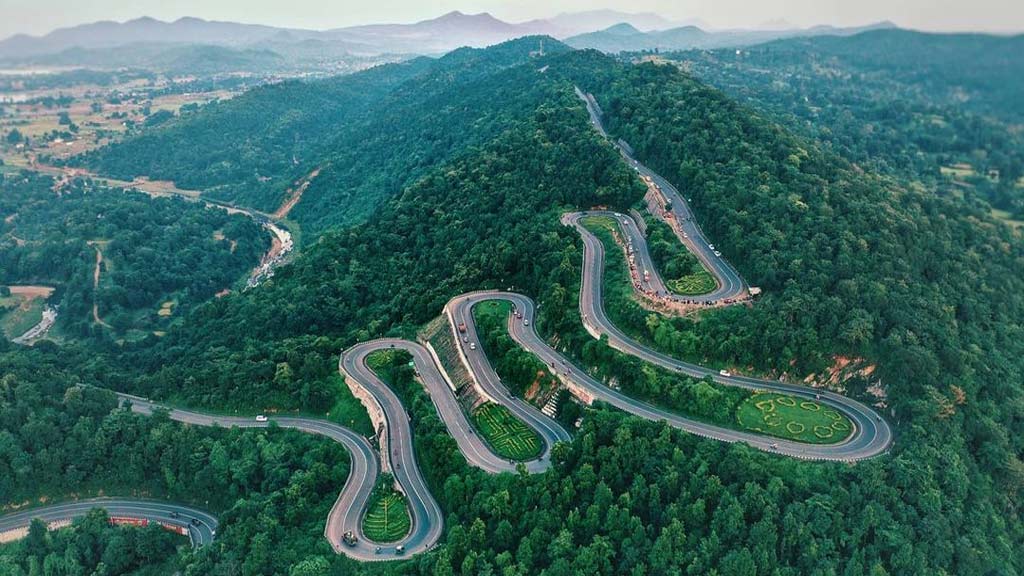
October to March (Peak Season): Cool and clear weather, best sunrise and sunset views, forest walks, bird watching, misty winter mornings in December and January. Peak tourist footfall on weekends — book accommodation in advance.
March to June (Summer): Warmer but still cooler than the plains, wildflowers in April and May, fewer crowds, comfortable for morning and evening sightseeing. Good for a budget-friendly, quieter trip.
July to September (Monsoon): Waterfalls at full force, vivid green forests and valleys, far fewer tourists. Road conditions can be unpredictable. Best for nature lovers and monsoon travel enthusiasts.
Places to Visit in Netarhat
Netarhat has a compact but rewarding set of natural and scenic attractions. Most can be covered comfortably in 2 to 3 days.
Magnolia Point
Magnolia Point, located approximately 10 km from Netarhat town, is the most iconic attraction in the region and the primary reason most travellers visit. It is best known for its breathtaking sunset views, where the sun descends behind the Vindhya mountain ranges in a sweep of deep orange and red. The point is named after a British girl named Magnolia, associated with a tragic colonial-era story, and sits on a high ridge surrounded by Magnolia trees and dense forest. While sunrises can sometimes be obscured by mist, the sunsets at Magnolia Point are consistently spectacular and unmissable. The point is approximately half a kilometre from the Netarhat bus stand.
Sunrise Point
Sunrise Point is the dedicated sunrise viewpoint in Netarhat, located around 1 km from the bus stand. Early morning visitors are rewarded with a dramatic sight of the forested hills emerging as dark silhouettes against a brightening sky before the full sun breaks over the horizon. The point is particularly atmospheric during winter months when the valley below is blanketed in white mist. It is ideal for time-lapse photography and is best visited by arriving at least 30 minutes before sunrise.
Upper Ghaghri Falls
Upper Ghaghri Falls is one of the most visited natural attractions near Netarhat, located approximately 4 km from the town. The waterfall originates from the Ghaghri River and drops from a height of around 98 metres into a forested valley. Surrounded by thick Sal forest and greenery, the falls offer a peaceful environment ideal for picnics, nature walks, and photography. The falls are most dramatic during and immediately after the monsoon when water flow is at its maximum.
Lower Ghaghri Falls
Lower Ghaghri Falls, approximately 10 km from Netarhat, is the second-highest waterfall in the region and drops from a height of nearly 100 metres through dense jungle. The fall is surrounded by tropical forest and is well known as a picnic spot. Like Upper Ghaghri, it is most powerful during the monsoon months of July to September, though it remains worth visiting through October and November when water levels are still high from the rains.
Lodh Falls
Lodh Falls (also known as Budha Ghag Falls) is the highest waterfall in Jharkhand and the 21st highest in India, located approximately 60 km from Netarhat. The waterfall plunges into a gorge surrounded by vivid blue-green hills, creating one of the most dramatic natural scenes in the state. The depth of the fall has never been measured despite multiple attempts, adding to its mystique. A Buddhist monastery nearby is the reason for its alternative name.
Koel View Point
Koel View Point is a scenic overlook approximately 2 km from the Netarhat bus stand, offering sweeping views of the Koel River as it winds through the valleys far below. The point is ideal for photography and quiet contemplation. The river is visible approximately 10 km below the viewpoint, winding through dense forest and rocky terrain.
Betla National Park
Betla National Park, located approximately 90 km from Netarhat in the Palamu district, is one of India’s earliest designated tiger reserves and a natural extension of a Netarhat trip. The park is home to tigers, elephants, leopards, deer, and a wide range of bird species. Jeep safaris into the Betla forest are available and can be combined with a 3 to 4 day Netarhat itinerary for a complete Jharkhand nature experience.
Frenzy Holidays offers a range of India tour packages from Mumbai that can be customised to include Netarhat and the wider Jharkhand region. If you enjoy offbeat hill station experiences in eastern India, our guide to the best time to visit Ayodhya Hills in Purulia makes for a great companion read. For broader pilgrimage and eastern India travel planning, also explore our guide on how to reach Jagannath Puri from Delhi.
How to Reach Netarhat?
Netarhat is accessible by road from Ranchi, Daltonganj, and Latehar. There is no direct railway station or airport at the hill station. Here is a breakdown of all travel options.
How to Reach Netarhat by Air?
The nearest airport to Netarhat is Birsa Munda Airport in Ranchi, approximately 156 km away. Ranchi is well connected to major Indian cities including Delhi, Mumbai, Kolkata, and Bengaluru. From Ranchi airport, taxis and private cabs are available to Netarhat. The road journey from Ranchi takes approximately 4 to 5 hours through the scenic roads of the Chotanagpur Plateau.
How to Reach Netarhat by Train?
The nearest railway station is Latehar Railway Station, approximately 110 km from Netarhat. Ranchi Railway Station, at approximately 156 km, is a better-connected option with more train services from Delhi, Kolkata, Mumbai, and other major cities. From both Ranchi and Latehar, taxis and shared cabs are available for the onward journey to Netarhat.
How to Reach Netarhat by Road?
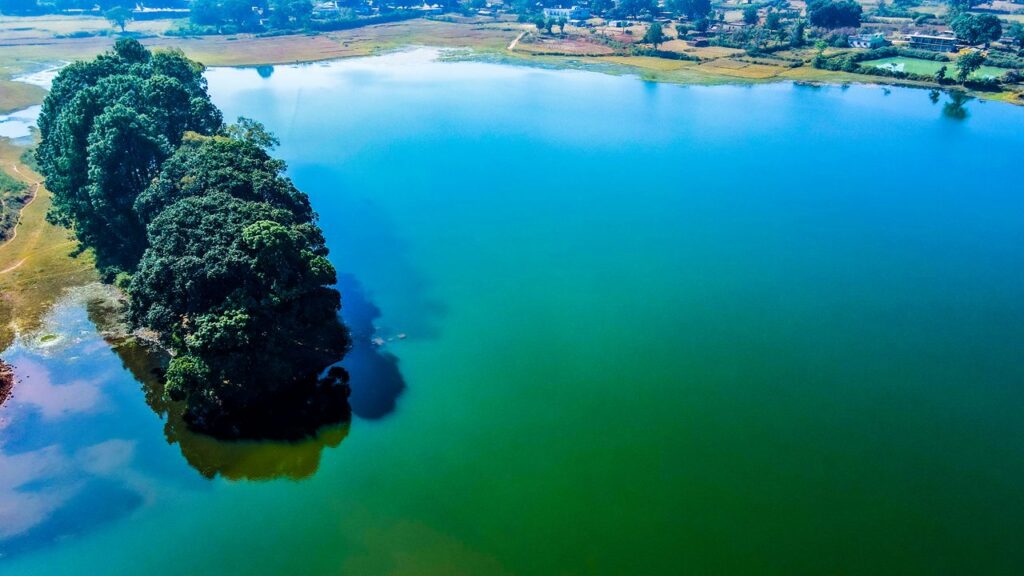
From Ranchi, Netarhat is approximately 156 km by road and takes around 4 to 5 hours by car or taxi. Regular government and private buses run from Ranchi to Netarhat. From Daltonganj, the distance is approximately 96 km, taking around 2.5 to 3 hours. From Latehar, Netarhat is approximately 110 km. The road journey to Netarhat is scenic, passing through tribal villages, dense forests, and the characteristic plateau landscape of Jharkhand. Private taxis from Ranchi are the most convenient option, especially for families and groups.
Practical Tips for Visiting Netarhat
Key points to keep in mind for a comfortable and well-planned visit to Netarhat.
- Arrive before sunrise for Sunrise Point. Reach the Sunrise Point at least 30 minutes before dawn. The viewpoint is a short walk from the bus stand and fills up quickly on weekends and holidays.
- Visit Magnolia Point well before sunset. The road to Magnolia Point is narrow. Arrive at least 45 minutes before sunset to find a good spot and avoid the last-minute rush.
- Book accommodation in advance for October to February. Netarhat has limited hotels and guesthouses, and they fill up fast during the peak winter season, especially on weekends and long holidays.
- Carry warm woolens for December and January. Temperatures can drop to 6°C on winter nights and mornings. Thermal layers, a jacket, and a woollen cap are essential for a December or January visit.
- Mobile network is weak in many parts of Netarhat. Download offline maps before your trip and carry all emergency contact numbers in written form.
- Carry cash. ATMs and digital payment acceptance are limited in Netarhat. Carry sufficient cash for accommodation, food, and transport.
- Allow at least 2 nights. A single day is not enough to cover Sunrise Point, Magnolia Point, Upper Ghaghri Falls, Lower Ghaghri Falls, and Koel View Point. Two nights and three days is the ideal minimum.
- Avoid visiting waterfalls immediately after very heavy monsoon rain. While the falls are dramatic during the monsoon, water levels can rise dangerously and approach paths can become slippery and unsafe.
Conclusion
The best time to visit Netarhat is October to March, when cool temperatures, clear skies, and the magical mist-wrapped mornings of the Chotanagpur Plateau combine to make every sunrise and sunset at this quiet hill station truly memorable. November to February is the peak window, with the most comfortable weather and the clearest views from Magnolia Point and Sunrise Point. For those drawn to dramatic waterfalls and lush green forests, the post-monsoon months of October and November offer the best of both worlds.
 that can be customised to include Netarhat and the wider Jharkhand region. If you enjoy offbeat hill station experiences in eastern India, our guide to the [best time to visit Ayodhya Hills in Purulia](https://frenzyholidays.com/best-time-to-visit-ayodhya-hills-purulia) makes for a great companion read. For broader pilgrimage and eastern India travel planning, also explore our guide on [how to reach Jagannath Puri from Delhi](https://frenzyholidays.com/how-to-reach-jagannath-puri-from-delhi).## How to Reach NetarhatNetarhat is accessible by road from Ranchi, Daltonganj, and Latehar. There is no direct railway station or airport at the hill station. Here is a breakdown of all travel options.### How to Reach Netarhat by Air?The nearest airport to Netarhat is **Birsa Munda Airport in Ranchi**, approximately **156 km** away. Ranchi is well connected to major Indian cities including Delhi, Mumbai, Kolkata, and Bengaluru. From Ranchi airport, taxis and private cabs are available to Netarhat. The road journey from Ranchi takes approximately **4 to 5 hours** through the scenic roads of the Chotanagpur Plateau.### How to Reach Netarhat by Train?The nearest railway station is **Latehar Railway Station**, approximately **110 km from Netarhat**. **Ranchi Railway Station**, at approximately **156 km**, is a better-connected option with more train services from Delhi, Kolkata, Mumbai, and other major cities. From both Ranchi and Latehar, taxis and shared cabs are available for the onward journey to Netarhat.### How to Reach Netarhat by Road?From **Ranchi**, Netarhat is approximately **156 km** by road and takes around **4 to 5 hours** by car or taxi. Regular government and private buses run from Ranchi to Netarhat. From **Daltonganj**, the distance is approximately **96 km**, taking around **2.5 to 3 hours**. From **Latehar**, Netarhat is approximately **110 km**. The road journey to Netarhat is scenic, passing through tribal villages, dense forests, and the characteristic plateau landscape of Jharkhand. Private taxis from Ranchi are the most convenient option, especially for families and groups.## Practical Tips for Visiting NetarhatKey points to keep in mind for a comfortable and well-planned visit to Netarhat.- **Arrive before sunrise for Sunrise Point.** Reach the Sunrise Point at least 30 minutes before dawn. The viewpoint is a short walk from the bus stand and fills up quickly on weekends and holidays.
- **Visit Magnolia Point well before sunset.** The road to Magnolia Point is narrow. Arrive at least 45 minutes before sunset to find a good spot and avoid the last-minute rush.
- **Book accommodation in advance for October to February.** Netarhat has limited hotels and guesthouses, and they fill up fast during the peak winter season, especially on weekends and long holidays.
- **Carry warm woolens for December and January.** Temperatures can drop to 6°C on winter nights and mornings. Thermal layers, a jacket, and a woollen cap are essential for a December or January visit.
- **Mobile network is weak in many parts of Netarhat.** Download offline maps before your trip and carry all emergency contact numbers in written form.
- **Carry cash.** ATMs and digital payment acceptance are limited in Netarhat. Carry sufficient cash for accommodation, food, and transport.
- **Allow at least 2 nights.** A single day is not enough to cover Sunrise Point, Magnolia Point, Upper Ghaghri Falls, Lower Ghaghri Falls, and Koel View Point. Two nights and three days is the ideal minimum.
- **Avoid visiting waterfalls immediately after very heavy monsoon rain.** While the falls are dramatic during the monsoon, water levels can rise dangerously and approach paths can become slippery and unsafe.## ConclusionThe **best time to visit Netarhat** is October to March, when cool temperatures, clear skies, and the magical mist-wrapped mornings of the Chotanagpur Plateau combine to make every sunrise and sunset at this quiet hill station truly memorable. November to February is the peak window, with the most comfortable weather and the clearest views from Magnolia Point and Sunrise Point. For those drawn to dramatic waterfalls and lush green forests, the post-monsoon months of October and November offer the best of both worlds.Frenzy Holidays ensures a smooth and enriching travel experience from start to finish. Visit us at Haware Centurion, S07/34, Nerul East, Sector 19A, Nerul, Navi Mumbai, Maharashtra 400706. For bookings or more information, call **+91 7400453140**, email **info@frenzyholiday.com**, or visit **www.frenzyholidays.com**.## Best Time to Visit Netarhat — FAQs**What is the best time to visit Netarhat?**October to March is the best time to visit Netarhat. The weather is cool and clear, making it ideal for sunrise and sunset views, forest walks, and sightseeing. November to February is the peak season.**How far is Netarhat from Ranchi?**Netarhat is approximately 156 km from Ranchi by road, taking around 4 to 5 hours by car or taxi.**What is Netarhat famous for?**Netarhat is famous for its sunrise and sunset views from Magnolia Point and Sunrise Point, its dense Sal forests, waterfalls including Upper and Lower Ghaghri Falls, and the prestigious Netarhat Residential School.**Is Netarhat worth visiting during monsoon?**Yes, for those who enjoy lush greenery and dramatic waterfalls. However, heavy rainfall can make roads slippery and unpredictable. Sunrise and sunset views are often obscured by clouds during this period.**What are the best places to visit in Netarhat?**Magnolia Point, Sunrise Point, Upper Ghaghri Falls, Lower Ghaghri Falls, Koel View Point, Lodh Falls, Sadni Falls, and Betla National Park are the key attractions in and around Netarhat.**How many days are needed to visit Netarhat?**Two nights and three days is ideal to cover Sunrise Point, Magnolia Point, the Ghaghri waterfalls, Koel View Point, and nearby attractions. Add an extra day if visiting Betla National Park or Lodh Falls.**Where should I stay in Netarhat?**Netarhat has a limited number of guesthouses and resorts including Netarhat Retreat, Forest Glade Resort, Vikas Bhawan Tourist Complex, and Sunrise Point Resort. Book well in advance for peak season visits.**Is Netarhat good for a family trip?**Yes. Netarhat is a very family-friendly destination with peaceful surroundings, easy nature walks, scenic viewpoints, and waterfalls suitable for all ages. The cool winter weather makes it particularly comfortable for families.**What is the nearest railway station to Netarhat?**Latehar Railway Station is the nearest at approximately 110 km. Ranchi Railway Station, at approximately 156 km, is a more convenient option with better train connectivity from major cities.**Can Netarhat be combined with other destinations?**Yes. Betla National Park (90 km), Ranchi (156 km), and Daltonganj (96 km) are natural additions to a Netarhat trip. A 4 to 5 day itinerary covering Netarhat and Betla makes for a complete Jharkhand nature circuit.](https://client-websites.blr1.cdn.digitaloceanspaces.com/frenzyholidays/wp-content/uploads/2026/03/18095350/Book-now-1536x864-1-1024x576.jpg)
Frenzy Holidays ensures a smooth and enriching travel experience from start to finish. Visit us at Haware Centurion, S07/34, Nerul East, Sector 19A, Nerul, Navi Mumbai, Maharashtra 400706. For bookings or more information, call +91 7400453140, email [email protected], or visit www.frenzyholidays.com.
Best Time to Visit Netarhat — FAQs
What is the best time to visit Netarhat?
October to March is the best time to visit Netarhat. The weather is cool and clear, making it ideal for sunrise and sunset views, forest walks, and sightseeing. November to February is the peak season.
How far is Netarhat from Ranchi?
Netarhat is approximately 156 km from Ranchi by road, taking around 4 to 5 hours by car or taxi.
What is Netarhat famous for?
Netarhat is famous for its sunrise and sunset views from Magnolia Point and Sunrise Point, its dense Sal forests, waterfalls including Upper and Lower Ghaghri Falls, and the prestigious Netarhat Residential School.
Is Netarhat worth visiting during monsoon?
Yes, for those who enjoy lush greenery and dramatic waterfalls. However, heavy rainfall can make roads slippery and unpredictable. Sunrise and sunset views are often obscured by clouds during this period.
What are the best places to visit in Netarhat?
Magnolia Point, Sunrise Point, Upper Ghaghri Falls, Lower Ghaghri Falls, Koel View Point, Lodh Falls, Sadni Falls, and Betla National Park are the key attractions in and around Netarhat.
How many days are needed to visit Netarhat?
Two nights and three days is ideal to cover Sunrise Point, Magnolia Point, the Ghaghri waterfalls, Koel View Point, and nearby attractions. Add an extra day if visiting Betla National Park or Lodh Falls.
Where should I stay in Netarhat?
Netarhat has a limited number of guesthouses and resorts including Netarhat Retreat, Forest Glade Resort, Vikas Bhawan Tourist Complex, and Sunrise Point Resort. Book well in advance for peak season visits.
Is Netarhat good for a family trip?
Yes. Netarhat is a very family-friendly destination with peaceful surroundings, easy nature walks, scenic viewpoints, and waterfalls suitable for all ages. The cool winter weather makes it particularly comfortable for families.
What is the nearest railway station to Netarhat?
Latehar Railway Station is the nearest at approximately 110 km. Ranchi Railway Station, at approximately 156 km, is a more convenient option with better train connectivity from major cities.
Can Netarhat be combined with other destinations?
Yes. Betla National Park (90 km), Ranchi (156 km), and Daltonganj (96 km) are natural additions to a Netarhat trip. A 4 to 5 day itinerary covering Netarhat and Betla makes for a complete Jharkhand nature circuit.
