
New Zealand is one of the most beautiful and diverse travel destinations in the world, and the best time to visit New Zealand depends entirely on what you want to experience when you arrive. The country sits in the Southern Hemisphere, which means its seasons are the reverse of India’s: December to February is summer, June to August is winter, and the autumn and spring shoulder seasons fall in March to May and September to November respectively. This reversal is one of the most important things for Indian travelers to understand before planning a New Zealand trip, because it fundamentally changes which months to choose.
Have you ever wondered whether the best time to visit New Zealand for hiking is the same as the best time for skiing or whale watching? Or are you planning a Southern Hemisphere trip in 2026 and trying to figure out when New Zealand is at its most extraordinary? This guide breaks down the best time to visit New Zealand season by season and month by month, with activity-specific recommendations and practical tips to help Indian travelers plan a trip that matches what they want to see.
Confused where to go for quick escape? Let us plan it for you.
Grab the Best DealTable of Contents
Best Time to Visit New Zealand: Quick Overview
| Season | Months | Best For | Temperature |
| Summer | December to February | Hiking, beaches, long days | 20 to 25 degrees C |
| Autumn | March to May | Wine harvest, foliage, fewer crowds | 12 to 20 degrees C |
| Winter | June to August | Skiing, snow scenery, whale watching | 5 to 15 degrees C |
| Spring | September to November | Wildflowers, wildlife, value travel | 10 to 18 degrees C |
New Zealand is an outstanding destination to visit in the Southern Hemisphere spring and early summer. Our guide on Cool Places to Visit in June covers why New Zealand in June, the start of its winter ski season, is a compelling and underrated travel choice for Indian travelers.
Understanding New Zealand’s Climate Before You Visit
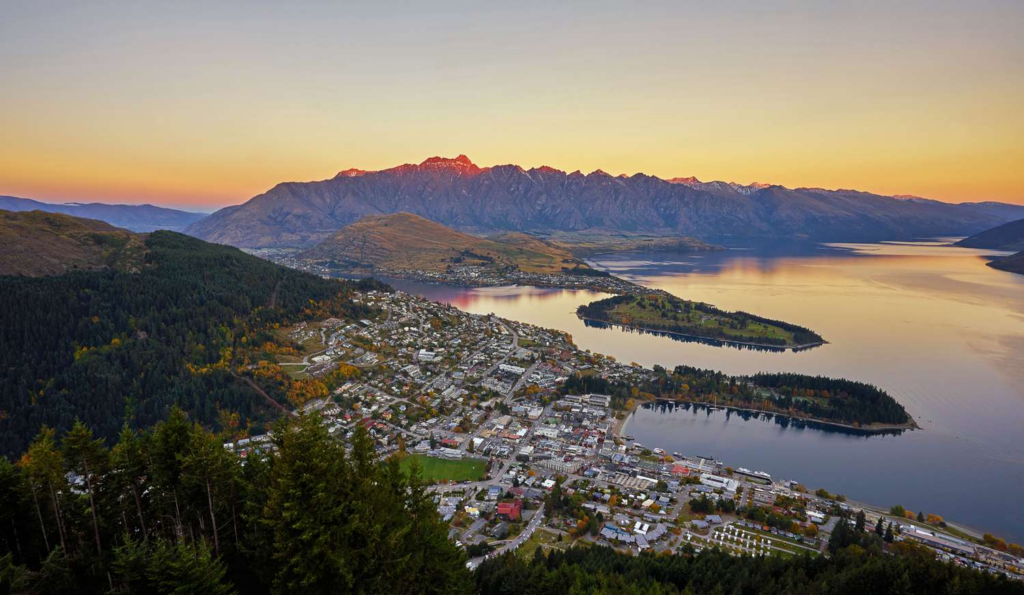
New Zealand is roughly the length of the western coastline of the United States and its climate varies dramatically from north to south. The North Island has a warmer, more subtropical climate in the far north around the Bay of Islands, with mild temperatures year round and less seasonal variation. The South Island is more dramatic: Queenstown and the Southern Alps can receive significant snow in winter, and the west coast of the South Island near Milford Sound and Fiordland receives some of the highest annual rainfall in the world, producing the spectacular waterfalls and lush vegetation that define the region’s landscape. Understanding this north-south divide is important for choosing the best time to visit New Zealand based on your specific itinerary.
Summer in New Zealand: December to February
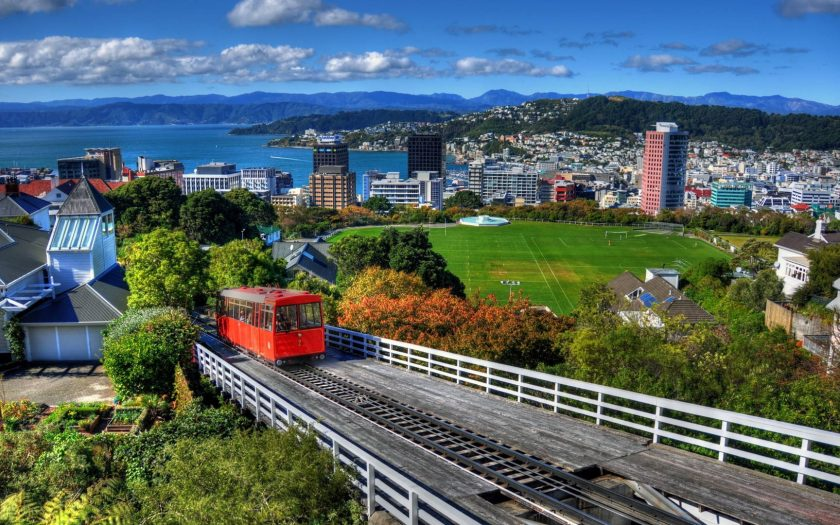
Peak season. Long days, warm temperatures, and full access to Great Walks, beaches, and fjord cruises. Book accommodation 3 to 4 months ahead for December and January.
- Temperature: 20 to 25 degrees C across both islands; sea warm enough for swimming
- Weather: Mostly sunny with long daylight hours until 9 PM or later; some afternoon showers possible
- Things to Do: Hike the Milford Track, Routeburn, and Abel Tasman Coast Track; explore the Bay of Islands; cruise Milford Sound; visit Queenstown for adventure activities; surf on North Island beaches; wine tour in Marlborough
- Best for: Hiking, beaches, island hopping, outdoor activities, long days
- Avoid if: You are on a tight budget or dislike peak-season crowds
Autumn in New Zealand: March to May
Crowds gone, prices down, and the South Island turning gold. March still has summer warmth. April brings the famous autumn foliage around Wanaka and Arrowtown. May is the harvest season.
- Temperature: 12 to 20 degrees C; warm in March, cooling through May
- Weather: Settled and clear in March; increasingly changeable with some rain from April; crisp and cold in May
- Things to Do: Hike trails in the South Island with autumn colour backdrops; wine and harvest festival visits in Marlborough and Hawke’s Bay; explore Arrowtown and Wanaka for the finest autumn foliage; kayak Abel Tasman before it closes for winter
- Best for: Autumn foliage, wine harvest, hiking, fewer crowds, lower prices
- Avoid if: You want guaranteed warm swimming weather, particularly from May onward
Winter in New Zealand: June to August
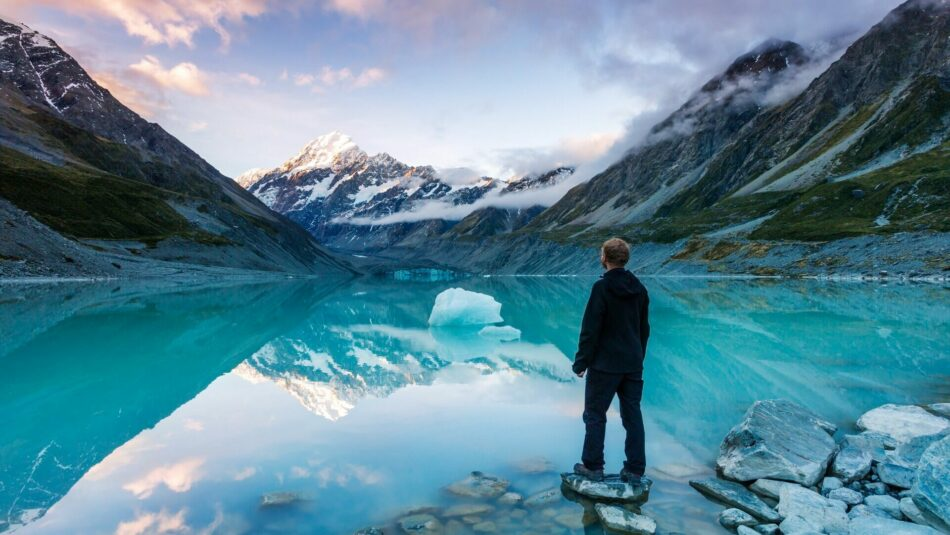
Ski season on the South Island. Queenstown and Wanaka come alive for snow sports. Milford Sound waterfalls are at their most powerful and whale watching at Kaikoura peaks in August.
- Temperature: 5 to 15 degrees C in the South Island; milder on the North Island coast
- Weather: Snow in the Southern Alps and Queenstown; cold and crisp in the south; wetter on the West Coast; North Island milder
- Things to Do: Ski at Coronet Peak, The Remarkables, and Cardrona near Queenstown; cruise Milford Sound for waterfalls at full flow; whale watch at Kaikoura (Southern right whales and humpbacks in August); explore Rotorua geothermal sites on the warmer North Island
- Best for: Skiing, snow scenery, whale watching, Milford Sound drama, budget travel outside ski towns
- Avoid if: You want alpine hiking tracks, which are closed or require specialist equipment in winter
Spring in New Zealand: September to November
Underrated and deeply rewarding. Hiking tracks reopen in September, lupins blanket Lake Tekapo in November, fur seals are pupping, and prices are well below summer peak.
- Temperature: 10 to 18 degrees C and rising through the season
- Weather: Changeable in September with lingering cold snaps; increasingly warm and settled through October and November
- Things to Do: Hike the reopened Great Walks from September; see the purple lupin fields at Lake Tekapo in November; watch fur seal pups on the Kaikoura coast; visit the Otago Peninsula albatross colony near Dunedin; explore Queenstown before the summer crowds arrive
- Best for: Wildflowers, wildlife, hiking, honeymoons, value travel, spring scenery
- Avoid if: You specifically want warm beach weather, which does not fully arrive until December
Best Time to Visit New Zealand by Activity
For Hiking: November to March is the best window for New Zealand hiking, with the Great Walks and alpine tracks fully open and weather conditions most stable. December to February offers the longest days for high-altitude routes.
For Skiing: June to September on the South Island around Queenstown, Wanaka, and the Canterbury ski fields.
For Whale Watching: Year round at Kaikoura for sperm whales. August and September for Southern right whales and humpbacks on their seasonal migration.
For Wine and Food: March to May for the grape harvest in Marlborough, Hawke’s Bay, and Central Otago, with harvest festivals and cellar door tastings at their most immersive.
For Wildlife: October and November for fur seal pups, spring birdlife, and wildflowers. December and January for dolphin watching and marine wildlife across both islands.
For Budget Travel: May, June, and July offer the lowest accommodation and flight prices across New Zealand, outside of the ski resort towns where June to August is peak pricing.
For Fjord Scenery: Year round at Milford Sound, but winter and spring bring the highest waterfall flows. Summer offers the calmest conditions for cruise boats.
The Best Time to Visit New Zealand for Indian Travelers
For Indian travelers visiting New Zealand for the first time, November to February is the most practical and rewarding window. The weather is comfortable, the days are long, the hiking trails and beaches are accessible, and the country is at its most vibrant. November in particular offers an exceptional combination of spring wildflowers, wildlife activity, and pre-peak pricing that makes it one of the smartest months to visit.
For travelers who want to combine New Zealand with Australia or another Southern Hemisphere destination, the shoulder seasons of March to April and September to October work well for a multi-country itinerary that avoids the peak crowds and costs of December to February. Our guide on Best Places to Visit in August and September Outside India covers why early spring New Zealand in September is one of the most rewarding international travel windows for Indian travelers, and our guide on Best Places to Visit in October Outside India explores why October in the Southern Hemisphere spring is a particularly strong choice.
Places You Should Not Miss While Exploring New Zealand
- Milford Sound: A sheer-walled fiord in Fiordland with waterfalls dropping hundreds of metres into dark water. Accessible by road or scenic flight from Queenstown.
- Queenstown: Adventure capital of New Zealand on the shores of Lake Wakatipu, surrounded by the Remarkables mountain range. Bungee jumping, skiing, and hiking all from one base.
- Tongariro Alpine Crossing: A 19 km one-day hike through volcanic craters, emerald lakes, and dramatic alpine terrain. One of the finest day hikes in the world.
- Lake Tekapo: A turquoise glacial lake in the Mackenzie Country with lupins in spring and some of the darkest and clearest night skies in the Southern Hemisphere.
- Rotorua: Geothermal geysers, boiling mud pools, and the most accessible Maori cultural experiences in New Zealand on the North Island.
- Abel Tasman National Park: Golden beaches and turquoise bays at the top of the South Island. Best explored by sea kayak or the Abel Tasman Coast Track.
- Franz Josef and Fox Glaciers: Two of the world’s most accessible glaciers on the wild West Coast of the South Island. Helicopter access from the nearby villages.
- Bay of Islands: A subtropical paradise in the far north of New Zealand with 144 islands, dolphin cruises, and some of the country’s most historic Maori and colonial sites.
Conclusion
The best time to visit New Zealand is not a single answer but a range of options that each offer something genuinely extraordinary. Summer brings long days, warm temperatures, and the full menu of New Zealand’s outdoor life. Autumn delivers wine harvest colour and quiet trails. Winter opens the ski season and makes Milford Sound dramatic beyond description. Spring brings wildflowers, wildlife, and a sense of the country waking up from its winter rest. Whatever month you choose, New Zealand rewards the visit. Plan your itinerary around your priorities, book accommodation well in advance for December to February travel, and allow enough time on the South Island to absorb the scale and drama of the landscape that makes New Zealand one of the most extraordinary places on earth to visit.

Frenzy Holidays ensures a smooth and enriching travel experience from start to finish. You can visit us at Haware Centurion, S07/34, Nerul East, Sector 19A, Nerul, Navi Mumbai, Maharashtra 400706. For bookings or more information, call +91 7400453140, email [email protected], or visit www.frenzyholidays.com. So pack up and explore the world with Frenzy Holidays for an unforgettable journey.
Best Time to Visit New Zealand: FAQs
What is the best time to visit New Zealand?
December to February for summer weather and outdoor activities. November for spring wildflowers and fewer crowds. March for warm weather without the peak-season rush.
What months are summer in New Zealand?
December, January, and February are summer in New Zealand, as the country is in the Southern Hemisphere where seasons are the reverse of India.
When is the best time to visit New Zealand for hiking?
November to March, with December to February offering the best conditions and longest days for hiking on the Great Walks and alpine tracks.
When is the ski season in New Zealand?
June to September on the South Island, with Queenstown and Wanaka being the main ski destinations.
Is New Zealand good to visit in October?
Yes. October is spring in New Zealand, with mild weather, wildflowers, the opening of hiking tracks, and fewer crowds than the summer peak.
What is the cheapest time to visit New Zealand?
May, June, and July outside ski resort towns offer the lowest prices. Shoulder seasons of April and September are also significantly cheaper than peak summer.
Is New Zealand good to visit in winter?
Yes for skiing and Milford Sound. Winter is not ideal for most hiking and outdoor activities but the South Island ski resorts and fjord cruises are excellent in winter.
When is the best time to see lupins in New Zealand?
November, particularly in the Mackenzie Country around Lake Tekapo on the South Island, where lupins cover the valley floor in purple and pink.
What is the best time to visit Queenstown?
Summer (December to February) for outdoor activities and the full range of Queenstown’s adventure offerings. Winter (June to August) for skiing at Coronet Peak and The Remarkables.
Do Indian travelers need a visa for New Zealand?
Yes. Indian passport holders require a New Zealand visitor visa, which must be applied for in advance through the Immigration New Zealand website before travel.
