
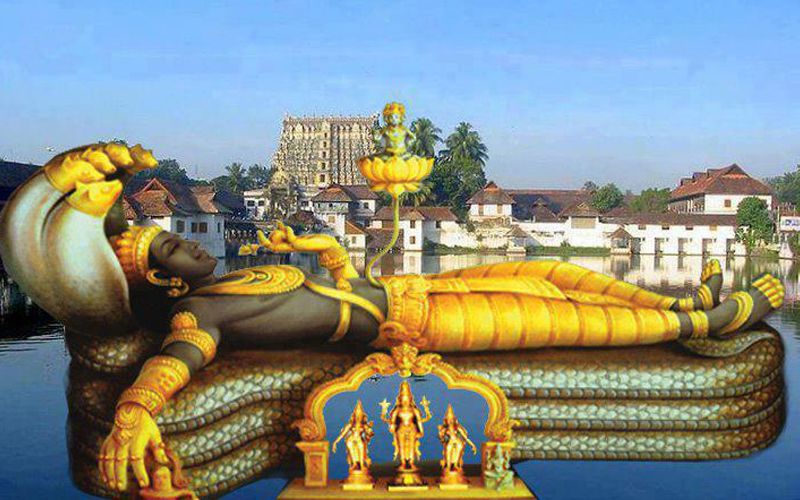
The best time to visit Padmanabhaswamy Temple is between October and February, when Thiruvananthapuram’s weather is at its most pleasant and comfortable for pilgrimage. Sree Padmanabhaswamy Temple, located in the heart of Thiruvananthapuram’s East Fort area, is one of the holiest and richest temples in India. It is dedicated to Lord Vishnu in the Ananthasayanam posture — reclining on the thousand-hooded serpent Adi Shesha — and is among the 108 sacred Divya Desams of Lord Vishnu. The city of Thiruvananthapuram itself takes its name from the presiding deity, with the word meaning “The land of Sree Anantha Padmanabhaswamy.” Only Hindu devotees are permitted entry, and the temple is managed by a trust headed by the royal family of Travancore.
Whether you are making a pilgrimage to seek the Lord’s blessings, witnessing the grand Alpasi or Painkuni Utsavam, or exploring the broader cultural heritage of Kerala’s capital city, planning your visit at the right time makes a profound difference. Frenzy Holidays offers curated Kerala pilgrimage packages that include Padmanabhaswamy Temple along with other significant shrines across the state. If you are also planning to explore Kerala’s natural side, do not miss the hidden gems of Munnar which can be combined into a fuller Kerala itinerary.
Confused where to go for quick escape? Let us plan it for you.
Grab the Best DealTable of Contents
Best Time to Visit Padmanabhaswamy Temple by Season
Thiruvananthapuram’s tropical climate means the season you pick directly affects how comfortable and rewarding your darshan experience will be. Here is a quick reference before the full seasonal breakdown below.
| Detail | Information |
|---|---|
| Location | East Fort, Thiruvananthapuram, Kerala |
| Deity | Lord Vishnu (Ananthasayanam posture) |
| Best Time to Visit | October to February |
| Temple Timings | 3:15 AM – 12:00 PM & 5:00 PM – 7:20 PM |
| Entry Fee | Free (Special darshan at ₹150–₹500) |
| Nearest Airport | Trivandrum International Airport (6 km) |
| Nearest Railway Station | Thiruvananthapuram Central (1.5 km) |
| Entry Restriction | Hindus only |
| Photography | Strictly prohibited inside |
| Major Festivals | Alpasi Utsavam (Oct–Nov), Painkuni Utsavam (Mar–Apr) |
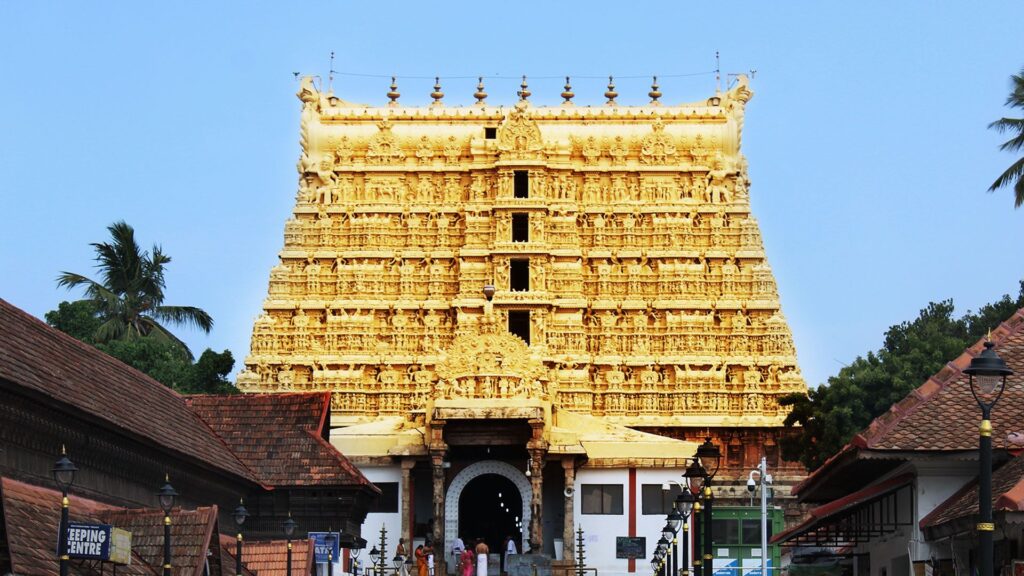
The season and time of year you choose significantly shapes the quality of your darshan and your overall experience in Thiruvananthapuram. Here is a clear breakdown of what each period offers.
October to February is the peak season and the most recommended period to visit Padmanabhaswamy Temple. Temperatures across Thiruvananthapuram are cool and dry, making both darshan and exploration of the city comfortable. This window also coincides with the Alpasi Utsavam (October–November), Navratri (September–October), and the Swathi Sangeethotsavam music festival. If you are planning a broader trip across Kerala’s capital and its surroundings, this is one of the best times to visit Thiruvananthapuram when the entire region is at its most vibrant.
March to May brings rising temperatures and increasing humidity. That said, the Painkuni Utsavam falls in March–April, making it spiritually significant despite the warmth. Early morning darshan — beginning as early as 3:15 AM — is strongly recommended during this period to avoid the heat.
June to September is the monsoon season. Kerala receives heavy and sustained rainfall during these months, which can disrupt travel plans. The temple remains open but visitor numbers drop significantly. Spiritually committed pilgrims visit specifically for festivals like Onam and Aadi Pooram, which fall during this window.
Padmanabhaswamy Temple Festivals — Best Time for a Special Darshan
Visiting Padmanabhaswamy Temple during a major festival elevates the experience entirely. The temple’s year-round calendar is anchored by two grand utsavams and several other significant observances.
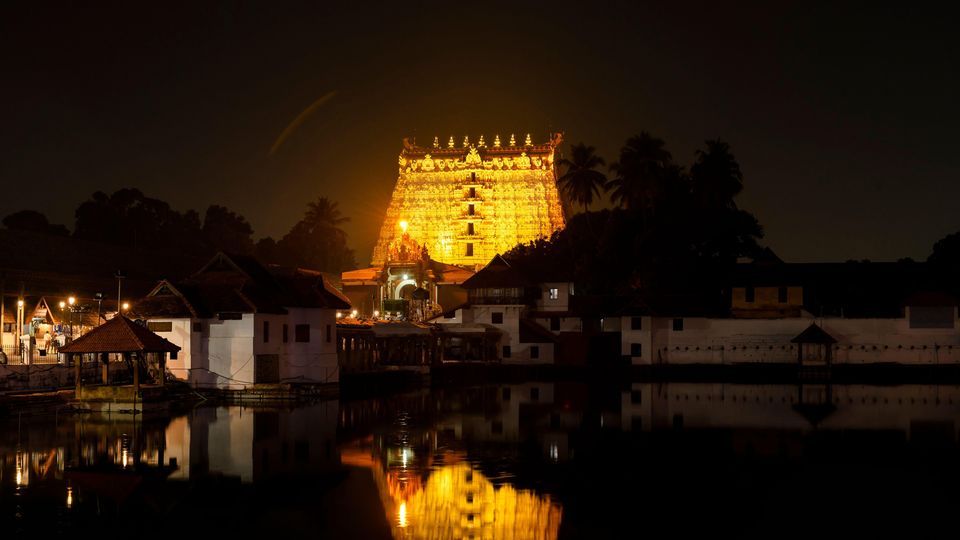
Alpasi Utsavam (October – November)
Alpasi Utsavam, also known as the Aipasi festival, is one of the two major ten-day celebrations at Padmanabhaswamy Temple. The event begins with Kodiyettu, the ceremonial flag hoisting that serves as an open invitation to all gods and goddesses to attend the rituals. Six different vahanas — Simhasana, Anantha, Kamala, Pallaku, Garuda, and Indra — are used to carry the Utsava Moorthy of Lord Padmanabhaswamy in grand processions held twice daily. On the ninth day, the Pallivetta ritual takes place, symbolising a royal hunt during which the Lord is believed to vanquish all the ills of the world. Regular darshan timings are altered during this period due to the elaborate processions and special poojas, so verifying with the temple in advance is essential.
Painkuni Utsavam (March – April)
Painkuni Utsavam, also referred to as the Panguni or Meenam festival, is the second major ten-day celebration and mirrors the grandeur of Alpasi in its scale and rituals. It too begins with the flag hoisting ceremony and features twice-daily processions across all six vahanas. This festival draws enormous crowds from across Kerala and neighbouring states. Pilgrims visiting during Painkuni should book their special darshan tickets and accommodation well in advance. Frenzy Holidays also helps plan the best time to visit Chottanikkara Temple, which can be combined with a Thiruvananthapuram trip for a fulfilling Kerala temple circuit.
Lakshadeepam (Once Every Six Years)
Lakshadeepam is the most spectacular festival associated with Padmanabhaswamy Temple, celebrated once every six years at the conclusion of the 56-day Murajapam Vedic chanting ritual. On this day, one lakh oil lamps are lit and arranged across the entire temple complex, creating a sight that devotees describe as truly divine. If your visit coincides with Lakshadeepam, this is an experience of a lifetime.
Navratri (September – October)
Navratri is a nine-day festival observed with special poojas, cultural programmes, and abhishekams. The idol of Goddess Saraswathi is brought in a grand procession from Padmanabhapuram Palace and worshipped alongside the other deities. Crowds during Navratri are substantial, and early morning arrival is advisable.
Onam (August – September)
Onam holds deep significance at Padmanabhaswamy Temple as it commemorates the birth of the Vamana Avatar of Lord Vishnu and the return of King Mahabali. The ten-day celebration culminates with Onavillu Charthal — a unique ritual involving a ceremonial bow-shaped wooden piece decorated with miniature paintings of the Lord in Ananthasayanam posture.
Vaikunta Ekadasi (December)
Vaikunta Ekadasi, known locally as Swargavathil or the Gateway to Heaven, falls on the eleventh day of the Shukla Paksha in the Malayalam month of Dhanur (December). It is one of the most auspicious days for Vaishnava devotees and sees very high footfall at the temple.
Aadi Pooram (July – August)
Aadi Pooram celebrates the birthday of Lord Padmanabhaswamy with grand pujas, abhishekams, and bhajans. The temple is decorated with lights and flowers, and devotees visit in large numbers despite the monsoon season.
Padmanabhaswamy Temple Darshan Timings
Padmanabhaswamy Temple operates on a strict ritual schedule that pilgrims must plan around carefully. The temple opens at 3:15 AM for Nirmalya Darshanam — the first and most auspicious darshan of the day, during which devotees can witness the early morning rituals before the main sanctum is prepared. This is considered the most spiritually significant time to visit and is considerably less crowded than mid-morning sessions.
The temple follows two main darshan sessions daily. The morning session runs from 3:15 AM to 12:00 PM, after which the temple closes for the afternoon. The evening session runs from 5:00 PM to 7:20 PM. Within these windows, the key pooja timings are Deepardhanai at 3:30 AM, Usha Pooja following Nirmalya Darshanam, Pantheeradi Pooja at 6:00 AM, and Ucha Pooja at midday. The evening session includes Deeparadhana and Athazha Pooja.
General darshan is completely free. For those who wish to avoid long queues, special darshan tickets are available at ₹150 (without prasad) or ₹180 (with prasad). VIP darshan options are also available online through the temple’s official booking portal at booking.sreepadmanabhaswamytemple.org. Persons who book special darshan are guided directly to the sanctum sanctorum and can complete their visit in 15 to 20 minutes. Timings are subject to change during festivals and special occasions, so always verify on the official website before your visit.
Places to Visit Near Padmanabhaswamy Temple
Thiruvananthapuram offers several worthwhile attractions within easy reach of the temple, making it easy to plan a full day or two of exploration.
Napier Museum, roughly 2 km from the temple, is one of the finest museums in Kerala and houses a remarkable collection of bronze idols, old jewellery, ivory sculptures, and Javanese shadow-play puppets. It is a rewarding stop for those interested in the region’s cultural heritage.
Kanakakunnu Palace is a historic royal residence that now hosts cultural events, classical performances, and exhibitions. Its well-maintained gardens make it a pleasant addition to a temple visit.
Trivandrum Zoo, located adjacent to the Napier Museum, is one of the oldest zoos in India and is well maintained. It is a good option for families travelling with children.
Chalai Market is the oldest and busiest market in Thiruvananthapuram, located not far from the temple. It is an excellent place to shop for spices, local produce, and Kerala handicrafts.
Padma Theertham is the sacred pond situated right beside the temple. Devotees perform ritual bathing here before entering the temple. It is one of the most serene spots in the entire East Fort area.
Kerala’s hill country is also accessible from Thiruvananthapuram for those extending their trip — the places to visit in Kalpetta in Wayanad offer a cool, scenic contrast to the city’s coastal and cultural energy.
How to Reach Padmanabhaswamy Temple
By Air: Trivandrum International Airport is approximately 6 km from the temple. Taxis, KSRTC buses, and auto-rickshaws are readily available from the airport to East Fort.
By Train: Thiruvananthapuram Central Railway Station is just 1.5 km from the temple — the closest major railhead to any prominent temple in Kerala. Auto-rickshaws from the station to East Fort take under 10 minutes.
By Road: The temple is well-connected within Thiruvananthapuram city by KSRTC buses, private buses, and auto-rickshaws. Ask for East Fort — every driver in the city knows the landmark. The temple has no dedicated parking area within the premises; paid parking is available in the surrounding streets.
Practical Tips for Visiting Padmanabhaswamy Temple
A few key points will help ensure your visit is smooth and spiritually fulfilling.
Only Hindus are permitted inside the temple premises — this rule is strictly enforced at the entrance. The dress code is mandatory for all visitors without exception. Men must wear a dhoti and remove their shirts; mundus are available for rent near the East Gate for those in Western attire. Women must wear a saree, set-mundu, or a long skirt with a blouse. Jeans, salwar suits, and Western wear must be fully covered with a dhoti or equivalent. Churidars, shorts, and bifurcated garments are not permitted under any circumstances.
Mobile phones, cameras, and all electronic devices are strictly prohibited inside the temple. Lockers and cloakroom facilities are available near the East Gate entrance for a nominal charge. There are no washroom facilities inside the temple — use the paid facilities near the East Gate before entering.
For the Nirmalya Darshanam, arrive before 3:15 AM. Even the VIP queue can get long on festival days and weekends, so reaching early is always advisable. Book your special darshan slot online in advance, especially during Alpasi and Painkuni Utsavam periods when slots fill up quickly.
Conclusion
The best time to visit Padmanabhaswamy Temple is October to February, when Thiruvananthapuram’s weather is most comfortable and the temple’s festival calendar is at its richest. The Alpasi Utsavam in October–November and the Painkuni Utsavam in March–April stand out as the most spectacular times to visit, with their grand elephant processions, elaborate daily poojas, and the electric devotional energy that fills the entire East Fort area. For a deep, unhurried darshan, the early morning Nirmalya Darshanam at 3:15 AM is unmatched in its spiritual quality. Whether you are visiting Sree Padmanabhaswamy Temple as a standalone pilgrimage or as part of a broader Kerala temple circuit, this ancient shrine will leave an impression that lasts well beyond the journey.

Frenzy Holidays ensures a smooth and enriching travel experience from start to finish. Visit us at Haware Centurion, S07/34, Nerul East, Sector 19A, Nerul, Navi Mumbai, Maharashtra 400706. For bookings or more information, call +91 7400453140, email [email protected], or visit www.frenzyholidays.com.
Best Time to Visit Padmanabhaswamy Temple – FAQs
What is the best time to visit Padmanabhaswamy Temple?
The best time to visit Padmanabhaswamy Temple is from October to February when the weather is cool and pleasant and major festivals like Alpasi Utsavam are celebrated.
What are the darshan timings of Padmanabhaswamy Temple?
The temple opens at 3:15 AM for Nirmalya Darshanam and the morning session runs until 12:00 PM. The evening session is from 5:00 PM to 7:20 PM. Timings may change during festivals.
What is the entry fee for Padmanabhaswamy Temple?
General darshan at Padmanabhaswamy Temple is free. Special darshan tickets are available at ₹150 (without prasad) and ₹180 (with prasad). VIP darshan options can be booked online through the official temple portal.
Can non-Hindus visit Padmanabhaswamy Temple?
No, only Hindu devotees are permitted inside the Padmanabhaswamy Temple premises. This rule is strictly enforced at the entrance.
What is the dress code for Padmanabhaswamy Temple?
Men must wear a dhoti and remove their shirts. Women must wear a saree, set-mundu, or a long skirt with a blouse. Jeans, churidars, shorts, and Western wear are not permitted.
Are mobile phones allowed inside Padmanabhaswamy Temple?
No, mobile phones, cameras, and all electronic devices are strictly prohibited inside the temple. Locker facilities are available near the East Gate for depositing belongings.
How far is Padmanabhaswamy Temple from Thiruvananthapuram railway station?
Padmanabhaswamy Temple is approximately 1.5 km from Thiruvananthapuram Central Railway Station, making it one of the most conveniently located major temples in Kerala.
What are the major festivals at Padmanabhaswamy Temple?
The two major festivals are Alpasi Utsavam (October–November) and Painkuni Utsavam (March–April), each celebrated for ten days with grand processions and special poojas. Lakshadeepam, held once every six years, is the most spectacular festival of all.
How can I book special darshan at Padmanabhaswamy Temple?
Special darshan and VIP darshan can be booked online at booking.sreepadmanabhaswamytemple.org or through the ticket counters near the East Gate entrance on the day of your visit.
What is the nearest airport to Padmanabhaswamy Temple?
Trivandrum International Airport is the nearest airport, approximately 6 km from the temple. Taxis and auto-rickshaws are readily available for the short journey to East Fort.
