
The best time to visit Sikkim and Darjeeling is March to May and October to November, when the eastern Himalayas offer clear skies, comfortable temperatures, and the most rewarding access to mountain views, tea gardens, and trekking routes. Spring brings rhododendron blooms across Sikkim’s hillsides and the first-flush Darjeeling tea harvest. Autumn delivers the sharpest Kanchenjunga views of the year after the monsoon washes the atmosphere clean. Both seasons are outstanding and the choice between them largely depends on whether you want flowers and green freshness or crystal-clear mountain panoramas and golden light.
This guide covers the best time to visit Sikkim and Darjeeling season by season, with temperature details, weather conditions, things to do, and practical tips for Indian travelers planning a trip in 2026.
Confused where to go for quick escape? Let us plan it for you.
Grab the Best DealTable of Contents
Best Time to Visit Sikkim and Darjeeling: Quick Overview
March to May and October to November are the two peak windows when most travelers visit. Winter from December to February offers a quieter, colder experience with snow at higher altitudes. The monsoon from June to September brings heavy rainfall, landslide risk on mountain roads, and limited access to North Sikkim and high-altitude areas.
| Season | Months | Temperature | Best For |
| Spring | March to May | 8 to 22 degrees C | Rhododendrons, tea harvest, trekking, Kanchenjunga views |
| Monsoon | June to September | 12 to 25 degrees C | Green landscapes, waterfalls, budget travel |
| Autumn | October to November | 8 to 20 degrees C | Clearest mountain views, post-monsoon freshness |
| Winter | December to February | 0 to 15 degrees C | Snow, quiet travel, lower prices |
Sikkim has some of the most extraordinary offbeat destinations in the eastern Himalayas. Read our guides on Offbeat Places in Sikkim and Historical Places in Sikkim to plan the most rewarding Sikkim itinerary beyond the standard tourist circuit.
Understanding the Climate of Sikkim and Darjeeling
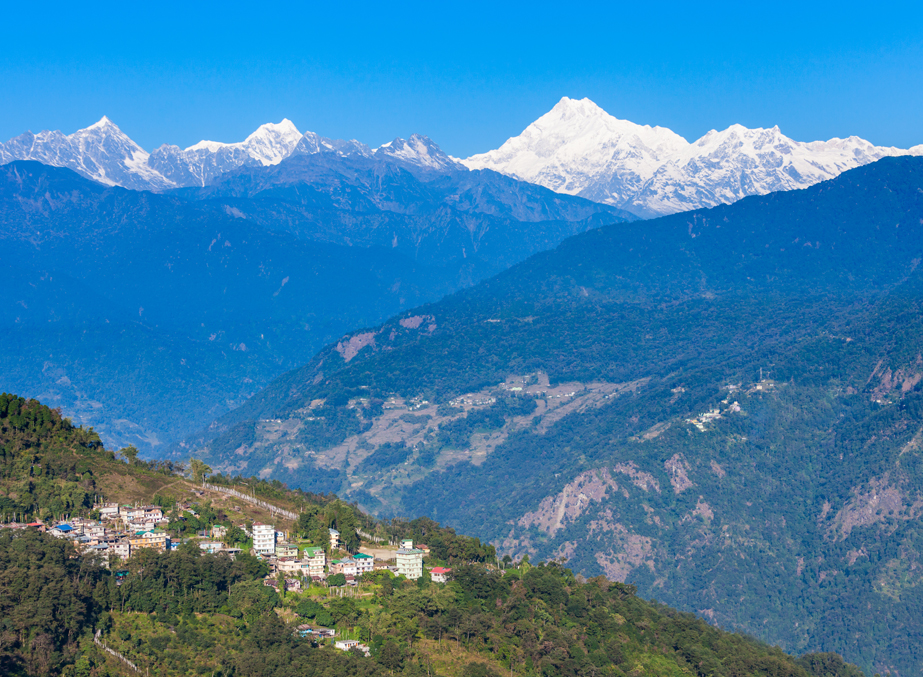
Understanding the climate is essential before deciding the best time to visit Sikkim and Darjeeling. The two destinations sit in the eastern Himalayas and share a broadly similar climate, but there are important differences. Darjeeling town sits at approximately 2,050 metres and is generally slightly warmer and more accessible than Gangtok, Sikkim’s capital at 1,650 metres.
North Sikkim, which includes the high-altitude Yumthang Valley and the Lachung and Lachen areas, sits above 3,000 metres and has much colder temperatures and receives significantly more snowfall. Permits are required for North Sikkim and some border areas of East and West Sikkim, and these are easiest to arrange from April to June and October to November when roads are clear and offices are operating normally.
March to May in Sikkim and Darjeeling: Spring
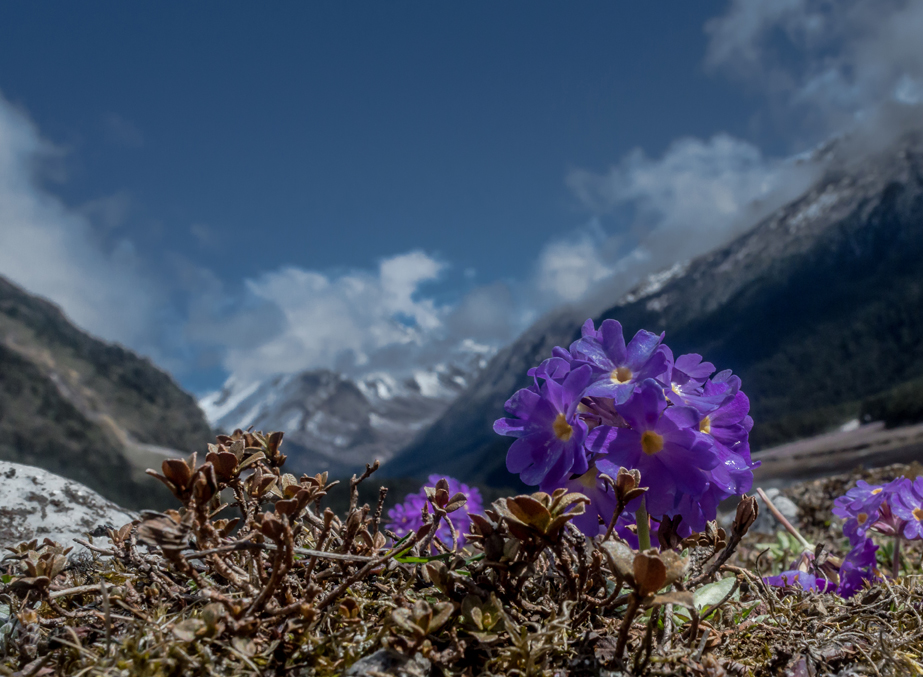
Spring is one of the two finest windows for the best time to visit Sikkim and Darjeeling, with rhododendron blooms sweeping from the lower valleys in March up to the Yumthang Valley by April and May. The first-flush Darjeeling tea harvest in March and April makes the tea estates fragrant and photogenic, and the toy train runs on its full UNESCO World Heritage schedule. By May, high-altitude trekking routes including the Singalila Ridge, Goecha La, and Dzongri are in excellent condition.
- Temperature: 8 to 22 degrees C in Darjeeling and Gangtok; colder in North Sikkim
- Weather: Clear and dry in March and April; warming and occasionally hazy in May with pre-monsoon cloud building
- Things to Do: Watch the sunrise over Kanchenjunga from Tiger Hill in Darjeeling; ride the Darjeeling Himalayan Railway toy train; visit Yumthang Valley for the rhododendron bloom in April; trek the Singalila Ridge for the Everest and Kanchenjunga panorama; visit Rumtek Monastery and Pemayangtse Monastery; attend the first-flush tea experience at a Darjeeling estate
- Festivals: Losar (Tibetan New Year, February or March); Buddha Purnima (May)
- Best for: Rhododendron blooms, Darjeeling tea harvest, trekking, Yumthang Valley, toy train rides, mountain views
- Avoid if: You dislike moderate crowds, which peak in April and May school holiday period
June to September in Sikkim and Darjeeling: Monsoon
June to September is the monsoon season and the period least recommended for the best time to visit Sikkim and Darjeeling, with heavy rainfall, landslide risk on mountain roads, and North Sikkim often closing entirely in July and August.
The hillsides turn intensely green, waterfalls run powerfully, and the second-flush Darjeeling tea harvest in June and July produces a distinctive muscatel character. September is the most rewarding month of this window as the rains ease and Kanchenjunga occasionally emerges through the clearing cloud.
- Temperature: 12 to 25 degrees C; cool and humid
- Weather: Very heavy rainfall July to August; landslide risk on mountain roads; North Sikkim often inaccessible; September clearing gradually
- Things to Do: Experience the Darjeeling second-flush tea harvest in June; walk through monsoon-green tea estates; visit Nathula Pass in June before it becomes inaccessible; photograph the waterfalls around Pelling and Yuksom at full flow; explore Gangtok’s covered markets and local food scene during rain
- Best for: Green landscape photography, Darjeeling tea second flush, budget travel, nature lovers who don’t mind rain
- Avoid if: You are planning to visit North Sikkim, have limited flexibility in your itinerary, or are traveling with elderly family members
October to November in Sikkim and Darjeeling: Autumn
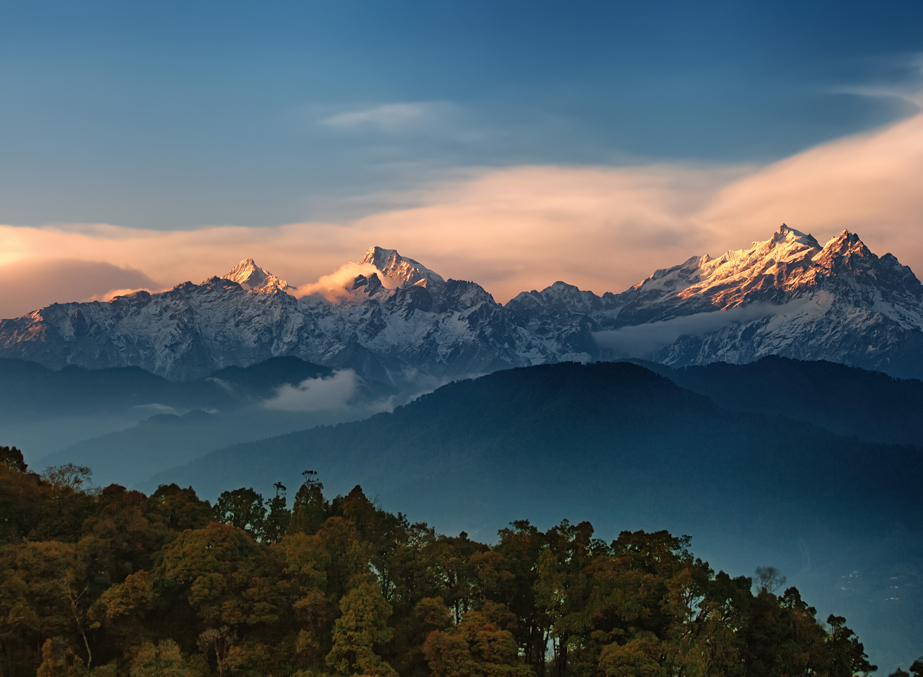
Autumn is the finest window for mountain views and the most rewarding season for the best time to visit Sikkim and Darjeeling. The monsoon retreats in late September, leaving the Kanchenjunga panoramas from Tiger Hill and Pelling at their clearest of the year.
North Sikkim reopens fully in October, the Dashain and Diwali festivals add festive energy, and November brings quieter roads, superb trekking conditions, and some of the most underrated mountain light of the entire year.
- Temperature: 8 to 20 degrees C in Darjeeling and Gangtok; getting cold at higher altitudes from late October
- Weather: Crystal clear and dry; cold nights from October; excellent visibility for mountain panoramas; roads fully open
- Things to Do: Watch the Kanchenjunga sunrise from Tiger Hill and Zero Point; visit North Sikkim and Yumthang Valley as they reopen after monsoon; trek Dzongri and Goecha La for Kanchenjunga up close; explore the Best Tourist Places in Gangtok including MG Marg, Enchey Monastery, and the Namgyal Institute of Tibetology; visit Pemayangtse Monastery and the Rabdentse ruins in West Sikkim
- Festivals: Dashain (October); Diwali (October or November); Tihar
- Best for: Mountain views, North Sikkim, trekking, photography, post-monsoon freshness, all-region access
- Avoid if: You want the rhododendron blooms, which are a spring-only experience
December to February in Sikkim and Darjeeling: Winter
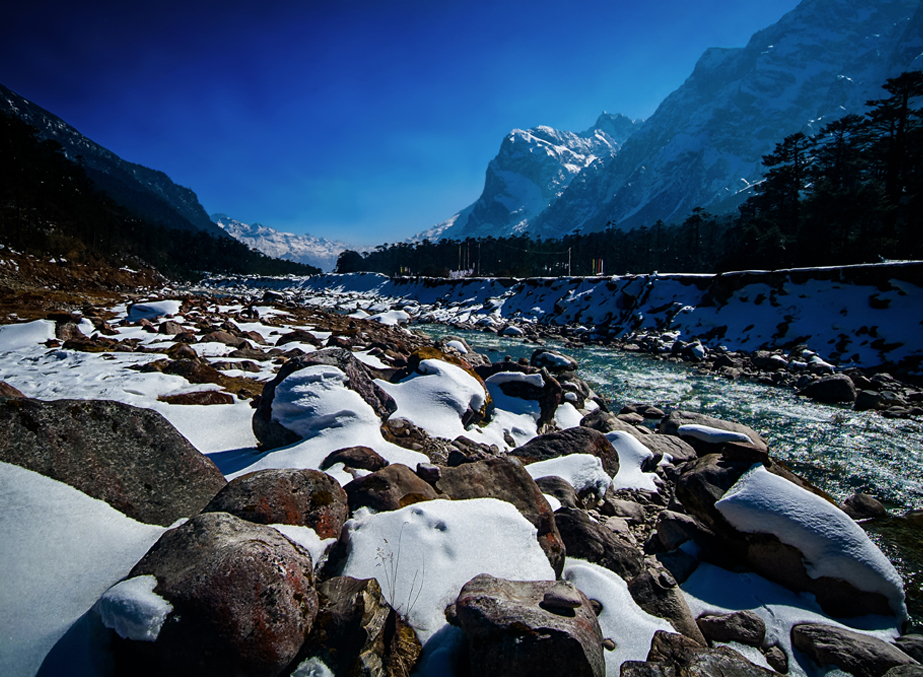
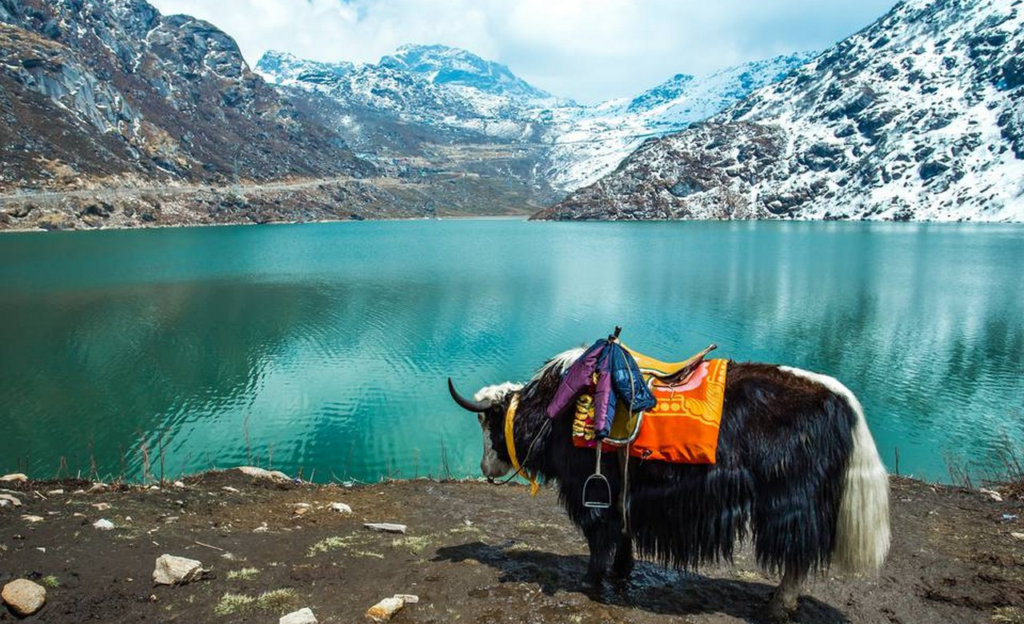
Winter is the quietest and most affordable season for the best time to visit Sikkim and Darjeeling, with snow at Changu Lake, Sandakphu, and North Sikkim from December onward. Darjeeling and Gangtok remain accessible with exceptional mountain views on clear days, and the rewards are lower prices, empty trails, and an intimate hill town atmosphere. The Darjeeling orange harvest in November and December adds a distinctive seasonal flavour to the experience.
- Temperature: 0 to 15 degrees C in Darjeeling and Gangtok; below zero at higher altitudes
- Weather: Cold and clear with fog in the mornings; snowfall at altitude; Changu Lake area snowbound December to February; North Sikkim partially inaccessible
- Things to Do: See the snow at Changu (Tsomgo) Lake near Nathula; visit Darjeeling for the orange harvest and quiet winter atmosphere; take the toy train in the clearest winter air; explore Gangtok’s monastery circuit without crowds; try the winter bonfire experience at a Sikkim homestay
- Best for: Snow experience, budget travel, quiet sightseeing, Changu Lake snowfall, offseason Darjeeling
- Avoid if: You want North Sikkim access, rhododendrons, or warm trekking conditions
Best Time to Visit Sikkim and Darjeeling by Activity
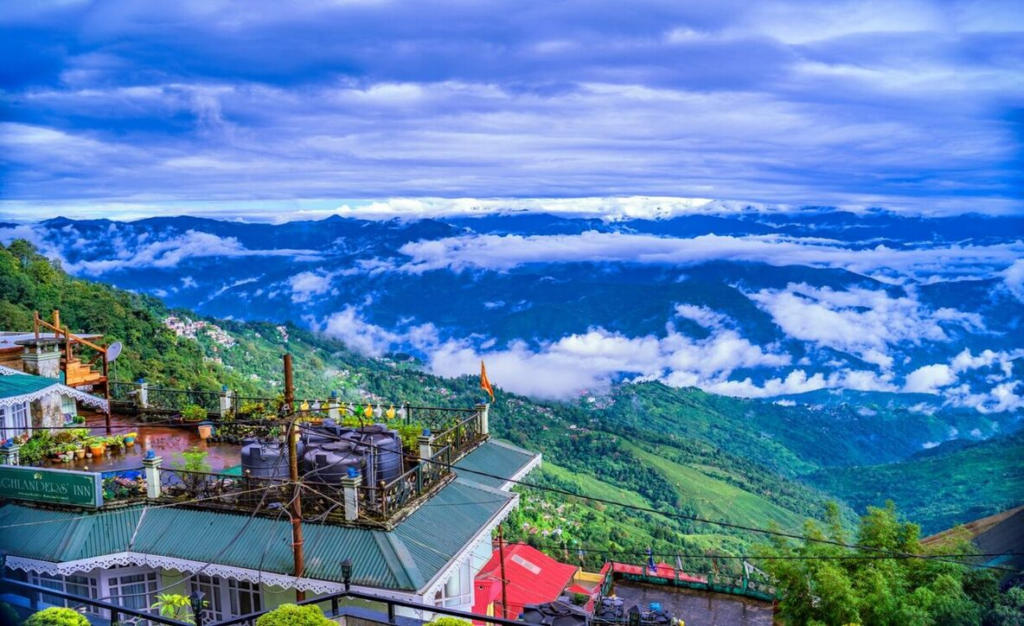
- For Rhododendron Blooms: March to May, with Yumthang Valley in April being the peak experience.
- For Kanchenjunga Views: October and November for the clearest post-monsoon panoramas from Tiger Hill and Pelling.
- For Trekking (Singalila, Goecha La, Dzongri): March to May and October to November. Avoid July and August when trails are wet and leech-infested.
- For Darjeeling Tea Estate Visits: March to April for first flush; June to July for second flush.
- For North Sikkim (Yumthang, Lachung): April to June and October to November when roads are clear and permits are easily arranged.
- For Toy Train (Darjeeling Himalayan Railway): Year round but best in March to May and October to November for clear views.
- For Snow: December to February at Changu Lake and higher Sikkim areas; Sandakphu in January and February.
- For Budget Travel: June to September for the lowest prices with rewarding monsoon green landscape experiences.
Places You Should Not Miss While Exploring Sikkim and Darjeeling
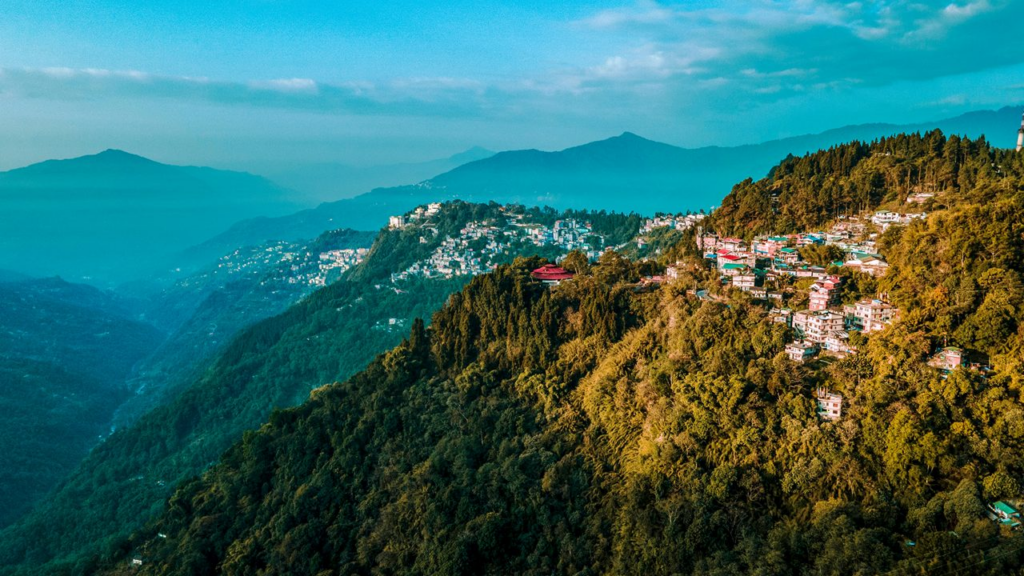
- Tiger Hill, Darjeeling: The most famous sunrise viewpoint in the eastern Himalayas, with a panorama spanning Kanchenjunga, Everest, and the Sikkim ranges. Best from October to May.
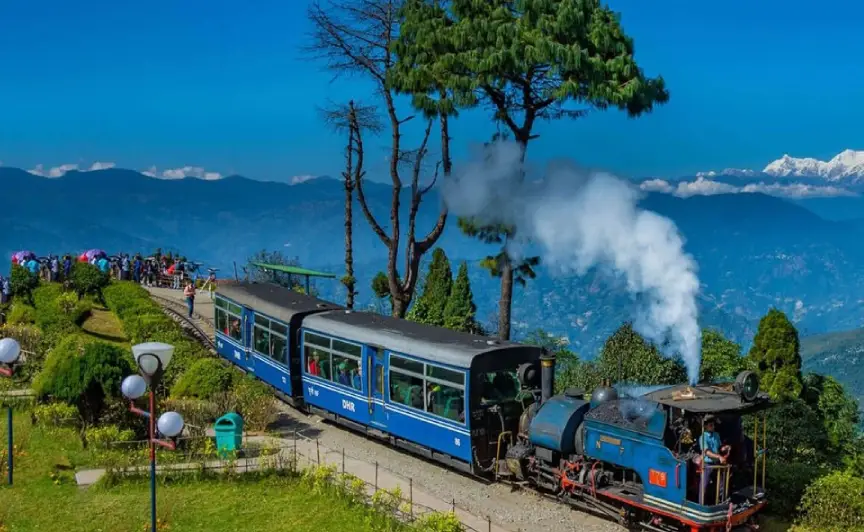
- Darjeeling Himalayan Railway (Toy Train): A UNESCO World Heritage Site narrow-gauge railway running through tea estates and mountain valleys. The Batasia Loop is the most photographed section.
- Yumthang Valley, North Sikkim: A high-altitude valley at 3,564 metres with rhododendron blooms in April to May, the Teesta River, and snow-capped peaks above.
- Changu (Tsomgo) Lake: A glacial lake at 3,753 metres near the Nathula Pass border with China. Frozen in winter and surrounded by snow from December to March.
- Pemayangtse Monastery: One of Sikkim’s oldest and most revered monasteries, with sweeping views of Kanchenjunga from its hilltop setting above Pelling.
- Rumtek Monastery: The largest monastery in Sikkim, seat of the Karmapa, located near Gangtok with extraordinary Tibetan Buddhist architecture.
- Sandakphu Trek: The highest point in West Bengal at 3,636 metres, with the famous Four Peaks view of Kanchenjunga, Everest, Lhotse, and Makalu. Best in October to November and March to May.
- Nathula Pass: The historic trade route between India and Tibet at 4,310 metres, open to Indian citizens with permits in summer and closed in deep winter.
Practical Tips for Visiting Sikkim and Darjeeling
Indian citizens do not require a visa for Darjeeling but do need an Inner Line Permit (ILP) to enter Sikkim, which is easily obtained at the border checkpost at Rangpo or from the Sikkim Tourism office in Siliguri or Darjeeling. Additional permits are required for North Sikkim, Nathula Pass, and some East Sikkim border areas. These permits are best arranged through a local tour operator in Gangtok, which takes 1 to 2 days. The nearest airport is Bagdogra (IXB) in West Bengal, approximately 70 km from Darjeeling and 125 km from Gangtok. Siliguri is the main rail and road hub connecting to both destinations.
Which Season Suits Sightseeing, Snow, and Flowers Best?
Choosing the best time to visit Sikkim and Darjeeling depends on which of these three experiences matters most to your trip.
For Sightseeing: October and November are the finest months. Post-monsoon clarity gives extraordinary visibility from Tiger Hill and Pelling, roads are fully open, and the Dashain and Diwali festivals add cultural energy.
For Snow: December to February at Changu (Tsomgo) Lake, the Sandakphu plateau, and North Sikkim high-altitude areas. Darjeeling and Gangtok remain accessible throughout.
For Flowers: March to May. The Yumthang Valley in April is the peak experience, with over 40 rhododendron species sweeping from the lower valleys up through the high-altitude passes. Orchid sanctuaries in Gangtok are equally rewarding in April and May.
Conclusion
The best time to visit Sikkim and Darjeeling is March to May for the rhododendron blooms and tea harvest, and October to November for the finest mountain views and post-monsoon clarity. Both seasons are exceptional and most travelers who can manage both rate autumn as the finer photography season while spring is more vibrant and colourful. Winter is excellent for snow seekers and budget travelers. The monsoon is best left to nature lovers who prioritise green landscapes over outdoor activity. Plan your trip around the permits needed for North Sikkim, book accommodation in advance for October and April which are the busiest months, and allow at least 7 nights to do justice to both Darjeeling and Sikkim together.

Frenzy Holidays ensures a smooth and enriching travel experience from start to finish. You can visit us at Haware Centurion, S07/34, Nerul East, Sector 19A, Nerul, Navi Mumbai, Maharashtra 400706. For bookings or more information, call +91 7400453140, email [email protected], or visit www.frenzyholidays.com. So pack up and explore India with Frenzy Holidays for an unforgettable journey.
Best Time to Visit Sikkim and Darjeeling: FAQs
What is the best time to visit Sikkim and Darjeeling?
March to May for rhododendrons and tea harvest. October to November for the clearest Kanchenjunga views and post-monsoon freshness.
Which month is best for Kanchenjunga views?
October and November, when the post-monsoon atmosphere is at its clearest and the mountain panoramas from Tiger Hill and Pelling are most dramatic.
When is the rhododendron season in Sikkim?
March to May, with the Yumthang Valley bloom in April being the most spectacular. Lower valley rhododendrons begin in March.
Can I visit Sikkim and Darjeeling in winter?
Yes. December to February offers snow at higher altitudes, quiet sightseeing, and lower prices. Changu Lake is particularly beautiful in winter snowfall.
Is a permit required to visit Sikkim?
Yes. Indian citizens need an Inner Line Permit (ILP), obtained at the Rangpo border or at Sikkim Tourism offices in Siliguri or Darjeeling. Additional permits are required for North Sikkim and Nathula Pass.
What is the first flush tea in Darjeeling?
The first flush is the earliest tea harvest of the year in March and April, considered the finest and most delicate of all Darjeeling teas.
When is North Sikkim accessible?
April to June and October to November when roads are clear. North Sikkim often closes during peak monsoon July to September due to landslides.
How far is Darjeeling from Sikkim?
Gangtok is approximately 115 km from Darjeeling, around 3 to 4 hours by road. Both are easily combined on a single trip.
What is the nearest airport to Darjeeling and Sikkim?
Bagdogra Airport (IXB) near Siliguri, approximately 70 km from Darjeeling and 125 km from Gangtok.
How many days are enough for Sikkim and Darjeeling?
7 to 10 nights is ideal for covering both destinations properly, including 3 to 4 nights in Darjeeling and 4 to 5 nights across Gangtok, West Sikkim, and North Sikkim.
