
Best time to visit Thiruvananthapuram is from October to February when the weather is pleasant and ideal for exploring Kovalam Beach, Padmanabhaswamy Temple, and the city’s rich heritage. This guide covers tourist places in thiruvananthapuram for one day trip, things to do in thiruvananthapuram, thiruvananthapuram place names, thiruvananthapuram is famous for, and the best thiruvananthapuram near tourist places for a complete Kerala capital experience.
Thiruvananthapuram, the capital of Kerala and one of South India’s most historically layered cities, sits at the southwestern tip of the Indian peninsula where the Western Ghats meet the Arabian Sea coast. Known as Trivandrum to most travelers, this city of ancient temples, colonial heritage, and Kerala’s finest beaches rewards those who look beyond the surface with a depth of experience that surprises most first-time visitors.
Confused where to go for quick escape? Let us plan it for you.
Grab the Best DealTable of Contents
Quick Reference: Thiruvananthapuram Visit Planning
Here is a quick season-wise overview to help you decide the best time to visit Thiruvananthapuram based on your priorities and travel style.
| Season | Best Months | Temperature | Conditions | Ideal For |
|---|---|---|---|---|
| Winter | Oct–Feb | 22–32°C | Pleasant, clear | Beaches, sightseeing, temple visits |
| Spring | Mar–Apr | 26–35°C | Warm, manageable | Budget travel, fewer crowds |
| Summer | May–Jun | 28–36°C | Hot and humid | Avoid if heat-sensitive |
| Monsoon | Jul–Sep | 23–30°C | Heavy rain | Ayurveda, greenery, low prices |
You can also explore our affordable Kerala Tour Package designed for Budget Travellers.
Best Time to Visit Thiruvananthapuram: Seasonal Analysis
Thiruvananthapuram’s tropical coastal climate means it is warm year-round, but the distinction between its seasons matters considerably for beach activities, outdoor sightseeing, and the overall comfort of your visit. The sections below break down each season so you can match your travel dates to your specific interests and priorities.
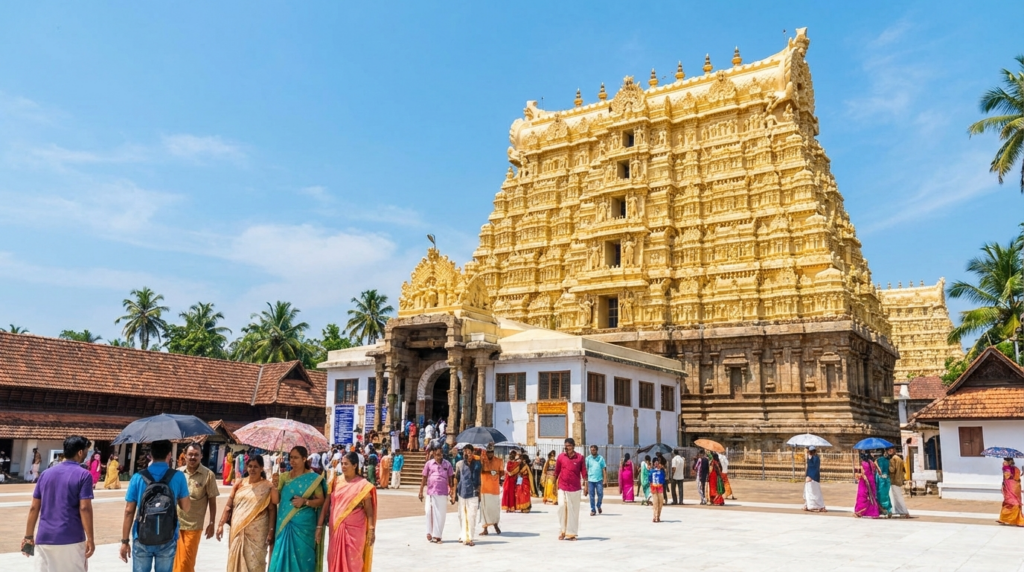
October to February: Best Time to Visit Thiruvananthapuram Overall
October through February is the best time to visit Thiruvananthapuram by a clear margin. The southwest monsoon has retreated, skies clear dramatically, and the Arabian Sea along the Kovalam and Varkala coastlines settles into its most inviting, swimmable state. The temperature stays between a comfortable 22–32°C that makes long days of sightseeing, beach time, and temple visits genuinely enjoyable.
Temperature (October–February):
- October: 25–32°C, post-monsoon freshness, improving sea conditions
- November: 23–30°C, clear and pleasant
- December: 22–29°C, coolest and most comfortable, peak season
- January: 22–28°C, ideal conditions across all activities
- February: 23–30°C, warming gently, still excellent
Why This Season Excels:
- Kovalam Beach is best visited between November and February, when the sea is calm and ideal for activities like swimming, surfing, and kayaking.
- Varkala Beach, located about 54 km away, also offers the best coastal experience during this period.
- Padmanabhaswamy Temple is most comfortable to visit in winter due to pleasant weather and ongoing festivals.
- Major celebrations like Alpashy (Oct–Nov) and Panguni Uthram (March) attract large numbers of devotees.
- Attractions such as Napier Museum, Kuthiramalika Palace, and the Zoo are best explored during cool morning hours.
- Heritage walks around areas like Palayam and East Fort are more enjoyable in winter due to pleasant temperatures and less heat.
Ideal For: All first-time visitors, families, beach lovers, heritage travelers, couples.
Trip Cost (Peak Winter): ₹8,000–16,000 per person for 3N/4D including accommodation, local transport, and major sightseeing.
March to April: Shoulder Season
March and early April offer a pleasant alternative for travelers with budget constraints or flexible schedules. The city is warm but manageable, crowds at major sites are noticeably thinner, and accommodation rates drop meaningfully from peak winter levels.
Temperature (March–April):
- March: 25–33°C, warm but comfortable in mornings
- April: 27–35°C, heating up, confine outdoor activity to mornings and evenings
What to Expect:
- March is a great time to visit Thiruvananthapuram, with pleasant weather and good conditions at Kovalam Beach and Varkala Beach.
- All major temples and heritage attractions are easily accessible, and accommodation prices are lower than peak winter months.
- The Attukal Pongala, held during February–March, is a major cultural highlight and one of the largest gatherings of women in the world.
- By April, heat and humidity increase, and sea conditions become rough ahead of the monsoon.
- It is best to plan beach visits in the early morning and outdoor sightseeing before 11 AM or after 5 PM.
- April is suitable for budget travelers, offering lower hotel rates and fewer crowds at major attractions.
Ideal For: Budget travelers, couples, repeat visitors seeking uncrowded experiences.
Trip Cost : ₹6,000–11,000 per person for 3N/4D.
May to June: Summer Heat
May and June bring Thiruvananthapuram’s most challenging weather conditions, combining high temperatures with the building humidity of the pre-monsoon period. The sea becomes rough and dangerous for swimming by June as the southwest monsoon approaches, and the overall outdoor experience becomes uncomfortable for extended periods.
Temperature (May–June):
- May: 27–35°C, hot and humid
- June: 25–32°C, monsoon arriving, heavy first rains
The indoor cultural attractions, including the Kerala State Museum, Napier Museum, and various art galleries around Thiruvananthapuram, remain fully accessible and provide relief from the external heat. The Padmanabhaswamy Temple’s inner sanctum, with its thick stone walls and constant incense-cooled air, is also a comfortable space regardless of external temperatures.
Trip Cost (Summer): ₹5,000–9,000 per person for 3N/4D, lowest pre-monsoon rates.
July to September: Monsoon Season
The southwest monsoon delivers heavy rainfall to Thiruvananthapuram from June through September, with July and August being the wettest months. The beaches are rough and closed for swimming, and outdoor sightseeing is frequently disrupted by heavy showers. However, the monsoon brings its own compelling reasons to visit.
Temperature (July–September):
- July: 23–29°C, heavy rainfall, rough sea
- August: 23–28°C, continuing monsoon
- September: 24–30°C, gradually easing
What to Expect:
- Thiruvananthapuram is a major centre for Ayurvedic treatments, and the monsoon season (July–August) is considered the best time for therapies.
- The cool and humid climate during this period is believed to enhance the effectiveness of Ayurvedic treatments.
- Many Ayurvedic resorts and clinics offer special packages at discounted rates during the monsoon.
- The Onam, celebrated in August–September, is the biggest cultural festival in Kerala.
- The city comes alive with pookalams (flower rangoli), traditional feasts (Onam sadya), and festive celebrations.
- Visiting during Onam offers an authentic cultural experience of Kerala’s traditions and heritage.
Ideal For: Ayurveda seekers, budget travelers, cultural festival visitors (Onam), monsoon romantics.
Trip Cost (Monsoon): ₹5,000–8,500 per person for 3N/4D, lowest rates of the year.
Temperature: Month-by-Month Breakdown
The table below shows the average monthly temperature and sea conditions in Thiruvananthapuram to help you plan your visit with confidence.
| Month | Min Temp | Max Temp | Sea Condition | Recommendation |
|---|---|---|---|---|
| January | 22°C | 28°C | Calm, clear | ✅ Excellent |
| February | 23°C | 30°C | Calm, clear | ✅ Excellent |
| March | 25°C | 33°C | Good | ✅ Very Good |
| April | 27°C | 35°C | Moderate | ✔️ Good |
| May | 27°C | 35°C | Roughening | ❌ Avoid |
| June | 24°C | 31°C | Rough | ❌ Avoid |
| July | 23°C | 29°C | Very Rough | ⚠️ Monsoon only |
| August | 23°C | 28°C | Very Rough | ⚠️ Onam/Ayurveda |
| September | 24°C | 30°C | Easing | ⚠️ Acceptable |
| October | 25°C | 32°C | Calming | ✅ Good |
| November | 23°C | 30°C | Calm | ✅ Excellent |
| December | 22°C | 29°C | Calm, clear | ✅ Excellent |
Thiruvananthapuram is Famous For :
Understanding what thiruvananthapuram is famous for helps structure a meaningful itinerary that goes beyond the standard beach visit. From ancient temple wealth to classical performing arts, the city’s identity runs far deeper than most travelers initially expect.
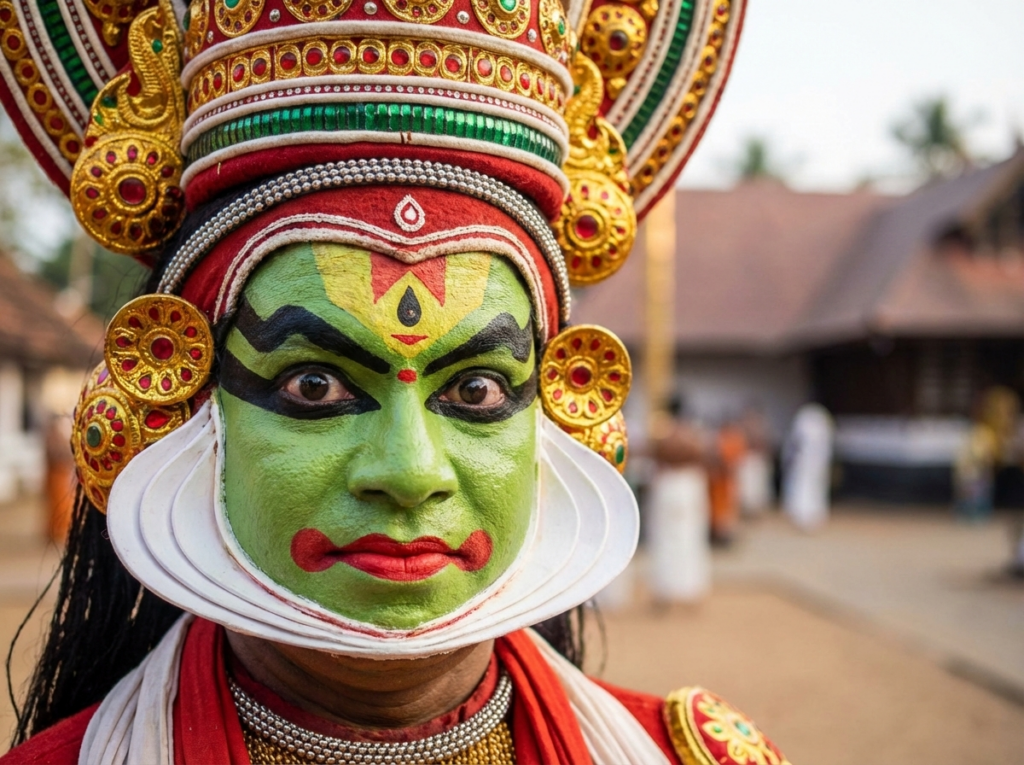
Padmanabhaswamy Temple
Padmanabhaswamy Temple is the most important landmark of the city and a major reason it is globally recognized. Dedicated to Lord Vishnu in the reclining (Ananthasayana) form, it is one of the 108 Divya Desams. The temple gained worldwide attention for its immense hidden treasures, and entry is restricted to Hindus with a strict traditional dress code.
Kovalam Beach
Kovalam Beach is what makes Thiruvananthapuram popular internationally. Known for its scenic crescent shape and iconic lighthouse, it includes Lighthouse Beach, Hawah Beach, and Samudra Beach, offering one of the best coastal experiences in South India.
Traditional Arts and Culture
Thiruvananthapuram is a hub for Kerala’s classical art forms like Kathakali, Mohiniyattam, and Kalaripayattu. Institutions like Margi Theatre and Kerala Kalamandalam help preserve and promote these traditions, making the city culturally rich.
Ayurvedic Treatments
The city is also well known for its authentic Ayurvedic therapies, with numerous clinics and wellness centres offering traditional treatments. Thiruvananthapuram attracts visitors seeking holistic healing and rejuvenation through Ayurveda.
Thiruvananthapuram Place Names: Key Areas to Know
Navigating Thiruvananthapuram is easier with an understanding of key thiruvananthapuram place names that feature in addresses, auto-rickshaw destinations, and travel directions. Each area has its own distinct character and knowing them in advance saves considerable confusion on the ground.
East Fort (Kaleekambam)
East Fort is the historic core of the city, located around the famous Padmanabhaswamy Temple. This area is known for its vibrant bazaar streets, flower vendors, and the traditional Chalai Market, offering an authentic local experience.
Kovalam
Kovalam, located about 16 km from the city centre, is the most popular beach destination near Thiruvananthapuram. The iconic Kovalam Lighthouse Beach and its surrounding resorts make it a top choice for travelers seeking a coastal stay.
Vellayambalam & Palayam
Vellayambalam and Palayam form the modern commercial and administrative hub of the city. Key landmarks here include the Secretariat, bustling markets, and the famous Pazhavangadi Ganapathy Temple.
Pattom, Kowdiar & Vazhuthacaud
Areas like Pattom, Kowdiar, and Vazhuthacaud are primarily residential neighborhoods. They are known for offering comfortable stays, mid-range guesthouses, and restaurants serving authentic Kerala cuisine.
Tourist Places in Thiruvananthapuram for One Day Trip
- Start your day at Padmanabhaswamy Temple with early darshan (from 3:30 AM; general darshan from 6:30 AM).
- Explore the nearby East Fort area and enjoy breakfast with local dishes like puttu and kadala curry.
- Visit Kuthiramalika Palace Museum (Horse Palace) to see royal collections, artifacts, and traditional art.
- Head to Napier Museum and the nearby Zoo complex, which can take 2–3 hours to explore.
- If time permits, also visit Sri Chitra Art Gallery and the Natural History Museum.
- Spend your afternoon at Kovalam Beach (about 16 km away), ideally reaching by 3–4 PM.
- Visit the Kovalam Lighthouse (open till around 5:30 PM) for panoramic views of the coastline.
- End your day with dinner at one of the seaside restaurants along Kovalam Beach, enjoying fresh seafood and the evening ambiance.
Things to Do in Thiruvananthapuram
Beyond the standard sightseeing circuit, the things to do in thiruvananthapuram span a range of cultural, adventure, and wellness experiences that make the city worth more than a single day. These are the experiences that separate a memorable Thiruvananthapuram visit from a rushed one.
Kalaripayattu performance and training:
Witnessing a live Kalaripayattu demonstration at the Margi Kalaripayattu School or CVN Kalari Sangham is one of the most memorable things to do in thiruvananthapuram for culturally curious travelers. The acrobatic leaps, weapons training, and the sheer athleticism of this 3,000-year-old martial art is extraordinary to watch.
Kathakali and Mohiniyattam performances:
Several cultural centres in Thiruvananthapuram offer evening Kathakali performances with pre-show explanations of the elaborate makeup and costume process. The Kerala Tourism Development Corporation (KTDC) organises regular cultural evenings that are accessible and informative for first-time viewers.
Ayurvedic treatment session:
Even a single 60–90 minute Abhyanga (full body oil massage) session at one of Thiruvananthapuram’s authentic Ayurvedic clinics is among the most rewarding things to do in thiruvananthapuram for travelers interested in traditional wellness. Avoid tourist-facing spas and ask your accommodation to recommend a clinician-supervised traditional practice.
Attukal Temple visit:
The Attukal Bhagavathy Temple, famous for the Pongala festival, is an important and architecturally distinctive temple in the heart of the city worth visiting for its cultural significance and the extraordinary energy of its devotional community.
Sunset at Shanghumugham Beach:
The city beach is a favourite evening destination for locals, and watching the Arabian Sea sunset from the Shanghumugham promenade with freshly cut tender coconut from a beach vendor is an authentically local Thiruvananthapuram experience.
Nearby Tourist Places
Some of the most rewarding experiences accessible from Thiruvananthapuram lie within a 1–3 hour drive, making the city an excellent base for day trips across southern Kerala. Each destination below adds a completely different dimension to a Thiruvananthapuram trip, from dramatic clifftop beaches to misty hill stations to ancient royal palaces.
Varkala Beach (54 km, 1.5 hours)
Arguably Kerala’s most dramatic beach destination, with red laterite cliffs dropping directly to the Arabian Sea and a clifftop strip of cafes, guesthouses, and ayurvedic treatment centres that has made it a favourite with international backpackers. The Papanasam Beach at Varkala is considered sacred and the Janardhana Swamy Temple on the clifftop is an important pilgrimage site.
Ponmudi Hill Station (61 km, 2 hours)
One of Kerala’s less visited but most beautiful hill stations, sitting at 1,100 metres in the Western Ghats with rolling tea gardens, misty forest trails, and a cool climate year-round. The winding ghat road to Ponmudi through dense forest is itself a highlight of the drive.
Padmanabhapuram Palace (55 km, 1.5 hours, in Tamil Nadu)
One of the finest surviving examples of traditional Kerala wooden palace architecture, built in the 16th century as the seat of the Travancore royal family before the capital moved to Thiruvananthapuram. The palace’s intricate wood carvings, Chinese tiles, and functional traditional architecture are extraordinary.
Neyyar Wildlife Sanctuary (32 km, 1 hour)
A compact but rewarding wildlife destination at the edge of the Western Ghats, with a crocodile farm, lion safari park, and boat rides on the Neyyar Dam reservoir surrounded by forested hills.
Kanyakumari (87 km, 2 hours, in Tamil Nadu)
The southernmost tip of mainland India where three seas meet, home to the Vivekananda Rock Memorial on an offshore island and the striking Thiruvalluvar Statue. The sunrise and sunset at Kanyakumari, one of the few places in India where both can be seen from the same point, is an extraordinary experience.
How to Reach Thiruvananthapuram
Thiruvananthapuram is one of South India’s best-connected cities, with strong air, rail, and road links from across India and several international destinations. Here are the most practical options depending on your origin city.
By Air:
Trivandrum International Airport is well-connected to Mumbai, Delhi, Bengaluru, Chennai, Hyderabad, and a large number of international destinations including the Gulf states, making Thiruvananthapuram one of Kerala’s most accessible cities by air. The airport is 6 km from the city centre.
By Train:
Thiruvananthapuram Central is a major railhead on the Kerala rail network with direct trains to Mumbai, Delhi, Chennai, Bengaluru, and all major South Indian cities. The Kerala Express, Rajdhani Express, and numerous Superfast services provide overnight connectivity to Mumbai and Delhi.
By Road:
Thiruvananthapuram is well-connected via NH66 (the coastal highway) to Kochi (210 km, 4 hours), Kollam (71 km, 1.5 hours), and other Kerala cities. KSRTC operates regular services, and private sleeper buses from Bengaluru (7 hours) and Chennai (8 hours) are popular.
Essential Thiruvananthapuram Travel Tips
A few practical details make a significant difference to the quality and comfort of your Thiruvananthapuram visit. Keep these in mind before and during your trip.
Temple dress code: The Padmanabhaswamy Temple has strict dress requirements — men must wear dhoti (mundu) and remove shirts, women must wear saree or set saree. Dhoti rental is available near the temple entrance for ₹20–30. No camera or electronic devices are permitted inside.
Auto-rickshaw fares: Thiruvananthapuram auto-rickshaws are metered, making them one of the more reliable and fairly priced urban transport options in Kerala. Always insist on the meter.
Language: Malayalam is the local language. English is widely understood in the city, tourism areas, and hotels. Learning a few Malayalam phrases is appreciated by locals and adds warmth to interactions.
Seafood: Thiruvananthapuram’s fish markets and small local restaurants serve some of the finest fresh seafood in Kerala at very reasonable prices. Karimeen (pearl spot), tiger prawns, and red snapper are particular highlights. Head away from tourist areas for the best quality and prices.
Conclusion
The best time to visit Thiruvananthapuram is October through February for pleasant weather, calm seas at Kovalam, and comfortable access to the city’s temples and heritage. Knowing the key thiruvananthapuram place names, things to do in thiruvananthapuram, and thiruvananthapuram near tourist places like Varkala and Kanyakumari ensures a deeply rewarding Kerala capital experience.

Frenzy Holidays ensures a smooth and enriching travel experience from start to finish. Visit us at Haware Centurion, S07/34, Nerul East, Sector 19A, Nerul, Navi Mumbai, Maharashtra 400706. For bookings or more information, call +91 7400453140, email [email protected], or visit www.frenzyholidays.com. Pack up and discover the capital of Kerala with Frenzy Holidays for an unforgettable South India journey.
Best Time to Visit Thiruvananthapuram – FAQs
What is the best time to visit Thiruvananthapuram?
October to February is the best time to visit Thiruvananthapuram for pleasant weather of 22–32°C, calm seas at Kovalam, and comfortable temple and heritage sightseeing across the city.
What is Thiruvananthapuram famous for?
Thiruvananthapuram is famous for Padmanabhaswamy Temple, Kovalam Beach, traditional Kathakali and Kalaripayattu arts, Ayurvedic treatments, and its rich Travancore royal heritage.
What are the best tourist places in Thiruvananthapuram for one day trip?
A good one day circuit covers Padmanabhaswamy Temple, Kuthiramalika Palace, Napier Museum, and an evening at Kovalam Beach with the Lighthouse viewpoint.
What are the best things to do in Thiruvananthapuram?
Top things to do in Thiruvananthapuram include attending a Kalaripayattu demonstration, visiting Padmanabhaswamy Temple, watching a Kathakali performance, exploring Kovalam Beach, and experiencing a traditional Ayurvedic treatment session.
What are the best Thiruvananthapuram near tourist places?
The best thiruvananthapuram near tourist places include Varkala Beach (54 km), Ponmudi Hill Station (61 km), Padmanabhapuram Palace (55 km), Neyyar Wildlife Sanctuary (32 km), and Kanyakumari (87 km).
What are the key Thiruvananthapuram place names to know?
Key thiruvananthapuram place names include East Fort, Kovalam, Palayam, Vellayambalam, Shanghumugham Beach, Pattom, and Kowdiar – each representing a distinct area of the city with specific character and attractions.
Is Thiruvananthapuram good for a monsoon visit?
Yes, the monsoon (July–September) suits Ayurveda seekers and budget travelers. The Onam festival in August–September is a highlight, though beaches are closed for swimming and outdoor sightseeing is frequently disrupted by heavy rain.
How many days are enough for Thiruvananthapuram?
2 nights and 3 days covers the city’s main attractions. Extend to 4–5 days to include Varkala, Ponmudi, and Kanyakumari as day trips.
Is Thiruvananthapuram safe for solo travelers?
Yes, Thiruvananthapuram is considered one of Kerala’s safer cities with reliable auto-rickshaw transport, well-lit tourist areas, and a generally welcoming local culture towards travelers.
What is the best way to reach Thiruvananthapuram from Mumbai?
The most convenient option is a direct flight from Mumbai to Trivandrum International Airport (2 hours). Overnight trains including the Kerala Express also connect Mumbai to Thiruvananthapuram in approximately 40 hours for budget travelers.
