
The best time to visit Turkey is spring (April to May) for the Istanbul Tulip Festival and Cappadocia wildflowers, and autumn (September to October) for golden light, fewer crowds, and warm sea temperatures. Summer (June to August) is ideal for Turquoise Coast beaches, while winter (December to February) offers snow-covered Cappadocia and budget-friendly Istanbul.
Turkey combines ancient history, extraordinary food, Aegean coastlines, and the surreal landscape of Cappadocia within a single country. Getting the timing right determines whether you walk Ephesus in comfortable October light or battle 40-degree summer heat. Turkey has four distinct seasons and each one offers something genuinely different.
This guide covers the best time to visit Turkey season by season and month by month, with activity recommendations, festival highlights, and practical tips for Indian travelers planning a trip in 2026.
Confused where to go for quick escape? Let us plan it for you.
Grab the Best DealTable of Contents
Best Time to Visit Turkey: Quick Overview
Spring (April to May) and autumn (September to October) are the best times to visit Turkey for most travelers, offering comfortable temperatures, manageable crowds, and full access to ancient sites, Cappadocia, and the Aegean coast. Summer is ideal for beach holidays on the Turquoise Coast, while winter brings the lowest prices and Cappadocia in snow.
| Season | Months | Temperature | Best For |
| Spring | March to May | 15 to 25 degrees C | Sightseeing, Istanbul tulip festival, Cappadocia |
| Summer | June to August | 28 to 40 degrees C | Beaches, boat cruises, Turquoise Coast |
| Autumn | September to November | 15 to 28 degrees C | Best overall conditions, fewer crowds |
| Winter | December to February | 0 to 10 degrees C | Budget travel, skiing, Cappadocia snow |
Turkey is one of the finest destinations to visit in May and October from India. Our guides on Best Place to Visit Outside India in May and Best Places to Visit in October Outside India both make the case for why spring and autumn Turkey is one of the most rewarding international travel windows for Indian travelers.
Understanding Turkey’s Climate Before You Visit
Turkey’s climate varies sharply by region. The Aegean and Mediterranean coasts have hot, dry summers and mild winters. Cappadocia and the interior run hotter in summer and colder in winter. Istanbul is temperate year round. Eastern Turkey sees harsh winters and very warm summers. Where you plan to travel matters as much as when.
Spring in Turkey: March to May
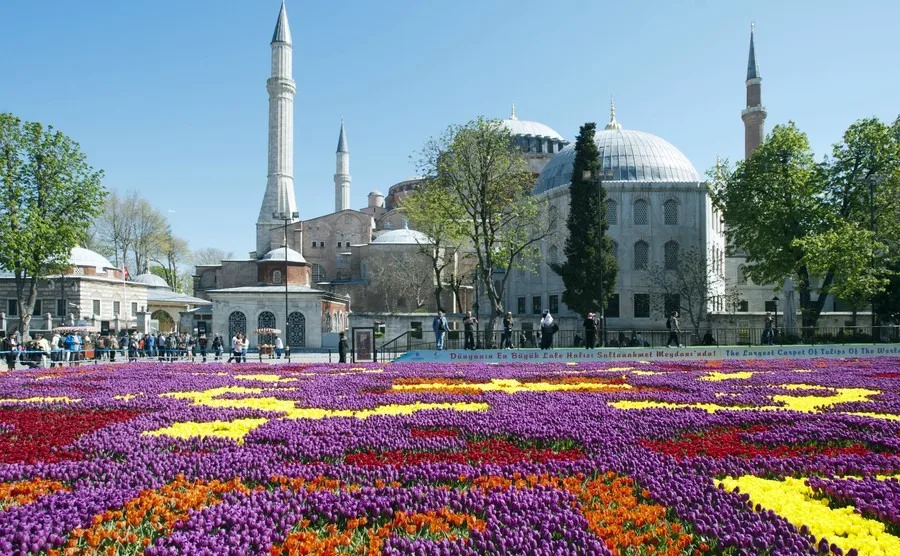
The most recommended season for first-time visitors. Ancient sites are crowd-free, and two iconic experiences arrive together: the Istanbul Tulip Festival in April and Cappadocia’s wildflower valleys in May.
- Temperature: 15 to 25 degrees C across most regions; warmer on the Antalya coast
- Weather: Clear and mild; occasional rain in March; settled and sunny through May
- March: Ephesus and Pamukkale virtually empty. Antalya coast already warm at 17 to 20 degrees.
- April: Istanbul at its finest. Millions of tulips in parks and gardens. Hagia Sophia and Topkapi without summer queues.
- May: Cappadocia valleys green and wildflower-covered. Hot air balloon flights most photogenic. Aegean sailing season opens. Book balloon rides weeks ahead.
- Things to Do: Walk Istanbul’s Hagia Sophia, Topkapi Palace, and Grand Bazaar; take a sunrise hot air balloon over Cappadocia; hike at Ephesus and Pamukkale without midday heat; cruise the Aegean coast as the sailing season opens
- Festivals: Istanbul Tulip Festival (April); Hidrellez Spring Festival (May 5 to 6)
- Best for: Istanbul tulip festival, Cappadocia, ancient ruins, hiking, value pricing
- Avoid if: You specifically want the warmest beach weather, which arrives fully in June
Summer: June to August

Peak beach season on the Turquoise Coast and Aegean. Gulet sailing and resort holidays are at their best. For ancient ruins and city sightseeing, the heat makes July and August genuinely difficult.
- Temperature: 28 to 40 degrees on the coast; cooler in Cappadocia at 1,000 metres altitude
- Weather: Hot, dry, and sunny on the coasts; intense midday heat inland; very little rainfall
- June: Strongest summer month. Sea warm, temperatures manageable. Aspendos Opera and Ballet Festival in a spectacular ancient Roman theatre near Antalya.
- July: Peak season with 6 million+ arrivals. Liveliest resorts but punishing heat at Ephesus and Pamukkale midday.
- August: Hottest month. Best only for beach holidays. Early morning starts essential at any heritage site.
- Things to Do: Sail a gulet from Bodrum or Fethiye along the Turquoise Coast; swim and snorkel at Oludeniz Blue Lagoon; attend the Aspendos Opera Festival in a 2,000-year-old Roman theatre; visit Cappadocia as a cooler inland alternative to the scorching coast
- Festivals: Aspendos International Opera and Ballet Festival (June to July)
- Best for: Turquoise Coast beaches, gulet sailing, resort holidays, Aspendos festival
- Avoid if: You want to explore ancient ruins comfortably or dislike peak-season crowds and prices
Autumn: September to October
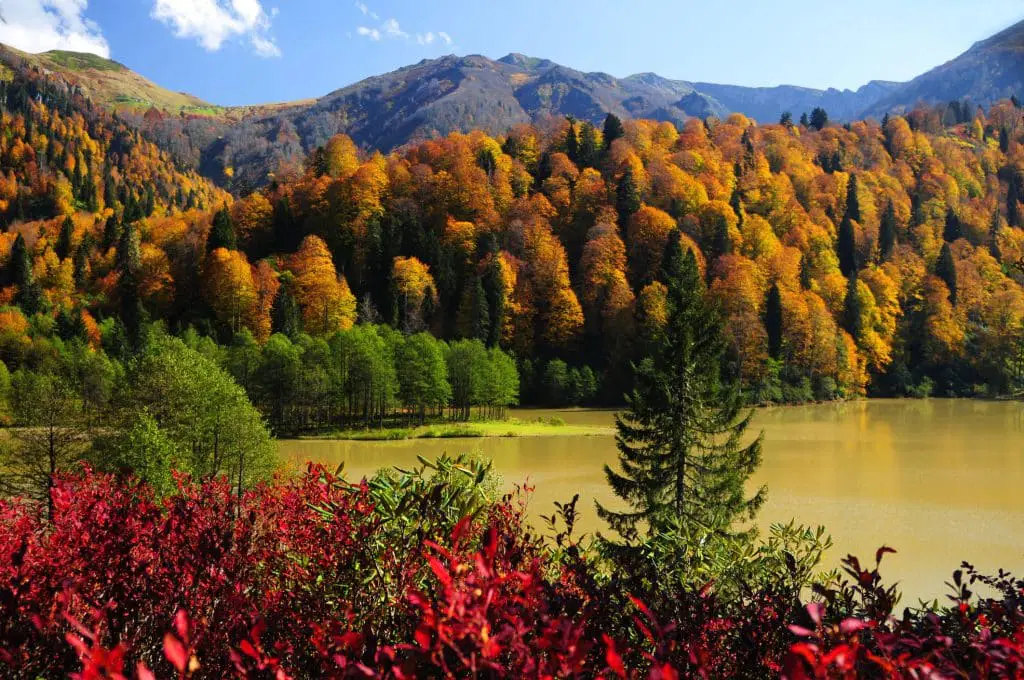
The joint-best season and many Turkey specialists’ personal favourite. Crowds thin, prices drop, the sea stays warm through October, and the golden light over Cappadocia and the Aegean is extraordinary.
- Temperature: 15 to 28 degrees; 24 in Bodrum, 19 in Istanbul, 17 in Cappadocia in October
- Weather: Clear, dry, and settled; cooling nights from October; sea warm through October at 27 to 28 degrees
- September: Crowds thin after the first week. Prices drop. Istanbul walkable again. Cappadocia harvest season in full colour.
- October: The finest month for most Turkey experiences. Ephesus and Pamukkale comfortable. Balloon flights over Cappadocia in golden autumn light.
- November: Coastal hotels closing. Istanbul and Cappadocia still excellent at very low prices.
- Things to Do: Take a sunrise hot air balloon flight over Cappadocia in golden autumn light; explore Ephesus and Hierapolis without summer heat; walk Istanbul’s Sultanahmet and Beyoglu neighbourhoods at a relaxed pace; visit the Aegean coast for the last warm swimming of the year
- Festivals: Istanbul Biennial (alternating years, September)
- Best for: Everything. This is the peak of the best time to visit Turkey
- Avoid if: You want the full coastal resort experience, which winds down from late October
Winter: December to February
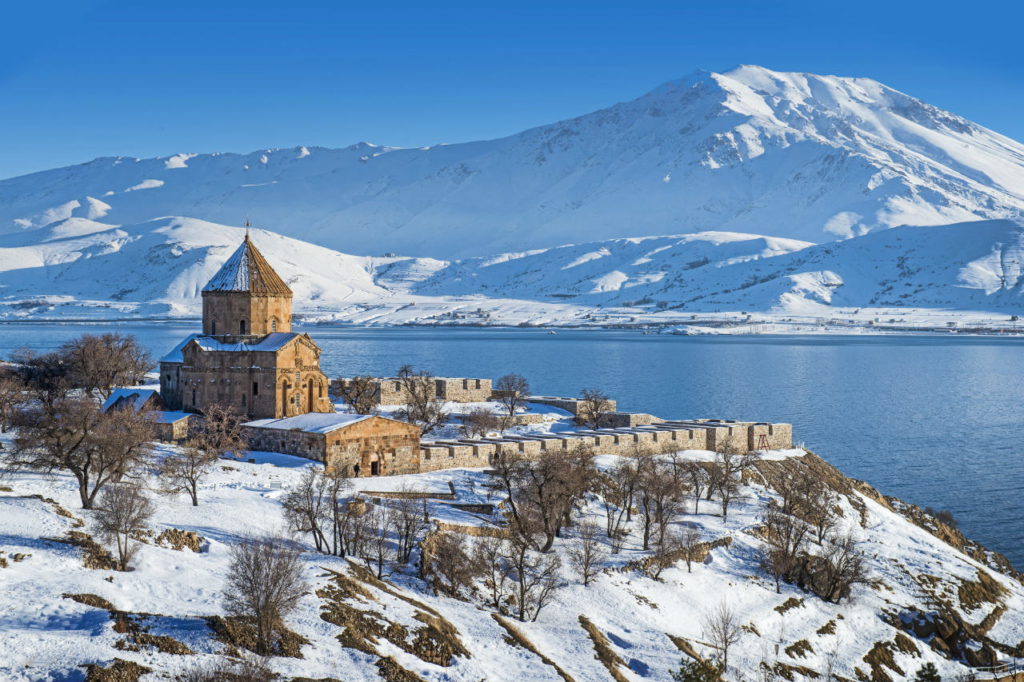
The quietest and most affordable season. Cappadocia in snow is one of Turkey’s most magical visual experiences. Istanbul is uncrowded and 40 to 50 percent cheaper than summer.
- Temperature: 0 to 10 degrees in Istanbul and Cappadocia; below freezing in eastern Turkey
- Weather: Cold and occasionally rainy in Istanbul; snow in Cappadocia and the interior; coastal resorts mostly closed
- Cappadocia: Fairy chimneys dusted in snow. Hot air balloon flights operate on clear days.
- Skiing: Uludag near Bursa, Palandoken near Erzurum, and Kartalkaya in the Bolu mountains in full operation.
- Istanbul: Far less crowded. Hagia Sophia and Topkapi without queues. Accommodation 40 to 50 percent cheaper than peak season.
- Things to Do: Photograph snow-covered fairy chimneys in Cappadocia; ski at Uludag or Palandoken; explore Istanbul’s museums, hammams, and meyhanes in uncrowded comfort; take a Bosphorus ferry in the winter mist
- Best for: Budget travel, Cappadocia snow photography, skiing, uncrowded Istanbul sightseeing
- Avoid if: You want beach access, coastal resort experiences, or reliable hot air balloon flights
Best Time to Visit Turkey by Activity

- For Cappadocia Hot Air Ballooning: April to June and September to October for the most reliable weather conditions and finest light. December to February for snow landscapes but with less predictable balloon availability.
- For Istanbul Sightseeing: April to May and September to October for the best combination of weather, light, and manageable crowds. April specifically for the Tulip Festival.
- For Turkish Riviera Beaches: June to September, with September offering the ideal balance of warm sea, hot but not extreme air temperatures, and significantly lower prices than July and August.
- For Ancient Sites (Ephesus, Pamukkale, Troy): March to May and September to October. The midday summer heat at these exposed sites is uncomfortable and even dangerous in July and August.
- For Gulet Sailing Cruises: May to October on the Turquoise Coast, with June and September the best months for the balance of weather and availability.
- For Budget Travel: January and February offer the lowest prices of the year. November and March are also significantly cheaper than peak season with still-reasonable conditions.
- For Skiing: December to March at Uludag, Palandoken, and Kartalkaya.
Best Time to Visit Turkey for Indian Travelers
For Indian travelers making their first international trip to Turkey, April to May and September to October are the most practical and rewarding windows. The weather is comfortable across all the major destinations, flights from Mumbai and Delhi are well-connected via Istanbul’s Ataturk and Sabiha Gokcen airports, and the range of experiences available, from Istanbul’s Ottoman heritage to Cappadocia’s balloon flights and the Aegean coast’s ancient ruins – is fully accessible in these shoulder seasons.
Turkey is an outstanding choice for a first international trip because it offers extraordinary cultural and natural diversity within a single country, is significantly more affordable than Western European destinations, and has a well-developed tourism infrastructure that makes independent travel very manageable. Our guide on First International Trip covers everything Indian travelers need to know about planning their first overseas trip, including documents, budgeting, and destination selection.
Conclusion
The best time to visit Turkey is spring (April to May) and autumn (September to October) for the largest number of travelers and the widest range of experiences. Summer delivers the best beaches and sailing but comes with heat, crowds, and higher prices. Winter offers the lowest costs, the snow-covered fairy chimneys of Cappadocia, and a quieter, more intimate version of Istanbul. Whatever season you choose, Turkey is a country that rewards the visit with an extraordinary range of landscapes, history, food, and experiences that few other destinations in the world can match within a single trip.

Frenzy Holidays ensures a smooth and enriching travel experience from start to finish. You can visit us at Haware Centurion, S07/34, Nerul East, Sector 19A, Nerul, Navi Mumbai, Maharashtra 400706. For bookings or more information, call +91 7400453140, email [email protected], or visit www.frenzyholidays.com. So pack up and explore the world with Frenzy Holidays for an unforgettable journey.
Best Time to Visit Turkey: FAQs
What is the best time to visit Turkey?
April to May and September to October. Both offer comfortable temperatures, manageable crowds, and access to all of Turkey’s major experiences.
When is the Istanbul Tulip Festival?
April, when the parks and gardens of Istanbul fill with millions of tulips. The exact dates shift slightly each year but the festival runs through most of April.
What is the best time to visit Cappadocia?
April to June and September to October for balloon flights and hiking. December to February for snow scenery.
Is Turkey good to visit in summer?
For beaches and sailing on the Turquoise Coast, yes. For ancient ruins and Istanbul sightseeing, the heat makes July and August difficult.
When is the cheapest time to visit Turkey?
January and February offer the lowest accommodation and flight prices, with November and March also significantly below peak season rates.
What is the Aspendos festival in Turkey?
The Aspendos International Opera and Ballet Festival runs in June and July at a spectacular ancient Roman theatre near Antalya, one of the finest outdoor cultural events in the world.
Do Indian travelers need a visa for Turkey?
Yes. Indian passport holders require a Turkish e-visa, which can be obtained online in minutes before travel. Turkey is one of the most straightforward visa processes for Indian travelers.
What is the best time to visit the Turkish coast?
June to September for beaches, with September offering the ideal balance of warm sea, slightly cooler air temperatures, and lower prices than July and August.
How cold does Turkey get in winter?
Istanbul averages 5 to 8 degrees in January. Cappadocia can drop to minus 10 degrees. Eastern Turkey sees temperatures well below freezing from December to February.
Is October a good month to visit Turkey?
Yes. October is considered by many Turkey specialists to be the finest month, with ideal temperatures for sightseeing, golden autumn light, warm sea still available on the coast, and significantly lower prices than summer.
