
The coldest place in Sikkim is Lachen, a remote mountain village in North Sikkim at around 2,750 metres where peak winter temperatures can fall as low as -40 degrees Celsius, making it among the coldest inhabited places in India. This guide covers the 8 coldest places in Sikkim, with temperature details, what to do, and how to reach each destination.
Sikkim’s Himalayan terrain produces a remarkable range of cold-weather experiences, from frozen high-altitude lakes above 5,000 metres to misty valley towns that stay cool through the summer. Whether you are chasing snowfall, frozen lakes, or high-altitude passes near the China border, Sikkim has more cold-weather variety than any other small state in India.
Confused where to go this summer? Let us plan it for you.
Grab the Best DealTable of Contents
Coldest Place in Sikkim: Quick Overview
Sikkim’s coldest destinations span from extreme high-altitude passes and frozen lakes to cool mid-altitude valleys. Each destination offers a distinct cold-weather experience across North, East, and West Sikkim.
| Destination | Type | Winter Temp | Distance from Gangtok |
| Lachen | Mountain village | -10 to -40 degrees C | 121 km |
| Gurudongmar Lake | High-altitude lake | -15 to -20 degrees C | 175 km |
| Thangu Valley | Alpine valley | -10 to -35 degrees C | 156 km |
| Zero Point (Yumesamdong) | Border alpine point | -17 degrees C | 165 km |
| Yumthang Valley | Flower valley | -5 to -15 degrees C | 140 km |
| Nathula Pass | Mountain pass | -10 to -20 degrees C | 56 km |
| Tsomgo Lake | Glacial lake | -5 to -8 degrees C | 40 km |
| Zuluk | Silk Route village | -5 to -10 degrees C | 92 km |
Sikkim has extraordinary natural and cultural variety beyond its cold-weather destinations. Read our guides on the best time to visit Sikkim and Darjeeling for full seasonal planning and offbeat places in Sikkim for destinations beyond the main tourist circuit.
Why Sikkim Has So Many Cold Places
Sikkim is a small state in the Himalayas that shares borders with Nepal, Bhutan, and China, as well as with West Bengal. This state has a very diverse topography, with elevations ranging from subtropical elevations in its southern areas, up to high-altitude mountain passes over 5,000m high along its northern border with China. The combination of these elevations produces some of North Eastern India’s coldest inhabited regions. The tundra-like regions of North Sikkim are covered by snow for close to four months every year. The mountainous regions of North Sikkim can have temperatures that dip well below -40 degrees Celsius during the winter months. Even during the summer, North Sikkim is much colder than the plains, which makes Sikkim a good cold-weather destination throughout the whole year.
1. Lachen: The Coldest Village in Sikkim
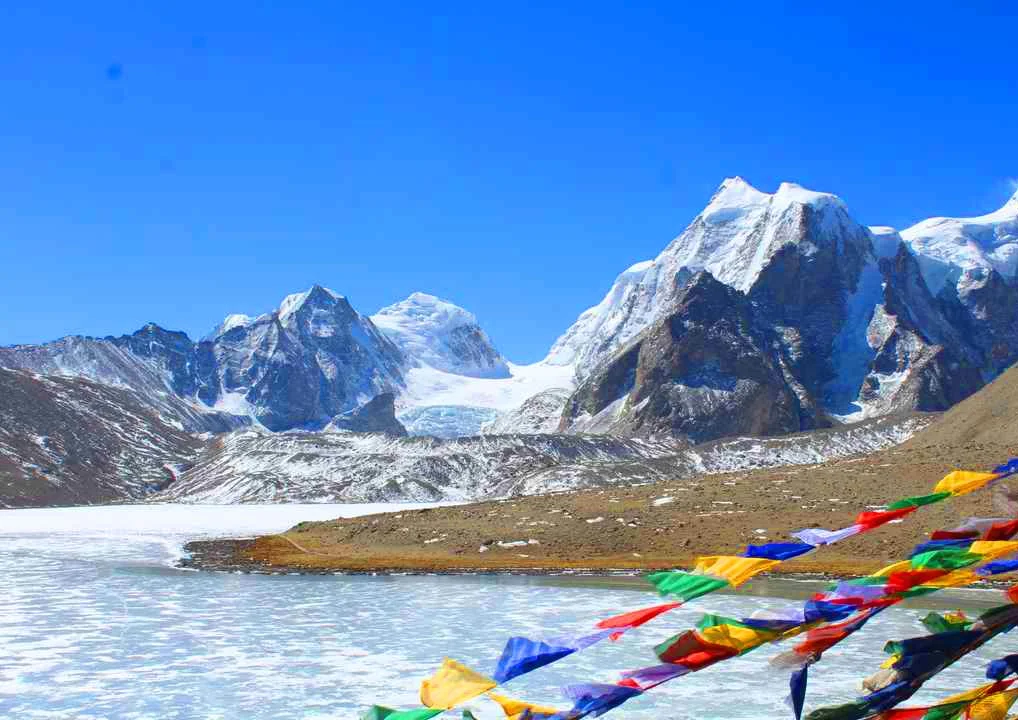
Lachen is the coldest inhabited village in Sikkim and one of the coldest inhabited places in India. Set at around 2,750 metres in North Sikkim, this small traditional village serves as the base for journeys to Gurudongmar Lake and Chopta Valley. Peak winter temperatures in Lachen can fall as low as -40 degrees Celsius in extreme cold spells, and the village is covered in heavy snow from December through February. The wooden houses, Lachen Monastery, and the extraordinary silence of a snowbound Himalayan village make Lachen one of the most atmospheric cold-weather destinations in the country. It is also the starting point for the most rewarding cold-weather circuit in all of Sikkim.
- Winter Temperature: -10 to -40 degrees C; summer temperature 10 to 28 degrees C
- Things to Do: Visit the Lachen Monastery; use the village as a base for early morning drives to Gurudongmar Lake; walk the snowbound village lanes in winter; birdwatch in the surrounding forests during spring; attend the annual Thangu Yak Race during summer
- Distance from Gangtok: 121 km, approximately 6 to 7 hours by road
- Best for: Cold-weather seekers, adventure travelers, base camp for Gurudongmar and Chopta Valley
2. Gurudongmar Lake
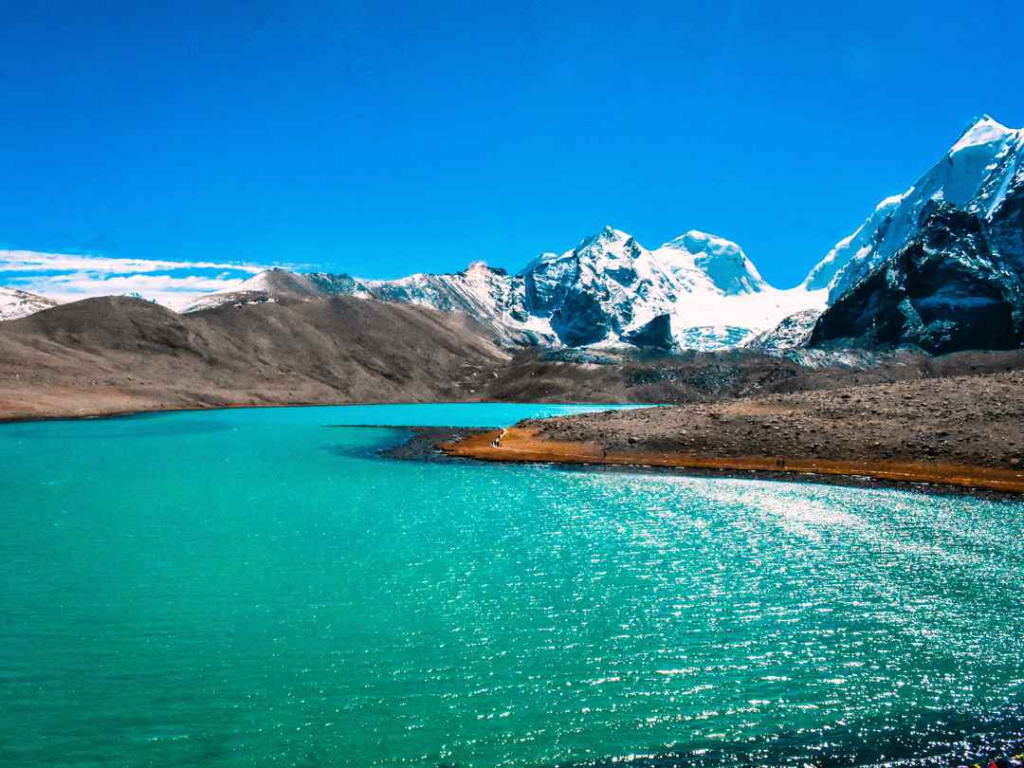
Gurudongmar Lake is one of the highest accessible lakes in the world at 5,183 metres and records winter temperatures between -15 and -20 degrees Celsius, making it the coldest accessible tourist destination in Sikkim. The lake is one of the major sources of the Teesta River and is sacred to both Buddhists and Sikhs. Legend holds that Guru Padmasambhava blessed a portion of the lake and that section never freezes, even at extreme sub-zero temperatures, while the rest of the lake remains solidly frozen in winter. The surreal landscape of frozen water, snow-covered mountains, and thin alpine air at over 17,000 feet creates an experience unlike any other cold-weather destination in India.
- Winter Temperature: -15 to -20 degrees C; summer temperature -5 to 10 degrees C
- Things to Do: Visit the partially frozen lake and the Sarva Dharma Stala place of worship; photograph the snow-ringed lake surface and surrounding peaks; stop at Thangu for acclimatisation on the way up; visit Chopta Valley on the return journey
- Distance from Gangtok: 175 km; requires overnight stay at Lachen; departure from Lachen at 4 to 5 AM
- Best for: High-altitude lake enthusiasts, spiritual travellers, photographers, extreme cold-weather seekers
3. Thangu Valley
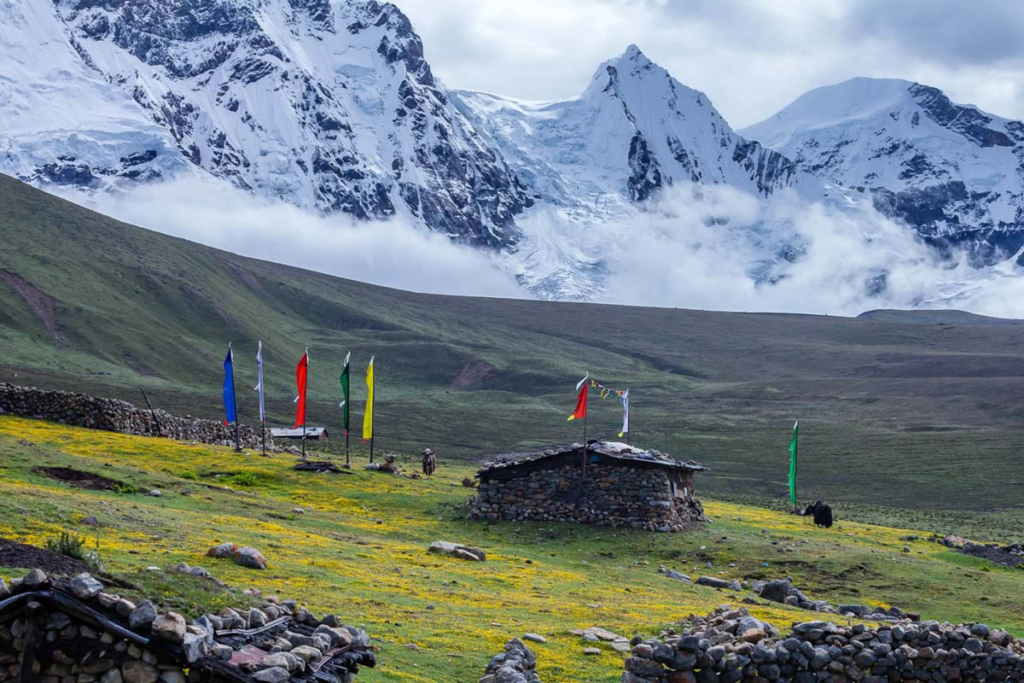
Thangu Valley in North Sikkim at around 3,962 metres is the coldest valley settlement in Sikkim and one of the coldest inhabited places in Northeast India. Winter temperatures here can fall to -35 degrees Celsius, and the valley remains snow-covered from October to March every year. It serves as an acclimatisation stop between Lachen and Gurudongmar Lake and holds its own appeal as an alpine meadow destination during spring and summer when flowers including blue poppy, rhododendrons, and orchids carpet the hillsides. The wooden houses and the yak-grazed meadows give Thangu an atmosphere of high-altitude remoteness that is difficult to find anywhere else in India.
- Winter Temperature: -10 to -35 degrees C; summer temperature 5 to 18 degrees C
- Things to Do: Stop for acclimatisation on the way to Gurudongmar Lake; photograph the snow-covered valley in winter; visit during March and April for the blue poppy and rhododendron bloom; birdwatch along the Thangu Chu and Chopta Chu streams; attend the Thangu Yak Race held during summer
- Distance from Gangtok: 156 km; 35 km beyond Lachen
- Best for: Adventure travellers, flower and wildlife enthusiasts, acclimatisation stop on the Gurudongmar circuit
4. Zero Point (Yumesamdong)
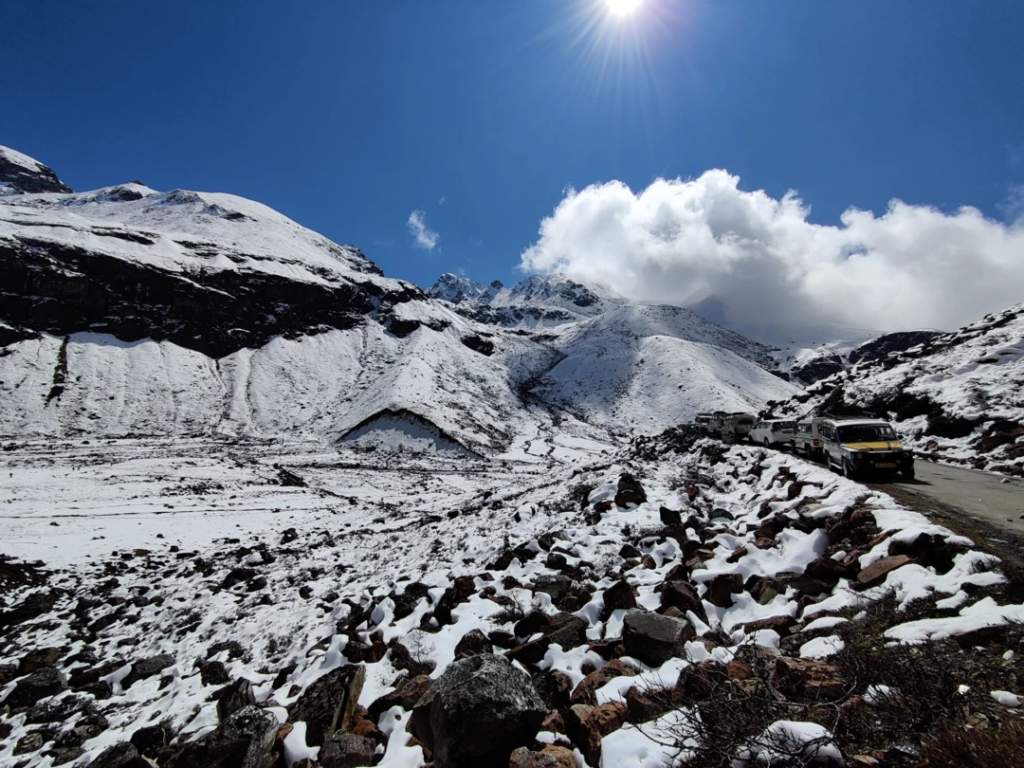
Zero Point, officially named Yumesamdong, is the northernmost point accessible to civilian tourists in North Sikkim and one of the coldest destinations in the state. Sitting at around 4,700 metres near the China border, winter temperatures here fall to -17 degrees Celsius with extreme snowfall from December to February. The point marks where three rivers converge and the road ends, giving the location its name. Three Himalayan streams meet here against a backdrop of snow-covered peaks visible in every direction, and the hot springs nearby carry medicinal sulphur properties valued by local communities for centuries. Foreign nationals are not permitted to visit Zero Point.
- Winter Temperature: -17 degrees C in peak winter; summer temperature 14 to 20 degrees C
- Things to Do: Visit the confluence of three rivers at the road end point; photograph the panoramic snow-covered mountain views; visit the sulphur hot springs; trek the route between Zero Point and Yumthang Valley; visit in April for the rhododendron bloom below
- Distance from Gangtok: 165 km; 26 km beyond Yumthang Valley
- Best for: Snow seekers, adventure travellers, photographers; Indian nationals only
5. Yumthang Valley
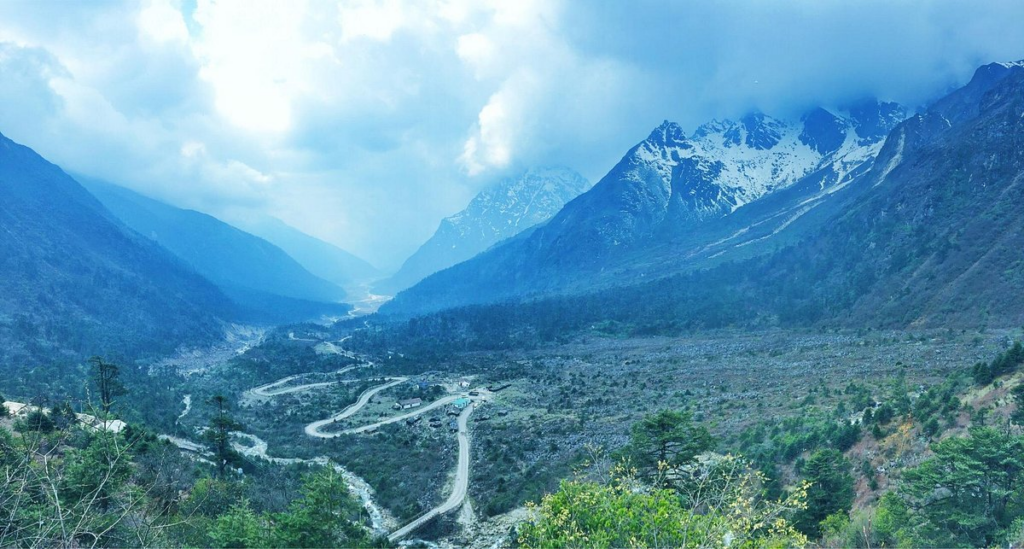
Yumthang Valley, known as the Valley of Flowers of Sikkim, sits at 3,564 metres in North Sikkim and is one of the most photographed cold destinations in the state. Winter temperatures in Yumthang range from -5 to -15 degrees Celsius in January and the valley is blanketed in deep snow from December through February. The Singba Rhododendron Sanctuary inside the valley holds around 40 species of rhododendrons that bloom spectacularly in March and April, making it one of the most dramatic seasonal transformations in India, from a snow-covered wilderness to a riot of colour within just a few weeks. The Yumthang Tsachu hot springs provide warmth even in the coldest months.
- Winter Temperature: -5 to -15 degrees C; summer temperature 10 to 22 degrees C
- Things to Do: Walk the snow-covered valley floor in winter; visit the Singba Rhododendron Sanctuary in March and April for the flower bloom; soak in the Yumthang Tsachu hot springs year-round; drive onward to Zero Point from the valley; photograph the Teesta headwaters and surrounding peaks
- Distance from Gangtok: 140 km, approximately 6 hours; overnight stay at Lachung mandatory
- Best for: Snow seekers, flower enthusiasts, photographers, families
6. Nathula Pass
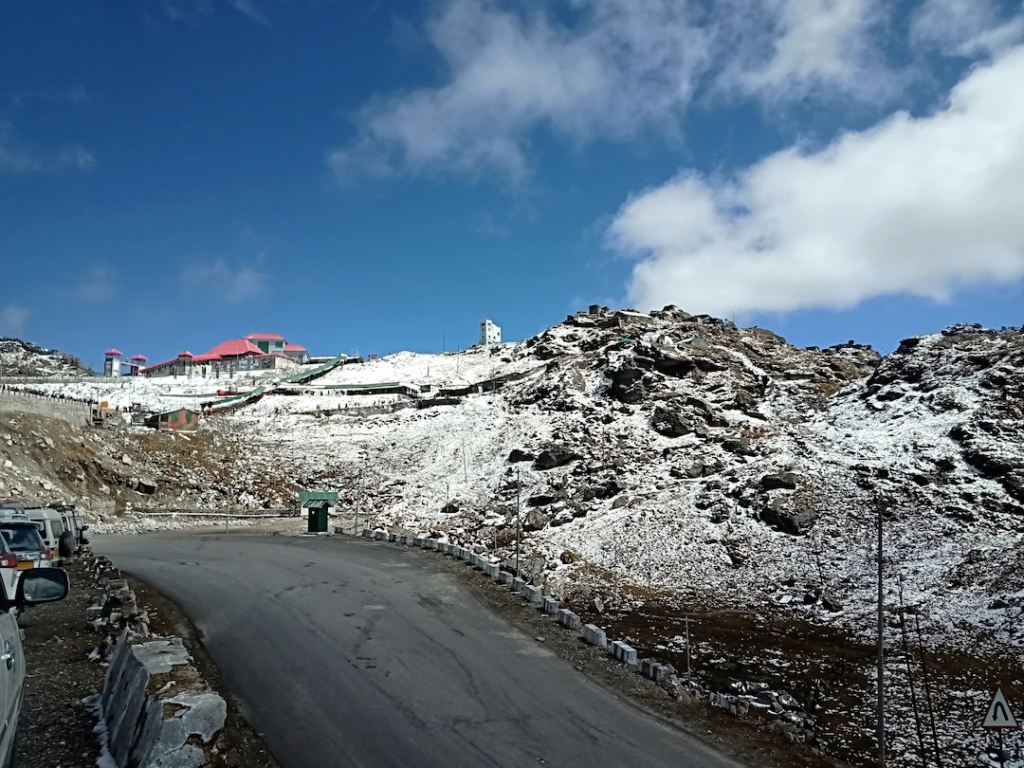
Nathula Pass at 4,310 metres is a historic mountain pass on the India-China border in East Sikkim and one of the coldest accessible points in the state at just 56 km from Gangtok. Winter temperatures here range from -10 to -20 degrees Celsius and the pass receives heavy snowfall between December and February. Nathula is one of only three open trading border posts between India and China and carries immense historical and strategic significance, having been used for centuries as part of the ancient Silk Route before the 1962 war closed it until 2006. Only Indian nationals are permitted to visit the pass with a special permit obtained from Gangtok.
- Winter Temperature: -10 to -20 degrees C; summer temperature 2 to 18 degrees C
- Things to Do: Visit the India-China border gate and see the Indian and Chinese soldiers at the post; visit the Indian Army Exhibition Centre; see Tsomgo Lake on the route from Gangtok; visit the Baba Harbhajan Singh Temple nearby; photograph the snow-covered pass and Chinese Chumbi Valley below
- Distance from Gangtok: 56 km, approximately 2.5 to 3 hours
- Best for: History lovers, border tourism seekers, snow seekers; Indian nationals only
7. Tsomgo Lake
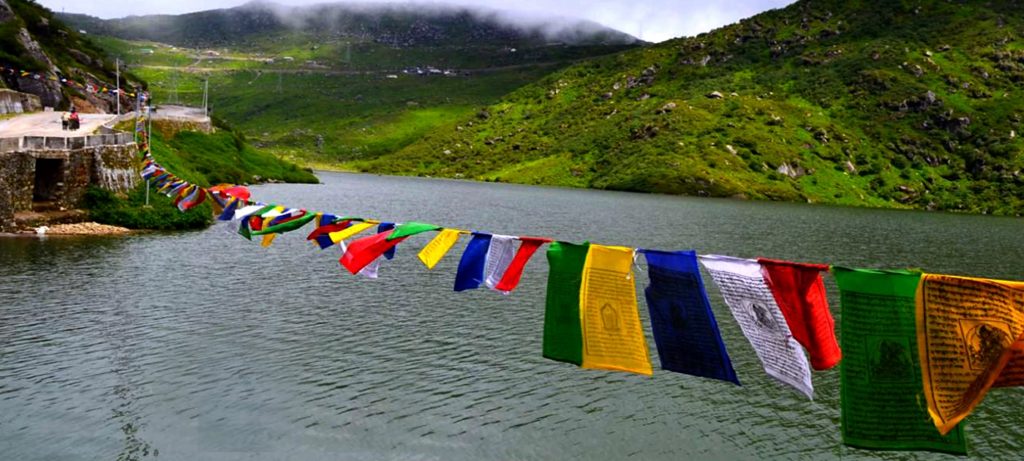
Tsomgo Lake, also called Changu Lake, is a glacial lake at 3,753 metres in East Sikkim and the most accessible cold-weather destination from Gangtok. The lake freezes completely in December and remains ice-covered through February, creating a mirror-like frozen surface surrounded by snow-capped mountains that is one of the most photographed winter scenes in Sikkim. The lake is an important source of the Teesta River and is considered sacred by the Sikkimese people. A ropeway above the lake provides an aerial view of the oval-shaped frozen surface and surrounding peaks, and yak rides on the icy banks are a popular activity in winter. For a broader look at offbeat places near Gangtok beyond Tsomgo, our guide covers the lesser-visited spots in the East Sikkim circuit.
- Winter Temperature: -5 to -8 degrees C; summer temperature 5 to 15 degrees C
- Things to Do: Walk the frozen lake perimeter in December and January; take a yak ride on the icy banks; ride the ropeway for aerial views of the lake and surrounding peaks; continue to Baba Harbhajan Singh Temple and Nathula Pass on the same day
- Distance from Gangtok: 40 km, approximately 1.5 hours
- Best for: Families, first-time Sikkim visitors, snow and lake photography, accessible winter day trips from Gangtok
8. Zuluk
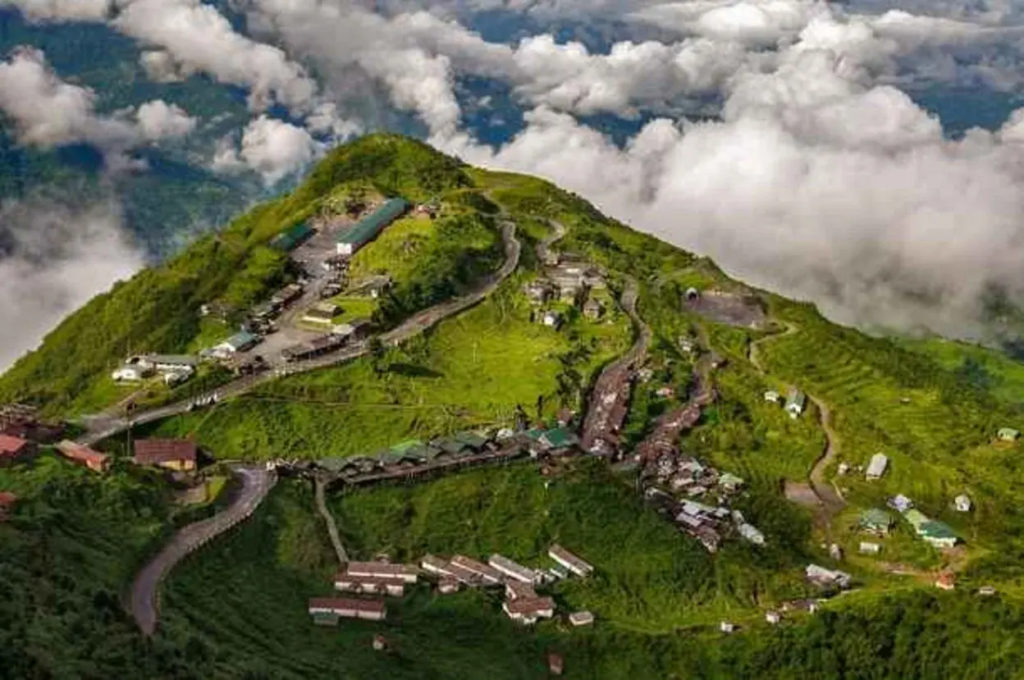
Zuluk is a remote village at approximately 3,500 metres on the historic Old Silk Route in East Sikkim, and one of the most dramatically cold and visually striking cold destinations in the state. The village is accessed via a road with 32 hairpin bends that gives extraordinary views over the Kanchenjunga range and the Tibetan plateau. Winter temperatures in Zuluk fall between -5 and -10 degrees Celsius and the road and slopes turn into snowy white ribbons visible from above when covered. The Thambi Viewpoint above Zuluk offers what many consider the finest sunrise view of Kanchenjunga in all of Sikkim, and the village’s Old Silk Route heritage gives it a historical character distinct from any other cold destination in the state.
- Winter Temperature: -5 to -10 degrees C; summer temperature 8 to 20 degrees C
- Things to Do: Watch the sunrise over Kanchenjunga from Thambi Viewpoint; drive the 32 hairpin bends of the Old Silk Route road; visit the Gnathang Valley nearby; explore the Lungthung and Nathang Valley stops along the Silk Route; birdwatch in the surrounding rhododendron forests in spring
- Distance from Gangtok: 92 km, approximately 4 to 5 hours by road
- Best for: Photographers, road trip enthusiasts, history lovers, offbeat travelers
Practical Tips for Visiting the Coldest Places in Sikkim
Visiting the coldest place in Sikkim requires permits, the right vehicle, and proper cold-weather gear. All tourists require an Inner Line Permit (ILP) to enter North Sikkim and certain East Sikkim areas, obtainable from Gangtok’s permit offices or online. For Nathula Pass, Gurudongmar Lake, Yumthang, and Zero Point, additional restricted area permits are required and foreign nationals are not permitted at several high-altitude sites. Only high-clearance vehicles like Mahindra Max, Scorpio, or Xylo are suitable for North Sikkim roads in winter. Carry heavy thermal clothing, waterproof jackets, and altitude medication for all destinations above 3,500 metres. Check road conditions before travelling as landslides in monsoon and snowfall closures in winter can affect access at short notice. The best overall season for cold-weather visits to Sikkim is October to March, with January and February the peak months for snow and frozen lakes.
Conclusion
The coldest place in Sikkim is Lachen, with extreme winter temperatures and its position as the gateway to the Gurudongmar and Chopta circuits. Thangu Valley and Gurudongmar Lake are the most intensely cold accessible tourist destinations in the state. Zero Point, Yumthang, and Nathula offer a range of cold-weather experiences from alpine confluence points to historic border passes. Tsomgo Lake and Zuluk provide accessible cold-weather escapes for those based in Gangtok. Plan permits in advance, carry appropriate gear, choose the right vehicle, and let Sikkim’s extraordinary Himalayan cold-weather landscape deliver one of the finest mountain experiences in India.

Frenzy Holidays ensures a smooth and enriching travel experience from start to finish. You can visit us at Haware Centurion, S07/34, Nerul East, Sector 19A, Nerul, Navi Mumbai, Maharashtra 400706. For bookings or more information, call +91 7400453140, email [email protected], or visit www.frenzyholidays.com. So pack up and explore India with Frenzy Holidays for an unforgettable journey.
Coldest Place in Sikkim: FAQs
What is the coldest place in Sikkim?
Lachen is the coldest inhabited village in Sikkim, with peak winter temperatures falling as low as -40 degrees C. Gurudongmar Lake and Thangu Valley record similarly extreme cold.
Which is the coldest lake in Sikkim?
Gurudongmar Lake at 5,183 metres is the coldest accessible lake in Sikkim, with winter temperatures of -15 to -20 degrees C and the lake surface freezing almost entirely except for one spot blessed by Guru Padmasambhava.
What is the temperature at Zero Point Sikkim in winter?
Zero Point records winter temperatures down to -17 degrees C with heavy snowfall from December to February. It is accessible only to Indian nationals with a permit.
Is Nathula Pass accessible in winter?
Yes, with a permit, but road conditions can restrict access after heavy snowfall. The best months to visit are April to June and October to November.
How cold does Tsomgo Lake get in winter?
Tsomgo Lake temperatures fall to -5 to -8 degrees C in winter and the lake freezes completely by December, remaining ice-covered through February.
