
The dharamshala best time to visit is between March and June and again from September to November, when the weather is at its most pleasant, the Himalayan views are sharp and clear, and the town is alive with trekkers, pilgrims, and cultural visitors. October is the single finest month, offering crisp post-monsoon skies and the most spectacular views of the Dhauladhar range.
Sitting at an altitude of approximately 1,457 metres in the Kangra district of Himachal Pradesh, Dharamshala is one of North India’s most layered and rewarding destinations. Home to the Tibetan government-in-exile and the residence of His Holiness the Dalai Lama, the town carries a spiritual and cultural weight that sets it apart from every other hill station in the country. Its upper neighbourhood of McLeod Ganj is a vibrant hub of Tibetan culture, monasteries, trekking trails, and international travellers, while the lower town retains a quieter, more traditionally Indian character. Understanding dharamshala best time to visit helps you plan around the right season, the right festivals, and the most rewarding weather conditions for this extraordinary Himalayan destination.
Confused where to go for quick escape? Let us plan it for you.
Grab the Best DealTable of Contents
Quick Reference: Dharamshala Best Time to Visit
Planning a trip to Himachal Pradesh’s most culturally distinctive hill town? Here is a handy snapshot of everything you need to know before booking your journey to Dharamshala and McLeod Ganj.
| Detail | Information |
|---|---|
| Location | Kangra District, Himachal Pradesh |
| Altitude | Approx. 1,457 metres (Dharamshala) / 1,457 to 1,800 metres (McLeod Ganj) |
| Nearest Airport | Gaggal Airport, Kangra (approx. 13 km) |
| Nearest Railway Station | Pathankot Junction (approx. 85 km) |
| Nearest Major City | Chandigarh (approx. 240 km) |
| Best Season | March to June and September to November |
| Best Month Overall | October |
| Best Month for Snow | January and February |
| Winter Temperature | 2°C to 14°C |
| Summer Temperature | 18°C to 32°C |
| Key Attraction | Tsuglagkhang Complex, Triund Trek, Dal Lake, HPCA Stadium |
| State Capital | Shimla |
Dharamshala Best Time to Visit
Dharamshala best time to visit falls across two windows: March to June for spring and early summer travel, and September to November for post-monsoon clarity and the finest Himalayan views of the year. December to February offers a quieter snow season for those who want winter charm without the crowds.
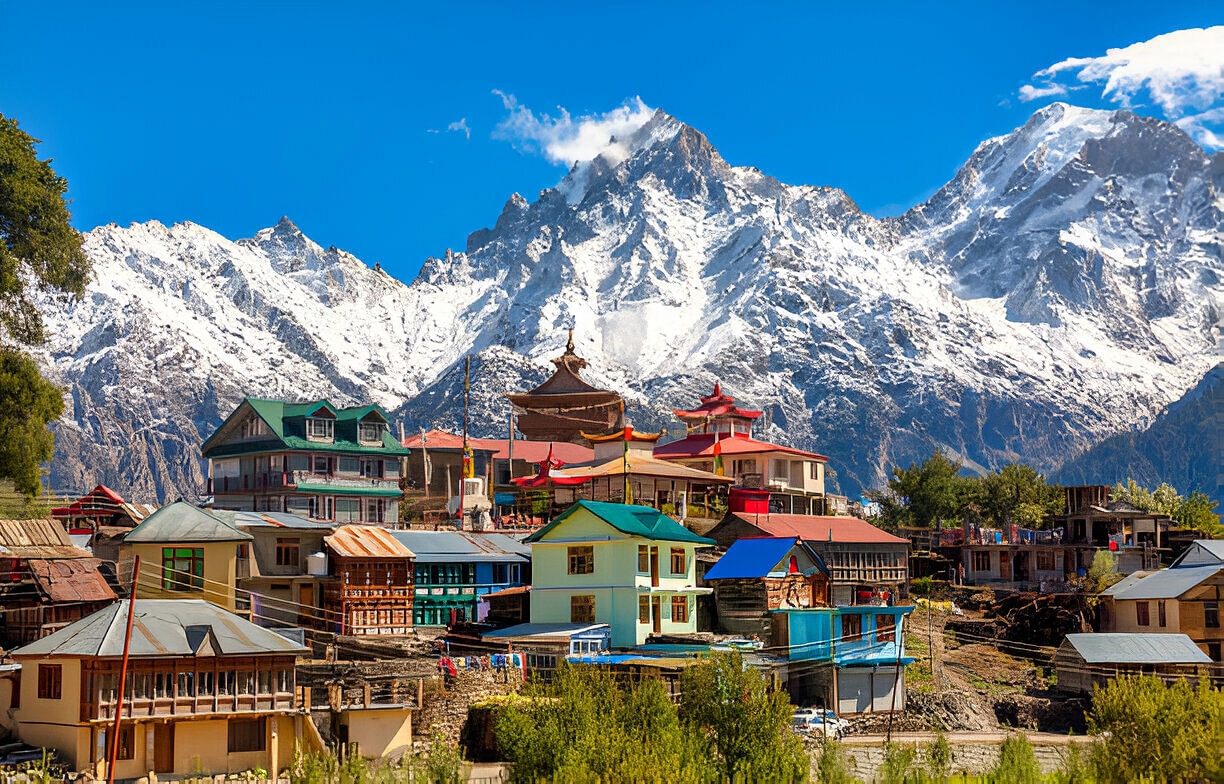
March to June: Spring Bloom and Pleasant Weather
Spring and early summer represent one of the two finest windows for visiting Dharamshala. Temperatures range between 15°C and 28°C from March through May, with warm days, comfortable evenings, and the hillsides around McLeod Ganj covered in rhododendron and wildflower bloom. The Triund trek, one of the most popular day and overnight treks in Himachal Pradesh, is in excellent condition from March onward, with snow still visible on the higher Dhauladhar ridgeline through March and April adding drama to the view.
March and April are ideal for monastery visits, village walks, and exploring the Tibetan cultural circuit around McLeod Ganj and Dharamkot. The Tibetan Institute of Performing Arts often stages cultural performances in this period, and the town has an energetic but not overwhelming crowd level. May sees a noticeable increase in visitors from Delhi and Punjab seeking relief from the plains heat, but Dharamshala remains far more manageable than Shimla or Manali during the summer peak.
June is one of Dharamshala’s most interesting months for travellers who want cooler temperatures alongside a beautiful landscape. With the plains baking in the pre-monsoon heat, Dharamshala’s altitude keeps it at a pleasant 22°C to 30°C, making it one of the best cool escapes in the region. Our guide to cool places to visit in June covers Dharamshala alongside other top cool-weather destinations across India for June travellers.
September to November: Peak Season for Views
The post-monsoon window from September to November is widely considered the finest time to experience Dharamshala and the single best period for the dharamshala best time to visit recommendation for first-time travellers. The monsoon clears the air and washes the landscape spotlessly clean, and by September the skies open to reveal the Dhauladhar range in extraordinary detail, with snow-capped peaks rising sharply above the forested ridgeline.
Temperatures sit between 12°C and 24°C through October and November, with crisp mornings, warm afternoons, and cool evenings that are perfect for trekking and sightseeing. October is the single best month, with the clearest skies of the year and the entire valley of Kangra laid out in panoramic brilliance on clear days. The Triund trek in October offers views that are genuinely among the finest accessible from any hill station in North India.
November brings a gradual cooling and the first hints of winter in the higher elevations, but remains a rewarding month for Dharamshala travel with thin crowds and excellent conditions. The Tibetan cultural calendar is active through this period with festivals and monastic events taking place across McLeod Ganj and Dharamsala.
For travellers planning a broader Himachal Pradesh circuit alongside their Dharamshala visit, our guide to offbeat places in Himachal Pradesh covers the state’s most rewarding lesser-known destinations in detail.
December to February: Snow Season
Winter transforms Dharamshala and McLeod Ganj into a quieter and more intimate destination. Temperatures drop to between 2°C and 12°C during the day, with nights occasionally touching 0°C or below at higher elevations. Snowfall typically visits McLeod Ganj and the surrounding ridges from December through February, and the town takes on a peaceful, uncrowded character that long-term travellers and meditation retreat seekers particularly appreciate.
January and February see the heaviest snowfall, and the Triund ridge above McLeod Ganj is fully covered in snow during this period. The lower Dharamshala town is generally accessible year-round, but roads to Dharamkot and higher points can be temporarily disrupted after heavy snowfall. Winter is the ideal season for those seeking extended meditation retreats, yoga courses, and a slower, more contemplative engagement with the town’s Tibetan Buddhist culture.
Carry heavy woolens, thermal innerwear, and waterproof boots for a December through February visit.
July to August: Monsoon
The monsoon arrives in Dharamshala by late June and runs through August with heavy and persistent rainfall. Dharamshala and the Kangra valley receive some of the highest rainfall in Himachal Pradesh during the monsoon, and the landscape becomes intensely lush and dramatically misty. However, landslides are a genuine risk on the roads from Pathankot and Chandigarh, and the Triund trek and other higher trails become slippery and unsafe in heavy rain.
The monsoon suits experienced travellers who are comfortable with restricted mobility and find beauty in the dramatic clouded landscapes of the Dhauladhar foothills. For most visitors, the pre-monsoon and post-monsoon windows are strongly preferable.
About Dharamshala: A Town Like No Other
Dharamshala’s identity is shaped profoundly by its role as the home of the Tibetan government-in-exile since 1960 and the residence of His Holiness the 14th Dalai Lama. The Tsuglagkhang Complex in McLeod Ganj, which includes the main Tibetan temple, the Dalai Lama’s residence, and the Tibet Museum, is the spiritual and cultural heart of the Tibetan community in India and an essential stop for any visitor to the town.
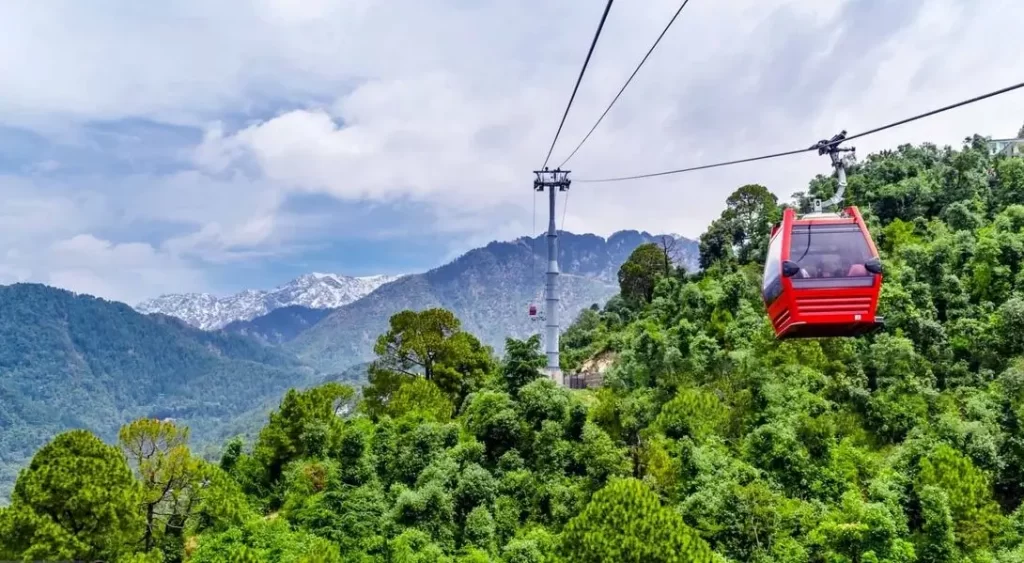
The Namgyal Monastery adjacent to the Tsuglagkhang is the personal monastery of the Dalai Lama and is open to visitors for prayers and meditation. The monastery complex offers a deeply peaceful atmosphere and a window into living Tibetan Buddhist practice.
McLeod Ganj, the upper town approximately 9 km from lower Dharamshala, is where most travellers base themselves. Its cafes, bookshops, Tibetan restaurants, trekking agencies, and yoga and meditation centres create a uniquely cosmopolitan atmosphere that blends Indian hill town character with a distinctly Tibetan and international flavour.
The Triund trek is the most popular short trek from McLeod Ganj, a 9 km trail rising approximately 900 metres to a high meadow at 2,828 metres with extraordinary views of the Dhauladhar range. The trek takes 4 to 5 hours one way and can be done as a day trip or with an overnight camp at the Triund meadow.
Dharamshala also serves as an excellent base for exploring other outstanding Himachal Pradesh destinations. The high-altitude desert valley of Spiti is one of the state’s most spectacular regions. Our guide on places to visit in Spiti Valley covers the monasteries, villages, and landscapes of this remote Himalayan destination in detail. And for those wanting a lush green hill escape nearby, our guide on the best time to visit Khajjiar covers the famous mini-Switzerland of India just a few hours away.
How to Reach Dharamshala?
Dharamshala is well connected by air, rail, and road from Delhi, Chandigarh, and other major North Indian cities. Most travellers from Delhi choose either the overnight bus to McLeod Ganj or a flight to the nearby Gaggal Airport, both of which are practical and time-efficient options. The town is also easily combined with other Himachal Pradesh destinations on a longer circuit through Kangra, Palampur, and Bir Billing.
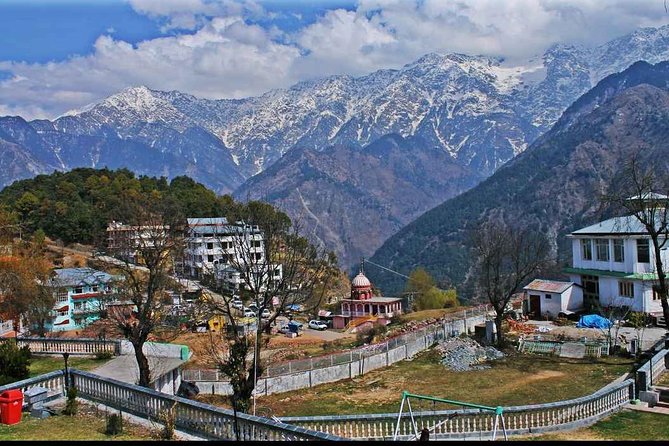
How to Reach Dharamshala by Air?
Gaggal Airport (Kangra Airport), approximately 13 km from Dharamshala, has regular flight connections from Delhi with IndiGo and Air India. The flight from Delhi takes approximately 1 hour and is the fastest option for travellers from the capital. From the airport, taxis are readily available to both lower Dharamshala and McLeod Ganj. Confirm flight schedules in advance as operations at Gaggal Airport can be affected by weather conditions.
How to Reach Dharamshala by Train?
Pathankot Junction in Punjab, approximately 85 km from Dharamshala, is the nearest broad-gauge railway station with connections to Delhi, Mumbai, and other major cities. From Pathankot, hire a private taxi or take a Himachal Pradesh bus to Dharamshala, a journey of approximately 2.5 to 3 hours. The Kangra Valley Railway, a narrow gauge heritage line running from Pathankot to Jogindernagar, has a station at Dharamshala but the journey is scenic rather than efficient.
How to Reach Dharamshala by Road?
Dharamshala is approximately 475 km from Delhi by road via NH44 and the Chandigarh-Pathankot highway, a drive of 9 to 10 hours. From Chandigarh, the distance is approximately 240 km and takes 5 to 6 hours. HRTC and private luxury buses operate overnight services from Delhi’s ISBT Kashmiri Gate to Dharamshala and McLeod Ganj. Self-drive is a popular option for travellers from Delhi and Chandigarh.
Nearby Places to Visit
Dharamshala sits at the heart of the Kangra valley and within easy reach of some of Himachal Pradesh’s most rewarding destinations. The surrounding region combines ancient forts, heritage temples, scenic lakes, and high-altitude treks into a travel corridor that can easily fill a week or more. Whether you are extending your Dharamshala stay or building a broader Himachal circuit, the following destinations are all worth adding to your itinerary.
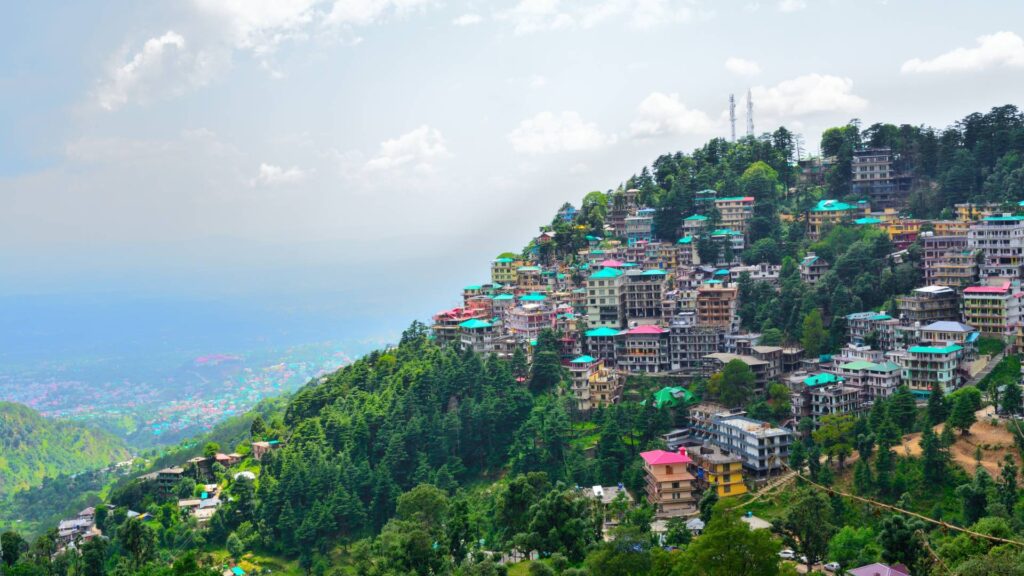
- McLeod Ganj: The upper town above Dharamshala is the cultural hub of the Tibetan community in India. The Tsuglagkhang Complex, Namgyal Monastery, Tibetan Museum, and the café-lined main street make McLeod Ganj a destination that most visitors spend the majority of their time exploring.
- Triund: The most popular trek from McLeod Ganj, Triund meadow at 2,828 metres offers some of the finest views of the Dhauladhar range accessible from any trail in this part of Himachal Pradesh. The 9 km trek takes 4 to 5 hours one way and is suitable for reasonably fit travellers without technical trekking experience.
- Kangra Fort: Approximately 18 km from Dharamshala, Kangra Fort is one of the oldest and largest forts in the Indian Himalayas, with a history stretching back over 3,500 years. The fort sits dramatically on a rocky promontory above the Banganga and Manjhi rivers and offers outstanding views of the Kangra valley below.
- Masrur Rock-Cut Temple: Approximately 35 km from Dharamshala, Masrur is an early 8th-century rock-cut temple complex carved directly from a sandstone cliff overlooking the Beas river valley. Often compared to the more famous Ellora caves, Masrur is one of Himachal Pradesh’s most undervisited and architecturally remarkable heritage sites.
- Dal Lake, Dharamshala: A small but scenic mountain lake approximately 3 km from McLeod Ganj, Dal Lake is a peaceful picnic and photography spot surrounded by deodar cedar trees. It is particularly beautiful in the early morning when mist rises from the surface.
- Dharamkot and Bhagsu: Two small villages above McLeod Ganj, Dharamkot and Bhagsu are popular with long-stay travellers, yoga practitioners, and those seeking a quieter alternative to the busier McLeod Ganj bazaar. The Bhagsu waterfall is a short walk from Bhagsu village and is one of the most visited natural spots near McLeod Ganj.
Essential Tips for Visiting Dharamshala
Dharamshala is a well-developed traveller destination but a few practical considerations will make your visit smoother and more rewarding. The town’s split character across lower Dharamshala and upper McLeod Ganj, combined with its Tibetan cultural setting and active trekking scene, means there are a few things worth knowing before you arrive. From monastery etiquette to trek permits and Dalai Lama teaching schedules, the tips below cover everything you need for a well-prepared Dharamshala trip.
- The Dalai Lama’s public teachings draw large crowds to McLeod Ganj and accommodation fills up completely during these events. Check the Dalai Lama’s official teaching schedule before planning your trip and book well in advance if your dates coincide.
- Accommodation in McLeod Ganj ranges from budget guesthouses to comfortable mid-range hotels. Book in advance for October and for the May to June summer season when demand from plains travellers peaks.
- The Triund trek requires a permit from the Forest Department check post at the trailhead. Carry a valid photo ID. Overnight camping at Triund is allowed but tents and sleeping bags should be arranged in advance through McLeod Ganj trekking agencies.
- Carry warm layers at all times of year, as evenings and early mornings in Dharamshala can be cool even in May and June. Winter visits require heavy woolens and thermals.
- Respect Tibetan Buddhist customs when visiting monasteries. Dress modestly, remove footwear at temple entrances, walk clockwise around prayer wheels and stupas, and maintain silence inside prayer halls.
- Mobile connectivity from major operators is good in Dharamshala and McLeod Ganj but can be patchy on higher trails above Triund. Download offline maps before trekking.
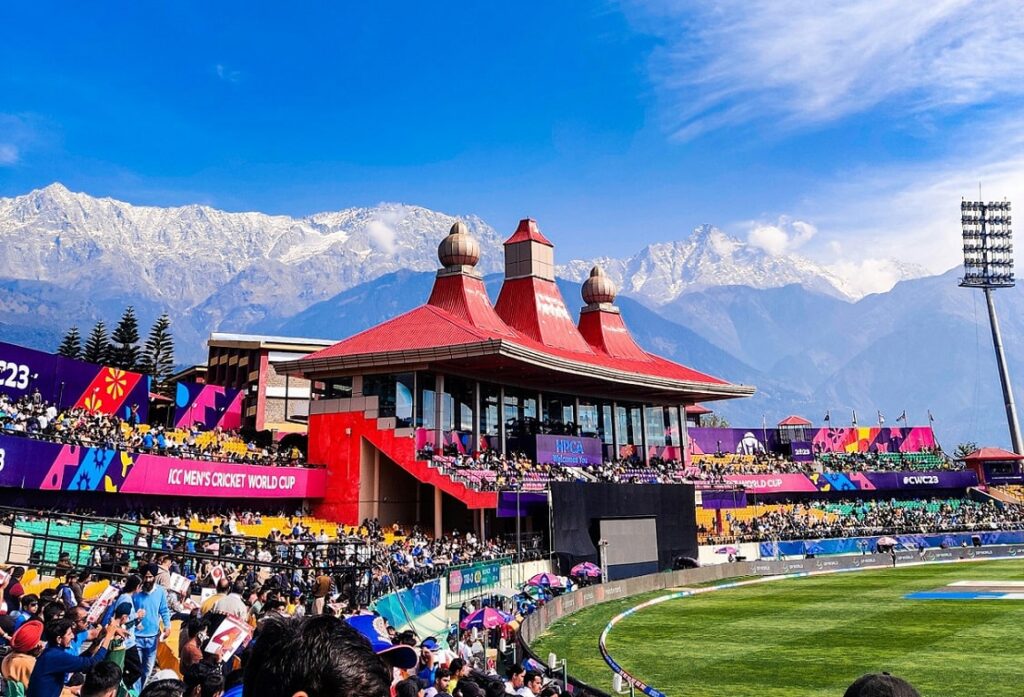
- The HPCA Cricket Stadium in Dharamshala, set against the backdrop of the Dhauladhar range, is one of the most visually spectacular cricket grounds in the world. Check for upcoming matches if you want to combine cricket with your visit.
- Carry sufficient cash from Dharamshala town or McLeod Ganj’s ATMs before heading to Dharamkot, Bhagsu, or trekking routes, where cash facilities are unavailable.
- Dharamshala has an outstanding café and restaurant scene in McLeod Ganj with excellent Tibetan, Japanese, Israeli, and Italian food alongside traditional Himachali cuisine. Momos, thukpa, butter tea, and tingmo are the essential Tibetan food experiences.
Conclusion
Dharamshala is one of India’s most genuinely distinctive destinations, a place where Tibetan spirituality, Himalayan landscapes, and a warm cosmopolitan culture combine in a setting of extraordinary natural beauty. From the crisp October views of the Dhauladhar range to the rhododendron bloom of March and the meditative quiet of a winter snowfall, dharamshala best time to visit spans the full seasonal calendar in rewarding ways.
March to June and September to November offer the most balanced and rewarding conditions overall, with October standing out as the single finest month for first-time visitors. Plan your Dalai Lama teaching schedule in advance, book accommodation early for the peak months, and give yourself at least 3 to 4 days to absorb the full depth of what this remarkable hill town has to offer.

At Frenzy Holidays, we help you plan exceptional travel experiences across Himachal Pradesh and beyond. Reach out to us at [email protected], call us at 074004 53140, or visit us at Frenzy Holidays, Haware Centurion, S07/34, Nerul East, Sector 19A, Nerul, Navi Mumbai, Maharashtra 400706, and we will take care of every detail of your Dharamshala journey.
Dharamshala Best Time to Visit: FAQs
What is the dharamshala best time to visit?
March to June and September to November are the best windows. October is the finest single month for clear Himalayan views and comfortable weather.
Does it snow in Dharamshala?
Yes. McLeod Ganj and the surrounding ridges receive snowfall from December through February. January and February see the heaviest snow.
How far is Dharamshala from Delhi?
Approximately 475 km by road, a drive of 9 to 10 hours. Flights from Delhi to Gaggal Airport take approximately 1 hour.
Is Dharamshala good to visit in June?
Yes. Dharamshala is one of the best cool escapes from the plains heat in June, with temperatures between 22°C and 30°C and pleasant trekking conditions.
What is the Triund trek like?
Triund is a 9 km trail rising to 2,828 metres with outstanding Dhauladhar views. It takes 4 to 5 hours one way and is suitable for moderately fit travellers. Best done from March to June and September to November.
Can I visit the Dalai Lama in Dharamshala?
The Tsuglagkhang Complex and Namgyal Monastery are open to visitors. The Dalai Lama occasionally gives public teachings in McLeod Ganj — check his official schedule well in advance.
What is the best way to reach Dharamshala?
Flying to Gaggal Airport from Delhi is the fastest option. Overnight bus from Delhi to McLeod Ganj is the most popular budget option. Train to Pathankot and taxi onward is also widely used.
What should I pack for Dharamshala?
Warm layers for evenings, trekking shoes for Triund, modest clothing for monastery visits, rain gear for the monsoon, and sunscreen for summer visits.
Is McLeod Ganj the same as Dharamshala?
McLeod Ganj is the upper neighbourhood of Dharamshala, approximately 9 km above the lower town. Most travellers base themselves in McLeod Ganj for its Tibetan cultural atmosphere, cafes, and proximity to trekking routes.
Which months should I avoid visiting Dharamshala?
July and August are the rainiest months with frequent landslides on approach roads. These months are manageable for experienced travellers but not recommended for first-time visitors.
