
Gokarna best time to visit is October to March when the Arabian Sea is calm, Om Beach, Kudle Beach, and Half Moon Beach are at their finest, and the sacred Mahabaleshwar Temple circuit is most comfortably explored. This guide covers the best month to visit gokarna, gokarna trip cost, things to do in gokarna for 3 days, island near gokarna, gokarna temple food timings, gokarna market, and complete travels in gokarna planning for a perfect Karnataka coastal escape.
Gokarna sits at a rare and compelling intersection of pilgrimage and paradise that few Indian coastal towns can claim. On one side of this small Karnataka town stands the ancient Mahabaleshwar Temple, one of the most significant Shiva shrines on the western coast, drawing devout pilgrims from across South India. On the other side, a string of some of India’s finest and least commercialised beaches stretches along the Arabian Sea coastline, attracting backpackers, yoga practitioners, and beach lovers seeking the Goa experience without the Goa crowds. Getting the timing of your visit right means unlocking both worlds simultaneously.
Confused where to go for quick escape? Let us plan it for you.
Grab the Best DealTable of Contents
Quick Reference: Gokarna Visit Planning
| Season | Best Months | Temperature | Conditions | Ideal For |
|---|---|---|---|---|
| Peak Winter | Oct–Feb | 20–30°C | Clear, calm sea | Beaches, temple, trekking |
| Spring | Mar–Apr | 25–34°C | Warm, manageable | Budget travel, fewer crowds |
| Summer | May–Jun | 28–36°C | Hot, pre-monsoon | Avoid if heat-sensitive |
| Monsoon | Jul–Sep | 24–30°C | Heavy rain, rough sea | Temple visits, lowest prices |
Gokarna Best Time to Visit: Seasonal Analysis
Choosing the gokarna best time to visit requires balancing beach conditions, temple access, trekking feasibility, and the all-important question of whether the Arabian Sea is calm enough for swimming and island boat trips. Each season delivers a very different Gokarna.
October to February: Gokarna Best Time to Visit Overall
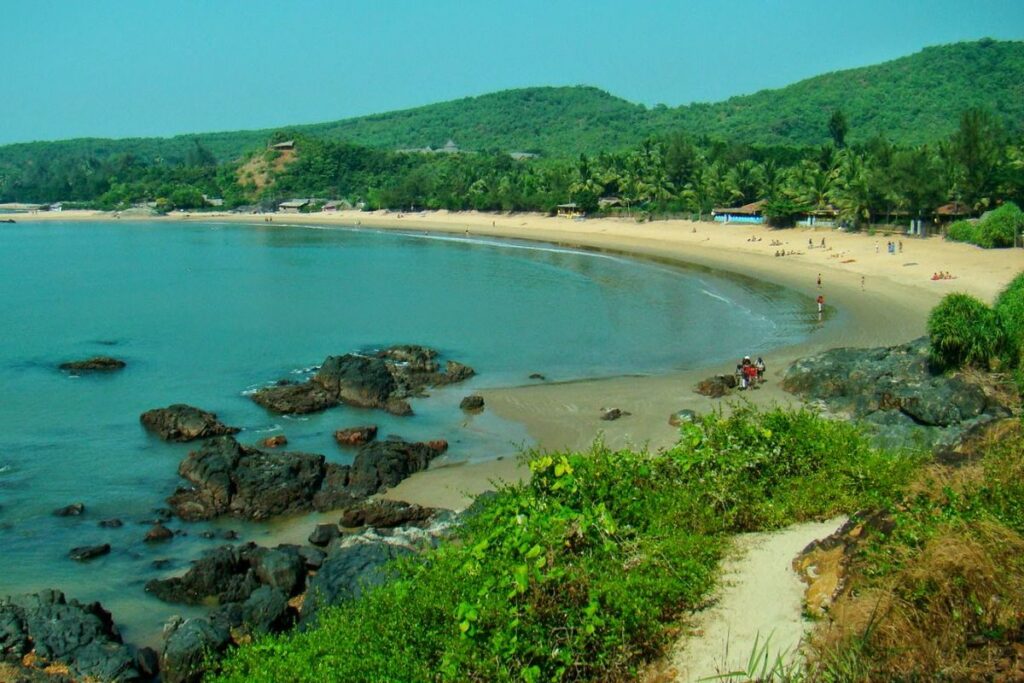
October through February is the gokarna best time to visit by a clear margin and the best month to visit gokarna for most travelers. The monsoon has retreated, the Arabian Sea settles into its calmest and clearest state, and the famous beach trek connecting Om Beach, Half Moon Beach, and Paradise Beach is fully accessible and safe.
Temperature (October–February):
- October: 24–31°C, post-monsoon freshness, seas calming
- November: 22–29°C, ideal beach conditions, clear skies
- December: 20–27°C, coolest and most comfortable, peak season
- January: 19–27°C, excellent conditions across all activities
- February: 21–29°C, warming gently, still excellent
Why This Season Excels:
Om Beach, Gokarna’s most iconic crescent of sand shaped like the Om symbol, is at its most photogenic and swimmable from November through February. The rocky trails connecting Gokarna’s beaches involve steep climbs and descents that are genuinely dangerous when wet — the October to February window makes these treks not only safe but thoroughly enjoyable, with cool sea breezes taking the edge off the physical effort. Kudle Beach, the most accessible of Gokarna’s beaches and a favourite for long-stay travelers, is at its quietest and most beautiful in these months.
Boat trips to the island near gokarna — primarily the short excursions to Half Moon Beach and Paradise Beach via fishing boat from Om Beach — operate reliably only when the sea is calm, making October through March the exclusive window for this experience. These boat trips are among the most memorable things to do in gokarna for 3 days and should be planned for the first available calm day of any visit.
Ideal For: First-time visitors, beach lovers, trekkers, pilgrims, couples, backpackers.
Gokarna Trip Cost (Peak Winter): ₹6,000–12,000 per person for 3N/4D including accommodation, local travels in gokarna, and beach activities.
March to April: Shoulder Season for Budget Travelers
March and early April offer a genuinely worthwhile window for visiting Gokarna, combining manageable beach conditions with meaningfully lower gokarna trip cost and significantly reduced crowds at the beaches and temple.
Temperature (March–April):
- March: 25–33°C, warm mornings, comfortable beach conditions
- April: 27–35°C, building heat, confine activity to mornings and evenings
What to Expect:
March is an excellent month for a relaxed Gokarna visit. The sea remains swimmable through most of March, the beach trek between Om, Half Moon, and Paradise Beach is still fully accessible, and the gokarna market area around the temple town is unhurried and atmospheric without peak season crowds.
The best month to visit gokarna for budget travelers who want beach conditions without peak pricing is unquestionably March. By April, daytime heat becomes significant and the sea begins roughening. Confine beach swimming to early morning and plan all physical activity before 11 AM.
Ideal For: Budget travelers, solo visitors, repeat visitors seeking quieter beaches.
Gokarna Trip Cost (Shoulder): ₹4,500–8,000 per person for 3N/4D.
May to June: Summer and Pre-Monsoon
May and June bring Gokarna’s most challenging conditions. The pre-monsoon heat and humidity combine with an increasingly rough Arabian Sea that makes swimming dangerous and boat trips impossible.
Temperature (May–June):
- May: 28–36°C, hot and humid
- June: 26–32°C, first monsoon rains arriving
The Mahabaleshwar Temple remains fully operational year-round and the gokarna temple food timings continue without seasonal disruption, making May and June viable for pilgrimage-focused visits with limited beach expectations.
Gokarna Trip Cost (Summer): ₹3,500–6,500 per person for 3N/4D, lowest pre-monsoon rates.
July to September: Monsoon Season
The southwest monsoon transforms Gokarna dramatically from late June through September. Heavy rainfall, extremely rough seas, and beach closures define the monsoon months, making this the most challenging season for the typical Gokarna beach and trek experience.
Temperature (July–September):
- July: 24–28°C, heavy monsoon rainfall, very rough sea
- August: 23–27°C, continuing heavy rain
- September: 24–29°C, gradually easing
What to Expect:
The beaches are officially unsafe for swimming and all boat services to the island near gokarna are suspended during peak monsoon. The famous beach trek is extremely slippery and risky in monsoon conditions and should not be attempted.
The gokarna trip cost during monsoon is at its annual lowest, and the town retains its pilgrimage character even when the beach scene is dormant. For travelers whose dates fall in the monsoon window and who want coastal Karnataka experiences, the Konkan coast offers worthwhile alternatives during this period — our guide to places to visit in Konkan during monsoon covers the best monsoon-friendly options along India’s western coast.
Ideal For: Budget travelers, pilgrimage-focused visitors, monsoon romantics.
Gokarna Trip Cost (Monsoon): ₹3,000–5,500 per person for 3N/4D.
Temperature: Month-by-Month Breakdown
The table below gives a complete picture of Gokarna’s climate to help you identify the best month to visit gokarna for your specific travel priorities.
| Month | Min Temp | Max Temp | Sea Condition | Recommendation |
|---|---|---|---|---|
| January | 19°C | 27°C | Calm, clear | ✅ Excellent |
| February | 21°C | 29°C | Calm, clear | ✅ Excellent |
| March | 24°C | 33°C | Good | ✅ Very Good |
| April | 26°C | 35°C | Moderate | ✔️ Good |
| May | 27°C | 36°C | Roughening | ❌ Avoid |
| June | 25°C | 32°C | Rough | ❌ Avoid |
| July | 23°C | 28°C | Very Rough | ❌ Beaches closed |
| August | 23°C | 27°C | Very Rough | ❌ Beaches closed |
| September | 24°C | 29°C | Rough | ⚠️ Easing |
| October | 24°C | 31°C | Calming | ✅ Good |
| November | 22°C | 29°C | Calm | ✅ Excellent |
| December | 20°C | 27°C | Calm, clear | ✅ Excellent |
Gokarna Temple Food Timings
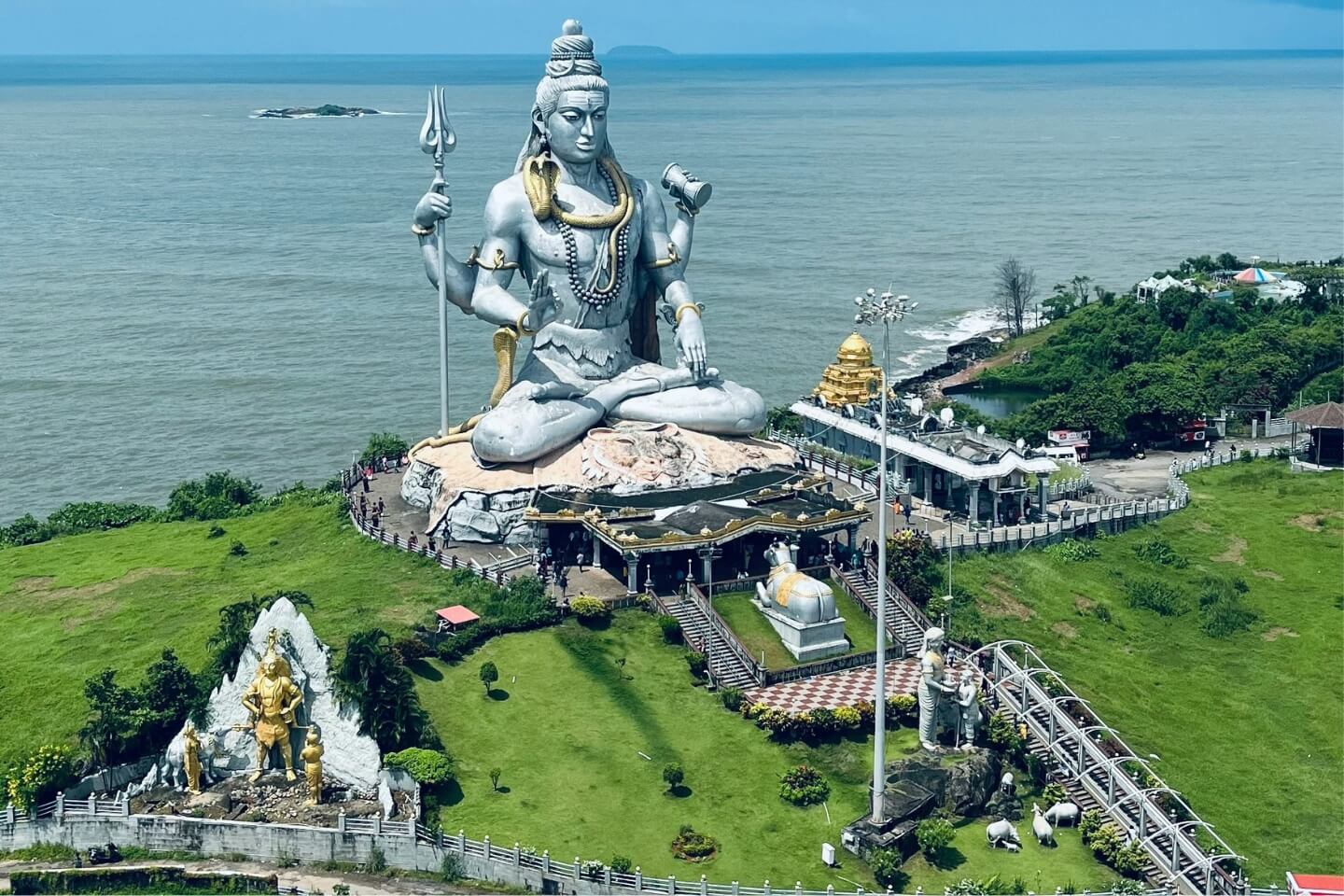
The Mahabaleshwar Temple is the spiritual core of Gokarna and understanding gokarna temple food timings and darshan schedules is essential for pilgrims and culturally curious travelers alike.
The Mahabaleshwar Temple follows a traditional puja schedule with the temple opening for darshan in the early morning at approximately 6:00 AM. The morning session runs until around 12:30 PM, followed by a midday closure for the deity’s rest period. The evening session opens at approximately 5:00 PM and closes at 9:00 PM. These gokarna temple food timings and darshan hours are consistent year-round but may be extended during major festivals like Shivaratri and Karthik Poornima.
The prasad and temple food offered at the Mahabaleshwar Temple includes traditional South Indian items served after the midday puja. The nearby temple town lanes around the Koti Teertha tank have numerous small vegetarian restaurants serving authentic Udupi-style meals — the traditional thali with sambar, rasam, dry subzi, and rice served on banana leaf is both excellent and extremely affordable (₹80–150). The gokarna temple food timings for these restaurants typically run 7:00–10:00 AM for breakfast and 11:30 AM–3:00 PM and 7:00–9:30 PM for meals.
Gokarna follows strict vegetarian norms in the temple town area. Meat and alcohol are available at the beach shacks and restaurants further from the temple but are not served in the core pilgrimage lanes.
Things to Do in Gokarna for 3 Days
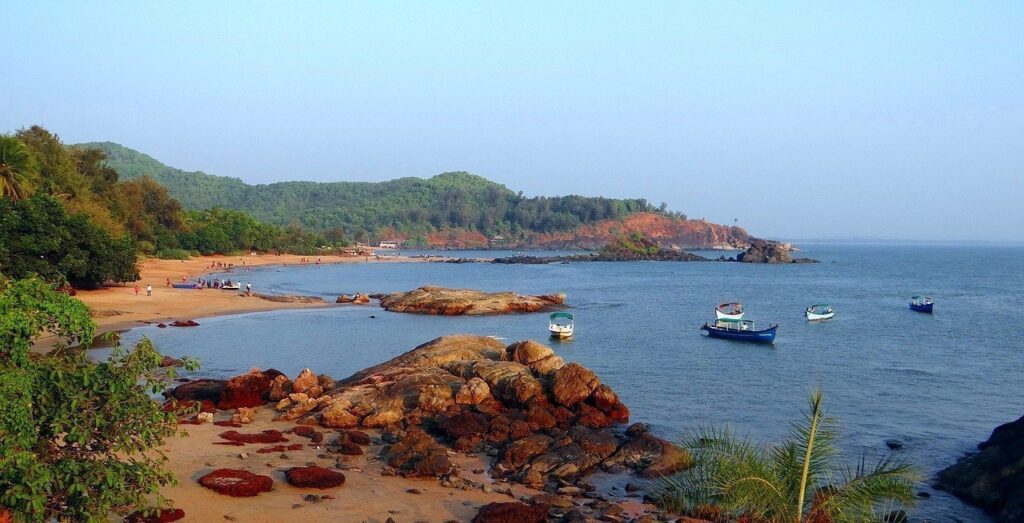
Gokarna rewards a structured approach, and three days is the ideal duration to experience the full range of what the town offers without feeling rushed. Here is a day-wise breakdown of the best things to do in gokarna for 3 days.
Day 1: Temple Town and Main Beach
Gokarna Trip Cost: Budget Planning
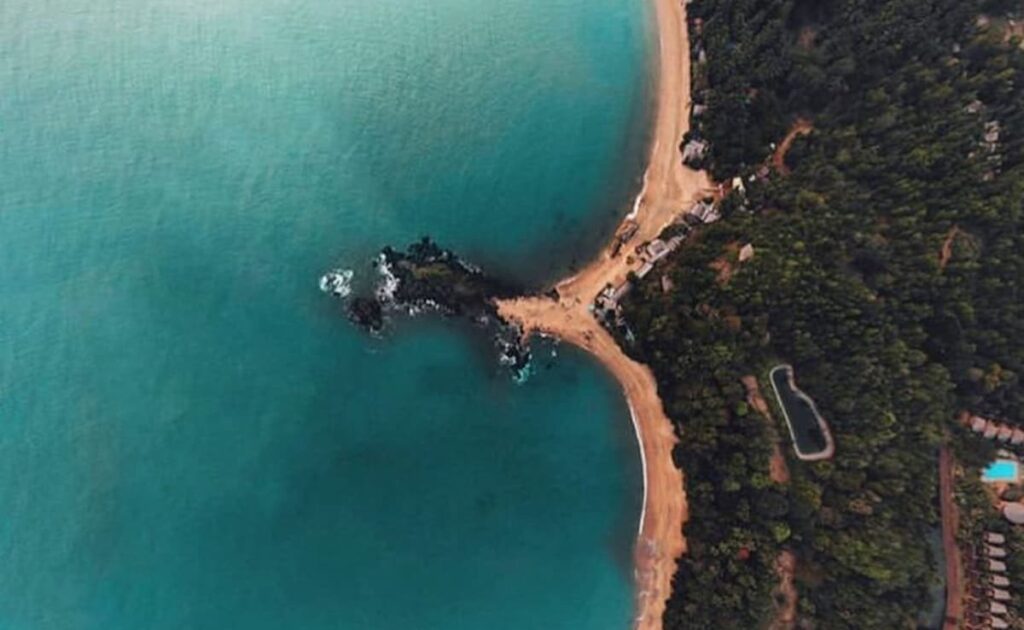
Gokarna is one of India’s most affordable beach destinations, and the gokarna trip cost is considerably lower than comparable beach experiences in Goa. Here is a realistic breakdown across budget levels.
Budget Traveler (3N/4D from Goa or Mangalore):
- Bus/train to Gokarna: ₹200–600 per person
- Beach shack dormitory or basic room: ₹400–800 per night
- Meals (local restaurants and beach shacks): ₹200–350 per day
- Boat trips and local travels in gokarna: ₹300–500 total
- Total gokarna trip cost: ₹3,500–6,000 per person
Mid-Range Traveler (3N/4D):
- Train/bus from Bengaluru or Goa: ₹500–1,500
- Mid-range guesthouse with AC: ₹1,200–2,500 per night
- Meals and activities: ₹500–800 per day
- Total gokarna trip cost: ₹6,000–10,000 per person
From Mumbai (3N/4D):
- Train to Gokarna Road or Ankola station: ₹600–1,500
- Accommodation and meals: ₹1,500–3,500 per day
- Total gokarna trip cost: ₹8,000–14,000 per person
Peak season (December–January) adds 30–40% to accommodation costs at popular beach properties.
Gokarna vs Goa: Choosing Your Karnataka Coast Experience
Many travelers consider Gokarna as a complement or alternative to Goa, and the comparison is worth addressing directly. Our detailed guide on Goa vs Gokarna covers the full comparison across beaches, nightlife, budget, and vibe. In brief: Goa offers developed infrastructure, nightlife, and a wider range of beach activities, while Gokarna delivers a more raw, less commercialised beach experience combined with genuine pilgrimage heritage. Travelers seeking the best beach in Goa for nightlife will find Goa the obvious choice, while those wanting quieter beaches with a spiritual undertone will find Gokarna more aligned with their expectations.
Essential Gokarna Travel Tips
Beach trek safety: The trail between Kudle, Om, Half Moon, and Paradise Beach involves steep rocky sections that become extremely slippery after rain. Wear proper trekking sandals or shoes with grip, carry water, and start no later than 8 AM to avoid trekking in midday heat. The trek is not recommended during or immediately after rainfall.
Temple dress code: The Mahabaleshwar Temple requires traditional dress — dhoti for men (available for rent near the temple entrance for ₹20) and saree or salwar for women. Non-Hindus are not permitted inside the main sanctum but can explore the outer temple areas and the Koti Teertha tank.
Cash: Gokarna has limited ATM availability and the machines frequently run out of cash during peak season. Carry sufficient cash before entering town.
Accommodation booking: The best beach-facing properties at Om Beach and Kudle Beach book out weeks in advance during December–January. Book early or be prepared for basic options.
Leech alert: The forest trail sections of the beach trek in post-monsoon October can have leeches. Carry salt and check footwear before and after the forested sections.
Conclusion
The gokarna best time to visit is October through February, when the Arabian Sea is calm, the beach trek circuit is safe and rewarding, boat trips to the island near gokarna are fully operational, and the Mahabaleshwar Temple atmosphere is at its most welcoming. March is the best month to visit gokarna for budget travelers seeking the full experience with lower costs and fewer crowds. Planning your things to do in gokarna for 3 days efficiently across temple town, the beach trek, and day trips to Mirjan Fort and Yana Caves, understanding gokarna trip cost across budget levels, exploring the gokarna market for authentic local shopping, and knowing gokarna temple food timings ensures this rare combination of pilgrimage heritage and pristine coastline delivers everything it promises.
Frenzy Holidays ensures a smooth and enriching travel experience from start to finish. Visit us at Haware Centurion, S07/34, Nerul East, Sector 19A, Nerul, Navi Mumbai, Maharashtra 400706. For bookings or more information, call +91 7400453140, email [email protected], or visit www.frenzyholidays.com. Pack up and discover the sacred shores of Gokarna with Frenzy Holidays for an unforgettable Karnataka coastal journey.
Gokarna Best Time to Visit – FAQs
What is the gokarna best time to visit overall?
October to February is the gokarna best time to visit for calm seas, safe beach trekking, and fully operational boat trips to Half Moon and Paradise Beach.
What is the best month to visit gokarna?
November and December are the best month to visit gokarna, offering the most pleasant weather, calm sea, and full access to all beach and trekking activities.
What are the gokarna temple food timings?
The Mahabaleshwar Temple opens at 6:00 AM, closes at 12:30 PM, and reopens from 5:00 PM to 9:00 PM. Local vegetarian restaurants near the temple serve meals from 7:00 AM onwards.
What is the gokarna trip cost for 3 nights?
Gokarna trip cost ranges from ₹3,500–6,000 for budget travel, ₹6,000–10,000 mid-range, and ₹8,000–14,000 from Mumbai for 3N/4D.
What is there in the gokarna market?
The gokarna market offers temple items, handmade leather goods, bohemian clothing, and fresh produce. The Wednesday weekly market near the bus stand is the most authentic local experience.
What is the island near gokarna?
Half Moon Beach (10 min) and Paradise Beach (15 min) are the main island near gokarna destinations, accessible by fishing boat from Om Beach at ₹50–150 per person, October through April only.
What are the best things to do in gokarna for 3 days?
Day 1: Mahabaleshwar Temple and Kudle Beach. Day 2: Beach trek from Kudle to Om to Half Moon Beach. Day 3: Day trip to Mirjan Fort and Yana Caves.
How do travels in gokarna work for getting between beaches?
Autos connect town to Kudle (₹60–100) and Om Beach (₹80–120). Fishing boats or the beach trek connect Om, Half Moon, and Paradise Beach. Scooter rental (₹300–500/day) is best for day trips.
Is Gokarna better than Goa?
Gokarna offers quieter beaches and pilgrimage heritage while Goa has better nightlife and infrastructure. Read our Goa vs Gokarna guide for a full comparison.
Is Gokarna good during monsoon?
Beaches are closed and boat services suspended July–September. The temple town remains active and gokarna trip cost is at its lowest, suiting pilgrimage-focused visitors only.
