
Koregaon Park is far more than cafes on North Main Road and the Osho International Meditation Resort. The hidden place in Koregaon Park that most visitors never reach includes a Japanese zen garden built on a former sewage wasteland, a contemporary art gallery in a quiet lane, and a tribal museum that almost no tourist has heard of.
This guide covers the 10 best hidden places in Koregaon Park in 2026, with what makes each spot worth visiting, what to do there, and practical tips for getting the most out of each one.
Confused where to go for quick escape? Let us plan it for you.
Grab the Best DealTable of Contents
Quick Overview of Hidden Places in Koregaon Park
Koregaon Park is one of Pune’s most affluent and internationally recognised neighbourhoods, located about 3.8 km from Pune Junction and 5.8 km from Pune Airport. Its tree-lined lanes, boutique hotels, art galleries, and wellness retreats make it a layered destination beyond its well-known cafe and nightlife reputation.
| Spot | Type | Best For | Best Time |
| Osho Teerth Park | Zen Garden | Morning walks, meditation, photography | October to March |
| Aga Khan Palace | Heritage + History | History, architecture, gardens | October to March |
| Bund Garden | Riverside Park | Leisure walks, boating, birdwatching | October to February |
| VHC Art Gallery | Contemporary Art | Art lovers, photographers | Year-round |
| Tribal Cultural Museum | Heritage Museum | Culture, history, offbeat exploration | Year-round |
| Pune Okayama Friendship Garden | Japanese Garden | Photography, quiet walks | October to March |
| Zero Stone | Historical Landmark | Heritage walks, quiet curiosity | Year-round |
| Darshan Museum | Spiritual Museum | Photography, spiritual seekers | Year-round |
| National War Memorial (Southern Command) | Military Heritage | History, heritage | Year-round |
| Lane 5 and Lane 6 Street Art Walks | Urban Art | Photographers, street explorers | Year-round |
You can also explore our affordable Do Dham Yatra Package designed for Budget Travellers.
Why Koregaon Park Holds So Many Hidden Places
Koregaon Park grew as a residential area for British officers after the Battle of Koregaon Bhima in 1818, and its original character as a leafy, low-density cantonment zone has never entirely left. The neighbourhood’s wide lanes, large residential plots, and institutional buildings create pockets of calm that are easily missed between the more visible commercial activity on North Main Road and Lane 6 and Lane 7.
The hidden place in Koregaon Park tends to sit either inside gated compounds, down numbered lanes that visitors don’t instinctively explore, or in institutional buildings that look unremarkable from outside. This guide puts a name and a direction to each one.
For a broader look at what Pune hides beyond Koregaon Park, our guide to hidden places in Pune covers offbeat spots across the city. If you are looking for weekend escapes from Koregaon Park, our guide to best monsoon treks in Maharashtra covers the finest Sahyadri trails within 2 to 3 hours of Pune. For a day trip that rewards in every season, our best time to visit Bhimashankar guide covers the forest temple and wildlife sanctuary about 100 km from Koregaon Park.
The 10 Best Hidden Places in Koregaon Park
1. Osho Teerth Park
- Type: Japanese Zen Garden
- Best Time: October to March; early morning visits year-round
- Location: D.H. Dhunjibhoy Road, between Lane 2 and Lane 3, Koregaon Park
- Entry: Free; open 6 AM to 9 AM and 3 PM to 6 PM; closed Sundays
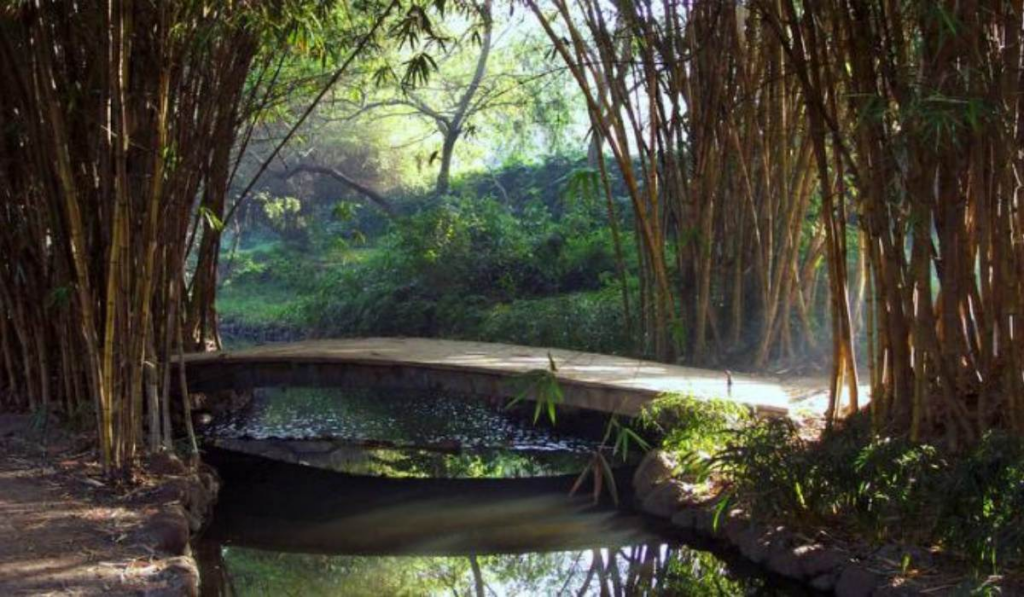
The Osho Teerth Park is perhaps the most unappreciated of the hidden gems within Koregaon Park, and certainly one of the most unique green areas found anywhere in Pune. It was created in 1989 by the Osho Ashram foundation on a previously barren parcel of land that also had an industrially polluted drainage system running through the centre of it. The Shunyo foundation (which is a Japanese environmental forum) redesigned this area into a beautifully landscaped zen garden-style park complete with bamboo forests, wooden bridges, lotus ponds, marble meditation stones and a waterway that runs over pebbles from one end of the park to the other. Located throughout the grounds are numerous statues of Buddha spaced at various points and there is also enough shade provided by the tree canopy to create a relatively cool area within the park, even during hot summer months. The vast majority of people who come to Koregaon Park go directly to Osho International Meditation Resort and therefore miss the park. The park is located between Lane 2 and Lane 3.
What to do here:
- Walk the bamboo grove paths in the early morning for the quietest and coolest experience
- Sit at one of the marble meditation slabs under the tree canopy for 20 to 30 minutes of genuine city silence
- Photograph the wooden bridges and lotus ponds, which are at their most vivid in winter morning light
- Enter from the black gates on D.H. Dhunjibhoy Road; do not use Google Maps directions to Osho Garden as these take you to a different location
2. Aga Khan Palace
- Type: Heritage Palace and Freedom Struggle Memorial
- Best Time: October to March
- Location: 1 Nagar Road, Koregaon Park
- Entry: Rs 5 for Indians, Rs 100 for foreigners
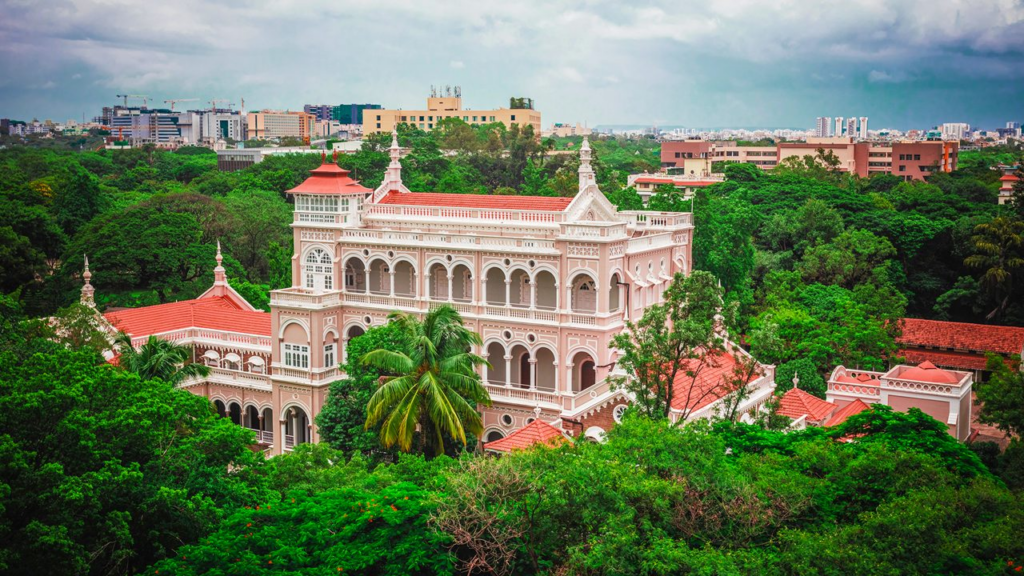
Aga Khan Palace is the most historically significant hidden place in Koregaon Park for visitors who do not know its story. Built in 1892 by Sultan Muhammad Shah Aga Khan III as a gesture of support for local people during a famine, the palace was later used by the British as a detention site for Mahatma Gandhi, Kasturba Gandhi, and Mahadev Desai during the Quit India Movement of 1942. Kasturba Gandhi and Desai both died while detained here and are buried in the palace grounds. The palace today functions as a museum with personal items belonging to Gandhi and Kasturba on display, and the well-maintained Italian-arch gardens surrounding the building are one of the most peaceful outdoor spaces in Koregaon Park.
What to do here:
- Walk through the memorial galleries dedicated to Kasturba Gandhi and Mahadev Desai
- Spend time in the grounds where the samadhis (memorials) of Kasturba and Desai are located
- Photograph the Italian arched facade and the garden at golden hour
- Visit on a weekday morning for near-solitary access to the memorial rooms
3. Bund Garden
- Type: Riverside Park and Boating
- Best Time: October to February
- Location: Bund Garden Road, approximately 3 km from Koregaon Park centre
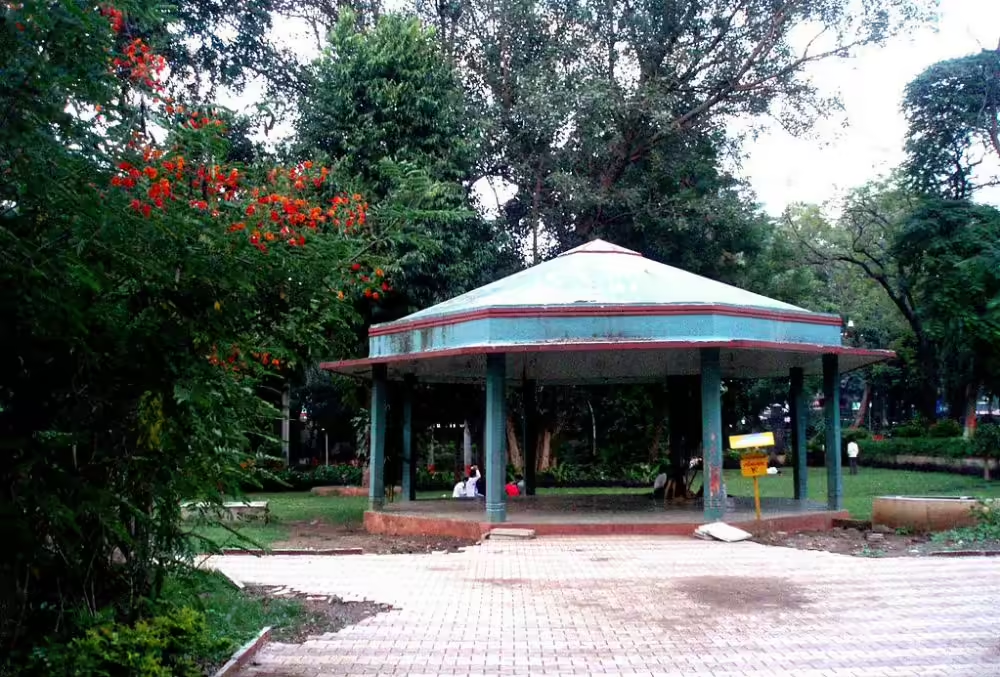
Bund Garden is located on the banks of the Mula-Mutha River and features a large well-kept green space that most people from Koregaon Park don’t usually walk to. With its riverside setting, a British-era bridge spanning the river, boating on the river, and paved paths through the garden, There’s a great way to spend a leisurely afternoon either on the river or walking in the garden with nobody else around.
In addition to its relaxing environment, Bund Garden is also an excellent place for bird watching in the mornings, making it a great family-friendly park where you can enjoy some quiet time with your family without all the noise and commotion that typically characterize the central parks in Pune.
What to do here:
- Take a boat ride on the Mula-Mutha River from the garden’s riverside jetty
- Walk the shaded pathways through the garden in the early morning for birdwatching
- Cross the historic British-era bridge for views of the river and the garden from above
- Combine with a visit to the National War Memorial nearby for a heritage morning
4. VHC Art Gallery (Vida Heydari Contemporary)
- Type: Contemporary Art Gallery
- Best Time: Year-round; check exhibition schedule before visiting
- Location: Marvel Alaina, Lane 8, Koregaon Park
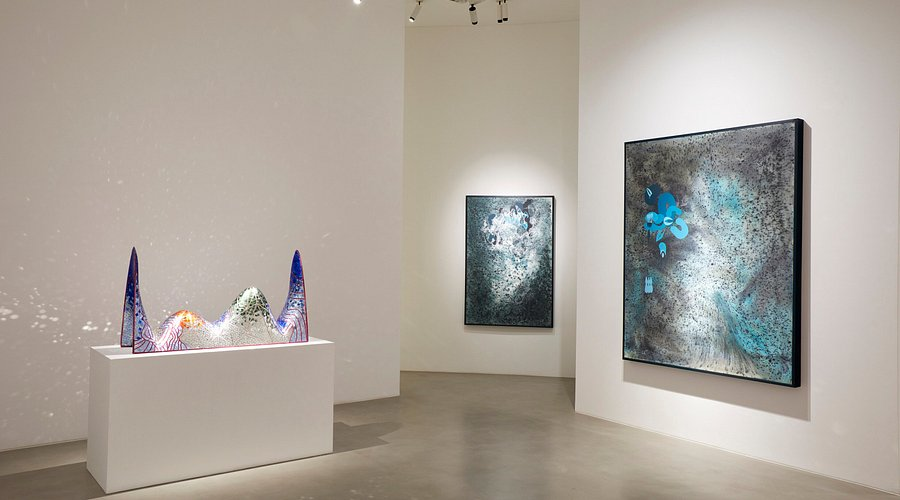
VHC Art Gallery is one of the quietest and most genuinely interesting hidden places in Koregaon Park for anyone with an interest in contemporary Indian and international art. Located down Lane 8, the gallery hosts rotating exhibitions across painting, sculpture, and mixed media from both emerging and established artists. Most visitors to Koregaon Park do not know Lane 8 exists, which makes VHC one of the least crowded art spaces in Pune despite consistently presenting work of serious quality.
What to do here:
- Check the gallery’s current exhibition schedule before visiting
- Walk slowly through the exhibition rooms, which are designed to give each work significant breathing space
- Speak to the gallery staff, who are generally very open to discussing the artists and their work
- Combine with the street art walk along Lane 5 and Lane 6 for a longer arts-focused afternoon
5. Tribal Cultural Museum
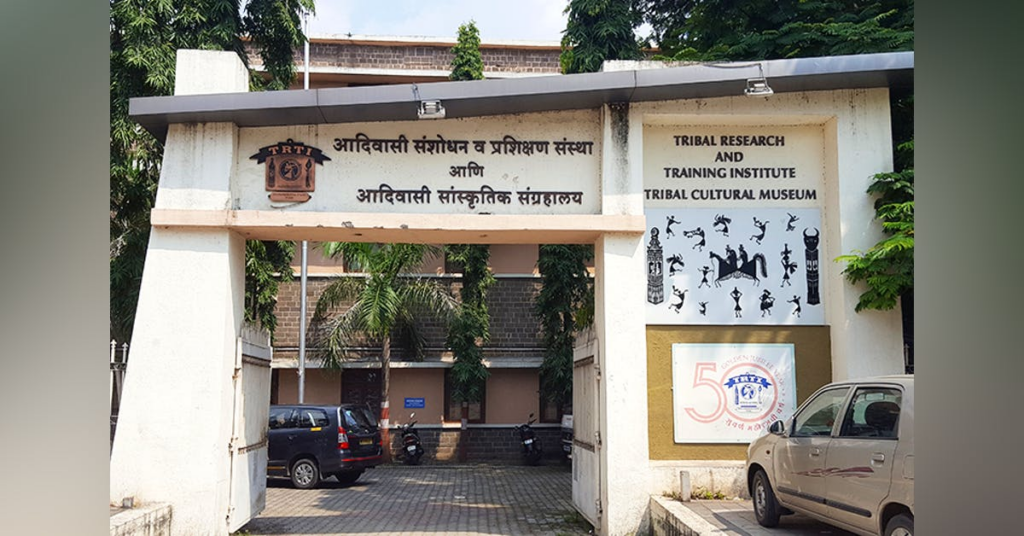
- Type: Heritage and Anthropology Museum
- Best Time: Year-round; closed on government holidays
- Location: Tribal Research and Training Institute, Koregaon Road, Camp, Pune
The Tribal Cultural Museum inside the Tribal Research and Training Institute is one of the most overlooked heritage institutions in Pune, and its location on Koregaon Road places it within easy reach of Koregaon Park. The museum holds a collection of masks, tools, textiles, musical instruments, and artworks belonging to Maharashtra’s tribal communities, giving visitors a detailed and rarely seen window into indigenous cultures across the state. The building and its grounds are quiet even on weekdays and the museum sees a tiny fraction of the visitor numbers that commercial attractions in the city receive.
What to do here:
- Walk through the tribal artefact galleries at a slow pace; each section represents a distinct community
- Look closely at the mask and ceremonial object collections, which are among the most distinctive in the museum
- Ask the museum staff for context on specific tribal groups represented in the collection
- Combine this with the Darshan Museum visit for a full cultural morning from Koregaon Park
6. Pune Okayama Friendship Garden

- Type: Japanese Landscape Garden
- Best Time: October to March; morning visits
- Location: Sinhagad Road, approximately 6 km from Koregaon Park
The Pune Okayama Friendship Garden is inspired by the Korakuen Garden in Okayama, Japan, and is widely regarded as one of the largest Japanese gardens outside Japan. Koi ponds, raked gravel sections, wooden bridges, stone lanterns, and traditional plantings create a garden that feels entirely unlike anything else in Pune. The garden hosts occasional Japanese cultural events across the year including food, music, and art exhibitions. Most visitors to Koregaon Park who know about it pass it off as too far to visit, but the drive to Sinhagad Road from Koregaon Park takes under 20 minutes and the garden easily justifies a half-morning on its own.
What to do here:
- Walk the full loop of the garden including the koi pond section and the traditional tea garden area
- Visit in the early morning before families arrive for the most peaceful photography conditions
- Check if a Japanese cultural event is scheduled during your visit; the garden calendar is worth looking up in advance
- Combine with Sinhagad Fort on the same day for a full cultural and heritage loop from Koregaon Park
7. Zero Stone

- Type: Historical Survey Landmark
- Best Time: Year-round
- Location: Near Koregaon Park junction, Pune
The Zero Stone is part of Pune’s colonial surveying history and few visitors to Koregaon Park ever notice it. The British used the Zero Stone to define their reference point for measuring distances across Pune during colonial times. The Zero Stone is located near the Koregaon Park junction in plain sight, but thousands of people walk past it each day without recognising it as anything more than a boundary marker. If you’re interested in Pune’s colonial history and how the city was mapped at the time, the Zero Stone is worth a few minutes stop for an enhanced perspective on your walk in Koregaon Park.
What to do here:
- Find and photograph the stone as part of a heritage walk through Koregaon Park
- Pair this with the Aga Khan Palace visit for a colonial and post-independence history morning
- Look up the stone’s coordinates if you want to cross-reference it with Pune’s early survey maps
- Use it as the starting point for a self-guided colonial heritage walk through the lanes of Koregaon Park
8. Darshan Museum

- Type: Spiritual and Philosophical Museum
- Best Time: Year-round
- Location: Near Osho International Meditation Resort, Koregaon Park
The Darshan Museum in Koregaon Park presents the life and teachings of Osho through an immersive multi-room exhibition using light, photography, sound, and sculpture. Unlike the Osho Meditation Resort itself, which requires registration and a substantial entry fee, the Darshan Museum offers a more accessible way to understand the significance of the Osho movement and its architectural campus in Koregaon Park. The museum’s design is distinctive and the photography-heavy rooms are visually striking enough to be worth a visit even for travellers with no prior interest in the subject.
What to do here:
- Walk through the chronological photography galleries covering Osho’s early life through to the Koregaon Park years
- Spend time in the sound and light installation rooms, which are the most distinctive spaces in the museum
- Visit in the morning when the museum is quieter than afternoon sessions
- Combine with Osho Teerth Park next door for a complete Osho campus morning
9. National War Memorial (Southern Command)

- Type: Military Heritage
- Best Time: Year-round
- Location: Near Bund Garden, Koregaon Park area
The National War Memorial of the Southern Command is a military heritage site near Bund Garden that very few civilian visitors to Koregaon Park ever enter. The memorial honours Indian soldiers who served since independence and houses outdoor displays of a fighter jet and battle tanks alongside ceremonial memorial structures. The site is solemn, well-maintained, and uncrowded, giving it an atmosphere that is entirely distinct from the rest of the Koregaon Park experience. Entry is free.
What to do here:
- Walk through the outdoor displays of decommissioned military equipment
- Spend a few minutes at the main memorial for those who fell in post-independence operations
- Photograph the fighter jet and tank displays in the early morning light
- Combine with Bund Garden next door for a riverside and heritage morning from Koregaon Park
10. Lane 5 and Lane 6 Street Art Walk
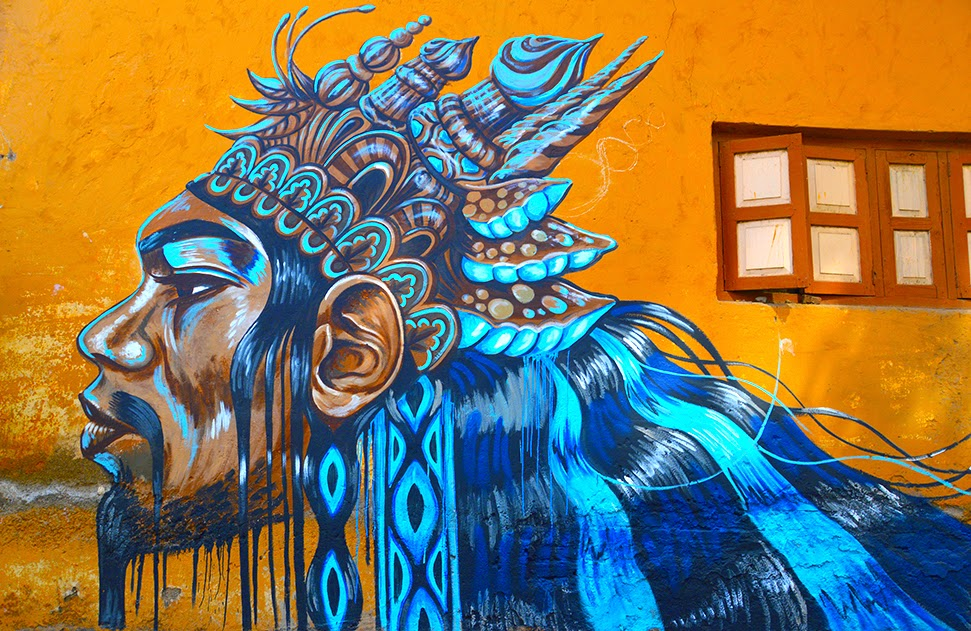
- Type: Urban Street Art
- Best Time: Year-round; best in morning or evening light
- Location: Lane 5 and Lane 6, Koregaon Park
Most visitors to Koregaon Park stick to Lane 6 and Lane 7 for nightlife and food. The walls and compound gates of Lane 5 hold a growing collection of murals, graffiti, and commissioned street art pieces from Pune-based artists that most tourists never find. The street art is not signposted or ticketed, making it a genuinely exploratory experience that changes as new pieces are added. An early morning or late afternoon walk through both lanes on foot produces photography that is both unusual and distinctively Koregaon Park in its urban visual character.
What to do here:
- Walk both lanes from end to end on foot, stopping at any wall art worth photographing
- Visit in the early morning before traffic builds for the cleanest shots without parked vehicles in frame
- Look for commissioned pieces on compound walls and the sides of commercial buildings
- Combine with a breakfast stop on North Main Road to start or end the walk
How to Reach Koregaon Park
reach Koregaon Park from Pune Junction
Koregaon Park is 3.8 km from Pune Junction and takes 10 to 20 minutes by app cab (Ola or Uber) or auto-rickshaw depending on traffic. PMPML buses also run from Pune Station to Koregaon Park and nearby Bund Garden throughout the day.
Koregaon Park accessible from Pune Airport
Pune International Airport at Lohegaon is 5.8 km from Koregaon Park and takes 15 to 25 minutes by cab. Koregaon Park is one of the closest major neighbourhoods to the airport, making it a practical first or last stop on a Pune trip.
metro station closest to Koregaon Park
The Pune Metro Line 1 serves the eastern corridor of Pune. The nearest Metro stations for Koregaon Park are at Bund Garden Road and Civil Court. Check the current Pune Metro route map as the network was actively expanding into 2025 and 2026. Visitors coming from Mumbai can also explore our India tour packages from Mumbai for curated itineraries that include Pune and Koregaon Park as part of a wider Maharashtra circuit.
Hidden Places in Koregaon Park by Experience Type
- For nature and morning walks: Osho Teerth Park for the bamboo zen garden; Bund Garden for the riverside green space.
- For heritage and history: Aga Khan Palace for the Gandhi connection and memorial gardens; Zero Stone for colonial survey history.
- For art and culture: VHC Art Gallery for rotating contemporary exhibitions; Lane 5 and Lane 6 for street art and murals.
- For spiritual experiences: Osho Teerth Park for meditation in a designed zen environment; Darshan Museum for the immersive Osho photography and light installation.
- For tribal and anthropological heritage: Tribal Cultural Museum for Maharashtra’s indigenous communities.
- For Japanese aesthetics: Pune Okayama Friendship Garden, one of the largest Japanese gardens outside Japan.
Practical Tips for Exploring Hidden Places in Koregaon Park
Before you head out, a few practical points will make your visit to the hidden places in Koregaon Park much more efficient.
- Osho Teerth Park has very specific opening hours: 6 AM to 9 AM and 3 PM to 6 PM, closed on Sundays. Arriving even 10 minutes before closing means you may not be let in.
- Aga Khan Palace is best visited on a weekday morning. Weekend afternoons bring school groups and families that make the memorial rooms crowded.
- For VHC Art Gallery and the Darshan Museum, check their current opening days and exhibition schedules before visiting, as both may have closed days during the week.
- The Tribal Cultural Museum is inside a government research institution. Carry a valid ID and be aware that some sections may require prior permission to access.
- Pune Okayama Friendship Garden is on Sinhagad Road, not in the Koregaon Park lanes. Factor in an extra 15 to 20 minutes of travel time from the North Main Road area.
- Early mornings between 7 AM and 9 AM are the best time to visit almost every hidden place in Koregaon Park, before temperatures rise and traffic builds on the lanes.
- Travelling with a group from Mumbai? Our group tour packages from Mumbai include Pune itineraries that can be customised to cover Koregaon Park and its surrounding hidden spots.
Conclusion
The hidden place in Koregaon Park is not one location but a set of experiences layered across the neighbourhood and its immediate surroundings that most visitors never reach. From the bamboo-and-bridge zen garden of Osho Teerth Park and the Gandhi memorial rooms of Aga Khan Palace to the tribal artefact galleries, the street art lanes, and the Japanese gardens on Sinhagad Road, Koregaon Park rewards the visitor who is willing to look beyond North Main Road. Walk one lane further, turn into a compound gate, or drive 20 minutes out from the neighbourhood centre, and this part of Pune opens up completely.

Frenzy Holidays ensures a smooth and enriching travel experience from start to finish. You can visit us at Haware Centurion, S07/34, Nerul East, Sector 19A, Nerul, Navi Mumbai, Maharashtra 400706. For bookings or more information, call +91 7400453140, email [email protected], or visit www.frenzyholidays.com. Pack up and explore India with Frenzy Holidays for an unforgettable journey.
Hidden Place Koregaon Park: FAQs
What is the best hidden place in Koregaon Park?
Osho Teerth Park is the most rewarding hidden place in Koregaon Park. A 12-acre Japanese zen garden built on a former wasteland, it is free, uncrowded, and open in the early morning.
Is Aga Khan Palace in Koregaon Park?
Yes. Aga Khan Palace is on Nagar Road at the edge of Koregaon Park and is the most historically significant site in the area, serving as the detention site for Mahatma Gandhi and Kasturba Gandhi in 1942.
What are the timings of Osho Teerth Park?
6 AM to 9 AM and 3 PM to 6 PM, Monday to Saturday. Closed on Sundays. Entry is free.
Is there an art gallery in Koregaon Park?
Yes. VHC Art Gallery on Lane 8 and several smaller galleries including Art2Day and Bliss Art Gallery are located in the Koregaon Park lanes and host rotating contemporary art exhibitions.
What is the Zero Stone in Koregaon Park?
The Zero Stone is a colonial-era survey datum point used by British surveyors to measure distances across Pune. It sits near the Koregaon Park junction and is one of the most overlooked heritage markers in the neighbourhood.
How far is Pune Okayama Friendship Garden from Koregaon Park?
About 6 km on Sinhagad Road, 15 to 20 minutes by cab. It is one of the largest Japanese gardens outside Japan and well worth the short drive from Koregaon Park.
What is the Tribal Cultural Museum near Koregaon Park?
The Tribal Cultural Museum inside the Tribal Research and Training Institute on Koregaon Road holds masks, tools, textiles, and artworks from Maharashtra’s indigenous tribal communities. It is free to enter and almost entirely unknown to tourists.
Is Bund Garden walkable from Koregaon Park?
Bund Garden is about 3 km from the centre of Koregaon Park. It is reachable on foot in 30 to 40 minutes or by auto in 10 minutes. The riverside setting and boating make it a good half-morning outing.
What is the best time to explore hidden places in Koregaon Park?
October to March for most outdoor spots. Early mornings between 7 AM and 9 AM in every season give you the quietest conditions and best light across almost every hidden place in Koregaon Park.
How many days do you need to cover hidden places in Koregaon Park?
One full day is enough for the in-neighbourhood spots. A second day can add Pune Okayama Friendship Garden, the Tribal Cultural Museum, and a day trip to a monsoon trek or Bhimashankar.
