
The hill stations in North India span three Himalayan states — Himachal Pradesh, Uttarakhand, and Jammu and Kashmir — along with the high-altitude deserts of Ladakh and the Aravalli foothills of Rajasthan. From the colonial charm of Shimla and Mussoorie to the Buddhist serenity of Dharamshala and the raw wilderness of Spiti Valley, North India’s hill stations offer an extraordinary range of experiences for every kind of traveller.
North India is home to some of the most iconic and varied hill stations in India, stretching across the Great Himalayas, the Shivalik ranges, the Dhauladhar and Pir Panjal ranges, and all the way to the Aravalli hills of Rajasthan. These destinations were first developed by the British during the colonial era as summer retreats from the punishing heat of the Indian plains, with Shimla serving as the Summer Capital of British India and Mussoorie, Nainital, and Kasauli following shortly after. Today, the hill stations of North India attract millions of travellers every year — from families and honeymooners seeking a cool break to trekkers, adventure seekers, wildlife enthusiasts, and those on spiritual journeys. The best time to visit most hill stations in North India is March to June for pleasant weather and summer escapes, and October to February for snow, winter landscapes, and quieter crowds. Monsoon (July to September) transforms many of these destinations with lush greenery, though some high-altitude roads may be affected by landslides.
Frenzy Holidays covers the best places to visit in mountains across India for those looking to plan a broader mountain travel itinerary beyond North India.
Confused where to go for quick escape? Let us plan it for you.
Grab the Best DealTable of Contents
Hill Stations in North India- Quick Reference Guide
North India’s hill stations range from easily accessible weekend destinations from Delhi to remote, permit-required valleys near international borders. Here is a quick overview before the detailed breakdown.
| Hill Station | State | Altitude | Best Time to Visit |
|---|---|---|---|
| Shimla | Himachal Pradesh | 2,206 m | March to June, Oct to Feb |
| Manali | Himachal Pradesh | 2,050 m | March to June, Dec to Feb |
| Dharamshala | Himachal Pradesh | 1,457 m | March to June, Oct to Dec |
| Dalhousie | Himachal Pradesh | 2,036 m | March to June, Oct to Jan |
| Kasauli | Himachal Pradesh | 1,795 m | March to June, Oct to Feb |
| Mussoorie | Uttarakhand | 2,005 m | April to June, Sep to Nov |
| Nainital | Uttarakhand | 2,084 m | March to June, Oct to Dec |
| Auli | Uttarakhand | 2,519 m | Nov to March (skiing), May to Jun |
| Gulmarg | Jammu and Kashmir | 2,650 m | Dec to Feb (snow), May to Oct |
| Pahalgam | Jammu and Kashmir | 2,130 m | April to June, Sep to Nov |
| Leh | Ladakh | 3,500 m | June to September |
| Mount Abu | Rajasthan | 1,722 m | Nov to March |
Best Hill Stations in North India
The hill stations of North India span a wide range of landscapes, altitudes, and experiences. Here is a detailed look at the most popular and rewarding destinations across the region.
Shimla – The Queen of Hills, Himachal Pradesh
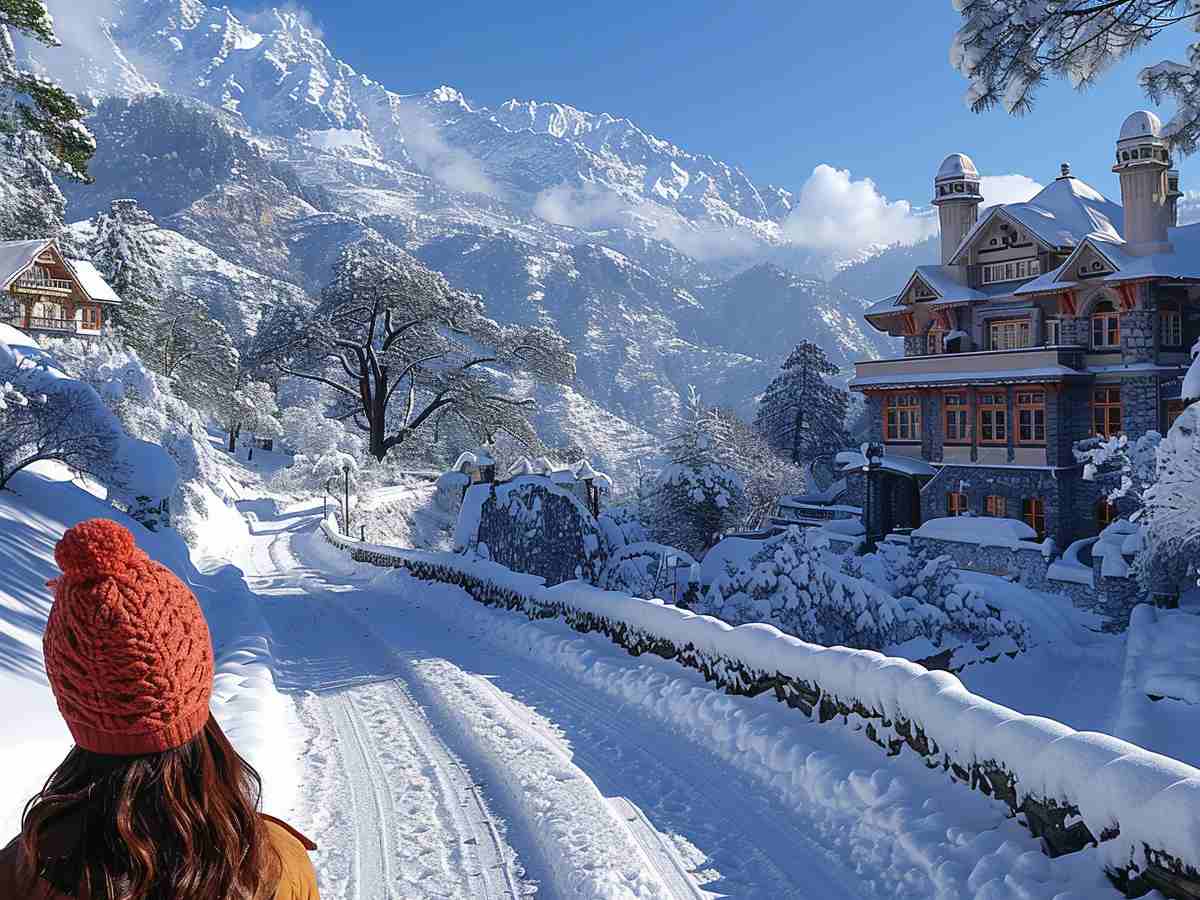
Shimla is the most iconic of all hill stations in North India and the capital of Himachal Pradesh, situated at an altitude of 2,206 metres. Once the Summer Capital of British India, Shimla retains its colonial character through its Victorian buildings, the famous Mall Road, The Ridge, and Christ Church — one of the oldest churches in North India. The Kalka-Shimla Toy Train, a UNESCO World Heritage Route, is one of the most scenic railway journeys in the country. Nearby Kufri offers snowfall, yak rides, and sweeping Himalayan views in winter, while Naldehra and Chail provide quieter alternatives for those who want to escape Shimla’s weekend crowds. The best time to visit Shimla is March to June for pleasant weather and October to February for snow and winter charm.
Manali – The Adventure Hub of Himachal Pradesh
Manali sits at 2,050 metres in the Kullu Valley, surrounded by the Pir Panjal and Dhauladhar ranges, and is one of the most visited hill stations in North India for both adventure and leisure. Solang Valley and Rohtang Pass are the go-to destinations for snow activities, paragliding, and zorbing, while Hadimba Temple, set within a cedar forest, is one of the most distinctive temple experiences in the Himalayas. Old Manali has a quieter, more bohemian character with riverside cafes and apple orchards. The Beas River runs through the valley and is popular for white water rafting. Manali is also the gateway to Lahaul and Spiti, Leh-Ladakh, and several major Himalayan treks including the Hampta Pass and Bhrigu Lake. Best time to visit: March to June for adventure activities and December to February for skiing and snow.
Dharamshala and McLeod Ganj – Little Lhasa, Himachal Pradesh
Dharamshala, in the Kangra district of Himachal Pradesh, is best known as the home of the Dalai Lama and the Tibetan Government in Exile, earning it the nickname Little Lhasa of India. The town is split between the lower Dharamshala town and the upper McLeod Ganj, which is lined with Tibetan monasteries, colourful markets, vegetarian cafes, and meditation centres. The Tsuglagkhang Complex houses the Dalai Lama’s residence and is a major centre of Buddhist learning. The Triund Trek, accessible from McLeod Ganj, is one of the most popular short treks in North India, offering panoramic views of the Dhauladhar range. Bhagsu Waterfall is another well-known attraction within easy walking distance. Best time to visit: March to June and October to December.
Mussoorie – Queen of Hill Stations, Uttarakhand
Mussoorie, at 2,005 metres in the Garhwal Himalayas of Uttarakhand, is one of the most popular hill stations in North India and a classic weekend escape from Delhi and the plains. Known as the Queen of Hill Stations, Mussoorie offers sweeping views of the Doon Valley and the distant Himalayan peaks. Kempty Falls, Gun Hill (accessible by ropeway), Camel’s Back Road, and Lal Tibba — the highest point in Mussoorie with views of Badrinath and Kedarnath peaks — are the key attractions. The nearby village of Landour, quieter and less commercialised, is a favourite for those seeking a more peaceful mountain experience. Best time to visit: April to June and September to November.
Nainital – The Lake District of India, Uttarakhand
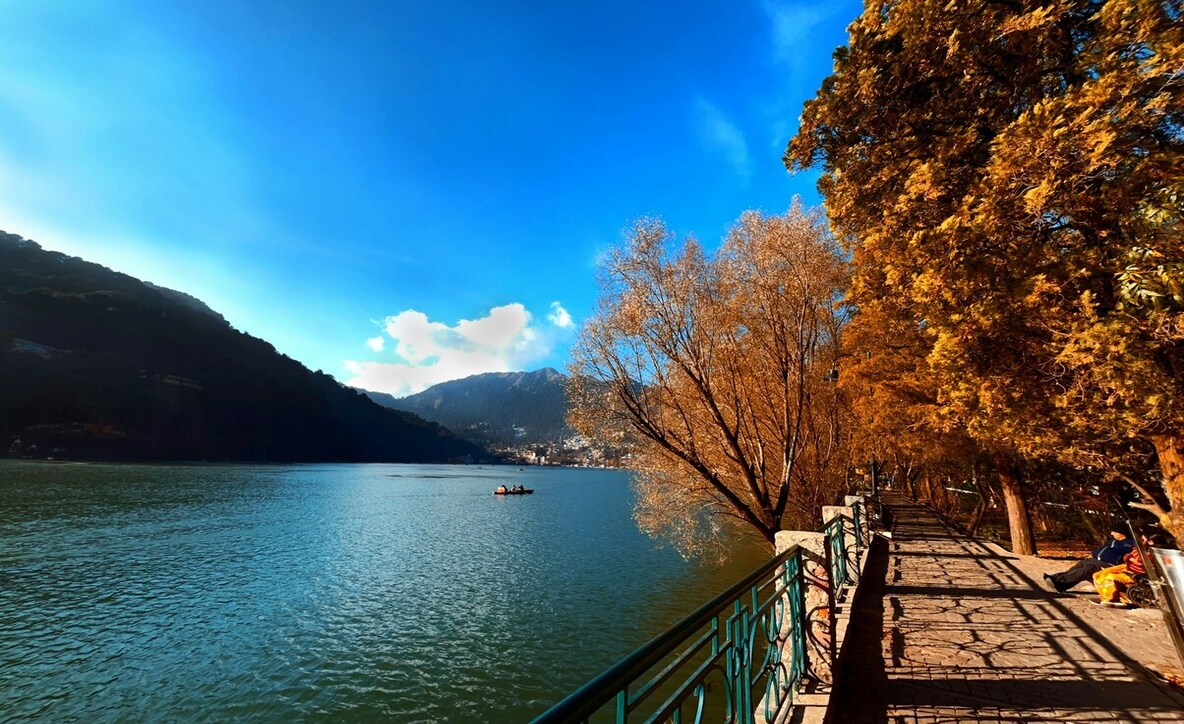
Nainital, at 2,084 metres in the Kumaon region of Uttarakhand, is centred around the beautiful Naini Lake — a glacial lake whose reflections of the surrounding forested hills create one of the most photographed landscapes in North India. The Naina Devi Temple on the northern shore of the lake is a significant Hindu pilgrimage site. Snow View Point, accessible by ropeway, offers views of Nanda Devi and other Himalayan peaks on clear days. Tiffin Top and Dorothy’s Seat are popular trekking points, while Mall Road along the lake is the town’s commercial and social hub. Nainital is an ideal base for exploring the wider Kumaon region. Best time to visit: March to June and October to December.
Gulmarg – The Meadow of Flowers, Jammu and Kashmir
Gulmarg is one of the highest and most scenic hill stations in North India, situated at 2,650 metres in the Pir Panjal range of Jammu and Kashmir. It is India’s premier ski destination, with the Gulmarg Gondola — one of the highest cable cars in the world — operating to Apharwat Peak at approximately 4,200 metres. In winter, Gulmarg’s slopes receive heavy powder snow and attract skiers from across India and internationally. In summer, the meadows are blanketed with wildflowers, making Gulmarg a completely different kind of experience. Khilanmarg, Alpather Lake, and the Maharani Temple are key attractions. Best time to visit: December to February for skiing and snow, May to October for summer meadows.
Pahalgam – The Valley of Shepherds, Jammu and Kashmir
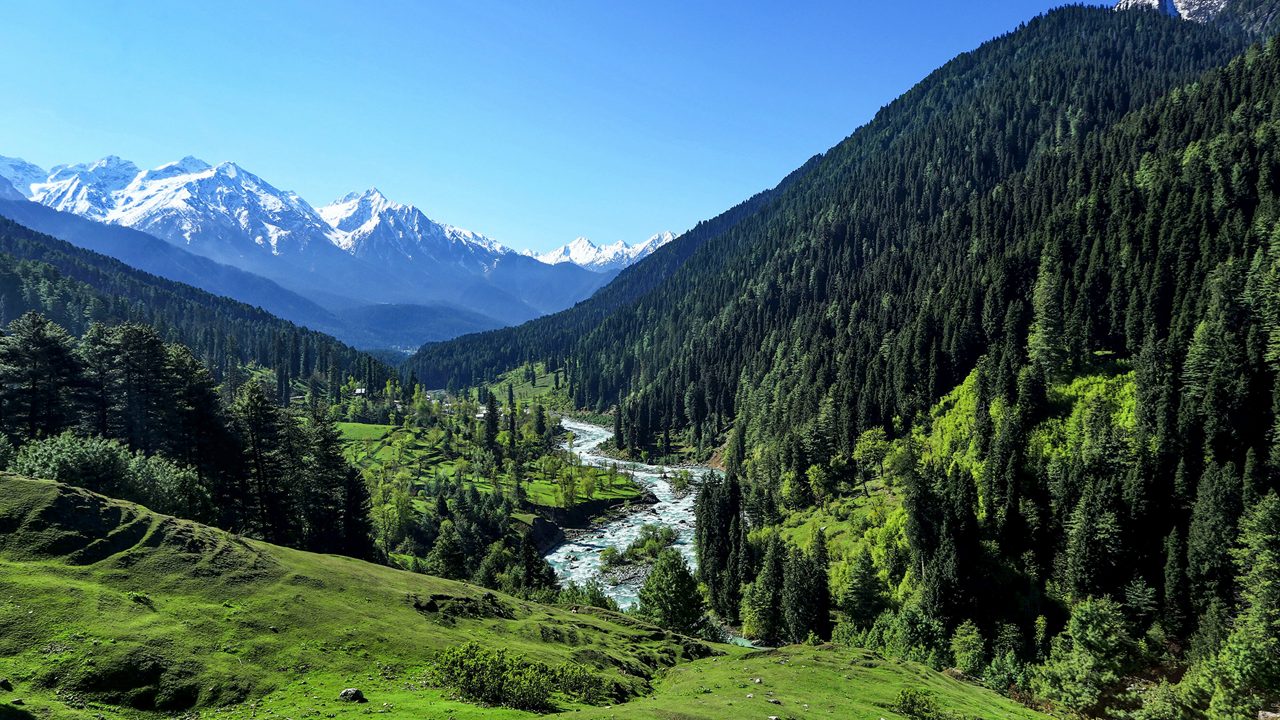
Pahalgam, at 2,130 metres along the Lidder River in Jammu and Kashmir, is one of the most beautiful hill stations in North India and the base camp for the annual Amarnath Yatra pilgrimage. The town is surrounded by pine forests, alpine meadows, and snow-capped peaks. Betaab Valley, Aru Valley, and Chandanwari are the main scenic spots around Pahalgam, each offering a distinct landscape of meadows, waterfalls, and rivers. Pahalgam is also the starting point for several Himalayan treks and a popular destination for horse riding and river fishing. Best time to visit: April to June and September to November.
Dalhousie – The Scottish Hills of Himachal Pradesh
Dalhousie, at 2,036 metres in the Chamba district of Himachal Pradesh, is a colonial hill station named after Lord Dalhousie and characterised by its Scottish and Victorian architecture. The town spreads across five hills and offers views of the Pir Panjal and Dhauladhar ranges. Khajjiar, approximately 22 km from Dalhousie, is often called the Mini Switzerland of India for its circular meadow, lake, and forest setting. Kalatop Wildlife Sanctuary, Panchpulla, and Satdhara Falls are the main natural attractions. Best time to visit: March to June and October to January for snowfall.
Kasauli – The Quiet Colonial Retreat, Himachal Pradesh
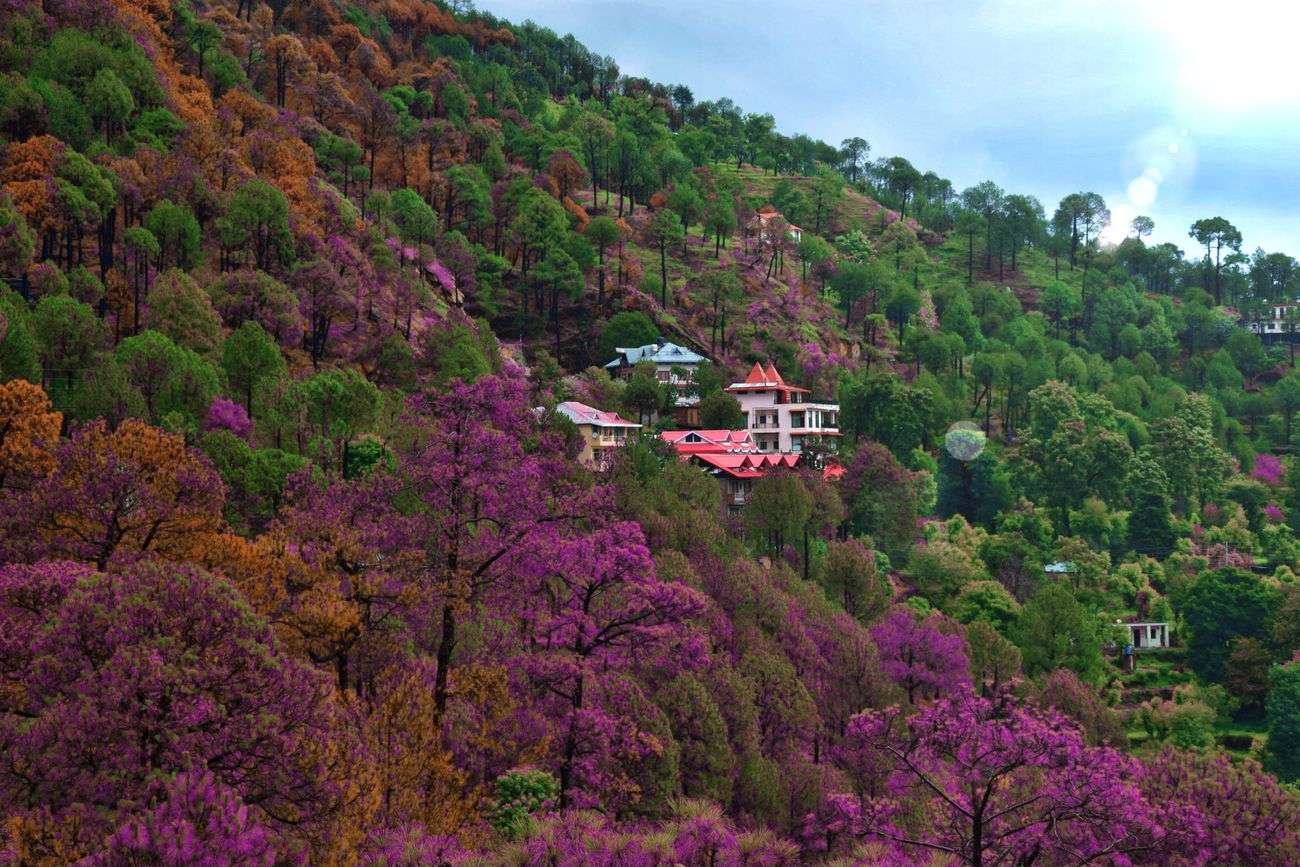
Kasauli, at 1,795 metres in the Shivalik range, is one of the most peaceful and unhurried hill stations in North India, retaining its colonial character more intact than most. The town has a designated pedestrian-only Mall Road, Victorian-era bungalows, colonial churches, and quiet forest trails. Monkey Point, the highest point in Kasauli, offers views of Chandigarh and the plains on clear days. Kasauli is particularly popular as a quiet weekend escape from Chandigarh and Delhi. Best time to visit: October to March.
Leh -The Land of High Passes, Ladakh
Leh, the capital of Ladakh at an altitude of 3,500 metres, is one of the most distinctive and otherworldly destinations among all hill stations in North India. Surrounded by stark, dramatic landscapes of barren mountains, turquoise lakes, and ancient Buddhist monasteries, Leh is as much a spiritual experience as a travel one. Pangong Tso, Nubra Valley, Khardung La Pass, Hemis Monastery, and the Shanti Stupa are among Leh’s most celebrated attractions. Due to the extreme altitude, acclimatisation of at least 2 days is essential upon arrival. Best time to visit: June to September, when roads are open and the weather is the most accessible.
Auli – The Skiing Destination, Uttarakhand
Auli, at 2,519 metres in Uttarakhand, is India’s most well-regarded skiing destination and is connected to Joshimath by one of Asia’s longest cable car routes. In winter, its slopes receive excellent powder snow, and the backdrop of Nanda Devi and other peaks creates a dramatic setting for winter sports. In spring and early summer, Auli’s meadows are carpeted with flowers and offer panoramic Himalayan views. Best time to visit: November to March for skiing and May to June for trekking and meadow views.
Mount Abu-Rajasthan’s Only Hill Station

Mount Abu, at 1,722 metres in the Aravalli range, is the only hill station in Rajasthan and a significant spiritual destination for both Hindus and Jains. The famous Dilwara Jain Temples, considered among the finest examples of marble architecture in India, are the primary attraction. Nakki Lake, Guru Shikhar (the highest peak in the Aravallis), and the Sunset Point are the other key sites. Mount Abu is considerably cooler than the rest of Rajasthan and is a popular escape for travellers on a Rajasthan circuit. Best time to visit: November to March.
For those planning to visit North India’s hill stations during the warmer months, Frenzy Holidays has a helpful guide to the cool places to visit in June across India. If you are planning a trip during the rains, our guide to the best places to visit in India during monsoon covers hill stations and beyond. For those seeking mountain escapes beyond India, explore our guide to hill stations in Sri Lanka for an international mountain travel option.
Offbeat Hill Stations in North India
Beyond the popular destinations, North India has several lesser-known hill stations that offer a more peaceful and authentic mountain experience.
Spiti Valley, Himachal Pradesh — A high-altitude cold desert at 3,800 metres bordering Tibet, known for its ancient monasteries, barren landscapes, and extreme remoteness. Best visited June to September.
Kasol and Kheerganga, Himachal Pradesh — A popular backpacker destination in the Parvati Valley, known for its riverside campsites, forest treks, and the hot springs at Kheerganga.
Kanatal, Uttarakhand — A quiet village at 2,590 metres, 38 km from Mussoorie, ideal for camping, forest walks, and escaping the crowds of the more popular hill towns.
Tirthan Valley, Himachal Pradesh — A serene valley adjacent to the Great Himalayan National Park, popular for trout fishing, forest walks, and riverside homestays.
Khajjiar, Himachal Pradesh — Often called the Mini Switzerland of India, this small meadow plateau near Dalhousie is one of the most picturesque spots in Himachal Pradesh.
Practical Tips for Visiting Hill Stations in North India
Key points to keep in mind before heading to the hill stations of North India.
- Book accommodation well in advance for April to June. This is the peak summer season and all popular hill stations in North India — Shimla, Manali, Mussoorie, and Nainital — fill up weeks ahead, especially on weekends and long holidays.
- Carry warm layers regardless of the season. Mountain weather can change rapidly. Even in May and June, temperatures drop sharply after sunset. A windproof jacket and light woolens are essential year-round.
- Allow acclimatisation time for high-altitude destinations. For Leh (3,500 m), Spiti (3,800 m), and Gulmarg’s upper reaches (4,200 m), spend at least 2 days acclimatising before physical activity. Consult a doctor about altitude medication if needed.
- Check road conditions before travelling in monsoon. Landslides on mountain roads can cause significant delays and closures during July to September, particularly in Himachal Pradesh and Uttarakhand.
- Hire local registered guides for treks. For treks around Dharamshala, Manali, Auli, and Pahalgam, hiring a registered local guide improves both safety and the quality of your experience.
- Avoid peak season crowds at popular viewpoints by visiting early morning. Sunrise at Shimla’s Jakhu Temple, sunrise at Mussoorie’s Lal Tibba, and early morning at Gulmarg are far more rewarding before the day-trippers arrive.
Conclusion
The hill stations in North India offer an unmatched diversity of landscapes, cultures, and experiences — from the colonial elegance of Shimla and Mussoorie to the Tibetan monasteries of Dharamshala, the ski slopes of Gulmarg and Auli, and the remote deserts of Leh and Spiti. Whether you are looking for a quick weekend escape from Delhi, a honeymoon destination, a family holiday, or a serious Himalayan trekking base, North India’s mountains have a hill station tailored to every kind of trip. The best time to visit is April to June for summer escapes and October to February for snow and clear winter skies.

Frenzy Holidays ensures a smooth and enriching travel experience from start to finish. Visit us at Haware Centurion, S07/34, Nerul East, Sector 19A, Nerul, Navi Mumbai, Maharashtra 400706. For bookings or more information, call +91 7400453140, email [email protected], or visit www.frenzyholidays.com.
Hill Stations in North India- FAQs
Which are the best hill stations in North India?
Shimla, Manali, Mussoorie, Nainital, Dharamshala, Gulmarg, Pahalgam, Dalhousie, Leh, and Auli are among the best hill stations in North India, each offering a distinct experience.
What is the best time to visit hill stations in North India?
April to June is the most popular time for summer escapes. October to February is best for snow, winter landscapes, and cooler crowds. Leh and Spiti are best visited June to September when roads are accessible.
Which hill station in North India is best for families?
Shimla, Nainital, Mussoorie, and Manali are the most family-friendly hill stations in North India, with good infrastructure, activities for all ages, and easy accessibility from Delhi and other major cities.
Which is the best hill station near Delhi in North India?
Mussoorie (290 km), Nainital (320 km), Shimla (350 km), Kasauli (300 km), and Lansdowne (250 km) are the most popular hill stations within a comfortable driving distance from Delhi.
Which hill stations in North India receive snowfall?
Shimla, Manali, Gulmarg, Auli, Dalhousie, Pahalgam, and Kufri receive significant snowfall from December to February. Gulmarg is the most reliable destination for heavy powder snow in North India.
Which is the best offbeat hill station in North India?
Spiti Valley, Kasol, Kanatal, Tirthan Valley, Khajjiar, and Chopta are among the best offbeat hill stations in North India for travellers seeking quieter, less commercialised mountain experiences.
Is Leh considered a hill station in North India?
Yes. Leh, the capital of Ladakh at 3,500 metres, is one of the highest and most distinctive hill stations in North India. It is best visited from June to September when all major roads and attractions are accessible.
Which hill station in North India is best for honeymoon?
Gulmarg, Pahalgam, Manali, Dalhousie, and Mussoorie are the most popular honeymoon hill stations in North India, known for scenic landscapes, cosy stays, and romantic mountain atmospheres.
Which is the only hill station in Rajasthan?
Mount Abu, at 1,722 metres in the Aravalli range, is the only hill station in Rajasthan and is also a major spiritual destination known for the Dilwara Jain Temples and Nakki Lake.
How many days are enough to visit a hill station in North India?
For popular destinations like Shimla, Mussoorie, and Nainital, 2 to 3 days is sufficient. For Manali, Dharamshala, and Pahalgam, 4 to 5 days is ideal. For Leh and Spiti, allow at least 7 to 10 days for a comfortable visit with acclimatisation.
