
Kutch is one of the largest and most geographically diverse districts in India, and the question of how many days are enough in Kutch is one that every traveler asks before arriving. The honest answer is that Kutch rewards more time than most visitors initially plan. A single day barely scratches the surface of the White Rann. Two days covers the essentials but leaves the craft villages, the Dholavira ruins, and the coastal Mandvi Beach untouched. Three to four days gives a genuinely complete experience. Five days or more is ideal for travelers who want to go deep into the artisan villages, the Great Rann, and the far reaches of this extraordinary district.
Have you ever wondered exactly how many days are enough in Kutch to see the Rann of Kutch, the Bhuj heritage sites, the craft villages of Bhujodi and Nirona, and the coastal areas of Mandvi? Or are you planning a Gujarat trip in 2026 and trying to decide how much time to allocate to Kutch versus the rest of the state? This guide breaks down the ideal Kutch itinerary by duration, from a 2-day minimum to a 5-day comprehensive plan, so you can match your travel time to what Kutch actually has to offer.
Confused where to go for quick escape? Let us plan it for you.
Grab the Best DealTable of Contents
How Many Days are Enough in Kutch: Quick Overview
| Duration | What You Can Cover | Best For |
| 2 Days | White Rann at Dhordo, Bhuj town | Quick Rann Utsav visit |
| 3 Days | Rann, Bhuj, craft villages (Bhujodi, Nirona) | Standard first-time trip |
| 4 Days | Rann, Bhuj, craft villages, Mandvi Beach | Well-rounded Kutch trip |
| 5 Days | All of above plus Dholavira, Lakhpat Fort | Deep dive into Kutch |
Timing your Kutch trip correctly makes a significant difference to the experience. Read our guide on International Tour Packages for a complete overview of the city’s attractions beyond the restaurants.
How Many Days are Enough in Kutch: Understanding the Scale
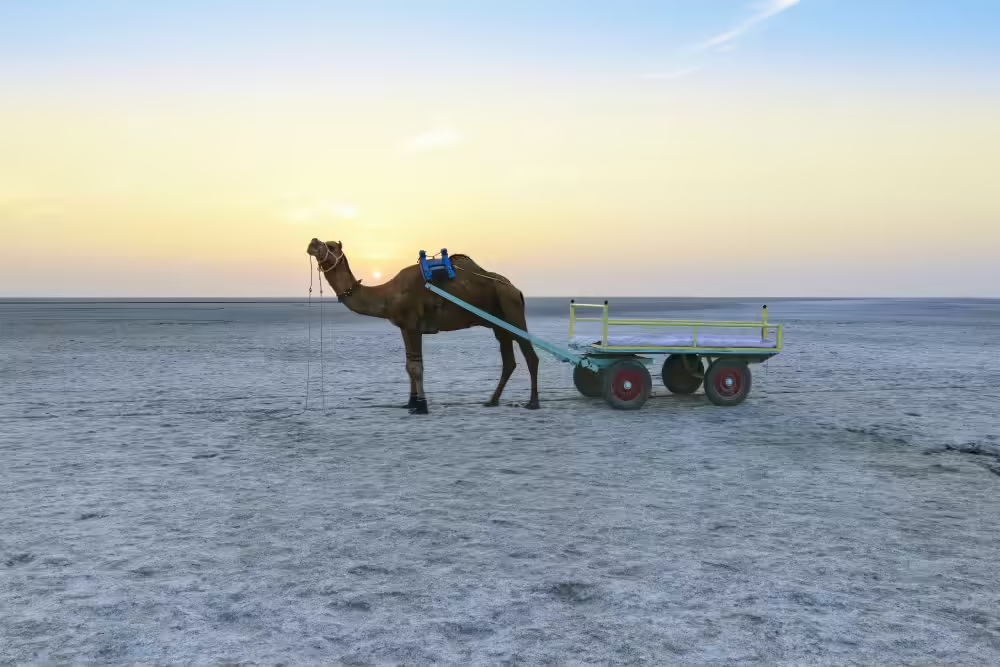
Before deciding how many days are enough in Kutch, it helps to understand the geography. Kutch district covers approximately 45,000 square kilometres, making it the largest district in India. The White Rann of Kutch, the salt desert that is the centrepiece of the Rann Utsav festival, is located in the north of the district near Dhordo village, about 85 km from Bhuj. The craft villages of Bhujodi, Nirona, Ajrakhpur, and Hodka are concentrated within 30 to 60 km of Bhuj. The Harappan city of Dholavira is about 250 km from Bhuj on Khadir Island. The beach town of Mandvi is 60 km southwest of Bhuj. Any itinerary for Kutch needs to account for these distances on roads that range from excellent state highways to slower rural tracks.
2-Day Kutch Itinerary: The Minimum Visit
A 2-day trip answers the question of how many days are enough in Kutch only if your primary goal is to see the White Rann during the Rann Utsav season and get a feel for Bhuj town. It is a meaningful visit but leaves most of Kutch unexplored.
Day 1: Arrival in Bhuj and White Rann
Arrive in Bhuj by morning flight or overnight train. Check into your hotel and drive to the White Rann at Dhordo (approximately 85 km, 2 hours). The White Rann entry requires a permit, which can be arranged at the gate or in advance. Spend the afternoon at the Rann viewpoint and the Tent City area. The evening is the most spectacular time to be at the Rann, when the salt desert turns from white to gold to pale pink as the sun goes down. Return to Bhuj or stay overnight at Dhordo.
Day 2: Bhuj Heritage and Departure
Spend the morning in Bhuj visiting the Aina Mahal (Palace of Mirrors), one of the finest examples of 18th-century Indo-European architecture in India, and the adjoining Prag Mahal, a Victorian Gothic palace with views across Bhuj town from its clock tower. Walk through the old city market near the Swaminarayan Temple to explore the local bazaar and pick up Kutchi handicrafts. Depart Bhuj in the afternoon.
What this itinerary misses:
Craft villages, Mandvi Beach, Dholavira, the Great Rann beyond the main White Rann viewpoint, and the full Rann Utsav cultural programme.
3-Day Kutch Itinerary: The Standard First Visit
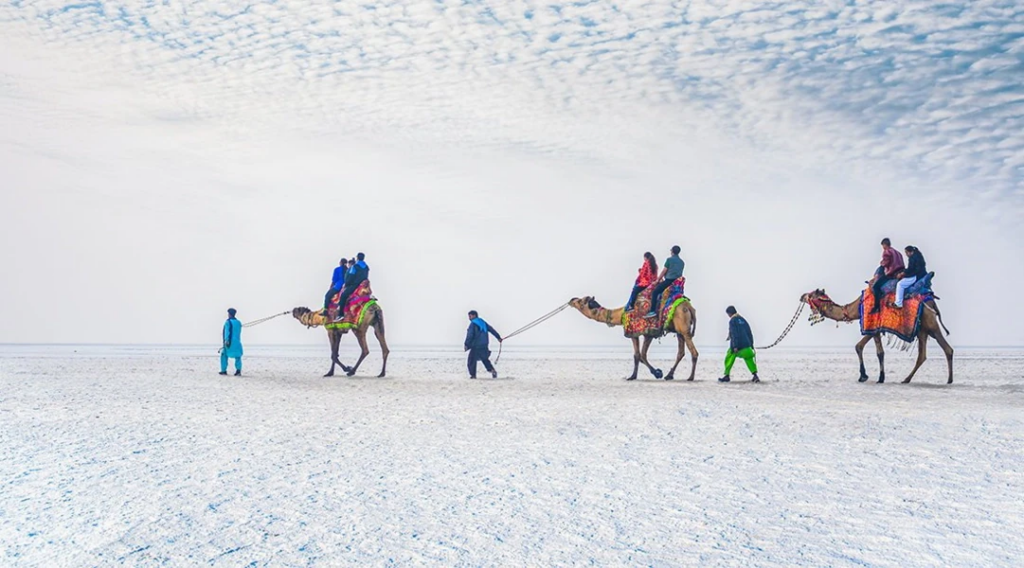
Three days is the most commonly recommended answer to how many days are enough in Kutch for a first-time visitor. It covers the Rann, Bhuj, and the most important craft villages in a manageable pace.
Day 1: Bhuj Heritage
Arrive in Bhuj and spend the day exploring the town. Begin with Aina Mahal and Prag Mahal in the morning. After lunch, visit the Bhuj city market, Shrujan (the NGO emporium for Kutchi women’s embroidery), and the Kutch Museum, the oldest museum in Gujarat, which provides excellent cultural context for everything you will see over the next two days. In the late afternoon, drive to Bhujodi village (8 km from Bhuj) to visit the weaving community and buy directly from artisan families.
For a comprehensive guide to what to look for and where to buy in Bhuj, our article on What is Famous in Bhuj for Shopping covers every craft category in detail.
Day 2: Craft Village Circuit and White Rann
Depart early for the craft village circuit. Drive to Nirona (40 km from Bhuj) to visit the Khatri family’s Rogan art workshop, where one of India’s rarest craft traditions is kept alive by a single family. Continue to Hodka village (70 km from Bhuj) to see the embroidery cooperative and the bhungas (traditional round mud huts). Then proceed to the White Rann at Dhordo for the afternoon. Arrive in time for the sunset over the salt desert, the defining visual experience of any Kutch trip. Stay overnight at Dhordo tent resort or return to Bhuj.
Day 3: Ajrakhpur and Mandvi Beach or Departure
On the final morning, drive to Ajrakhpur village (10 km from Bhuj) to visit the block-printing families of the Khatri community and see the natural dye workshops where Ajrakh fabric is produced. If time and interest allow, continue to Mandvi Beach (60 km from Bhuj) for a late morning swim and a walk along one of the least crowded beaches in Gujarat, where the 400-year-old Vijay Vilas Palace sits above the coastline. Depart from Bhuj in the late afternoon.
What this itinerary misses:
Dholavira, Lakhpat Fort, the Little Rann of Kutch, and the deeper craft villages of the Banni grasslands.
4-Day Kutch Itinerary: The Well-Rounded Trip
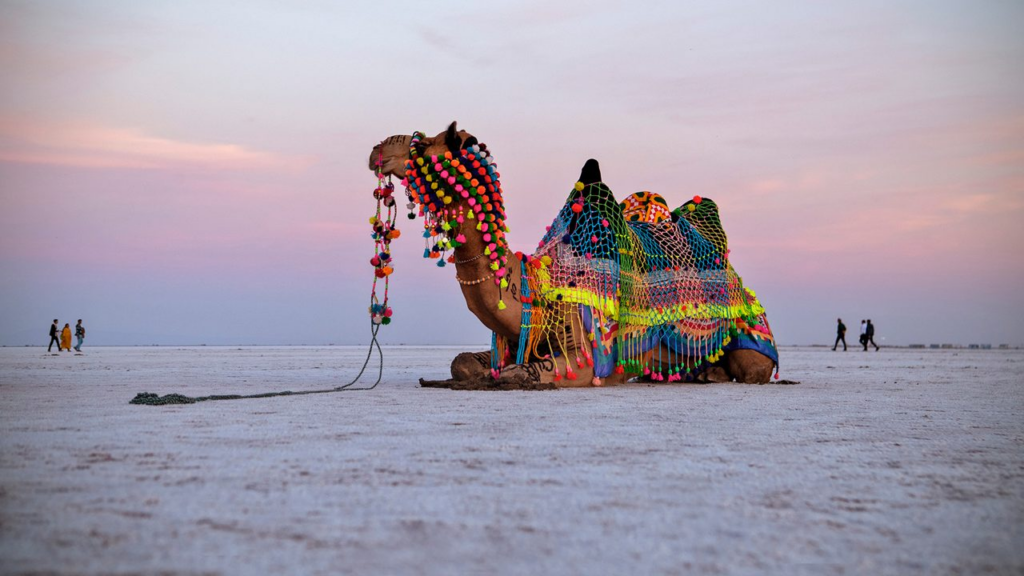
Four days is the answer to how many days are enough in Kutch for travelers who want to feel genuinely satisfied with what they have seen. This itinerary adds Mandvi Beach and more time in the Rann.
Day 1: Bhuj Heritage and Bhujodi
Follow the Day 1 programme from the 3-day itinerary above, with Aina Mahal, Prag Mahal, Kutch Museum, and Bhujodi weaving village.
Day 2: Full Craft Village Circuit
A dedicated full day for the craft circuit: Bhujodi for weaving, Nirona for Rogan art, Ajrakhpur for block printing, and Hodka for embroidery and bhungas. Each village deserves at least 45 minutes to one hour, and buying directly from artisan families supports the people who keep these traditions alive. End the day with an early arrival at the White Rann for sunset. Overnight at Dhordo.
Day 3: White Rann, Rann Utsav and Khatriya Hill
Spend a full day at the Rann Utsav area. Wake early for the sunrise over the salt flats, which rivals the sunset for drama and colour. Explore the Tent City cultural programme, which runs throughout the Rann Utsav season from October to March and includes folk music, Kutchi dance performances, camel rides, and local craft demonstrations. In the afternoon, visit Khatriya Hill (Kala Dungar), the highest point in Kutch at 462 metres, for a 360-degree panorama across the White Rann and the surrounding landscape. Return to Bhuj or Dhordo for the night.
Day 4: Mandvi Beach and Departure
Drive to Mandvi (60 km from Bhuj) for a morning at the beach. The Vijay Vilas Palace, a heritage palace built in 1929 with views over the Arabian Sea, is open to visitors and worth the entry fee. The beach below the palace is calm, clean, and relatively uncrowded. The Mandvi ship-building yards on the Rukmavati River, where traditional wooden dhows are still built by hand, are one of the most extraordinary living craft traditions in India. Return to Bhuj for a late departure.
5-Day Kutch Itinerary: The Deep Dive
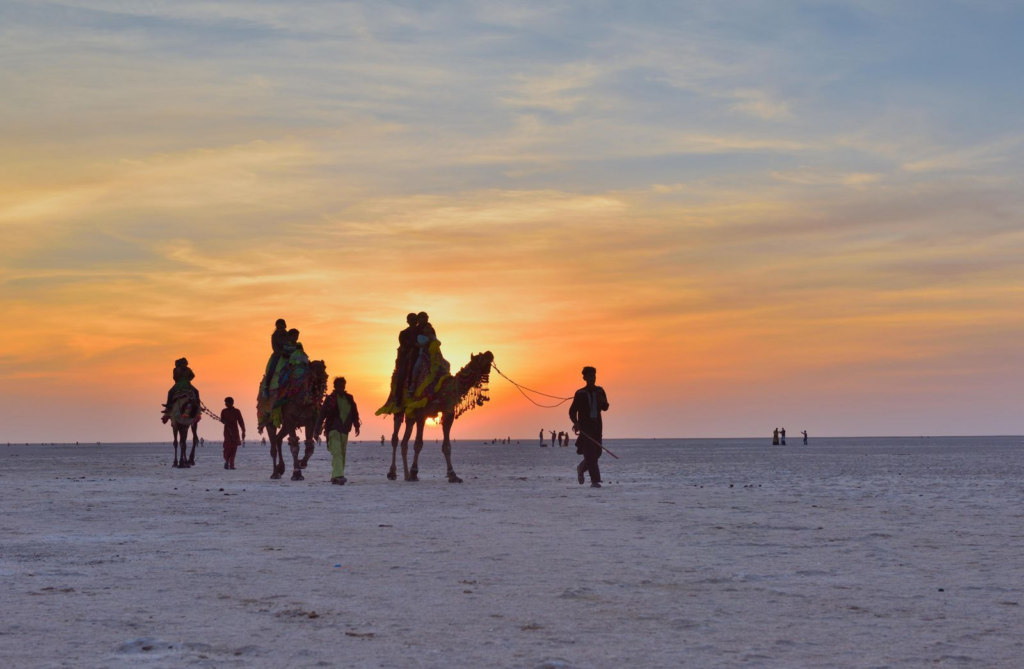
Five days is the answer to how many days are enough in Kutch for travelers who want to go beyond the standard highlights and include the ancient Harappan city of Dholavira, one of the most important archaeological sites in India.
Days 1 to 4: Follow the 4-day itinerary above.
Day 5: Dholavira Day Trip
Dholavira on Khadir Island in the Great Rann of Kutch is a UNESCO World Heritage Site and one of the five largest Harappan cities ever excavated. The drive from Bhuj takes approximately 4 to 5 hours each way on roads that pass through the extraordinary landscape of the Little Rann and the island causeway. The site itself covers a vast area of excavated city structures dating back 5,000 years, with a museum and interpretive signage. Visiting Dholavira requires an early start from Bhuj and a full day commitment, but the site is extraordinary in its scale and historical significance and justifies the extra day entirely.
Alternatively, Day 5 can be used to visit Lakhpat Fort, the abandoned walled city at the western tip of Kutch near the Pakistan border, which takes approximately 3 hours from Bhuj and offers a hauntingly beautiful landscape of dunes, an intact 7 km fort wall, and the silence of a town that was once a thriving port.
Distance from Major Indian Cities:
- Mumbai to Kutch (Bhuj): Approximately 900 km by road (around 15 to 16 hours) or 1 hour 20 minutes by direct flight from Mumbai to Bhuj. Overnight trains from Mumbai Central to Bhuj (via Gandhidham) take approximately 16 to 18 hours.
- Delhi to Kutch (Bhuj): Approximately 1,400 km by road or 2 hours by direct flight from Delhi to Bhuj. Train options include the Kutch Express from Delhi Sarai Rohilla to Bhuj, taking approximately 24 hours.
- Ahmedabad to Kutch (Bhuj): Approximately 330 km by road, around 5 to 6 hours. Regular bus services and trains operate between Ahmedabad and Bhuj daily.
- Surat to Kutch (Bhuj): Approximately 620 km by road, around 9 to 10 hours. Flights via Ahmedabad or direct drive through Gujarat state highways.
How Many Days are Enough in Kutch: Final Recommendation
The definitive answer to how many days are enough in Kutch is four days for a first-time visitor who wants a genuinely complete experience of the Rann, the craft villages, Bhuj’s heritage, and Mandvi Beach. Three days works if you are tight on time but accepts the compromise of either Mandvi or a full day at the Rann being dropped. Five days is ideal for anyone with archaeological or deep cultural interests. Two days is worthwhile only if the Rann itself is the primary goal and all other aspects of Kutch can be saved for a future visit.
Best Time to Visit Kutch
The best time to visit Kutch is from November to February, when the White Rann is fully revealed, the temperatures across the district are at their most comfortable, and the Rann Utsav festival is running at full capacity. January and February are the peak of the peak: the salt desert is at its whitest, the days are clear and bright, and the cultural programme at Dhordo is at its most vibrant. October is an excellent shoulder month for travelers who want to be among the first to see the Rann as it opens for the season, with post-monsoon green Banni grasslands adding a different dimension to the landscape. March is ideal for the craft village circuit with fewer festival crowds and comfortable temperatures. April to June is very hot and not recommended. July to September is monsoon season when the White Rann is flooded and inaccessible.
Things to Do in Kutch
Kutch offers a range of experiences that go well beyond the White Rann, and knowing what is available helps travelers plan the right duration for their visit.
- White Rann at Dhordo: The defining Kutch experience. Walking on the salt flats at sunset and sunrise, camel cart rides across the white desert, and full moon nights under an open sky.
- Rann Utsav Festival: Folk music, Kutchi dance performances, craft exhibitions, and cultural events at the Dhordo Tent City from October to March.
- Craft Village Circuit: Rogan art in Nirona, block-printing in Ajrakhpur, weaving in Bhujodi, embroidery in Hodka, copper bell-making, and leather craft across the villages surrounding Bhuj.
- Bhuj Heritage Sites: Aina Mahal (Palace of Mirrors), Prag Mahal, the Kutch Museum, and the old city bazaar for local handicrafts and Kutchi embroidery.
- Kalo Dungar (Black Hill): The highest point in Kutch at 462 metres, with a panoramic view across the Great Rann landscape.
- Dholavira: A UNESCO World Heritage Site on Khadir Island, one of the largest Harappan cities ever excavated, dating back 5,000 years.
- Mandvi Beach and Vijay Vilas Palace: A clean and uncrowded Arabian Sea beach below the 1929 heritage palace, combined with the active ship-building yards on the Rukmavati River.
- Banni Grasslands: A vast pastoral landscape north of Bhuj dotted with artisan villages of the Rabari, Mutwa, and Jat communities, famous for India’s finest mirror-work embroidery.
- Lakhpat Fort: An abandoned walled city at the westernmost tip of Kutch with an intact 7 km fortification, a historic Gurudwara, and an atmosphere of absolute stillness.
- Chhari Dhandh Wetland: A seasonal wetland in the Banni region that hosts flamingos, pelicans, and migratory birds from October to February.
Conclusion
Kutch is too vast and too varied to rush. The answer to how many days are enough in Kutch depends on what you want to take from it, but the minimum that gives genuine satisfaction is three days, and four days is the sweet spot that most travelers return from feeling they used their time well. Plan your itinerary around the Rann Utsav season from October to March, book your Dhordo accommodation well in advance for peak dates like full moon nights, and allow yourself the time to stop in craft villages rather than just driving past them. Kutch rewards presence and patience more than almost any destination in India.

Frenzy Holidays ensures a smooth and enriching travel experience from start to finish. You can visit us at Haware Centurion, S07/34, Nerul East, Sector 19A, Nerul, Navi Mumbai, Maharashtra 400706. For bookings or more information, call +91 7400453140, email [email protected], or visit www.frenzyholidays.com. So pack up and explore India with Frenzy Holidays for an unforgettable journey.
How Many Days are Enough in Kutch: FAQs
How many days are enough in Kutch?
Four days is the ideal answer for a complete first visit covering the Rann, Bhuj, craft villages, and Mandvi Beach. Three days works as a minimum for most travelers.
Can I see Kutch in 2 days?
Yes, but only the White Rann and Bhuj town. Two days is too short to visit the craft villages, Mandvi Beach, or Dholavira.
How many days are needed for the Rann of Kutch specifically?
A single overnight stay at Dhordo covers the sunset and sunrise over the White Rann. Two nights at Dhordo gives the full Rann Utsav cultural programme experience.
When is the best time to visit Kutch?
October to March is the best time for Kutch, coinciding with the Rann Utsav festival season. The White Rann is at its most spectacular during full moon nights from November to February.
Is Dholavira worth a day trip from Bhuj?
Yes, but it requires a very early start. Dholavira is 250 km from Bhuj and a full-day commitment. It is a UNESCO World Heritage Site and entirely worth the extra day for travelers with historical interests.
How far is Mandvi from Bhuj?
Mandvi Beach is approximately 60 km from Bhuj, about 1.5 hours by road. It is easily combined with a morning craft village visit on a 4-day Kutch itinerary.
What is the best base for a Kutch trip?
Bhuj is the best base city for a Kutch trip. It has the best accommodation range, the main heritage sites, and is the starting point for all major day trips including the Rann, craft villages, Mandvi, and Dholavira.
Can I visit Kutch in 5 days?
Yes. Five days allows you to cover all the highlights including Dholavira or Lakhpat Fort in addition to the standard 4-day itinerary, giving the most comprehensive Kutch experience possible.
Is Kutch good for a family trip?
Yes. Kutch is excellent for families, with the White Rann, camel rides, cultural performances at Rann Utsav, Mandvi Beach, and craft village visits all suitable for children and adults of all ages.
Do I need permits to visit the White Rann?
Yes. Entry to the White Rann requires a permit, which can be obtained at the entry gate near Dhordo or arranged in advance through the Gujarat Tourism website or your accommodation.
