
India’s past lives in stone, from Mughal domes to ancient rock carvings that draw millions yearly. The most famous historical monuments in India stand as testaments to empires, faiths, and artistry across millennia. Visiting them means walking through eras-Mughal romance in Agra, Dravidian grandeur in Tamil Nadu, or Buddhist serenity in Maharashtra. These sites blend architecture with stories of kings, traders, and pilgrims, offering more than photos: they reveal regional crafts like marble inlays or cave frescoes.
Ever wondered why the Taj Mahal gleams at dawn or how Hampi’s ruins whisper of a lost Vijayanagara? The most famous historical monuments in India top travel lists for their scale and detail, many UNESCO-protected. From Delhi’s forts to Konark’s wheels, plan routes connecting North-South divides for efficient trips. Prioritize off-peak hours to skip crowds at these iconic draws.
Confused where to go for quick escape? Let us plan it for you.
Grab the Best DealTable of Contents
Most Famous Historical Monuments in India- Quick Overview
This guide details 10 essentials, with entry fees (2026 rates around INR 50-1100), best times (October-March to dodge monsoons), and tips like hiring local guides (INR 500-1000/day).
| Monument | Location | Built (CE) | Entry (INR, Foreigners) | Best Time |
| Taj Mahal | Agra | 1632-53 | 1100 | Sunrise |
| Red Fort | Delhi | 1639-48 | 600 | Evenings |
| Qutub Minar | Delhi | 1193 | 600 | Mornings |
| Hampi | Karnataka | 14th-16th | 700 | Dawn |
| Ajanta Caves | Maharashtra | 2nd BCE-480 | 600 | Dry season |
You can also explore our affordable Andaman Tour Packages designed for Budget Travelers.
Most Famous Historical Monuments in India
Northern India holds grand sandstone forts and tombs from the Mughal era, showcasing Persian-Indian fusion, Central and western rock-cut wonders preserve Buddhist, Hindu, and Jain faiths from 200 BCE, Dravidian spires and chariot temples highlight regional dynasties.
1. Taj Mahal (Agra, Uttar Pradesh)
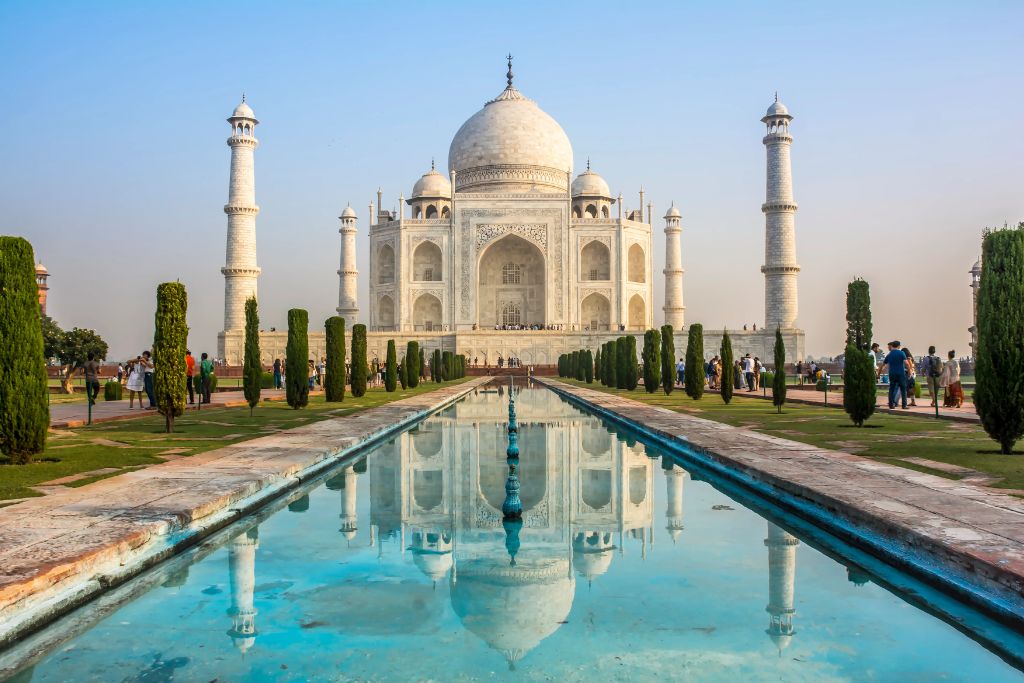
Commissioned in 1632 by Shah Jahan for Mumtaz Mahal, this white marble mausoleum took 22 years and 20,000 workers. Symmetrical minarets and gardens reflect paradise motifs. Entry: INR 1100 (foreigners); closed Fridays. Sunrise slots (book online) beat heat and haze.
- Enter via East Gate (Royal Gate) for hotels proximity; expect 5-10 min queues at sunrise-less crowded than main paths.
- Walk right-hand path post-garden for fewer crowds; hit mosque/guest pavilion before marble platform’s inlays and Quranic scripts.
- No photos inside cenotaphs; end at Yamuna back terrace for quiet river views-many skip this serene spot.
- Book ASI sunrise slots online 2 days prior (INR 1100); carry water, hats-peak season Oct-Mar hits 40,000 visitors daily.
2. Red Fort (Delhi)
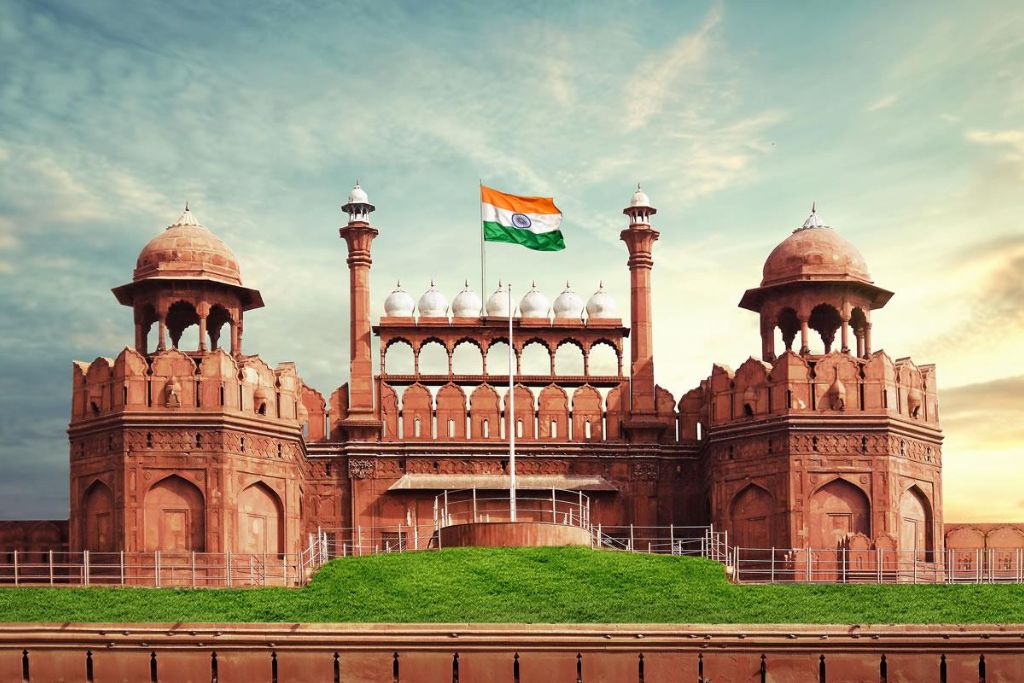
Shah Jahan built this 1648 red sandstone palace over a decade; it housed Mughals until 1857. Key spots: Diwan-i-Aam hall, light shows nightly. Independence Day flags wave here. Entry: INR 600; sound-and-light evenings add drama.
- Start at Lahori Gate; trace clockwise to Diwan-i-Am peacock throne site, then Rang Mahal’s mirrored harem ceilings.
- Catch 7:30 PM sound-light show (INR 60, Hindi/English); metro Chandni Chowk drops 500m away.
- Weekdays mornings best; 2-3 hours covers walls, museums-flag pole view August 15 iconic.
3. Agra Fort (Agra, Uttar Pradesh)
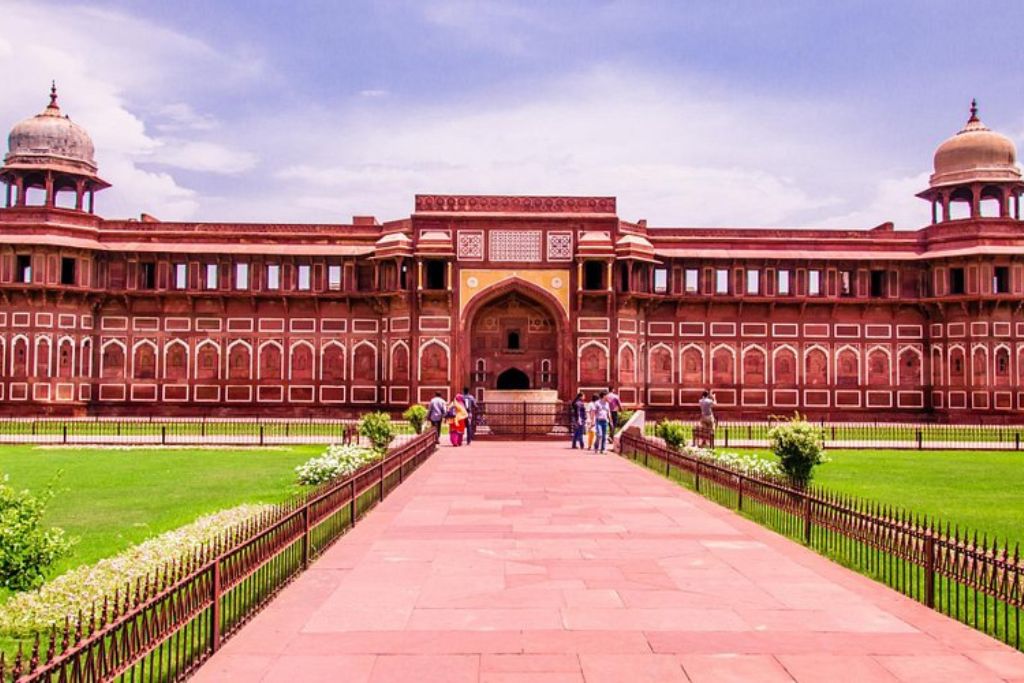
Akbar expanded this 1565 brick-red bastion; Jahangir and Shah Jahan added palaces. Views of Taj Mahal from inside. Entry: INR 1100 combo with Taj. Pair with Mehtab Bagh gardens opposite.
- Climb Musamman Burj for Taj Mahal framed vista-Shah Jahan’s prison tower with marble screens.
- Explore Jahangiri Mahal’s red sandstone arches; combo ticket (INR 1100) links direct to Taj.
- Dawn audio tours (INR 200); underground dungeons add grim history-pair with Mehtab Bagh gardens across river.
4. Humayun’s Tomb (Delhi)
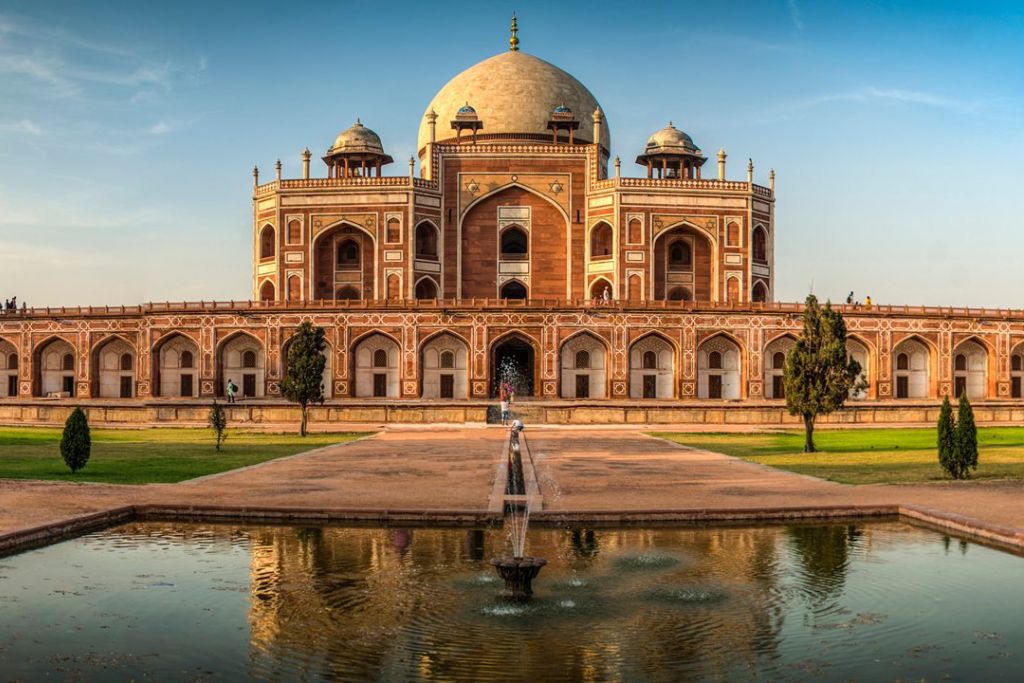
First garden-tomb (1570) by Bega Begum for Humayun; inspired Taj’s design. Charbagh layout, red-white stone. Entry: INR 600. Less crowded mornings suit photography.
These top the most famous historical monuments in India for their scale-Red Fort walls stretch 2.5 km.
- Charbagh quadrants mirror Taj; red sandstone screens cast lattice light on double dome.
- Barber’s tomb nearby; metro Jor Bagh 1 km-dusk goldens the structure perfectly.
- Less crowded; 1-2 hours suffices-UNESCO pioneer for garden-tombs.
5. Ajanta Caves (Aurangabad, Maharashtra)
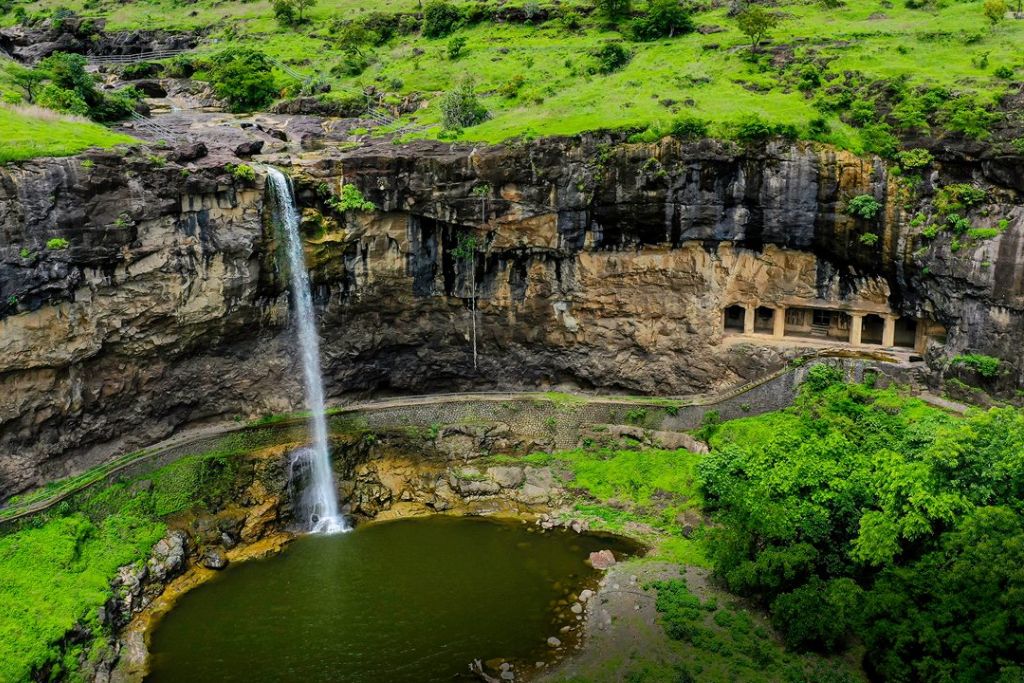
30 caves (2nd BCE-480 CE) with frescoes of Jataka tales; horseshoe layout overlooks river. Monsoon closes them. Entry: INR 600. Guides explain fading paintings; 3-hour tours cover highlights.
- Horseshoe Caves 1-19 (frescoes), 20-30 across river; torch for dim interiors-no flash.
- Cave 26 reclining Buddha; 2-hour Aurangabad bus (INR 600 entry)-closed monsoons.
- Guides (INR 400) decode Jatakas; start early, 3-4 hours total.
6. Ellora Caves (Aurangabad, Maharashtra)
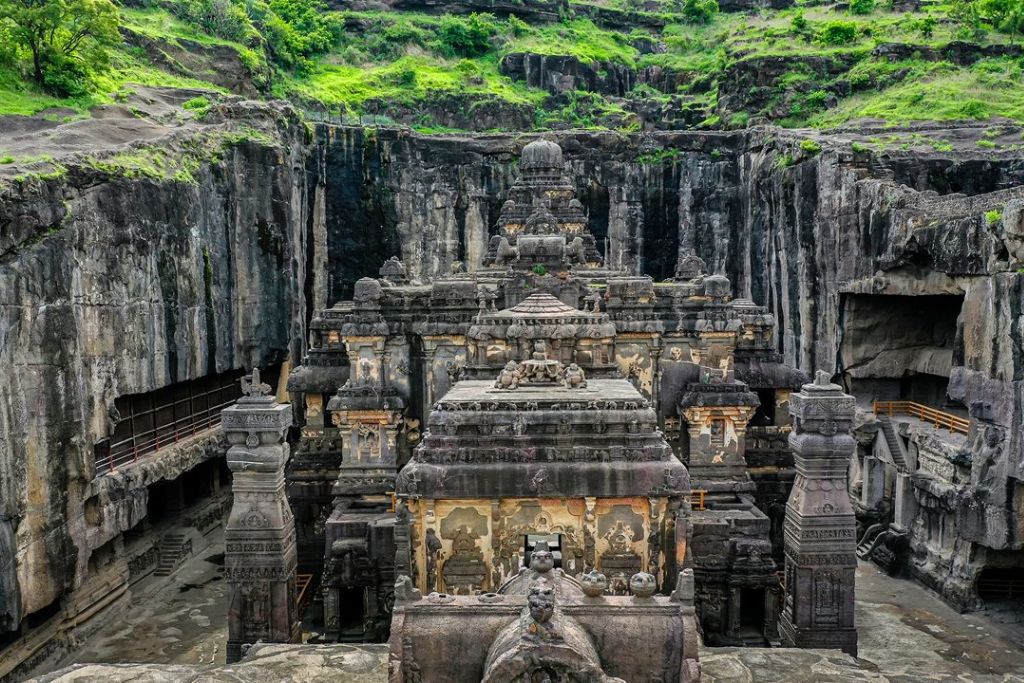
34 caves (6th-10th CE): Kailasa Temple (Cave 16) single rock-carved by Rashtrakutas. Jain shrines nearby. Entry: INR 600. Climb to top for panoramas; visit post-Ajanta.
- Cave 16 Kailasa: top-down basalt monolith-Ravana panels at base, elephants prop.
- Multi-faith sequence: Buddhist 1-12, Hindu 13-29, Jain 30-34; taxi Ajanta combo (INR 3000/day).
- Sunset climbs for panoramas; sturdy shoes for uneven steps.
7. Khajuraho Temples (Madhya Pradesh)
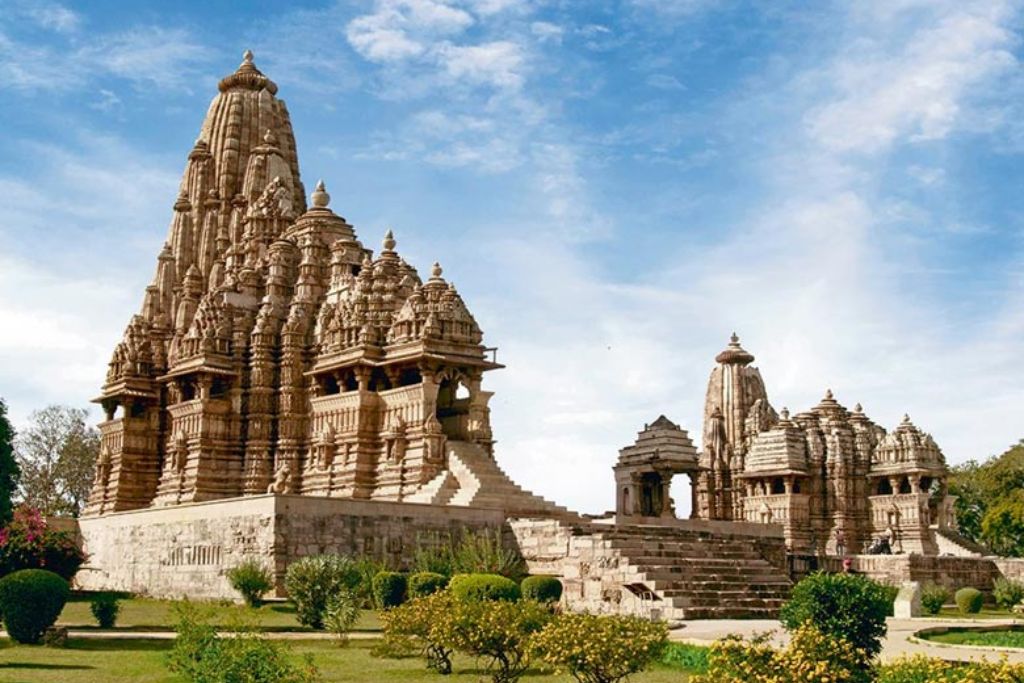
Chandela Rajputs built 85 temples (950-1050 CE); 25 remain with erotic carvings symbolizing life’s cycles. Western group most ornate. Entry: INR 600. Evening light show; modest dress required.
Nagda nearby adds stepped lakes. These rank among most famous historical monuments in India for intricate sculpture.
- Western Group: Kandariya Mahadeva’s 84 spires, 10% mithuna carvings-tantra life’s cycle, not literal.
- Evening light show (INR 500); airport 5 km-modest dress, no public affection.
- Dance fest Feb; cycle rentals link clusters (INR 100/day).
8. Hampi Ruins (Karnataka)
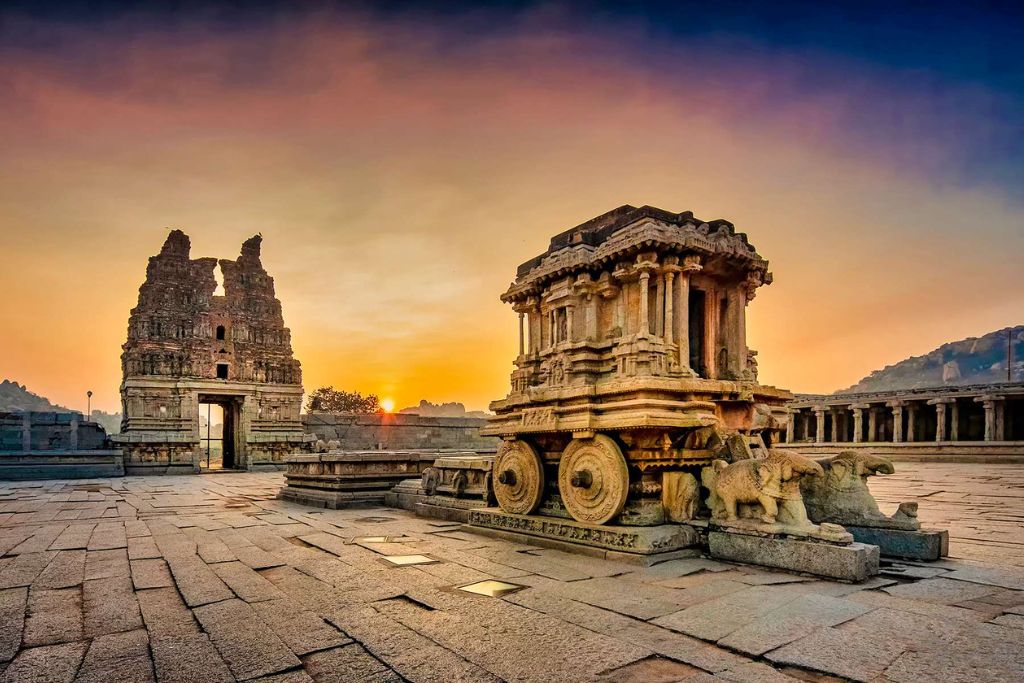
Vijayanagara capital (14th-16th CE) sprawls over 4,000 hectares: Virupaksha Temple, Vittala bazaar with musical pillars. Tungabhadra River views. Entry: INR 700. Rent cycles (INR 100/day); dawn balloon rides optional.
- Dawn cycles (INR 100) from Hampi Bazaar; Vittala stone chariot wheels “turn” unlocked.
- Coracle Tungabhadra rides (INR 300); sloth bear sanctuary nearby-avoid night walks.
- Light clothes, offline maps-patchy signal; modest temple wear.
9. Konark Sun Temple (Odisha)
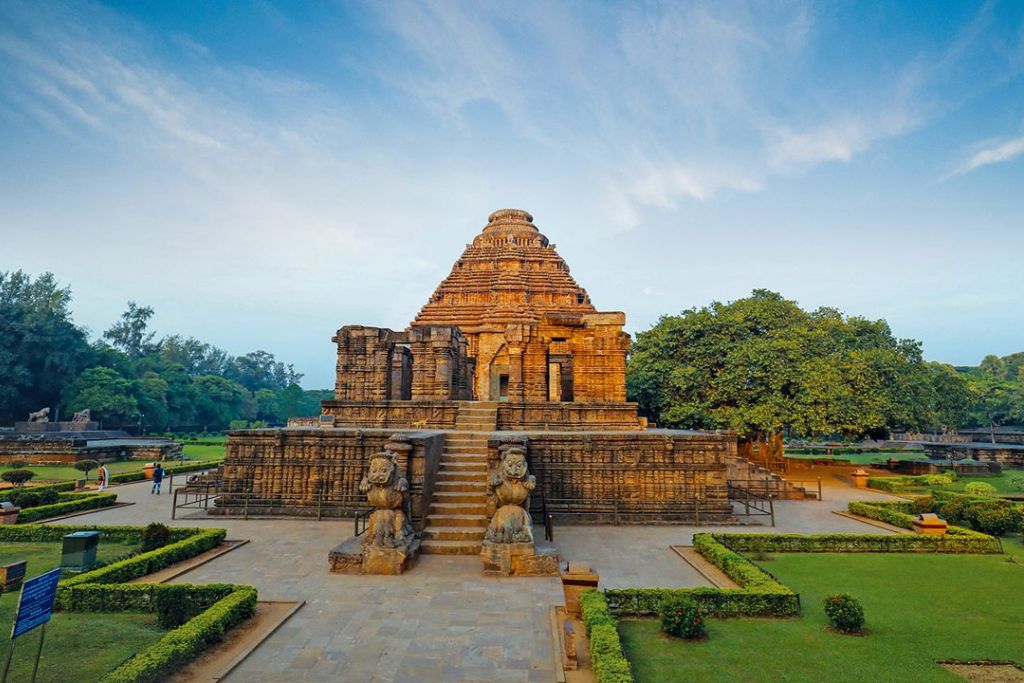
13th-century Kalinga “black pagoda” chariot-shaped for Surya god; wheels as sundials. Erosion from sea salt ongoing. Entry: INR 500. Sound-and-light Fridays; beach 3 km away.
- Chariot wheels (12 pairs) as sundials; Kalinga style: shikhara ruined, jagamohana intact.
- Dance hall pillars; sound-light Fridays (INR 500)-beach 3 km for Puri day trip.
- First light hits Surya sanctum historically; erosion from salt winds ongoing.
10. Gateway of India (Mumbai, Maharashtra)
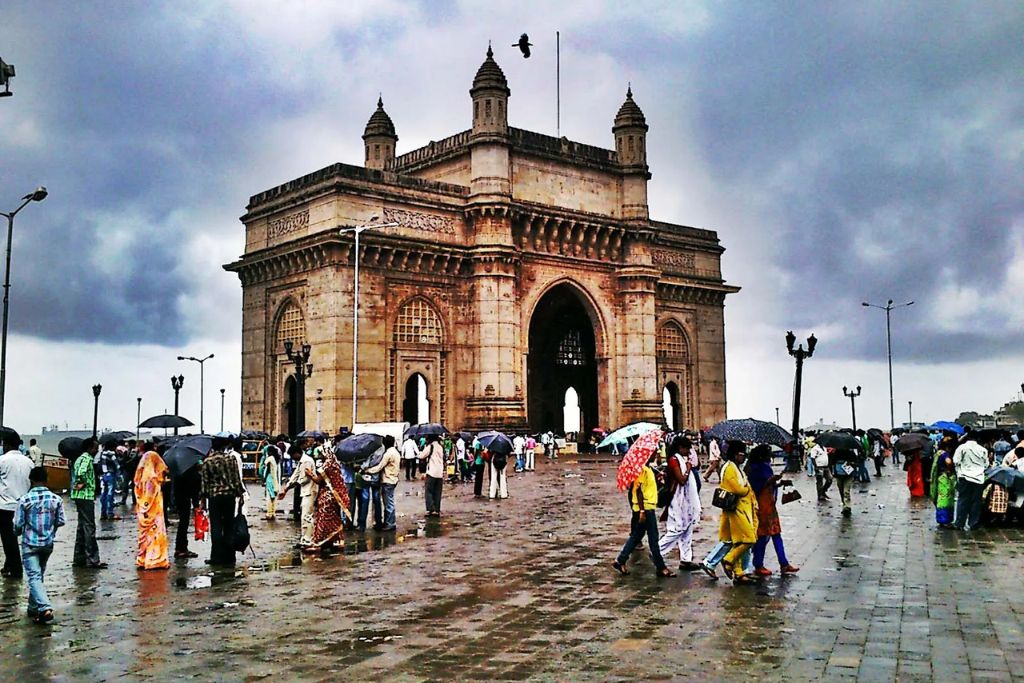
British-built 1924 arch for King George V; yellow basalt, Indo-Saracenic style. Ferry hub to Elephanta Caves. Free entry; boats INR 400 roundtrip. Evenings bustle with vendors.
- Indo-Saracenic yellow basalt arch (1924); Elephanta ferry (INR 400 roundtrip).
- Evenings vendor bustle; free entry-sunset ferries best.
- Mumbai local hub; no shoes on platforms nearby.
Practical Planning for Visits
Group by region to cut travel: Delhi-Agra (day train), Maharashtra caves (shared taxi).
- Tickets: ASI app for advance; combos save 20-30%.
- Guides: Official ones at gates (INR 500-1500); audio apps free.
- Stay: Budget guesthouses near sites (INR 1500/night); Agra hotels face Taj.
- Weather: Avoid June-Sept rains; winters mild 15-25°C.
- Connectivity: Trains link all; Uber in cities.
Restoration funds (e.g., Taj’s mud packs) keep most famous historical monuments in India pristine.
In summary, the most famous historical monuments in India-from Taj’s marble to Hampi’s boulders-span 2,000 years of stone-carved stories. They connect Delhi’s minarets to Konark’s wheels, inviting hands-on history. Pack light, book ahead, and let these 10 sites reshape your view of India’s layered past-one arch at a time. Next road trip? Start here. (Word count: 1624)
Also you can check out our blog about undiscovered places in himachal pradesh so that it can help you find the best route on your next trip.
Conclusion
India’s most famous historical monuments in India-from the Taj Mahal’s marble glow to Hampi’s boulder-strewn ruins-pack millennia of dynasties, faiths, and craftsmanship into stone. These 10 sites span Mughal red forts in Delhi and Agra, rock-cut caves of Ajanta-Ellora, Khajuraho’s carved spires, and Konark’s chariot wheels, each telling tales of emperors, pilgrims, and artisans. Grouped by region, they make efficient trips possible: hit Agra’s duo in a day, Maharashtra caves via taxi, or Karnataka-Odisha by flight.

Frenzy Holidays ensures a smooth and enriching travel experience from start to finish. You can visit us at Haware Centurion, S07/34, Nerul East, Sector 19A, Nerul, Navi Mumbai, Maharashtra 400706. For bookings or more information, call +91 7400453140, email [email protected], or visit www.frenzyholidays.com. So pack up and explore INDIA with frenzy holidays to have an unforgettable journey.
Most Famous Historical Monuments in India : FAQ
What are the most famous historical monuments in India?
Taj Mahal (Agra), Red Fort (Delhi), Qutub Minar (Delhi), Hampi Ruins (Karnataka), Ajanta-Ellora Caves (Maharashtra)-UNESCO sites drawing 10M+ visitors yearly.
Where is the Taj Mahal, a top historical monument in India?
Agra, Uttar Pradesh; built 1632 by Shah Jahan. Entry INR 1100; visit sunrise Tue-Sun, 30 min from Delhi by train.
Why visit Red Fort among India’s historical monuments?
Mughal palace (1648) in Delhi; flag-hoisting on Independence Day. INR 600 entry; evening light shows highlight halls.
How to reach Hampi, a famous historical monument in India?
Hospet (30 km), Karnataka; overnight trains from Bangalore. Entry INR 700; rent cycles to explore ruins.
What makes Ajanta Caves key historical monuments in India?
30 rock-cut Buddhist caves (2nd BCE-480 CE), Aurangabad. Frescoes depict Jatakas; INR 600, closed monsoons.
Best time for most famous historical monuments in India?
October-March; cooler weather at Taj, forts. Book online to avoid queues; early mornings clearest.
Entry fees for top historical monuments in India?
INR 50 Indians, 600-1100 foreigners (Taj/Agra Fort). ASI pass (INR 1500) covers multiples for 5 days.
Are Qutub Minar among most famous historical monuments in India?
Yes, Delhi’s 73m tallest brick minar (1193). Inscriptions in Arabic; INR 600, climb restricted.
How many UNESCO historical monuments in India?
43 sites including 10 listed here like Khajuraho, Konark. Taj tops visitor lists at 8M/year.
What to wear at historical monuments in India?
Cover shoulders/knees at temples (Khajuraho); hats for sun at forts. Shoes off inside; no plastics.
