
Positioned majestically in the Eastern Ghats of Andhra Pradesh, Araku Valley stands as a pristine hill station renowned for its breathtaking landscapes, coffee plantations, and tribal culture. For travelers with limited time, exploring the various places to visit in Araku in one day requires strategic planning. This comprehensive guide outlines a practical itinerary that covers the most essential attractions, ensuring you experience the valley’s diverse charm even with time constraints.
Confused where to go for quick escape? Let us plan it for you.
Grab the Best DealTable of Contents
Places to Visit in Araku in One Day : Quick Guide
Araku Valley remains accessible year-round, but each season offers distinct experiences, For most travelers, the post-monsoon period (September-November) offers optimal conditions for experiencing Araku valley visiting places, with natural attractions at their best while avoiding the heaviest rainfall.
| Season | Months | Advantages | Considerations |
|---|---|---|---|
| Post-Monsoon | September-November | Lush landscapes, active waterfalls, moderate temperatures | Occasional rain showers, slightly muddy paths |
| Winter | December-February | Coffee harvesting season, clear views, pleasantly cool weather | Chilly mornings and evenings requiring light woolens |
| Spring | March-April | Coffee flowering season, moderate crowds, comfortable temperatures | Gradually increasing temperatures |
| Summer | May-June | Lesser crowds, good accommodation availability | Warmer afternoons, reduced water flow in waterfalls |
| Monsoon | July-August | Intensely green landscapes, dramatic waterfalls | Potential for landslides, limited accessibility to some attractions |
You can also explore our affordable Kerala Tour package designed for Budget Travellers.
1. Chaparai Waterfalls (Dumbriguda Waterfalls)

Chaparai Waterfalls sets the right tone for an Araku day – and visiting early is the decision that makes everything else better.
The rock formations here are worth seeking out specifically. Natural step-like surfaces carved by centuries of flowing water, shallow pools collecting between levels, flat rocks warm from morning sun – it’s a waterfall you interact with rather than just photograph from a distance. Feet in cool mountain water, the sound of rushing water, a picnic on the rocks if you’ve planned ahead. Monsoon and post-monsoon months are when it fully delivers – water at proper volume, surrounding vegetation intensely green, the whole scene exactly as good as Araku’s reputation suggests.
Among the places to visit in Araku in one day, Chaparai is the natural starting point – unhurried, genuinely beautiful, and setting an expectation the valley consistently meets.
- Why to Visit: Ideal for picnics and nature photography; scenic rock formations and flowing streams.
- Tips: Visit post-monsoon for fuller falls; wear non-slippery footwear.
- Distance: 120 km from Vizag
- Entry Fee: Free
2. Tribal Museum
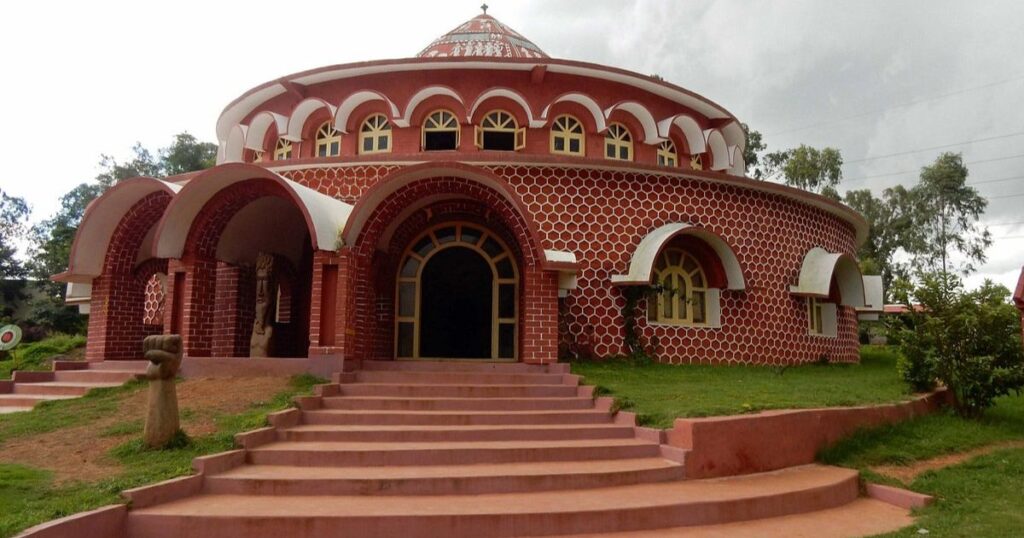
Tribal Museum is the stop that makes everything else in Araku more meaningful – and most people skip it, which is a genuine mistake.
The Eastern Ghats tribal communities – Khond, Gadaba, Kondadora and others – have been living in and around this valley for centuries, and the museum curates that story with enough care that it doesn’t feel like a textbook visit. Traditional weapons, musical instruments, agricultural tools, detailed models of tribal homes – each exhibit adding a layer of understanding that changes how you look at the villages, the landscapes, and the people you encounter for the rest of the day. The curation is thoughtful in the specific sense that context is provided rather than just objects displayed. You leave knowing something rather than just having seen something – and that distinction matters considerably when the culture you’re learning about is living rather than historical.
Among the places to visit in Araku in one day, the Tribal Museum earns its place early in the itinerary precisely because it reframes everything that follows. Spend an hour here before the waterfalls and coffee estates, and the whole day becomes more than just scenery.
- Why to Visit: Offers deep insight into the tribal lifestyle, crafts, and culture of Andhra Pradesh.
- Tips: Best visited with a guide for detailed understanding; photography might be restricted inside.
- Distance: 115 km from Vizag
- Entry Fee: ₹40 (Indians), ₹100 (Foreigners)
3. Padmapuram Gardens
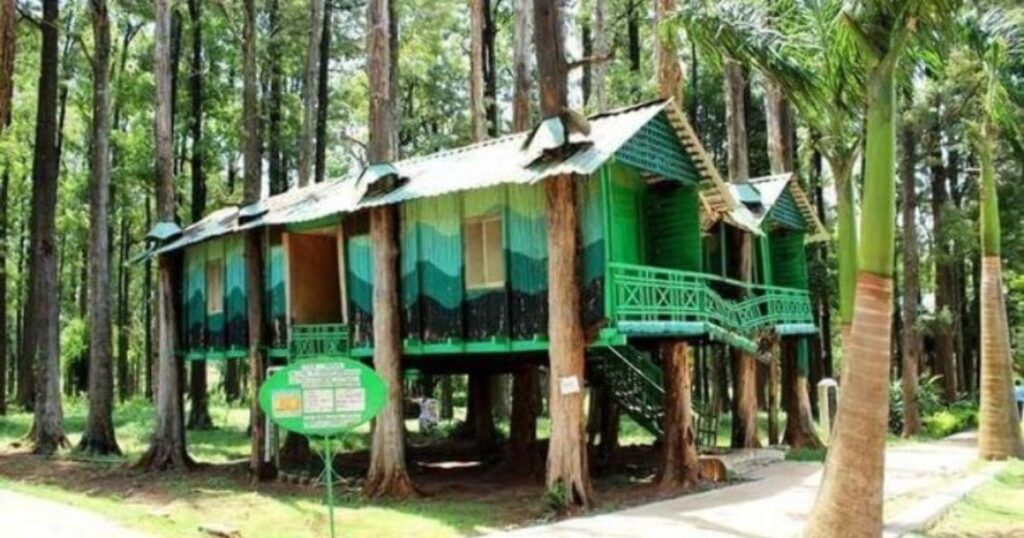
Padmapuram Gardens earns its place on the Araku itinerary without requiring much justification – 26 acres of managed botanical beauty that delivers genuine variety rather than just manicured lawns repeating themselves.
The flower collections and horticultural diversity give it substance beyond a pretty walk – this is a serious garden, not a decorative one. The hanging cottages suspended from trees are the visual detail most visitors remember and photograph – innovative enough that they’re worth seeing even if overnight stays aren’t part of the plan. The nursery tucked inside the complex is the unexpected highlight for anyone with even a passing interest in plants – saplings and varieties specific to this altitude and climate, reasonably priced, and the kind of living souvenir that beats anything sold in a gift shop.
For a day trip, Padmapuram works best as a mid-morning stop – unhurried enough to wander properly, contained enough that it doesn’t consume more time than the rest of the day allows.
Among the places to visit in Araku in one day, Padmapuram is the breathing space between more active stops – peaceful, botanically interesting, and quietly one of the better hours the valley offers.
- Why to Visit: Relax amid landscaped gardens, tree-top cottages, and floral displays.
- Tips: Ideal during mornings or late afternoons; kids will enjoy the toy train ride.
- Distance: 112 km from Vizag
- Entry Fee: ₹40
- Toy Train Ride: ₹150 approx.
4. Borra Caves

Stepping inside from Araku’s mountain air into caves that have been forming since before human history existed in this region produces a specific kind of perspective shift that outdoor attractions rarely manage. Stalactites and stalagmites in formations that lighting designers have worked with rather than against – the illumination enhancing natural drama without turning it into something artificial.
The Gosthani River flowing through the lowest level adds a sound dimension that cave visits don’t always have – water moving through rock in the dark, the acoustics carrying it further than expected. At 1,400 metres above sea level and roughly 200 metres deep, the temperature inside stays cool regardless of what the afternoon sun is doing outside – making the timing recommendation genuinely practical rather than just itinerary filler. The tribal legends connecting the caves to religious significance add a cultural layer that purely geological sites don’t carry. Local communities have found meaning here long before the formations were categorised by scientists, and that history of human relationship with the space gives it a texture that cave tourism elsewhere often lacks.
Among the places to visit in Araku in one day, Borra Caves is the non-negotiable – the one stop that every itinerary must include and that consistently delivers more than the photographs suggest.
- Why to Visit: Stunning stalactite and stalagmite formations; one of India’s largest caves.
- Tips: Carry a torch for better visibility; wear walking shoes as it involves uneven paths.
- Distance: 90 km from Vizag
- Entry Fee: ₹80 (Indians), ₹100 (Foreigners) Camera: ₹50 approx.
5. Coffee Museum
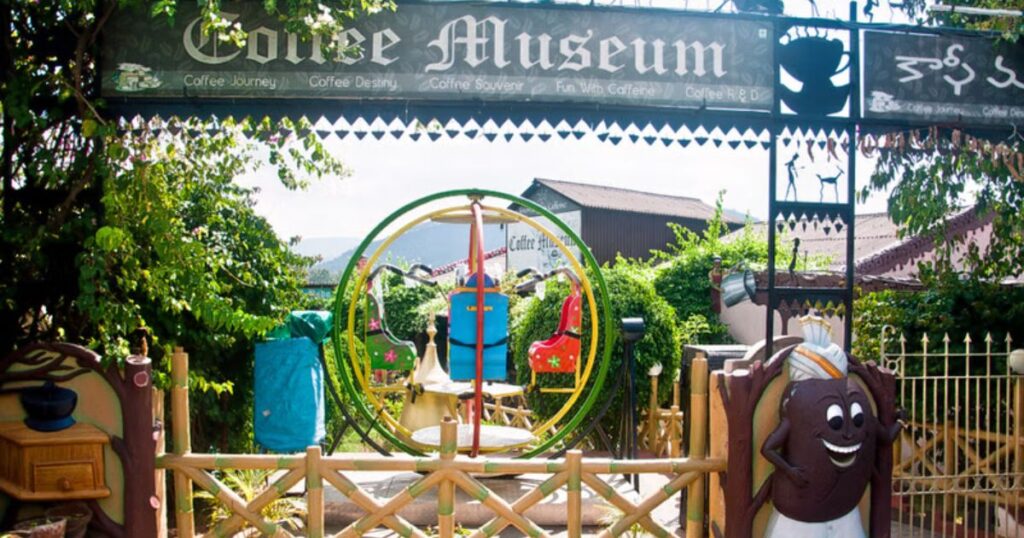
The valley’s microclimate – altitude, rainfall, temperature variation, tribal farming methods – produces Arabica beans with a flavour profile distinctive enough that Araku coffee has developed genuine international recognition. The museum traces that entire journey from soil conditions through cultivation, processing methods, and roasting with enough detail that the tasting session at the end lands differently than it would without the context.
The tasting itself is the highlight – not a promotional exercise but a genuine flavour education, different processing methods producing noticeably different cups from the same valley, the kind of sensory experience that changes how you drink coffee for months afterwards. The adjoining store handles the souvenir question better than most – freshly roasted beans, ground coffee, and related products that are genuinely worth buying rather than just conveniently available. Araku coffee travels well and tastes significantly better at home than the packaged alternatives lining supermarket shelves.
Among the places to visit in Araku in one day, the Coffee Museum is the one that combines education, experience, and a genuinely good reason to spend money on the way out – and does all three without feeling like a commercial operation dressed up as an attraction.
- Why to Visit: Learn about Araku’s coffee heritage; sample and shop for local brews.
- Tips: Great for coffee lovers; visit on weekdays for a less crowded experience.
- Distance: 115 km from Vizag
- Entry Fee: ₹20–₹30 approx.
6. Ananthagiri Coffee Plantations
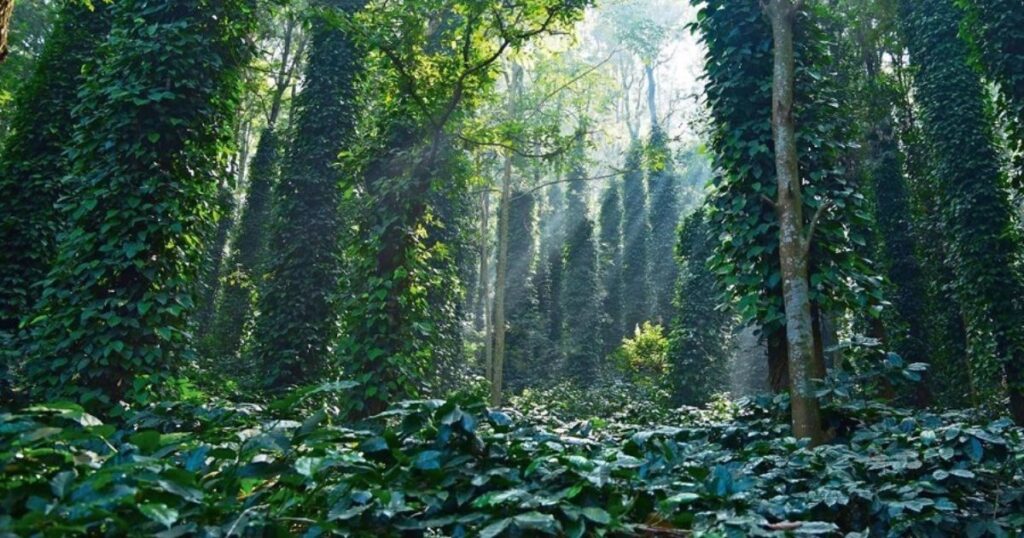
The estates here are working farms rather than visitor attractions that happen to grow coffee, and that distinction shows immediately. Rows of Arabica plants under shade trees on hillsides that explain visually why this microclimate produces what it does – the altitude, the canopy, the specific relationship between the plants and the surrounding forest all visible and logical in a way that no exhibit fully replicates.
Timing the visit adds a specific dimension worth planning around. January and February bring white blossoms covering the entire plantation – fragrant, visually extraordinary, and producing the kind of scene that rewards early morning visits specifically. November and December mean harvest activity – workers moving through the rows handpicking ripe cherries with a practiced efficiency that’s genuinely worth watching and understanding. Guided walks on most plantations cover traditional processing techniques – natural, washed, honey processing – with enough hands-on demonstration that the coffee tasting back at the museum makes complete sense retrospectively.
The surrounding hill views from the higher plantation sections are among the better Araku Valley panoramas available anywhere in the region – an incidental reward for being somewhere primarily for the agriculture.
Among the places to visit in Araku in one day, Ananthagiri Plantations is the one that connects everything together – the geology, the culture, the coffee, and the landscape all present simultaneously in a single working farm visit.
- Why to Visit: Serene walks through coffee estates; great for nature lovers and photographers.
- Tips: Early mornings are most pleasant; ask locals about guided tours if available.
- Distance: 80 km from Vizag
7. Galikonda Viewpoint

At 1,500 metres, the Eastern Ghats spread out in every direction – mist sitting in the valleys below, forested ridgelines layering into the distance, terraced fields catching light on slopes that have been cultivated for generations. It’s the view that makes the altitude feel like a gift rather than an achievement.
Afternoon is when the light does its best work here – warm tones on the terraces, longer shadows through the forest, valley mist picking up colour that flat midday light completely misses. Photography enthusiasts who’ve been shooting all day tend to save their best frames for this hour at this viewpoint. The path up requires minimal effort – enough to feel like arrival rather than just parking and walking ten metres, not enough to exclude anyone in the group. That accessibility without compromise on the view is Galikonda’s specific strength.
Among the places to visit in Araku in one day, Galikonda Viewpoint is the unhurried finale – a wide, beautiful, completely genuine panorama that asks very little and delivers the kind of last image that makes the drive home considerably more pleasant.
- Why to Visit: Offers panoramic views of the Eastern Ghats; one of the highest viewpoints in the area.
- Tips: Carry a light jacket as it gets windy; best during sunrise or sunset.
- Distance: 100 km from Vizag
8. Tyda Park (Jungle Bells Nature Park)
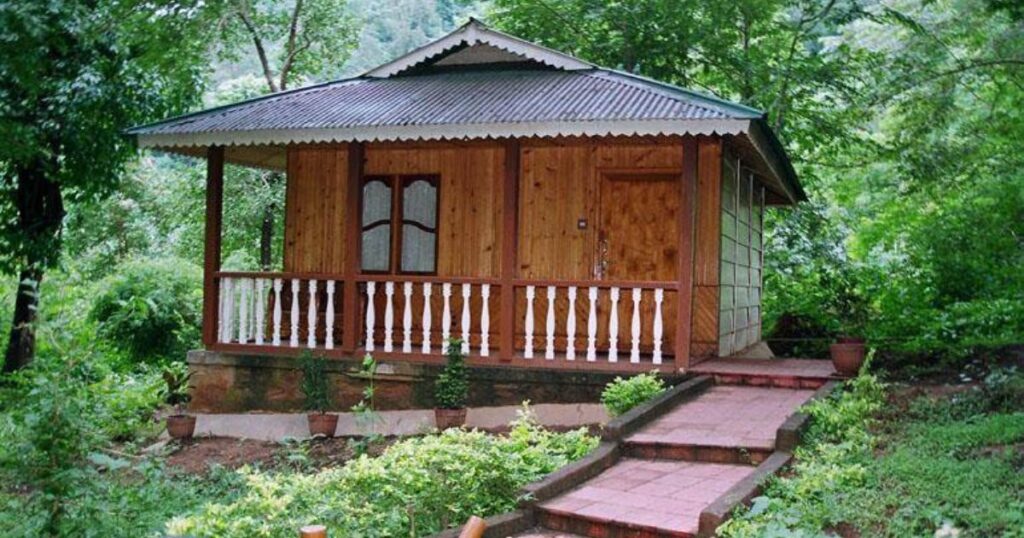
Positioned on the road back toward Visakhapatnam, it fits naturally into the late afternoon without requiring a detour or a decision. Nature trails through preserved forest that haven’t been cleared for visitor convenience – actual forest, with the native flora and fauna that implies. The kind of walking that slows the pace down after a full day of viewpoints and caves and coffee estates.
The adventure zone adds a gear shift for anyone whose energy hasn’t followed the expected afternoon decline – zipline and rope courses that aren’t elaborate enough to require significant time commitment but active enough to wake up legs that have been in a car. Children in particular find this section extends the day considerably beyond what parents anticipated. The biodiversity museum inside the complex ties the day together in a way that’s more satisfying than it sounds – local conservation context, information about what you’ve been moving through all day, the Eastern Ghats ecosystem explained in a way that makes the forest trails immediately more interesting.
Among the places to visit in Araku in one day, Tyda Park is the thoughtful final stop – unhurried, varied, and sending you back toward Vizag with enough energy remaining that the journey home feels like part of the trip rather than just the end of it.
- Why to Visit: Adventure activities, birdwatching, and eco-tourism stay options.
- Tips: Pre-book activities like rock climbing or archery; ideal for overnight stays.
- Distance: 75 km from Vizag
9. Katiki Waterfalls
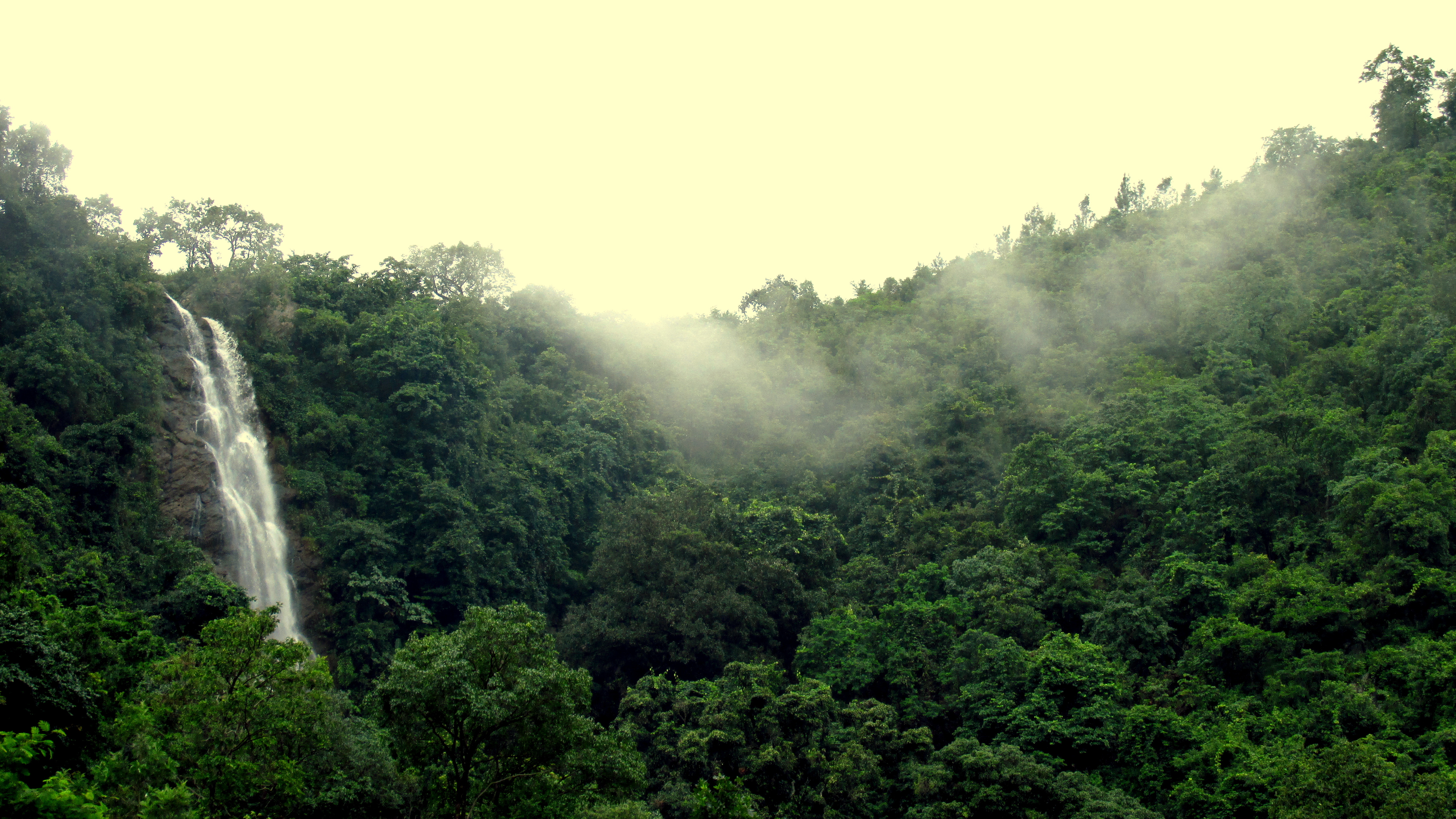
One kilometre through coffee plantations and forest paths – enough to feel like a genuine approach rather than just walking from a car park, not enough to require preparation or fitness beyond a normal day’s walking. The trail itself is part of the experience, moving through plantation shade with the sound of water arriving before the falls become visible, building anticipation in the way good trekking always does.
The falls themselves drop fifty feet through dense jungle surroundings – not the most dramatic waterfall in the region, but framed by forest in a way that makes the setting more beautiful than the height alone suggests. The natural pool at the base handles the inevitable question of whether to get in – cool, clear, and refreshing enough that most visitors who ask the question end up answering it the same way. Slightly off the main tourist circuit means the crowds that follow the standard Araku itinerary don’t always make it here – which gives Katiki a quality of genuine discovery that more accessible falls have largely lost.
Among the places to visit in Araku in one day, Katiki Waterfalls is the detour that earns itself completely – a short trek, a beautiful payoff, and a natural pool that makes the afternoon considerably more memorable than it would have been without the diversion.
- Why to Visit: A picturesque waterfall set amidst dense forest, accessible via a scenic trek.
- Tips: Requires a short hike-wear trekking shoes; carry water and snacks.
- Distance: 95 km from Vizag
- Entry Fee: ₹20–₹30 (local fee)
- Parking: Extra
10. Dhimsa Tribal Dance Performance
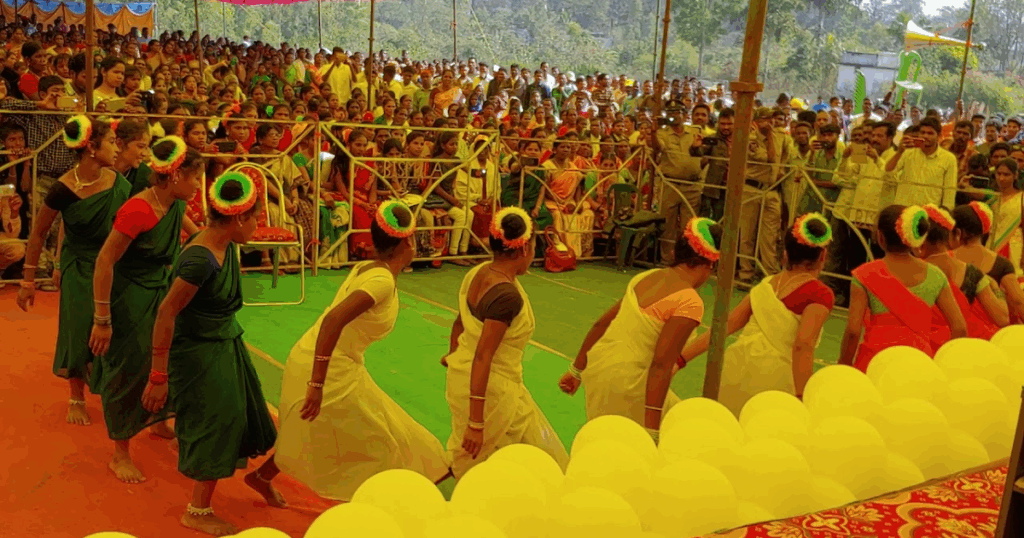
This vibrant folk dance performed by tribal communities features rhythmic movements, colorful costumes, and hypnotic music played on traditional instruments. Performances typically last 30-45 minutes, offering valuable insights into tribal artistic expressions. Many Araku sightseeing packages include these cultural performances, though spontaneous attendance may require advance inquiry about scheduled events.
- Why to Visit: Authentic folk dance showcasing tribal culture and storytelling through music.
- Tips: Check performance timings in advance; evenings are best for cultural events.
- Distance: 115 km from Vizag
Also you can check out our blog about Hidden Places in Panchgani so that it can help you find Hidden places on your next trip.
Timings of Araku Valley
Araku Valley is open to visitors throughout the week, making it an easy destination to include in any travel plan. The valley generally follows standard visiting hours from morning to evening, allowing tourists ample time to explore its scenic beauty, coffee plantations, and nearby attractions at a relaxed pace.
- Monday to Sunday: 9:00 AM – 5:00 PM
- Open all days of the week
- Best time to visit: Morning hours for pleasant weather and clear views
- Ideal duration: 4–6 hours to explore nearby attractions comfortably
Transportation Options
Several transportation modes facilitate travels in Araku Valley:
- Local Transport: Within Araku, auto-rickshaws and taxis can be hired for moving between nearby attractions, though pre-arranging a vehicle for the entire day typically proves more efficient.
- Train: The Visakhapatnam-Kirandul passenger train offers a scenic journey through tunnels and bridges, departing early morning from Visakhapatnam and returning in the evening.
- Private Vehicle: Hiring a car from Visakhapatnam provides maximum flexibility for visiting multiple attractions efficiently, particularly important when trying to cover places to visit in Araku in one day.
- Organized Tours: Many operators offer comprehensive Araku sightseeing packages that include transportation, guided visits, and sometimes meals, optimizing time management for day-trippers.
Essential Tips for Day-Trippers
Maximize your single day in Araku with these practical suggestions:
- Early Start: Depart Visakhapatnam by 6:00 AM to reach Araku by approximately 9:00 AM, allowing a full day of exploration.
- Prioritize Attractions: With limited time, focus on the top 5-6 attractions rather than attempting to cover everything, ensuring quality experiences rather than rushed visits.
- Logical Routing: Organize your itinerary based on geographical proximity to minimize travel time between sites.
- Mobile Connectivity: Download offline maps as mobile connectivity can be intermittent in parts of Araku.
- Comfortable Footwear: Several attractions require moderate walking or light trekking, making comfortable shoes essential.
- Cash Availability: Carry sufficient cash as ATM facilities remain limited in the valley.
- Group Travel Advantages: For solo travelers or small groups, joining group tour packages from Mumbai or other major cities can provide both economic benefits and enhanced social experiences while exploring the best places in Araku.
Conclusion:
Though truly experiencing all of Araku’s treasures ideally requires a longer stay, strategic planning allows visitors to sample the valley’s essential highlights even within a single day’s constraints. From the geological marvel of Borra Caves to the cultural richness of tribal heritage, from agricultural innovations in coffee cultivation to pristine natural landscapes, the places to visit in Araku in one day offer a diverse tapestry of experiences that leave lasting impressions.

Frenzy Holidays ensures a smooth and enriching travel experience from start to finish. You can visit us at Haware Centurion, S07/34, Nerul East, Sector 19A, Nerul, Navi Mumbai, Maharashtra 400706. For bookings or more information, call +91 7400453140, email [email protected], or visit www.frenzyholidays.com. So pack up and explore INDIA with frenzy holidays to have an unforgettable journey.
Places to Visit in Araku in One Day: FAQs
Can Araku Valley be covered in a single day?
Yes, the essential places to visit in Araku in one day can be covered with proper planning, though a two-day trip allows for more relaxed exploration. Prioritizing 5-6 key attractions ensures meaningful experiences rather than rushed visits.
What is the best way to reach Araku from Visakhapatnam?
While the train journey offers scenic beauty, hiring a private vehicle provides maximum flexibility for day-trippers, allowing efficient movement between attractions. The road journey takes approximately 3 hours one way, compared to 4-5 hours by train.
Which are the unmissable top 10 places to visit in Araku Valley?
If limited to just the essential experiences, prioritize Borra Caves, Tribal Museum, Coffee Museum, Chaparai Waterfalls, Padmapuram Gardens, coffee plantations, Galikonda Viewpoint, local markets, tribal cuisine experiences, and Katiki Waterfalls.
Are Araku sightseeing packages worth booking?
Organized packages often provide value through time efficiency, informative guides, and prearranged logistics, particularly beneficial for day-trippers unfamiliar with the region. They typically include transportation, entrance fees, and sometimes meals.
What are the best places in Araku for photography?
Galikonda Viewpoint, Borra Caves (with appropriate lighting equipment), coffee plantations, waterfalls, and tribal villages offer the most photogenic settings, with morning and late afternoon providing optimal natural lighting.
What local products should I purchase from Araku?
Araku coffee, tribal handicrafts, bamboo products, organic honey, and spices make authentic souvenirs that support local communities while providing lasting mementos of your visit.
Is Araku suitable for elderly visitors with mobility limitations?
While some attractions like Padmapuram Gardens, Coffee Museum, and portions of Tribal Museum remain accessible, others such as waterfalls and caves present challenges for visitors with mobility issues. Private transportation and selective itineraries can accommodate various accessibility needs.
When is coffee flowering and harvesting season in Araku?
Coffee typically flowers between January and February, transforming plantations with fragrant white blossoms, while harvesting occurs from November through December, offering opportunities to observe different phases of production.
What dishes should I try during my Araku visit?
Don’t miss bamboo chicken (chicken cooked inside bamboo stems), puttareku (steamed rice cake in leaves), ragi sankati (finger millet balls), and locally grown strawberries when in season.
How does weather affect visits to Araku Valley tourist spots?
Monsoon season (July-August) creates spectacular waterfalls but may limit accessibility due to occasional landslides, while winter (December-February) offers clear mountain views but requires warm clothing, especially in early mornings and evenings.
