
Bhutan is one of the most extraordinary travel experiences available to Indian passport holders, and choosing the best time to visit Bhutan from India makes a significant difference to what you encounter when you arrive. Indian citizens have the remarkable advantage of being able to enter Bhutan without a visa using only a valid passport or voter ID, with no requirement to pay the Sustainable Development Fee that all other nationalities must pay.
Have you ever wondered which is the best time to visit Bhutan from India if you specifically want to attend the Paro Tshechu festival, or the best season for high-altitude trekking to Tiger’s Nest in comfortable conditions? Or are you planning a Bhutan trip in 2026 and trying to decide between spring, autumn, summer, and winter? This guide covers the best time to visit Bhutan from India season by season, with festival dates, activity recommendations, and practical tips for Indian travelers.
Confused where to go for quick escape? Let us plan it for you.
Grab the Best DealTable of Contents
The Best Time to Visit Bhutan from India: Quick Overview
| Season | Months | Temperature | Best For |
| Spring | March to May | 4 to 20 degrees C | Festivals, trekking, rhododendrons |
| Summer / Monsoon | June to August | 15 to 35 degrees C | Green landscapes, fewer tourists, budget travel |
| Autumn | September to November | 5 to 18 degrees C | Trekking, clear mountain views, festivals |
| Winter | December to February | Minus 5 to 12 degrees C | Snow scenery, peaceful travel, lower costs |
Bhutan is an outstanding short international trip from eastern India. Our guide on Offbeat Places Near Siliguri covers the region around the main Indian gateway city to Bhutan, helping you plan a combined Darjeeling-Bhutan or Sikkim-Bhutan itinerary.
Why Timing Matters for Indian Travelers Visiting Bhutan
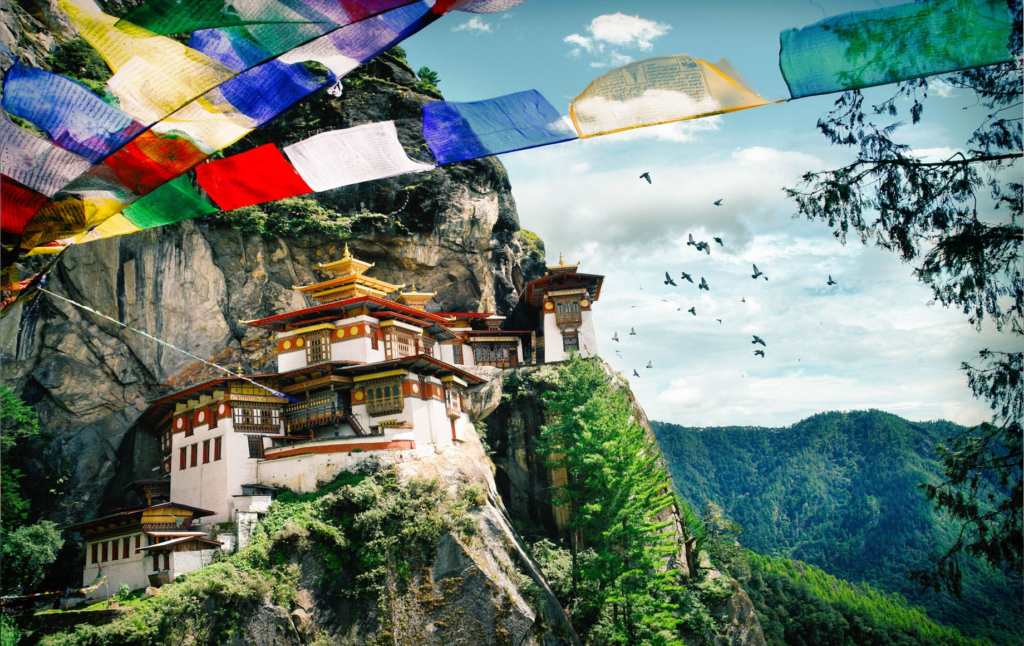
Bhutan is a small country with dramatic terrain and a climate that varies considerably between its lowland subtropical south, its temperate central valleys around Thimphu and Paro, and its high-altitude north where passes above 4,000 metres are blocked by snow for much of the year. The best time to visit Bhutan from India depends on which parts of the country you plan to see and which experiences you prioritise.
Spring: March to May
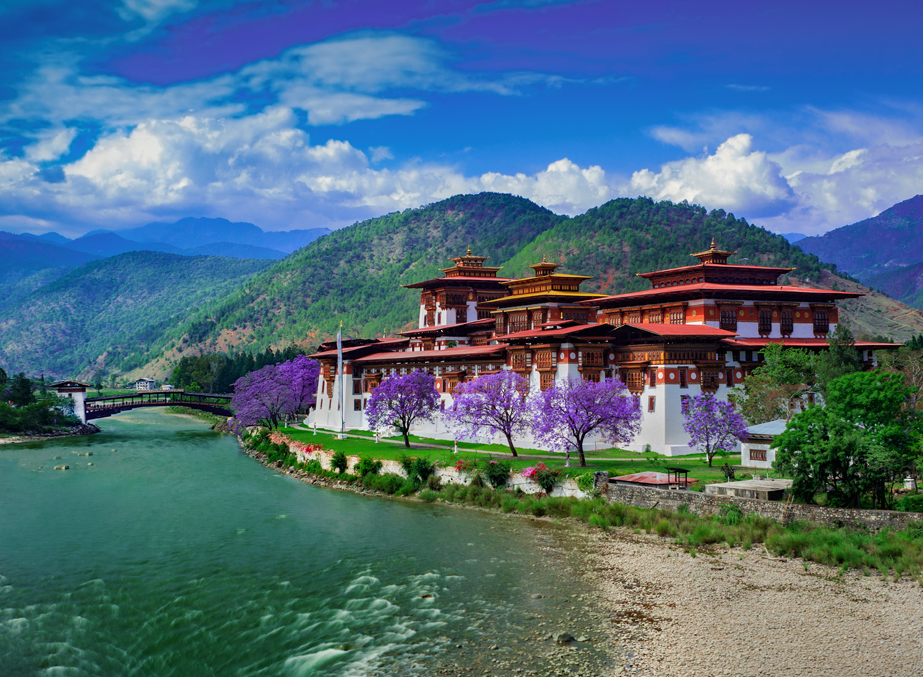
Spring is the best time to visit Bhutan from India for the classic Bhutan experience that combines spectacular natural beauty with cultural celebration. The valleys of Paro and Punakha transform from their winter severity into a landscape of extraordinary colour from March onward, when rhododendrons bloom across the hillsides in shades of red, pink, and white, and the apple and cherry orchards fill with blossom. Temperatures in the central valleys sit comfortably between 10 and 20 degrees during the day, with clear skies that reveal the full profile of the Himalayan peaks.
The most popular season for Indian travelers. Rhododendrons bloom, Himalayan peaks are clear, and two of Bhutan’s biggest festivals take place. May offers the best pre-monsoon sky clarity for the Tiger’s Nest hike.
- Temperature: 4 to 20 degrees C in central valleys; cooler at higher altitudes
- Weather: Clear, dry, and increasingly warm; occasional afternoon showers from late May
- Things to Do: Attend the Paro Tshechu mask dance festival and the dawn Thongdrel unveiling; hike to Tiger’s Nest (Taktsang Monastery) above the Paro valley; visit the Punakha Dzong surrounded by blooming jacaranda and mustard fields; trek in Bumthang valley for the Ura Yakchoe festival; walk the rhododendron trails above Thimphu
- Festivals: Paro Tshechu (March or April); Ura Yakchoe (April or May)
- Best for: Festivals, rhododendron blooms, Tiger’s Nest hike, Himalayan views, trekking
Must-Experience Spring Festivals:
- Paro Tshechu (March or April): Mask dances at Paro Dzong with the dawn Thongdrel unveiling.
- Ura Yakchoe (April or May): A spiritually significant festival in Bumthang valley.
Summer and Monsoon: June to August
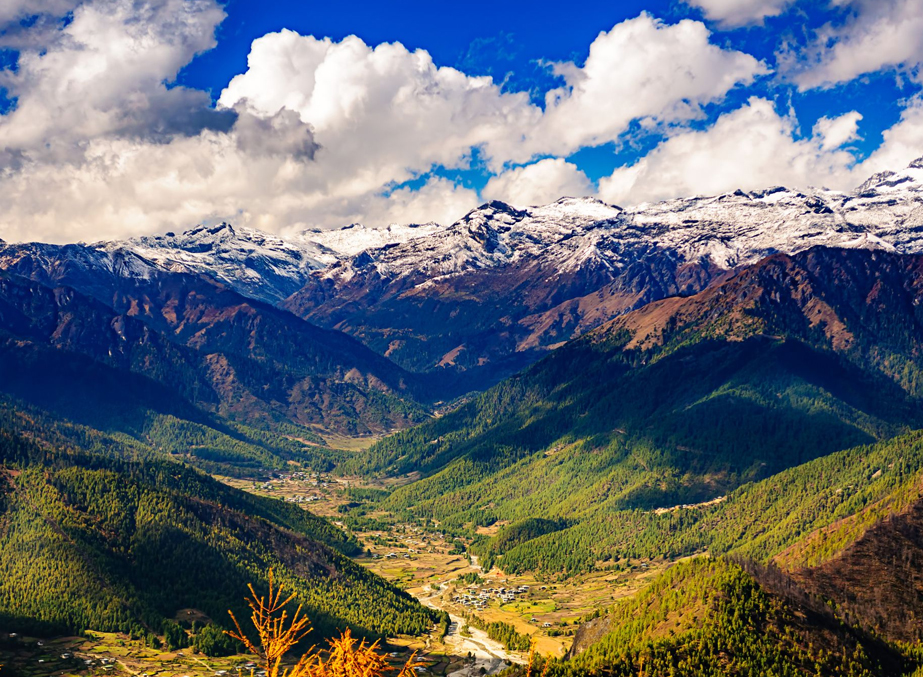
June to August is the monsoon season in Bhutan and the time least recommended by most travel guides, but it has genuine rewards for the right kind of traveler.
The least visited season but genuinely rewarding for the right traveler. Bhutan turns intensely green, waterfalls emerge on every hillside, and crowds at Tiger’s Nest and Punakha Dzong drop significantly.
- Temperature: 15 to 35 degrees C in lower valleys; cooler at higher altitudes
- Weather: Heavy monsoon rainfall; mist-draped monasteries; mountain views largely cloud-covered; leechy trails at altitude
- Things to Do: Visit Tiger’s Nest with far fewer tourists than spring or autumn; explore the lush rice paddies and waterfalls of Punakha valley; attend the Haa Summer Festival in July for yak culture and nomadic Bhutanese food; walk through monsoon-green Thimphu streets and local markets
- Festivals: Haa Summer Festival (July)
- Best for: Green landscape photography, budget travel, quiet sightseeing, Haa Summer Festival
- Avoid if: You specifically want clear Himalayan views or high-altitude trekking
- Must-Experience Summer Festival: Haa Summer Festival (July): Nomadic traditions, yak culture, and highland Bhutanese food.
For Indian travelers who want to visit Bhutan in June specifically, our guide on Best Places to Visit in June in Asia covers the broader Asia summer travel landscape and explains why the Bhutan monsoon season can be genuinely rewarding for the right traveler.
Autumn: September to November
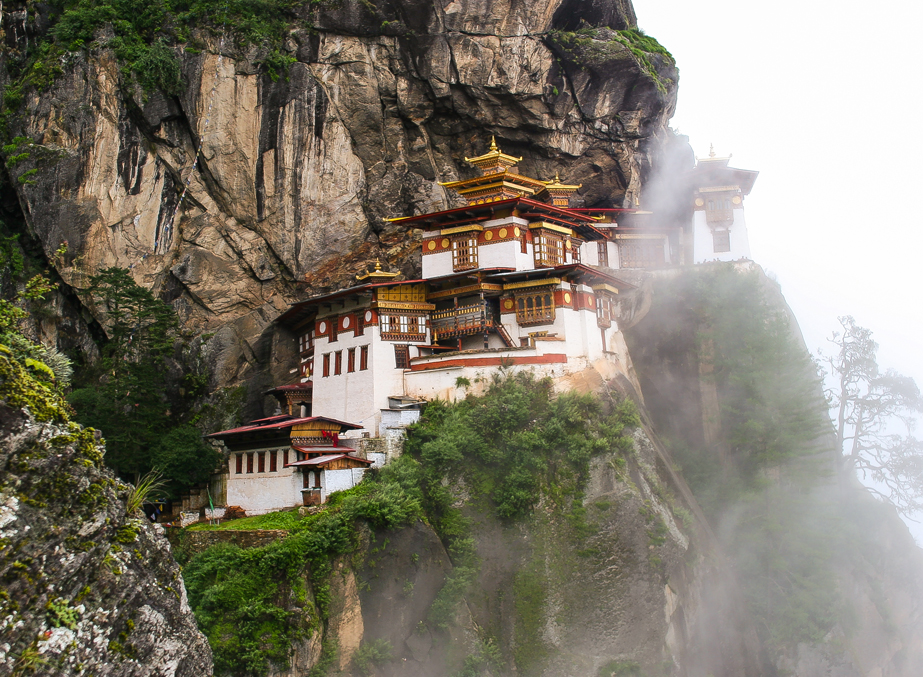
Autumn is the joint-best time to visit Bhutan from India alongside spring, and many experienced Bhutan travelers prefer it. The monsoon has retreated by late September, washing the atmosphere clean and leaving the Himalayan views at their clearest and most dramatic of the entire year. The hillsides of Paro and Thimphu are still green from the monsoon but beginning to turn gold as October progresses, and the light in autumn has a quality that makes the valley landscapes, the whitewashed dzongs, and the forested ridges genuinely luminous.
Joint-best season alongside spring. The monsoon clears in late September leaving the Himalayan views at their absolute clearest. October and November are stable, dry, and deeply rewarding for trekking and festivals.
- Temperature: 5 to 18 degrees C in central valleys; cold at night from October
- Weather: Crystal clear skies after the monsoon; dry and stable; increasingly cold from November onward
- Things to Do: Hike Tiger’s Nest in the finest visibility of the year; view the full Himalayan panorama from Dochula Pass; attend the Thimphu Tshechu mask dances at Tashichho Dzong; witness the ancient Jambay Lhakhang Drup fire dance in Bumthang; walk the Punakha valley trails in the golden autumn light
- Festivals: Thimphu Tshechu (September or October); Jambay Lhakhang Drup (October or November)
- Best for: Clear mountain views, trekking, Tiger’s Nest hike, autumn colour, festivals
Winter: December to February
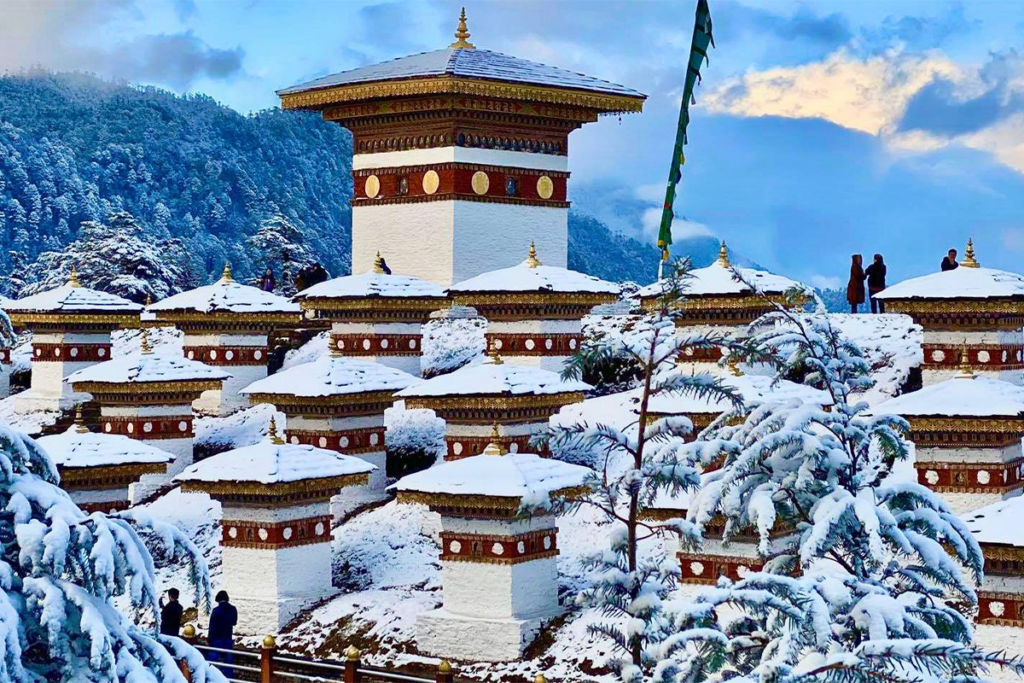
Winter is the least visited but most peaceful time in Bhutan, and for certain types of travel it is genuinely excellent. The temperatures drop sharply, particularly in December and January when nights in Paro and Thimphu can reach minus 5 to minus 10 degrees Celsius and the higher passes receive heavy snowfall. However, the lower valleys including Punakha, which sits at around 1,200 metres altitude, remain relatively mild in winter and experience warm sunny days that make it the most comfortable place to visit in Bhutan during the cold months.
The quietest and most affordable season. Cold in Thimphu and Paro but Punakha valley is mild and sunny. The intimacy of winter Bhutan, with wood smoke and quiet streets, has a quality that the busier seasons cannot replicate.
- Temperature: Minus 5 to minus 10 degrees C at night in Thimphu and Paro; Punakha milder at 8 to 18 degrees day
- Weather: Cold and dry in the central valleys; snow at higher passes; Punakha warm and sunny on clear days
- Things to Do: Visit the Punakha Dzong surrounded by blooming jacaranda against snow-capped peaks; attend the Punakha Tshechu in February for mask dances and the ancient thangka display; walk the quiet winter streets of Thimphu and Paro; hike Tiger’s Nest on a clear winter day with empty trails; explore dzongs and monasteries without crowds
- Festivals: Punakha Tshechu (February or March)
- Best for: Punakha valley, peaceful travel, lowest costs, snow scenery, intimate cultural experience
- Avoid if: You want high-altitude trekking or guaranteed warm weather throughout
The Best Time to Visit Bhutan from India by Activity
For Festivals: March to May for Paro Tshechu and Ura Yakchoe. September to November for Thimphu Tshechu and Jambay Lhakhang Drup. February for Punakha Tshechu.
For Tiger’s Nest Hike: March to May and September to November for the clearest conditions and most comfortable temperatures on the trail.
For Himalayan Mountain Views: October and November offer the clearest post-monsoon skies and the most unobstructed Himalayan panoramas from viewpoints like Dochula Pass.
For Trekking: Spring and autumn for the most accessible and rewarding high-altitude routes. Summer trekking is possible but trails are wet and leechy.
For Budget Travel: June to August and December to January offer the lowest accommodation and package prices, as visitor numbers are significantly lower.
For Rhododendron Blooms: March and April in the central valleys and on hillside trails above Paro and Thimphu.
For a Quiet and Intimate Experience: November to February, when Bhutan is at its most peaceful and the cultural experience feels most genuinely unhurried.
Practical Tips for Indian Travelers Visiting Bhutan
Indian citizens do not require a visa for Bhutan and are exempt from the Sustainable Development Fee of USD 100 per day that applies to all other nationalities. A valid Indian passport or Aadhaar card is sufficient for entry at official border crossings. The most convenient land entry from India is at Phuentsholing, which connects directly to West Bengal and the train network via the Siliguri junction. Paro International Airport receives direct flights from Kolkata, Delhi, Mumbai, and Bagdogra, making air entry increasingly practical.
Festival dates in Bhutan follow the Bhutanese lunar calendar and shift slightly from year to year. Always confirm exact festival dates for your year of travel before booking, as the difference of a week can mean the difference between attending a festival and missing it entirely.
For travelers combining Bhutan with a broader Northeast India itinerary, our guide on Best Places to Visit in June July Outside India covers the summer travel landscape across South and Southeast Asia and helps frame the Bhutan decision within a broader trip.
Places You Should Not Miss While Exploring Bhutan
- Tiger’s Nest (Taktsang Monastery): Bhutan’s most iconic landmark, clinging to a cliff face 900 metres above the Paro valley. A 2 to 3 hour hike each way. Best visited in spring or autumn for the clearest views.
- Punakha Dzong: Considered the most beautiful dzong in Bhutan, sitting at the confluence of two rivers with snow peaks behind. Particularly spectacular in winter and spring when surrounding flowers are in bloom.
- Dochula Pass: A mountain pass at 3,100 metres between Thimphu and Punakha, lined with 108 chortens and offering some of the finest panoramic Himalayan views in the country on clear days.
- Thimphu: Bhutan’s capital and only true city, with the National Memorial Chorten, the Tashichho Dzong, the weekend market, and a lively cafe and handicraft scene.
- Paro: The country’s most visited valley, home to Tiger’s Nest, the only international airport, the National Museum, and ancient dzongs set against a wide green valley floor.
- Bumthang: The spiritual heartland of Bhutan with four valley systems, ancient temples including Jambay Lhakhang, and some of the finest trekking terrain in the country.
- Haa Valley: A remote and rarely visited valley near the Tibet border, accessible by road and offering an authentic glimpse of rural Bhutanese life away from the main tourist circuit.
- Gangtey Valley: Home to the black-necked crane migration sanctuary and the Gangtey Monastery, one of the most atmospheric dzong complexes in Bhutan set above a wide open grassland valley.
Conclusion
The best time to visit Bhutan from India is spring (March to May) for the festivals and rhododendron landscape, and autumn (September to November) for the clearest mountain views and post-monsoon freshness. Both seasons are exceptional and the choice between them largely comes down to which festivals you want to attend. Summer is rewarding for those who appreciate lush green landscapes and fewer crowds. Winter offers deep peace and the most affordable prices. Whatever season you choose, Bhutan offers Indian travelers one of the most extraordinary and accessible international experiences available anywhere in the world.

Frenzy Holidays ensures a smooth and enriching travel experience from start to finish. You can visit us at Haware Centurion, S07/34, Nerul East, Sector 19A, Nerul, Navi Mumbai, Maharashtra 400706. For bookings or more information, call +91 7400453140, email [email protected], or visit www.frenzyholidays.com. So pack up and explore the world with Frenzy Holidays for an unforgettable journey.
The Best Time to Visit Bhutan from India: FAQs
What is the best time to visit Bhutan from India?
March to May and September to November. Both offer comfortable weather, clear views, and Bhutan’s most important festivals.
Do Indian citizens need a visa for Bhutan?
No. Indian citizens can enter Bhutan with a valid passport or Aadhaar card and are exempt from the
When is the Paro Tshechu festival?
March or April annually, following the Bhutanese lunar calendar. Confirm the exact date for your year of travel before booking.
Is Bhutan good to visit in summer?
Yes, for green landscapes, fewer crowds, and lower costs. Mountain views are partially obscured by monsoon cloud, and high-altitude trekking is more difficult.
What is the cheapest time to visit Bhutan for Indian travelers?
June to August and December to January, when visitor numbers are lowest and accommodation prices are at their lowest.
How do Indian travelers reach Bhutan?
By road via Phuentsholing (connected to Siliguri and West Bengal), or by air via Paro International Airport from Kolkata, Delhi, Mumbai, and Bagdogra.
Can I visit Tiger’s Nest in winter?
Yes, the trail is open in winter and can be beautiful on clear winter days. However, icy conditions and low temperatures require proper preparation.
What is the Punakha Tshechu?
A mask dance festival held at Punakha Dzong in February or March, one of the most beautiful festival settings in Bhutan during the winter-to-spring transition.
Which month has the clearest Himalayan views in Bhutan?
October and November, when the post-monsoon atmosphere is at its clearest and the views from Dochula Pass and other viewpoints are at their most dramatic.
Is November a good time to visit Bhutan from India?
Yes. November is one of the most recommended months: stable clear weather, post-festival quiet, comfortable temperatures, and the landscape at its most peacefully beautiful.
