
Norway is one of the most extraordinary travel destinations in the world, and knowing the best time to visit Norway makes a fundamental difference to what you experience when you arrive. Norway is genuinely a year-round destination, but each season offers something entirely different: summer brings the midnight sun and fjord cruises in full daylight, autumn delivers golden forests and the first Northern Lights, winter gives you snow-covered mountain villages and the best aurora sightings of the year, and spring arrives with waterfalls in full flow and a landscape that feels like it is waking up from a deep sleep. The right time to visit Norway depends entirely on what you want to see and do.
Have you ever wondered whether the best time to visit Norway for the Northern Lights is the same as the best time for fjord hiking? Or are you planning a Europe trip from India in 2026 and trying to decide when to fit Norway into your itinerary? This guide covers the best time to visit Norway month by month, by activity, and by budget, so Indian travelers can plan a trip that matches what Norway actually looks like when they arrive.
Confused where to go for quick escape? Let us plan it for you.
Grab the Best DealTable of Contents
Best Time to Visit Norway: Quick Overview
| Season | Months | Best For | Weather |
| Spring | April to May | Waterfalls, fewer crowds | 5 to 15 degrees |
| Summer | June to August | Midnight sun, fjords, hiking | 15 to 25 degrees |
| Autumn | September to October | Northern Lights begin, foliage | 5 to 15 degrees |
| Winter | November to March | Northern Lights peak, snow, skiing | Minus 10 to 5 degrees |
Norway is one of Europe’s most dramatic travel destinations. For a broader European trip budget, our guide on the Cheapest Countries in Europe covers how to combine Norway with more affordable European destinations on a single trip.
What Affects the Best Time to Visit Norway
Three factors above all others determine when to visit Norway: daylight, weather, and crowds. Norway sits far north on the map and the seasonal swings in daylight are extreme. In winter, many Norwegian towns see no direct sunlight for weeks and the days are reduced to a few hours of pale twilight. In summer, the opposite is true: northern Norway experiences the midnight sun, when the sun does not set at all for weeks in June and July, and even southern Norway enjoys nearly 20 hours of daylight in midsummer. Understanding this before you plan your trip is essential, because the best time to visit Norway for one experience can be the worst time for another.
January and February in Norway
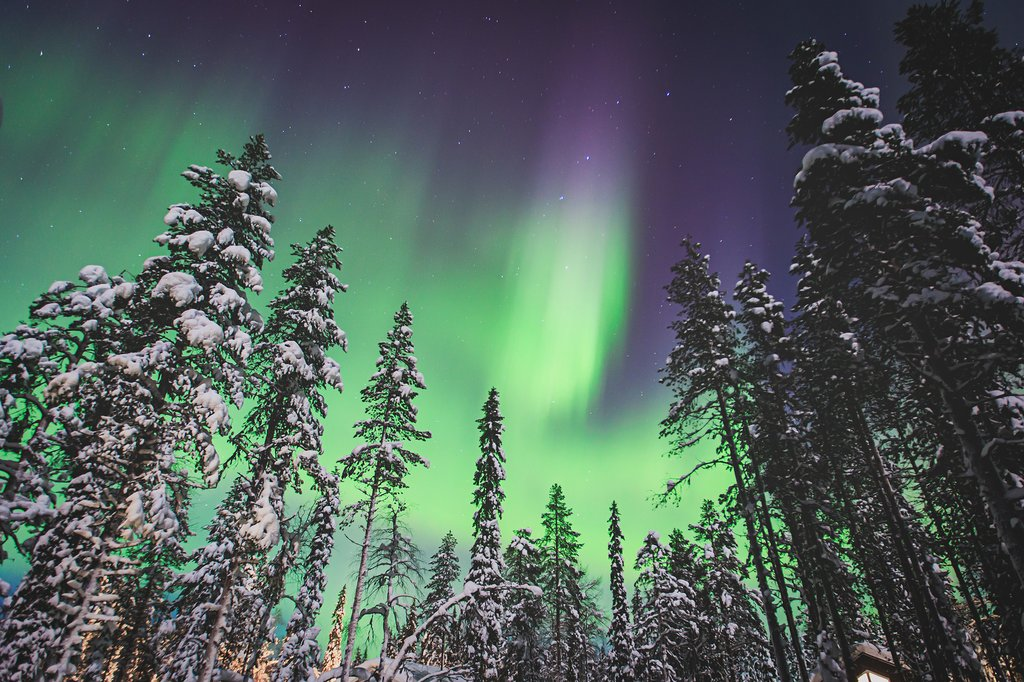
The coldest and darkest months in Norway are also the peak season for Northern Lights viewing. Dark skies and clear nights in northern Norway produce some of the most spectacular aurora displays of the year.
- Temperature: Minus 10 to minus 20 degrees C in the north; minus 3 to minus 7 in Oslo
- Weather: Snow, very short daylight hours, icy roads inland
- Things to Do: Chase the Northern Lights around Tromsø, Alta, and the Lofoten Islands; ski at resorts across the country; explore snow-covered fjord towns like Flam and Aurland; visit Tromsø’s Arctic Cathedral and ice-bar scene
- Best for: Northern Lights, skiing, snow scenery, winter photography
- Avoid if: You are sensitive to extreme cold or darkness, or if fjord activities are your main goal
March and April in Norway

A transition from deep winter to spring, with returning daylight and the last good chances for Northern Lights in March. April brings the first blossoms and waterfalls beginning to flow.
- Temperature: Minus 2 to 8 degrees C; warmer on the southern coast
- Weather: Snow still possible in March, first warm days appearing in April; increasingly longer days
- Things to Do: Catch the final Northern Lights of the season in northern Norway in March; explore fjord valleys as cherry and apple blossoms emerge in April; visit Hardangerfjord for the famous fruit blossom season; hike lower trails before summer crowds arrive
- Best for: Spring blossoms, shoulder-season fjord exploration, value pricing, fewer tourists
- Avoid if: You want guaranteed warm weather or access to high-altitude hiking trails
May and June in Norway
The most reliably rewarding window for first-time visitors. Waterfalls are at peak flow, fjords are fully green, and the midnight sun begins in late May in northern Norway. Pre-summer pricing still applies in May.
- Temperature: 10 to 20 degrees C in the south; cooler in the north and at altitude
- Weather: Long sunny days, minimal rain in May; warm and settled in June with up to 20 hours of daylight
- Things to Do: Cruise the Sognefjord and Geirangerfjord; hike Trolltunga and Preikestolen (fully accessible from June); kayak the fjords; experience the midnight sun in Tromsø or the Lofoten Islands; visit Vøringsfossen waterfall at peak flow
- Best for: Fjords, waterfalls, midnight sun, hiking, spring scenery, better value than July
- Avoid if: You specifically want the Northern Lights, which are not visible during midnight sun season
Visiting Norway in July and August
The warmest and most popular months. All hiking trails open, fjord cruises at full capacity, and Norway’s coastal culture fully alive. Prices and crowds are at their annual peak.
- Temperature: 20 to 25 degrees C in the south and fjord regions; cooler in the north
- Weather: Warm, mostly sunny, long days; some rain possible especially on the west coast
- Things to Do: Hike Trolltunga and Preikestolen (book activity slots months ahead); fjord cruise the Nærøyfjord and Geirangerfjord; explore Bergen’s Bryggen wharf; visit the Lofoten Islands for beaches and midnight sun; take the Flam Railway; cycle coastal routes
- Best for: Outdoor activities, fjord cruises, warm weather, long daylight, coastal Norway
- Avoid if: You are on a tight budget or dislike peak-season crowds at famous viewpoints
Visiting Norway in September and October
Arguably the most beautiful months in Norway. Forests turn gold and amber, the Northern Lights return, prices drop from peak, and the Lofoten Islands are at their most dramatic and atmospheric.
- Temperature: 5 to 15 degrees C; cooler in the north and at altitude
- Weather: Crisp, clear autumn days with golden light; increasing rainfall from October; nights cold enough for aurora sightings
- Things to Do: Watch the Northern Lights return over the Lofoten Islands and Tromsø in October; hike inland trails in autumn colour; cruise the fjords in the clear low autumn light; photograph the stormy sea and peaked mountains of the Lofoten fishing villages; visit Oslo for the city at its most comfortable
- Best for: Autumn foliage, Northern Lights beginning, photography, fewer crowds, lower prices
- Avoid if: You specifically want the midnight sun or warm summer temperatures
Visiting Norway in November and December
Norway returns to full winter. Christmas markets open across Oslo, Bergen, and Tromsø, and the Northern Lights are increasingly spectacular as the skies darken. Very short daylight hours in the north.
- Temperature: Minus 5 to 5 degrees C in Oslo and the south; minus 10 to minus 15 in the north
- Weather: Snow arrives from November; very short days with only 4 to 6 hours of daylight in December in northern Norway
- Things to Do: Visit Oslo’s Christmas markets and the Julemarked at Akershus Fortress; chase the Northern Lights from Tromsø; explore Bergen’s Bryggen in the snow; take a reindeer sled ride in Finnmark; stay in a glass-roof cabin for Northern Lights viewing from bed
- Best for: Northern Lights, Christmas markets, snow scenery, deep winter photography
- Avoid if: You are sensitive to extreme cold and very limited daylight, or if outdoor summer activities are your priority
Best Time to Visit Norway by Activity
For Northern Lights: September to March, with January, February, and March offering the best combination of dark skies and clear weather in northern Norway around Tromsø, the Lofoten Islands, and Alta.
For Fjord Cruising: May to September, with June and July offering the longest daylight windows for the famous Sognefjord, Hardangerfjord, and Geirangerfjord routes.
For Hiking: June to September, with July and August giving access to the highest trails including Trolltunga, Preikestolen, and the Besseggen Ridge in Jotunheimen.
For Midnight Sun: Mid-May to late July in northern Norway. Tromsø, the Lofoten Islands, and Svalbard are the best destinations for uninterrupted midnight sun.
For Budget Travel: April, May, and October offer the best value among all the seasons, with lower accommodation prices, fewer crowds, and full access to Norway’s landscape and culture.
For Waterfalls: May and June, when the snowmelt from the mountains sends the largest volume of water over Norway’s iconic falls including Vøringsfossen, Steinsdalsfossen, and Seven Sisters.
Places You Should Not Miss While Exploring Norway
- Sognefjord and Geirangerfjord: Norway’s most iconic fjords, both UNESCO-listed. Best explored by ferry or boat from Flam or Alesund.
- Lofoten Islands: Dramatic Arctic peaks rising from the sea, with red fishing cabins and postcard-perfect harbours. Stunning in every season.
- Preikestolen (Pulpit Rock): A 604-metre cliff above the Lysefjord near Stavanger. A 2-hour hike each way; best in May, June, or September.
- Trolltunga: A horizontal rock ledge 700 metres above a valley floor. A demanding full-day hike accessible June to September.
- Bergen and Bryggen Wharf: Gateway to the Western Fjords with a UNESCO-listed wooden wharf and the Fløibanen funicular for panoramic city views.
- Tromsø: The best base for Northern Lights, midnight sun, and Arctic experiences in northern Norway.
- Flam Railway: One of the world’s most scenic train journeys, descending from the mountain plateau to the fjord below.
- Oslo: The capital city with the Viking Ship Museum, Munch Museum, Akershus Fortress, and a lively waterfront. Worth two full days.
The Best Time to Visit Norway for Indian Travelers
For most Indian travelers visiting Norway for the first time, June to August is the most practical and rewarding window. The weather is the most comfortable relative to India’s climate, the fjords and hiking trails are fully accessible, and the midnight sun offers an experience that is genuinely unlike anything available in the Indian subcontinent. For travelers who have already visited Norway in summer and want a different perspective, September to October delivers extraordinary autumn beauty and the beginning of aurora season. For dedicated Northern Lights chasers, January and February are unbeatable but require serious cold weather preparation.Our International Tour Packages from Mumbai cover fully planned Norway and Scandinavia itineraries for Indian travelers across different seasons, with accommodation, transport, and guided experiences arranged in advance.
Conclusion
The best time to visit Norway is not a single answer but a range of answers depending on what you want to experience. Summer delivers the dramatic fjords and midnight sun. Autumn gives golden landscapes and the first auroras. Winter offers the most spectacular Northern Lights and the deep silence of snow-covered Norway. Spring brings waterfalls in full flow and fewer tourists than any other season. Norway rewards visits in every season and the best time to visit Norway is ultimately the season that matches the experience you are most looking for. Plan well in advance, book fjord accommodation early for summer months, and pack for all weather regardless of when you go.

Frenzy Holidays ensures a smooth and enriching travel experience from start to finish. You can visit us at Haware Centurion, S07/34, Nerul East, Sector 19A, Nerul, Navi Mumbai, Maharashtra 400706. For bookings or more information, call +91 7400453140, email [email protected], or visit www.frenzyholidays.com. So pack up and explore the world with Frenzy Holidays for an unforgettable journey.
Best Time to Visit Norway: FAQs
What is the best time to visit Norway?
June to August for fjords, hiking, and midnight sun. September to March for Northern Lights. May for waterfalls and spring scenery with fewer crowds.
When is the best time to see the Northern Lights in Norway?
September to March, with January and February offering the darkest skies and best aurora conditions in northern Norway.
Is Norway good to visit in summer?
Yes. Summer is Norway’s most popular season with warm temperatures, long days, and full access to fjord cruises, hiking trails, and coastal culture.
What is the midnight sun in Norway?
The midnight sun is a natural phenomenon where the sun does not set for weeks in summer. It occurs in northern Norway from mid-May to late July and is one of Norway’s most extraordinary experiences.
Is Norway expensive to visit from India?
Norway is one of Europe’s more expensive countries. Visiting in shoulder seasons like May or September reduces costs significantly compared to July and August peak prices.
What is the cheapest time to visit Norway?
April, May, and October offer the best combination of lower prices and good travel conditions among all the best time to visit Norway windows.
Can I see both Northern Lights and fjords on one Norway trip?
September and October is the best window for combining both experiences, with autumn fjord scenery and the start of the aurora season available in the same trip.
How cold does Norway get in winter?
Northern Norway and inland areas reach minus 10 to minus 20 degrees Celsius in January and February. Coastal cities like Bergen and Oslo are milder, typically between 0 and minus 5.
Which Norwegian city is best for a first visit?
Bergen is the most recommended starting point for first-time visitors. It sits at the gateway to the Western Fjords and offers excellent access to Sognefjord, Hardangerfjord, and the Flam Railway.
Do I need a visa to visit Norway from India?
Yes. Indian passport holders require a Schengen visa to visit Norway. Norway is part of the Schengen Area but not a member of the European Union.
