
The undiscovered places in Goa stretch far beyond its famous beaches. From India’s only Latin Quarter in Panaji and a 12th-century temple hidden deep in a wildlife sanctuary to a crocodile-filled backwater canal, a car-free island of Portuguese-era villages, and some of the most secluded beaches on India’s western coastline, Goa rewards those who look beyond the obvious with experiences that feel genuinely rare.
Goa draws millions of tourists every year to the beaches of Baga, Calangute, Anjuna, and Palolem, but that coastal strip accounts for a fraction of the state’s actual character. Beyond the crowds lie dense Western Ghats forests, ancient temples that survived Portuguese rule, quiet river islands, painted colonial lanes, and secluded beaches reachable only by boat. The undiscovered places in Goa span both districts and every kind of travel interest, from history and wildlife to architecture and beach solitude. The best time to explore them is October to March, though monsoon (June to September) brings the forests and waterfalls to life.
Frenzy Holidays covers both the popular and hidden sides of the state in depth. For more offbeat coastal experiences, read our guide to hidden places to visit in North Goa. For those visiting in the rains, our places to visit in South Goa in monsoon guide covers the best of the south during the green season.
Confused where to go for quick escape? Let us plan it for you.
Grab the Best DealTable of Contents
Undiscovered Places in Goa – Quick Reference
Here is a quick snapshot of the undiscovered places in Goa covered in this guide, before the detailed breakdown.

| Place | Region | Best Time to Visit | Type of Experience |
|---|---|---|---|
| Fontainhas | Panaji, North Goa | October to March | Heritage, architecture, culture |
| Tambdi Surla Temple | South Goa (Bhagwan Mahavir Sanctuary) | October to March | History, nature, spirituality |
| Divar Island | North Goa (Mandovi River) | October to March | Culture, village life, heritage |
| Butterfly Beach | South Goa (near Palolem) | October to March | Secluded beach, nature |
| Chorla Ghats | North Goa (Goa-Karnataka border) | June to September, Oct to Nov | Nature, trekking, wildlife |
| Galgibaga Beach | South Goa | October to March | Turtle nesting, solitude |
| Carambolim Lake | North Goa | November to February | Birdwatching, nature |
| Cumbarjua Canal | Central Goa | November to April | Crocodile spotting, backwaters |
| Cabo de Rama Fort | South Goa | October to March | History, sea views |
| Chorão Island | North Goa (Mandovi River) | October to March | Birds, mangroves, nature |
You can also explore our affordable Andaman Tour Packages designed for Budget Travelers.
Undiscovered Places in Goa – Detailed Guide
The undiscovered places in Goa span both districts and every kind of traveller interest. Here is a detailed look at each destination.
Fontainhas – India’s Only Latin Quarter

Fontainhas in Panaji stands out as one of the most culturally rich and undiscovered places in Goa, known for its charming lanes, colorful Portuguese-style houses, and old-world ambiance. Often called the only Latin Quarter in Asia, this heritage neighborhood traces its origins to the early 19th century when Portuguese administration shifted from Old Goa to Panaji. The area has beautifully preserved its identity, with vibrant facades, artistic spaces, cozy cafés, and landmarks like the historic Chapel of St Sebastian at its center. Whether explored on a quiet morning or during a light monsoon drizzle, Fontainhas offers a timeless and immersive cultural experience.
Key Points
- Known as the only Latin Quarter in Asia
- Famous for colorful Portuguese colonial houses and cobblestone streets
- Named after the historic Fonte Phoenix (natural spring reservoir)
- Features art galleries, boutique cafés, and heritage homes
- Located around 2.5 km from Panaji’s Kadamba Bus Stand
- Easily accessible and walkable from Panaji city centre
- Best time to visit: early morning or during light monsoon for a magical vibe
- A must-visit for photography, heritage walks, and cultural exploration
Tambdi Surla Temple – The Oldest Surviving Temple in Goa
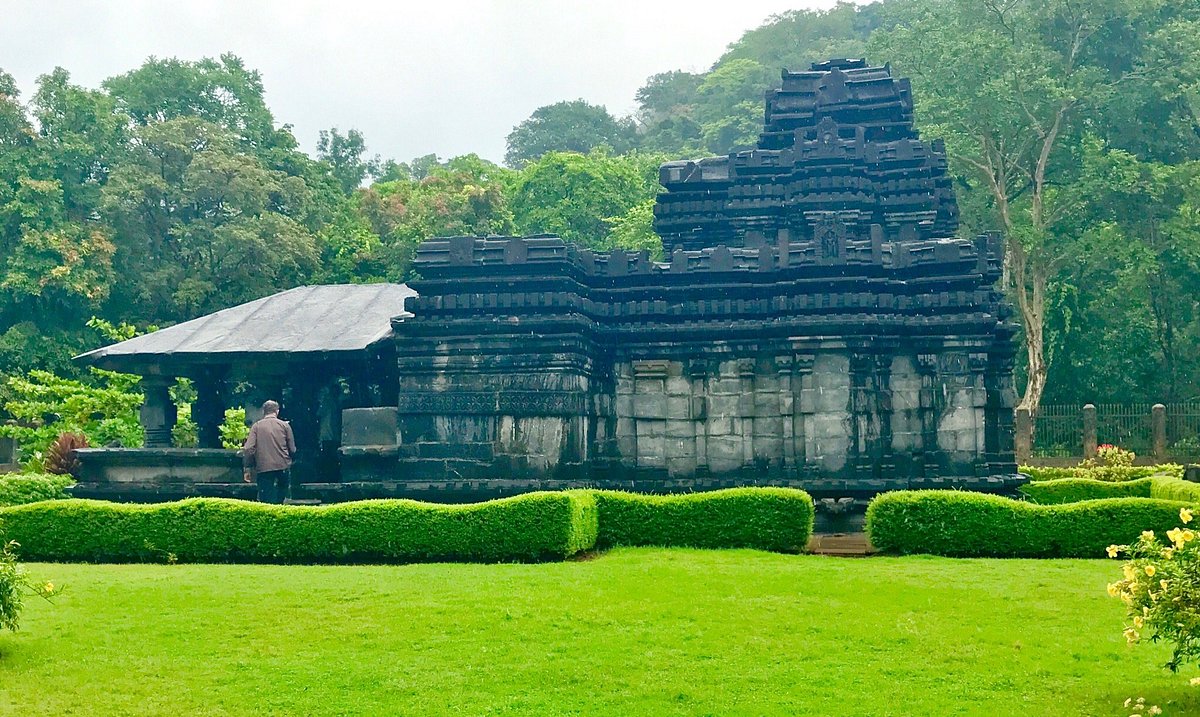
Tambdi Surla Mahadev Temple is one of the most historically significant and undiscovered places in Goa, offering a rare glimpse into ancient temple architecture in western India. Built in the 12th century by the Kadamba dynasty, this temple dedicated to Lord Shiva is the oldest surviving temple in Goa and a unique example of Kadamba-Yadava architecture crafted entirely from black basalt stone. Nestled deep within the Bhagwan Mahavir Wildlife Sanctuary, around 65 km from Panaji, it survived centuries of invasions due to its remote forest location. Surrounded by lush greenery, a nearby river, and waterfalls, the temple provides a peaceful and spiritually enriching experience.
Key Points
- Built in the 12th century by the Kadamba dynasty
- Dedicated to Lord Shiva and considered the oldest surviving temple in Goa
- Constructed entirely from black basalt stone
- Features intricate carvings of Shiva, Vishnu, Brahma, and a lotus ceiling design
- Located inside Bhagwan Mahavir Wildlife Sanctuary
- Surrounded by dense forest, river streams, and a scenic waterfall
- Distance: Approx. 65 km from Panaji
- Timings: 7:00 AM – 5:30 PM
- Entry Fee: Free
- Dress Code: Modest clothing recommended
- Ideal for history lovers, nature enthusiasts, and offbeat travelers
Divar Island – The Village That Time Forgot
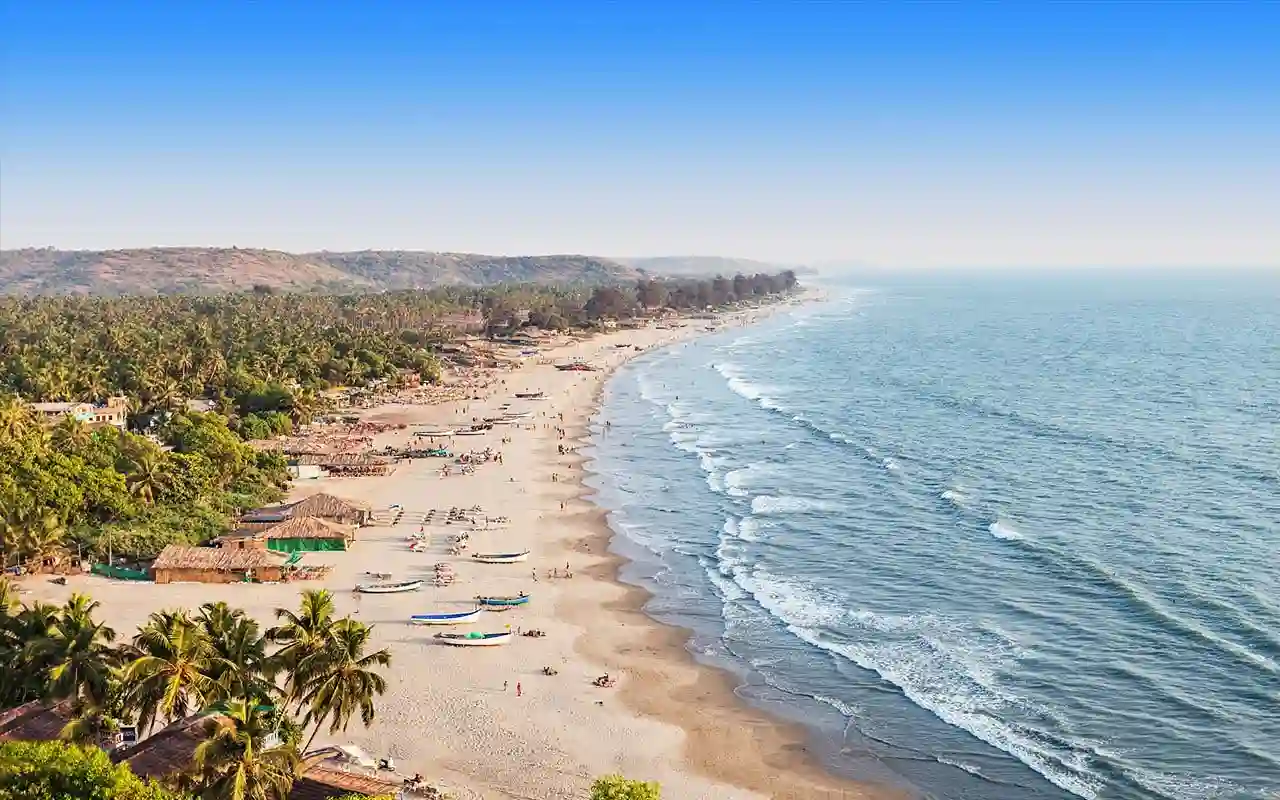
Divar Island, set along the scenic Mandovi River, is one of the most peaceful and culturally immersive undiscovered places in Goa. Accessible only via a free ferry from Old Goa, the island remains untouched by mass tourism, with no large resorts or commercial beach setups. Instead, it offers a charming blend of Portuguese-era villas, historic churches, lush paddy fields, and quiet village life. The hilltop Church of Our Lady of Compassion stands as its most prominent landmark, offering panoramic river views. Exploring the island by cycle or scooter reveals a slower, more authentic side of Goa rarely seen by typical tourists.
Key Points
- Located on the Mandovi River, offering scenic island views
- Accessible only by free government ferry from Old Goa
- Known for its peaceful atmosphere and minimal tourist crowds
- Features Portuguese colonial houses, churches, and village landscapes
- Church of Our Lady of Compassion is the main landmark with hilltop views
- Ideal for cycling and two-wheeler exploration
- Experience authentic Goan village life and heritage
- Ferry ride duration: just a few minutes with frequent service
- Perfect for offbeat travelers, photographers, and culture lovers
Butterfly Beach – The Beach You Have to Earn

Butterfly Beach, located near Palolem in South Goa, is one of the most stunning and secluded undiscovered places in Goa. Tucked away between forested hills, this hidden beach remains untouched due to its lack of road connectivity, preserving its natural beauty and peaceful atmosphere. With crystal-clear waters, soft white sand, and occasional dolphin sightings, it offers a serene escape far from Goa’s crowded coastline. Accessible only by boat or a forest trek, Butterfly Beach is perfect for travelers seeking solitude, raw nature, and breathtaking sunset views.
Key Points
- Located near Palolem and Agonda in South Goa
- One of the most secluded and untouched beaches in Goa
- Accessible only by boat (20–30 minutes) or a forest trek (45–60 minutes)
- No road connectivity, which helps preserve its natural charm
- Known for clear waters, white sand, and occasional dolphin sightings
- Surrounded by lush green hills and dense forest
- Very limited facilities, so carry water and food essentials
- Best time to visit: October to March for calm seas and accessibility
- Famous for peaceful sunsets with no crowds or light pollution
Chorla Ghats – Goa’s Mountain Forest

Chorla Ghats, located at the tri-junction of Goa, Karnataka, and Maharashtra, is one of the most breathtaking natural landscapes among the undiscovered places in Goa. Part of the biodiverse Western Ghats, this region comes alive during the monsoon with lush greenery, mist-covered hills, and numerous waterfalls cascading down the slopes. The scenic drive through the ghats, with dense forest cover and panoramic valley views, is an experience in itself. Nature lovers can also explore the nearby Mhadei Wildlife Sanctuary, known for its rich flora and fauna, making Chorla a perfect escape for those seeking raw, untouched nature.
Key Points
- Located on the Goa–Karnataka–Maharashtra border
- Part of the Western Ghats, known for high biodiversity
- Best visited during monsoon (June–September) for waterfalls and greenery
- October–November is ideal for lush landscapes with better road conditions
- Features multiple seasonal waterfalls along the ghat roads
- Surrounded by dense forests and misty mountain views
- Close to Mhadei Wildlife Sanctuary, rich in wildlife and bird species
- Perfect for nature drives, photography, and offbeat travel
- Road journey itself is scenic with forest canopy and valley views
- Mobile network is limited or patchy in many areas
Galgibaga Beach – Goa’s Turtle Sanctuary
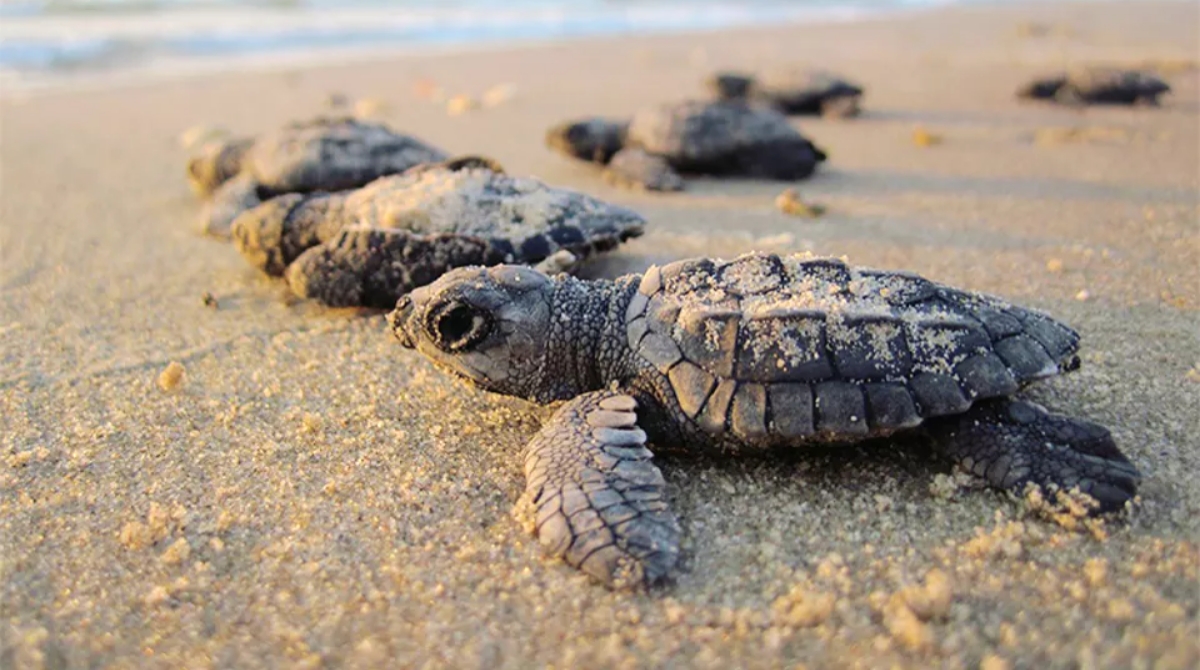
Galgibaga Beach, located in the southernmost part of Goa near Polem, is one of the cleanest and most untouched beaches in the state. Known as a protected nesting ground for Olive Ridley turtles, this serene coastline remains free from heavy commercialization, offering a peaceful escape surrounded by natural beauty. Situated near the mouth of the Galgibaga River, the beach features soft silver sand, clear waters, and a tranquil atmosphere that makes it perfect for those seeking solitude and nature-focused experiences.
Key Points
- Recognized as a protected Olive Ridley turtle nesting site
- Best time to witness nesting: November to February
- Located near the Galgibaga River estuary
- Approximately 8 km from Polem Beach
- Known for its clean shoreline and minimal tourist crowds
- Free from heavy commercialization, offering a peaceful environment
- Ideal for nature lovers, photographers, and offbeat travelers
- Turtle sightings are part of regulated conservation activities
- Offers long stretches of quiet beach and calm waters
Carambolim Lake – Birdwatcher’s Secret
Carambolim Lake, located near Karmali Railway Station in North Goa, is a hidden freshwater lake surrounded by lush paddy fields and marshlands. Largely untouched by mainstream tourism, it is a paradise for birdwatchers, especially during the winter migratory season when a wide variety of birds flock to the area. The calm environment, combined with its rich ecosystem, offers a completely different experience from Goa’s beaches, making it a perfect spot for nature lovers and photographers.
Key Points
- Located near Karmali Railway Station in North Goa
- A freshwater lake surrounded by paddy fields and marshy landscapes
- Best time to visit: November to February (migratory bird season)
- Home to birds like ducks, jacanas, moorhens, kingfishers, wagtails, and more
- Ideal for birdwatching, photography, and peaceful nature walks
- Entry Fee: Free
- Easily accessible by auto or bike from Karmali
- Best visited in the early morning for maximum bird activity
- Offers a unique ecosystem different from Goa’s coastal attractions
Cumbarjua Canal – Crocodiles in the Backwaters
Cumbarjua Canal, located near Ponda, is one of the most unique and lesser-known attractions in Goa. This narrow canal connects the Mandovi River and Zuari River and is famous for its population of marsh crocodiles that can often be seen basking along the muddy banks. Surrounded by dense mangroves and rich birdlife, a boat ride through the canal offers a completely different side of Goa-far removed from its beaches and nightlife. It’s a peaceful yet thrilling experience for nature lovers and wildlife enthusiasts.
Key Points
- Located near Ponda in central Goa
- Connects the Mandovi and Zuari rivers
- Famous for marsh crocodile sightings in natural habitat
- Boat rides allow close but safe viewing of crocodiles
- Surrounded by mangroves and rich birdlife
- Ideal for wildlife lovers, photographers, and nature explorers
- Best time to visit: November to April for better visibility
Cabo de Rama Fort — The Fort at the Edge of the World
Cabo de Rama Fort, located around 18 km from Palolem, is one of the most dramatically situated and lesser-explored forts in Goa. Perched high on a rugged cliff overlooking the Arabian Sea, the fort offers breathtaking panoramic views and a sense of raw, untouched history. According to legend, Lord Rama stayed here during his exile, and the fort later came under Portuguese control. Though partially in ruins, its clifftop church, old water cisterns, and vast sea-facing edges create a deeply atmospheric experience, especially during sunset.
Key Points
- Located in South Goa, about 18 km from Palolem
- Offers stunning cliffside views of the Arabian Sea
- Named after Lord Rama, with strong mythological significance
- Later used and fortified by the Portuguese
- Less crowded compared to popular forts like Aguada
- Features ruins, a small church, and ancient water storage structures
- Ideal for sunset views, photography, and quiet exploration
- Perfect for travelers seeking offbeat historical sites
Frenzy Holidays also covers the wider Goa experience across seasons in our guide to places to visit in Goa in April for those planning a shoulder-season trip when the crowds thin and the prices ease.
Practical Tips for Exploring Undiscovered Places in Goa
Key points to keep in mind before heading off the beaten track in Goa.
- Rent a two-wheeler for maximum flexibility. Most of the undiscovered places in Goa are not well served by public transport and are best reached on a scooter or motorbike. Rentals are widely available in Panaji, Margao, Palolem, and Calangute.
- Visit October to March for the most accessible experience. Monsoon (June to September) makes Chorla Ghats and waterfalls spectacular but can make some roads, boat services, and beach access unpredictable. October to March gives the best balance of accessibility and pleasant weather.
- Carry water and food for remote sites. Tambdi Surla Temple, Butterfly Beach, Galgibaga, and Cabo de Rama Fort have minimal or no food facilities nearby. Always carry water, sunscreen, and snacks.
- Start early for beaches and heritage sites. The light is better, the heat is manageable, and you are far more likely to have places like Fontainhas, Butterfly Beach, and Cabo de Rama Fort to yourself before 10 AM.
- Book boat rides to Butterfly Beach in advance during peak season. Boatmen at Palolem and Agonda beaches offer trips to Butterfly Beach, but availability can be limited during the busiest December to January period.
- Respect active religious and conservation sites. Tambdi Surla Temple is a place of worship and requires modest dress. Galgibaga Beach is a protected turtle nesting site and visitors must follow conservation guidelines during nesting season.
Also you can check out our blog about the Best Places to Visit in Konkan so that it can help you find the best places on your next trip.
Conclusion
The undiscovered places in Goa reveal a state that is far richer, stranger, and more layered than the beach-and-bar narrative that dominates most travel coverage. A 12th-century temple hiding in a jungle that survived four centuries of colonial destruction, a river island where the 19th century still feels present, a Latin Quarter of painted houses on cobblestone lanes, and a beach that requires a boat or a forest trek to reach. These are the places where Goa’s actual character lives, and they are available to anyone willing to look just slightly beyond the well-worn circuit.

Frenzy Holidays ensures a smooth and enriching travel experience from start to finish. Visit us at Haware Centurion, S07/34, Nerul East, Sector 19A, Nerul, Navi Mumbai, Maharashtra 400706. For bookings or more information, call +91 7400453140, email [email protected], or visit www.frenzyholidays.com.
Undiscovered Places in Goa – FAQs
What are the best undiscovered places in Goa?
Fontainhas, Tambdi Surla Temple, Divar Island, Butterfly Beach, Chorla Ghats, Galgibaga Beach, Carambolim Lake, and Cabo de Rama Fort are among the best undiscovered places in Goa.
When is the best time to visit undiscovered places in Goa?
October to March is the best time for most sites. Chorla Ghats is best in June to September for waterfalls. Carambolim Lake is best in November to February for migratory birds.
How do I reach Butterfly Beach in Goa?
Butterfly Beach is accessible by boat from Palolem or Agonda beaches, taking 20 to 30 minutes. It can also be reached by a forest trek of around 45 to 60 minutes one way. There is no road access.
What is Fontainhas in Goa?
Fontainhas is India’s only Latin Quarter, located in Panaji, North Goa. It is a heritage neighbourhood of narrow lanes and painted Portuguese colonial houses, and is widely considered one of the most atmospheric undiscovered places in Goa.
Is Tambdi Surla Temple worth visiting?
Yes. Tambdi Surla is the oldest surviving temple in Goa, built in the 12th century and located inside Bhagwan Mahavir Wildlife Sanctuary. It is free to enter and open daily from 7:00 AM to 5:30 PM.
What is Galgibaga Beach known for?
Galgibaga is a protected Olive Ridley turtle nesting beach in South Goa, known for its clean sands, calm waters, and almost complete absence of commercial development. Best visited October to March.
Can I see crocodiles in Goa?
Yes. The Cumbarjua Canal in central Goa has a large resident population of marsh crocodiles. Boat rides through the canal are available and bring visitors close to crocodiles basking on the banks.
How do I reach Divar Island in Goa?
Divar Island is accessible by a free government ferry from Old Goa. The ferry runs frequently and the crossing takes just a few minutes. Renting a bicycle or scooter on the island is the best way to explore it.
What is special about Chorla Ghats in Goa?
Chorla Ghats is a biodiverse mountain forest on the Goa-Karnataka-Maharashtra border, famous for its monsoon waterfalls, wildlife, and dramatic scenic drives. It is one of the most undiscovered natural landscapes in Goa.
Are most undiscovered places in Goa free to visit?
Yes. Fontainhas, Divar Island, Butterfly Beach, Carambolim Lake, Chorla Ghats, and Galgibaga Beach have no entry charges. Tambdi Surla Temple and Cabo de Rama Fort are free to enter. Boat rides to Butterfly Beach and canal rides at Cumbarjua have operator charges.
